


May serves as a bridge into the summer season. It brings a rich mix of quiet remembrance, vibrant celebrations, and important global awareness events. From honoring military heroes on Memorial Day to celebrating international heritage, this month offers countless opportunities to connect with different cultures.
Understanding these dates helps you plan your schedule with confidence. Awareness of global holidays ensures you can manage travel logistics, prepare for workplace closures, and show respect for diverse traditions. Knowing when international banks and government offices close also keeps your personal and business operations running smoothly.
This guide provides everything you need to navigate the month. You will find exact dates for 2026, the cultural meaning behind major festivals, and respectful ways to participate. We have organized these observances clearly so you can easily find the information you need.
Quick Reference: May 2026 Key Dates at a Glance
Use this chart to quickly identify major holidays, awareness events, and cultural celebrations happening throughout the month.
Federal Holiday
- May 25 — Memorial Day
Religious Observances
- May 5 — Lag BaOmer
- May 14 — Ascension Day
- May 22 — Shavuot
- May 24 — Pentecost
- May 25 — Whit Monday
- May 27 — Eid al-Adha
- May 31 — Trinity Sunday
Cultural & Heritage Celebrations
- All May — Asian American & Pacific Islander Heritage Month
- All May — Jewish American Heritage Month
- All May — Haitian Heritage Month
- All May — Older Americans Month
- May 1 — Lei Day
- May 3 — Japan’s Constitution Memorial Day
- May 5 — Cinco de Mayo
- May 5 — Japan’s Children’s Day (Kodomo no Hi)
- May 9 — Europe Day
- May 10 — Mother’s Day
- May 23 — Vesak / Buddha Day
Independence Days
- May 3 — Poland Constitution Day
- May 14 — Paraguay Independence Day
- May 17 — Norway Constitution Day
- May 20 — Cameroon National Day
- May 22 — Yemen Unity Day
- May 24 — Eritrea Independence Day
- May 25 — Jordan Independence Day
- May 26 — Georgia Independence Day
- May 28 — Azerbaijan Independence Day
- May 28 — Ethiopia National Day
Global Awareness & Cultural Observances
May designates an entire month to honor specific communities and highlight crucial global causes. These extended observances offer time for education and meaningful participation.
Asian American & Pacific Islander Heritage Month
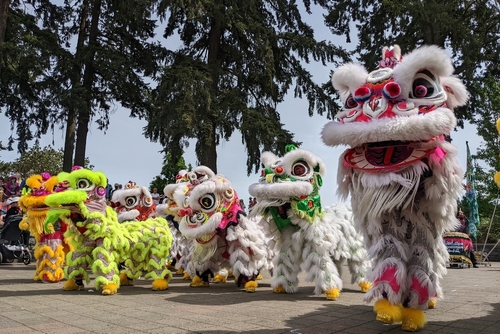
This month honors the historical and cultural contributions of individuals of Asian and Pacific Islander descent in the United States. May was chosen to commemorate the arrival of the first Japanese immigrants to the U.S. in May 1843. It also marks the completion of the transcontinental railroad in May 1869, which was largely built by Chinese immigrants. You can participate by attending local community events, supporting AAPI-owned businesses, and learning about the diverse histories of these cultures.
Jewish American Heritage Month
May is dedicated to recognizing the achievements of Jewish Americans. This month highlights their vital impact on science, government, literature, and the arts. The observance naturally aligns with important spring Jewish holidays like Lag BaOmer and Shavuot. Educational institutions and museums often host special exhibits during this time to share these rich historical narratives.
Haitian Heritage Month
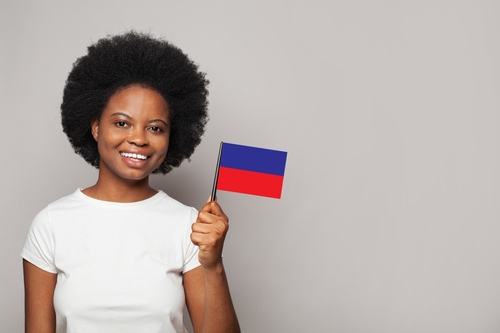
May is dedicated to celebrating Haitian Heritage Month. This time honors the rich history, culture, and contributions of Haitian Americans in areas such as art, music, literature, and public life. The observance often coincides with significant dates like Haitian Flag Day on May 18, a symbol of pride and unity. Schools, cultural centers, and communities frequently host events and programs to highlight Haiti’s enduring legacy and vibrant traditions.
Major Cultural & International Celebrations
Many national and global festivals occur in May. These events bring communities together through shared history, food, and long-standing traditions.
Older Americans Month (All May)

Older Americans Month honors the contributions, resilience, and experiences of adults aged 60 and over. Established in 1963, the observance highlights the important role older adults play in communities while also raising awareness about issues such as aging, health, and social connection. Each year features a specific theme led by the U.S. Administration for Community Living, encouraging programs that promote independence and engagement. Communities mark the month with educational events, volunteer opportunities, and intergenerational activities that celebrate aging and foster inclusion.
Lei Day (May 1)

Lei Day is a uniquely Hawaiian celebration of culture, tradition, and the spirit of aloha. Established in 1929, the holiday honors the significance of the lei—a garland of flowers, leaves, or shells—as a symbol of affection, respect, and connection. Festivities include lei-making contests, hula performances, music, and cultural demonstrations across the islands. Each Hawaiian island has its own official lei and color, reflecting local identity and heritage.
Japan’s Constitution Memorial Day (May 3)
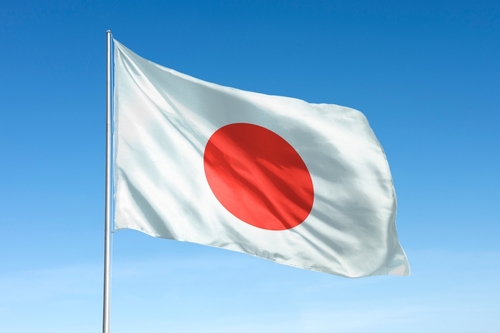
Constitution Memorial Day, or Kenpō Kinenbi, marks the enactment of Japan’s post-war constitution in 1947. It is part of the “Golden Week” holiday period, one of the busiest travel seasons in Japan. The day emphasizes democratic values, peace, and transparency in government. The National Diet Building in Tokyo is opened to the public, allowing citizens to learn more about the country’s political system.
Cinco de Mayo (May 5)
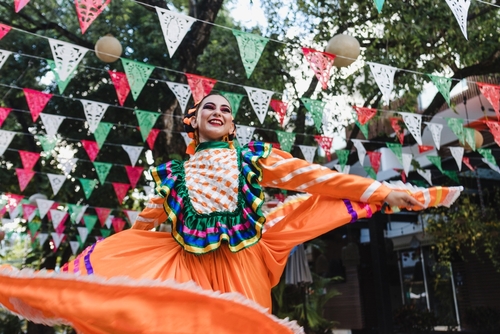
Cinco de Mayo commemorates the Mexican army’s unlikely victory over French forces at the Battle of Puebla in 1862. A common misconception is that this day is Mexican Independence Day, which actually falls on September 16. In Mexico, the day is primarily observed in the state of Puebla with military parades. In the United States, it has evolved into a widespread celebration of Mexican culture, featuring traditional music, dancing, and regional cuisine.
Mother’s Day (May 10)

Mother’s Day is widely celebrated around the world as a time to honor mothers and maternal figures. In the United States and many other countries, it falls on the second Sunday in May. Traditions include giving flowers, cards, and gifts, as well as spending quality time together. The modern holiday was popularized in the early 20th century and has since become both a heartfelt family occasion and a major commercial event.
Vesak / Buddha Day (May 23)
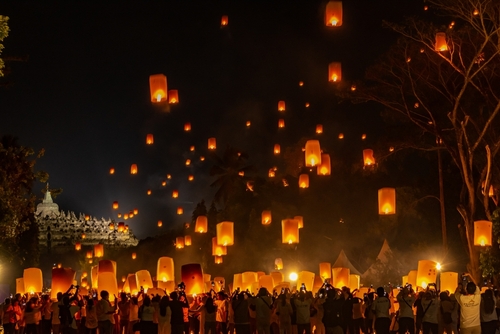
Vesak is the most sacred day for millions of Buddhists around the world. It commemorates the birth, enlightenment, and passing of Gautama Buddha. The exact date shifts based on the lunar calendar, with widespread observance around May 23 in 2026. Devotees in Sri Lanka, Thailand, Indonesia, and other nations celebrate by visiting temples, lighting lanterns, and engaging in acts of charity.
Europe Day (May 9)
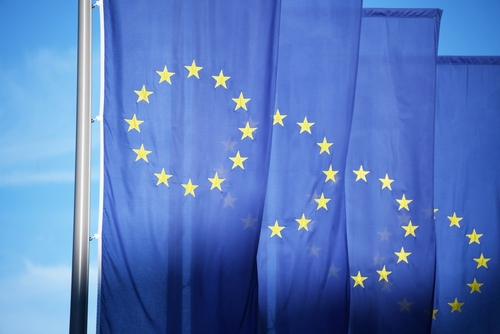
Europe Day celebrates peace and unity across the continent. It marks the anniversary of the historic 1950 Schuman Declaration, which proposed pooling French and West German coal and steel production. This proposal laid the foundation for what is now the European Union. EU institutions open their doors to the public, and cities host debates, concerts, and cultural events.
Children’s Day (May 5)
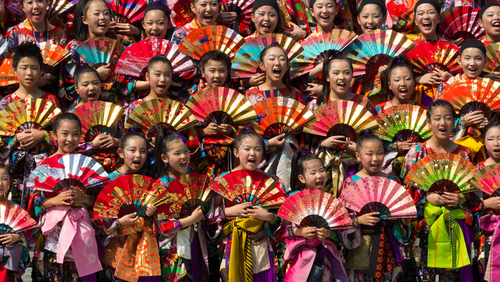
Known as Kodomo no Hi, this Japanese national holiday celebrates the happiness and individual strengths of children. Families fly colorful koinobori (carp-shaped streamers) outside their homes. The carp symbolizes determination and vigor. Traditional foods like kashiwa-mochi (rice cakes wrapped in oak leaves) are prepared, and families wish for the health and success of their children.
Religious Observances in May 2026
May features significant dates across several major world religions. These observances involve deep spiritual reflection and community gatherings.
Lag BaOmer (May 5)
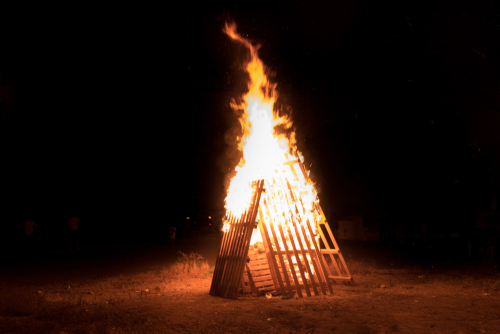
This Jewish holiday falls on the 33rd day of the Omer, a 49-day period between Passover and Shavuot. It marks a break from the mourning customs of the Omer period. People celebrate with outdoor gatherings, bonfires, and music. In Israel, massive bonfires light up the night sky, and families frequently spend the day enjoying picnics.
Shavuot (May 22)

Shavuot commemorates the day God gave the Torah to the nation of Israel at Mount Sinai. The holiday begins on the evening of May 21. Traditions include staying up all night to study religious texts and decorating synagogues with flowers. Eating dairy foods, particularly cheesecake and blintzes, is a popular custom associated with this holiday.
Eid al-Adha (May 27)
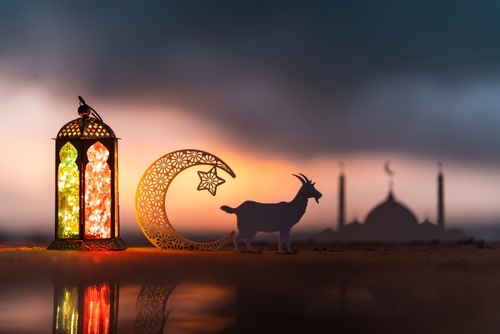
Known as the Festival of Sacrifice, Eid al-Adha is one of the two main Islamic holidays. It concludes the annual Hajj pilgrimage to Mecca. The exact date depends on lunar sightings. Families honor the willingness of the Prophet Ibrahim to sacrifice his son in obedience to God. The celebration involves morning prayers, visiting family, and sharing meat with relatives, friends, and those in need.
Ascension Day, Pentecost, and Trinity Sunday
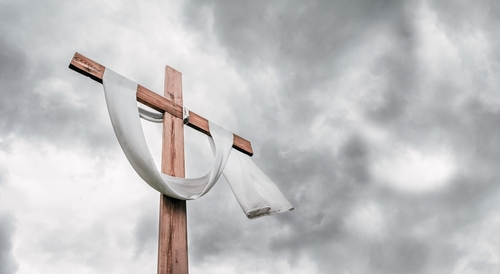
These Christian observances follow the Easter season. Ascension Day (May 14) marks the bodily ascension of Jesus into heaven, 40 days after Easter. Pentecost (May 24) celebrates the descent of the Holy Spirit upon the apostles. Trinity Sunday (May 31) honors the Christian doctrine of the Trinity. In many European countries, Ascension Day and the Monday following Pentecost (Whit Monday) are public holidays, resulting in long weekends and school closures.
U.S. National Observances & Civic Days
May includes several civic days dedicated to honoring specific professions and national priorities in the United States.
- Teacher Appreciation Day (May 5): A day to thank educators for their dedication and impact on students.
- National Nurses Day (May 6): Kicks off National Nurses Week, recognizing the vital role nurses play in healthcare. International Nurses Day follows on May 12.
- National Maritime Day (May 22): Recognizes the maritime industry’s contributions to the country’s economy and security.
Memorial Day (May 25, 2026)

Memorial Day is a solemn federal holiday in the United States dedicated to mourning the military personnel who died while serving in the armed forces. It originated after the American Civil War and became an official federal holiday in 1971.
People often confuse Memorial Day with Veterans Day. Memorial Day specifically honors those who lost their lives in service, while Veterans Day honors all military veterans who have served.
Traditions include visiting cemeteries and memorials to place flags or flowers on graves. At 3:00 PM local time, Americans observe the National Moment of Remembrance, pausing for one minute of silence. Culturally, the long holiday weekend also serves as the unofficial start of the summer vacation season, marked by family barbecues and community parades.
Independence and Constitution Days Around the World
Many nations celebrate their sovereignty in May. These holidays offer a window into a country’s historical struggles and cultural resilience.
Poland (May 3)
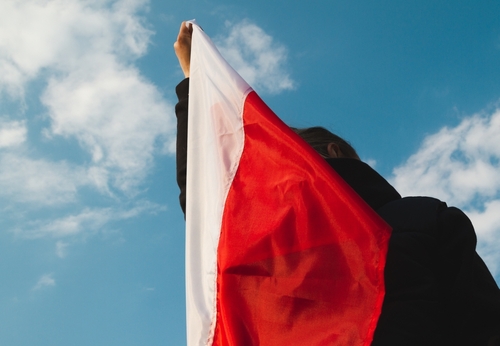
Poland’s Constitution Day commemorates the adoption of the Constitution of May 3, 1791—one of the first modern constitutions in Europe. The document represented a major step toward democratic governance, though it was short-lived due to subsequent partitions of Poland. Today, the holiday is marked by patriotic ceremonies, speeches, parades, and the display of national flags. It serves as a symbol of national identity and the enduring pursuit of sovereignty.
Paraguay (May 14–15)
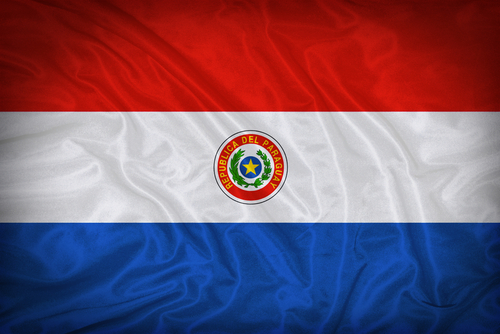
Paraguay’s Independence Day is uniquely celebrated over two days, reflecting key moments in 1811 when the country broke free from Spanish rule. Festivities include parades, traditional music, and cultural performances that highlight Paraguay’s heritage. Government buildings and homes are decorated in national colors, and communities gather for food, dance, and historical reenactments honoring the nation’s founding.
Norway (May 17)
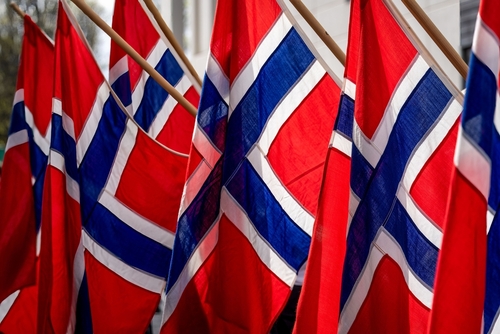
Known as Syttende Mai, Norway’s Constitution Day celebrates the signing of the Norwegian Constitution in 1814. Unlike many national days, it is marked by festivities centered on children, community, and national pride rather than military displays. Parades featuring schoolchildren, traditional folk costumes (bunads), and marching bands take place across the country. Families gather for meals, ice cream, and flags, creating a joyful and distinctly local atmosphere.
Cameroon (May 20)
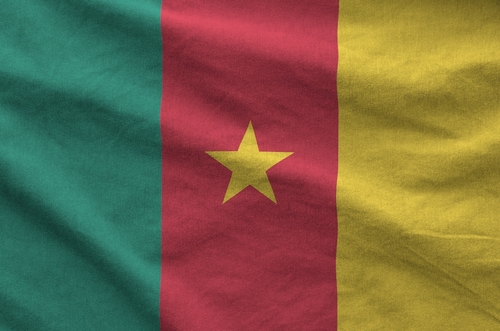
Cameroon’s National Day, also known as Unity Day, commemorates the 1972 referendum that transformed the country from a federal system into a unified republic. The holiday emphasizes national unity across Cameroon’s diverse linguistic and cultural groups. Celebrations include large military parades, presidential addresses, and performances showcasing regional traditions, reinforcing a shared national identity.
Yemen (May 22)
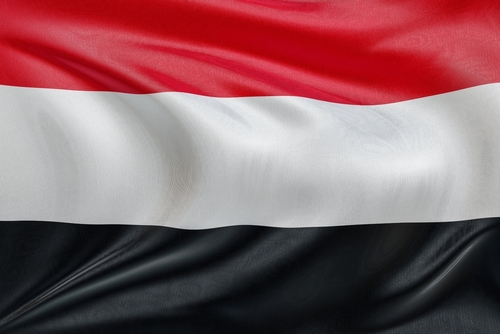
Yemen’s Unity Day marks the unification of North and South Yemen in 1990, forming the modern Republic of Yemen. Historically, the day has been celebrated with parades, speeches, and cultural events that highlight national pride. While ongoing conflict has affected public celebrations in recent years, the date remains symbolically important as a vision of unity and national cohesion.
Eritrea (May 24)
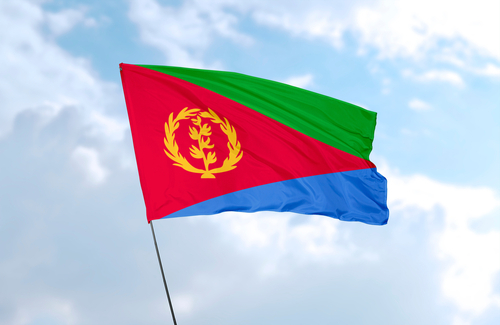
Eritrea’s Independence Day marks the end of a grueling 30-year struggle for sovereignty. On this day in 1991, independence forces successfully entered the capital, Asmara. Citizens celebrate their hard-won freedom with massive street carnivals, traditional music, dancing, and official flag-raising ceremonies.
Jordan (May 25)
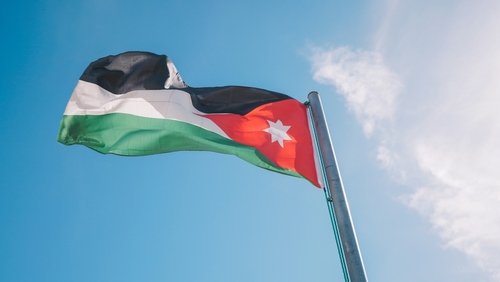
Jordan’s Independence Day marks the country’s emergence as a fully sovereign state. On May 25, 1946, a treaty ended the British mandate, recognizing the Hashemite Kingdom of Jordan. The day features royal ceremonies, impressive military displays, and spectacular fireworks that illuminate the night sky over Amman.
Georgia (May 26)
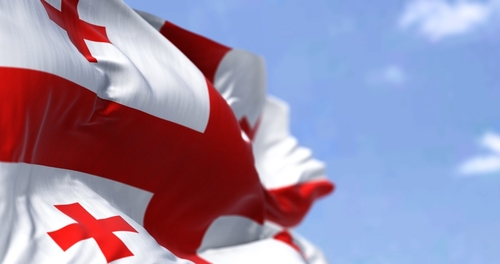
Georgia Independence Day in 2026 marks the anniversary of the country’s declaration of independence on May 26, 1918, when the Democratic Republic of Georgia was established. The day is celebrated across the country, with major events centered in Tbilisi, including official ceremonies, military parades, and speeches by government leaders. In 2026, the celebrations are expected to highlight national pride and resilience, alongside public concerts, cultural showcases, and traditional Georgian food that bring communities together.
Azerbaijan (May 28)
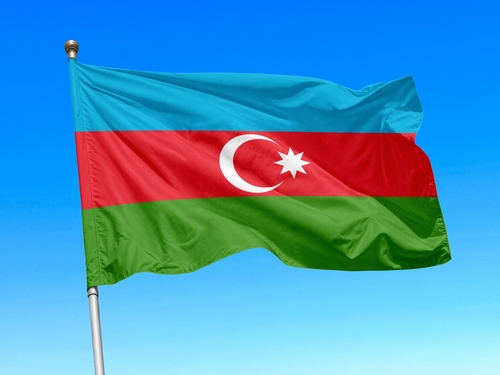
Azerbaijan commemorates the founding of the Azerbaijan Democratic Republic in 1918—the first secular democratic republic in the Muslim world. Although the republic was short-lived, the date remains a cornerstone of national identity. Celebrations include official ceremonies, concerts, and public events that honor the country’s independence, culture, and modern achievements.
Ethiopia (May 28)
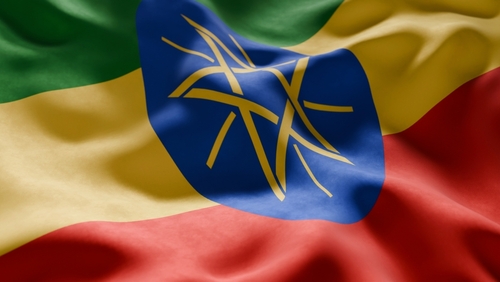
Ethiopia’s National Day, often referred to as Derg Downfall Day, marks the fall of the Derg regime in 1991. This moment ended years of authoritarian rule and ushered in a new political era. The day is observed with public gatherings, speeches, and cultural events that reflect on the country’s recent history and ongoing path toward stability and development.
How Holidays Affect Travel, Business & Banking

Global holidays significantly impact daily operations. Proper planning prevents unexpected delays.
In the United States, Memorial Day weekend is consistently one of the busiest travel periods of the year. Government offices, banks, and the stock market close on May 25. Postal services and standard shipping logistics are also suspended for the day.
International travel requires similar awareness. During religious observances like Eid al-Adha, businesses across the Middle East and parts of Asia close entirely or operate on reduced hours for several days. Major cultural holidays, such as Norway’s Constitution Day or Ascension Day in parts of Europe, also lead to closed banks, halted mail delivery, and modified public transport schedules. Reviewing local calendars before booking international trips or finalizing business deadlines will save you time and frustration.
Frequently Asked Questions (FAQs)
Why does the date for Eid al-Adha change each year?
Eid al-Adha follows the Islamic lunar calendar, which is about 11 days shorter than the standard Gregorian solar calendar. Because of this difference, the holiday shifts backward by roughly 11 days each year on global calendars. Exact dates are finalized close to the holiday based on official moon sightings.
Is Cinco de Mayo widely celebrated in Mexico?
No. In Mexico, Cinco de Mayo is mostly observed in the state of Puebla, where the historic battle took place. It is not a federal holiday. The widespread, festive celebrations associated with the day are largely found in the United States.
What is the difference between Memorial Day and Veterans Day?
Memorial Day (observed in May) specifically honors and remembers military personnel who died in the line of duty. Veterans Day (observed in November) celebrates and thanks all individuals who have served in the U.S. Armed Forces, both living and deceased.
What is Vesak and where is it celebrated?
Vesak is the most significant Buddhist festival. It honors the birth, enlightenment, and passing of Gautama Buddha. It is celebrated globally by millions of Buddhists, with prominent public observances and holidays in countries like Sri Lanka, Thailand, Indonesia, Malaysia, and Singapore.
Why are there so many awareness months in May?
May provides a natural transition period between spring and summer, making it ideal for community events, school programs, and public campaigns. As advocacy groups successfully petitioned for official recognition over the decades, May became a popular month to anchor national conversations about heritage, health, and history.
Plan Your May 2026 with Confidence
May offers a remarkable blend of reflection, celebration, and global connection. The month combines major U.S. civic observances with significant religious holidays and vibrant international festivals.
Understanding these dates allows you to navigate the month smoothly. You can respect workplace closures, plan travel effectively, and participate in cultural celebrations with genuine awareness. Mark these important dates on your calendar and enjoy a well-prepared, globally connected month.



