

Madagascar National Day is a powerful reminder of freedom and resilience. Every year on June 26, the country celebrates its official independence from French colonial rule. This holiday honors the courage of the people who fought for self-governance. It is a joyful time for national pride and reflection.
Madagascar has a completely unique cultural identity. The island nation blends diverse traditions, deep ancestral roots, and beautiful natural environments. The Malagasy people hold great pride in their shared heritage. This holiday offers an important opportunity to celebrate that rich background.
Communities across the island and around the world come together to observe this special day. You will find large parades, traditional music, and vibrant family gatherings. Learning about Madagascar National Day 2026 helps us appreciate the strength of the Malagasy people and the beauty of their culture.
What Is Madagascar National Day?
Meaning of Madagascar National Day
This holiday celebrates independence, sovereignty, and national identity. It marks the moment Madagascar became a free and self-governing nation. The day brings citizens together to honor their shared values and ancestral traditions.
When Madagascar National Day Is Celebrated
Madagascar National Day is observed annually on June 26. In 2026, this date will once again serve as the focal point for nationwide festivities and international cultural events.
Why the Holiday Is Important
The holiday encourages reflection on national history and freedom. It reminds younger generations of the sacrifices made for their liberty. Celebrating this day builds cultural pride and unites the Malagasy people across the globe.
The History of Madagascar National Day
Madagascar Under French Colonial Rule
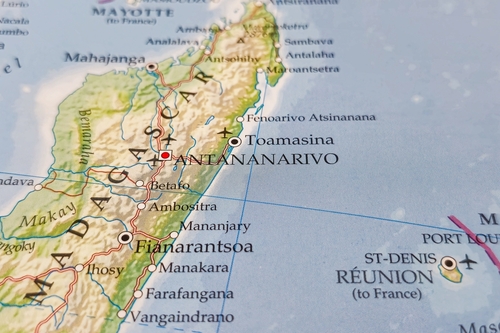
France colonized Madagascar in 1896. This period brought significant changes to the island’s political and social structures. The Malagasy people faced decades of foreign rule, which deeply impacted their traditional way of life.
The Road to Independence
The desire for self-governance never faded. Over the years, political movements and uprisings challenged colonial authority. Leaders and everyday citizens organized protests and demanded the right to rule their own land.
Independence in 1960
The historic push for freedom finally succeeded. On June 26, 1960, Madagascar officially gained independence from France. The peaceful transition of power allowed the country to establish its own republic.
Building a Modern Malagasy Nation
The early years of independence focused on building a new national identity. The government worked to unify diverse regions and ethnic groups. Today, Madagascar continues to develop its economy and political systems as a proud, modern nation.
Why Madagascar National Day Matters in 2026
Honoring the Struggle for Independence
We must remember the leaders and activists who fought for freedom. Honoring historical milestones keeps their legacy alive. It teaches future generations the value of sovereignty.
Celebrating Malagasy Culture and Identity
This day builds pride in Malagasy traditions, language, and heritage. It is a time to showcase the unique customs that make the island special. Cultural festivals help preserve these practices for years to come.
Reflecting on National Growth and Challenges
Madagascar faces ongoing challenges in economic development, education, and environmental protection. National Day is a time to discuss these issues. It encourages citizens to work together toward a sustainable future.
How Madagascar National Day Is Celebrated
Official Government Ceremonies
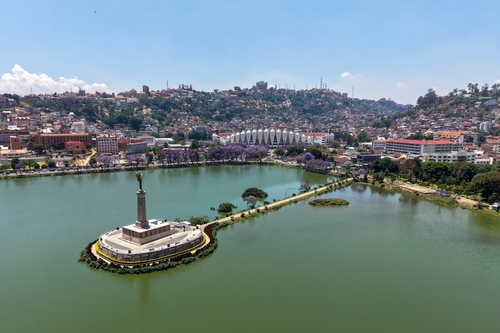
The government hosts large patriotic observances in the capital city of Antananarivo. You will see formal speeches by political leaders and impressive military parades. These events highlight the nation’s strength and unity.
Fireworks and Lantern Traditions
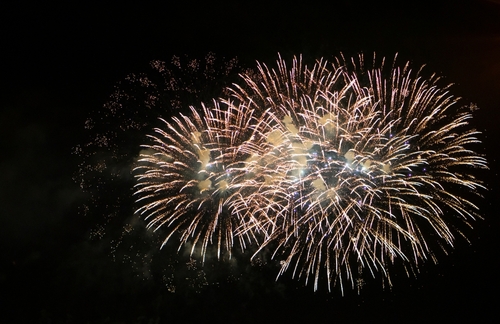
Evening celebrations light up the sky. Fireworks displays are very popular in cities and towns. Children often carry paper lanterns, known as “arendrina,” through the streets to bring joy and light to the evening.
Music, Dance, and Cultural Performances
Music is a central part of the celebration. Traditional Malagasy entertainment fills the air at community festivals. Performers showcase regional dances and play classic acoustic instruments.
Family Gatherings and Public Celebrations
Families gather to share meals and enjoy local festivities. Sharing food is a vital part of Malagasy hospitality. These public and private gatherings strengthen community bonds.
Malagasy Culture and Traditions
Malagasy Music and Dance
Traditional instruments, like the stringed valiha, create a distinct and beautiful sound. Cultural performances often feature energetic group dances. These artistic expressions tell stories of the island’s ancestors.
Traditional Food and Cuisine
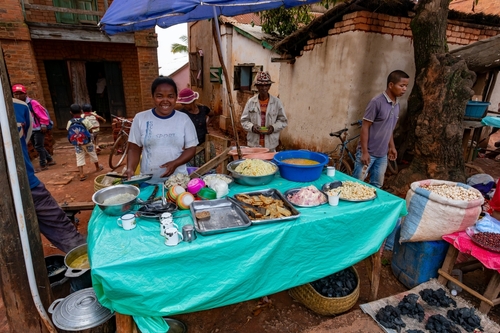
Malagasy cuisine is flavorful and deeply comforting. Meals often feature large portions of rice served with rich side dishes. Popular ingredients include fresh seafood, zebu meat, and tropical fruits.
Languages Spoken in Madagascar
Language connects the people. Malagasy is the national language and is spoken across the entire island. French also remains an official language and is widely used in business and education.
Art, Storytelling, and Cultural Heritage
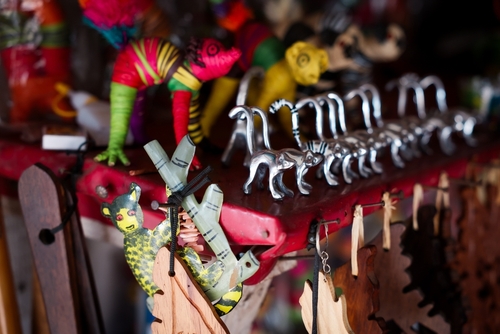
Handicrafts made from wood, raffia, and silk highlight local artistry. Oral traditions are also essential to the culture. Elders pass down proverbs and folktales to teach moral lessons and preserve history.
Famous Symbols and Features of Madagascar
The Madagascar Flag
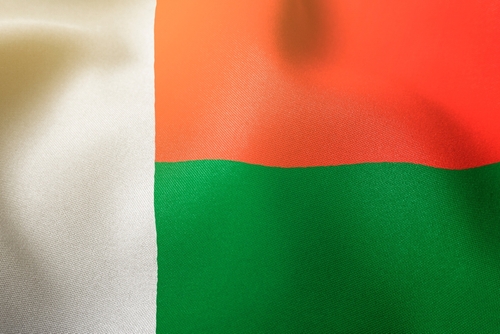
The national flag features three colors: white, red, and green. White represents purity, red stands for sovereignty, and green symbolizes hope and the country’s rich agriculture.
Unique Wildlife and Natural Landscapes
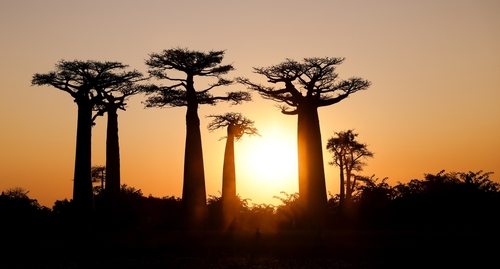
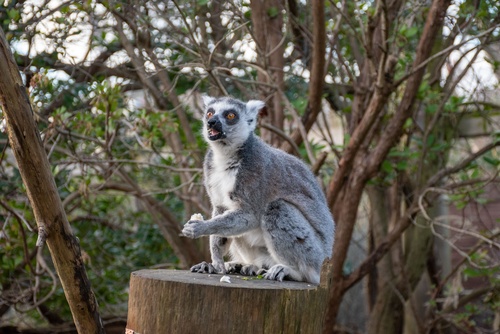
Madagascar is famous for its incredible biodiversity. The island is home to many unique species, including various types of lemurs. The towering baobab trees create some of the most recognizable landscapes in the world.
Historic and Cultural Landmarks
The country features several important historical sites. The Royal Hill of Ambohimanga is a UNESCO World Heritage site that holds deep spiritual significance. National monuments across the island honor the legacy of past kings and queens.
Madagascar National Day Celebrations in the United States
Malagasy Communities Abroad
Malagasy people living in the United States stay deeply connected to their roots. Communities organize cultural events and friendly gatherings around June 26. These events help expatriates feel close to home.
African Cultural Festivals and Educational Programs
Many cities include Madagascar in broader African cultural festivals. These programs offer excellent opportunities to learn about Malagasy traditions. They help share the island’s history with the American public.
Preserving Malagasy Heritage Across Generations
Families work hard to keep their culture alive abroad. They teach their children traditional food recipes, the Malagasy language, and ancestral music. Storytelling remains a powerful way to pass down this heritage.
Ways to Celebrate Madagascar National Day 2026
Learn More About Madagascar’s History
Education is a great way to celebrate. You can read books, watch documentaries, or explore educational resources online. Understanding the island’s history builds deep respect for its people.
Explore Malagasy Cuisine and Music
Try cooking a traditional rice and zebu dish at home. You can also listen to Malagasy artists on your favorite streaming platform. Engaging with the food and music is a fun and immersive experience.
Support Malagasy Artists and Businesses
Look for handmade crafts and sustainable products from Madagascar. Dining at a Malagasy restaurant is another excellent option. Supporting these creators helps strengthen their local economy.
Discover Madagascar’s Wildlife and Environment
The island’s ecosystems are incredibly fragile. You can celebrate by supporting conservation awareness programs. Eco-tourism education helps protect the natural habitats of lemurs and other rare animals.
Madagascar in 2026: Cultural and National Conversations
Environmental Conservation and Biodiversity
Protecting Madagascar’s unique ecosystems is a top priority. Deforestation and climate change threaten the island’s rare species. National conversations focus heavily on finding sustainable solutions to these environmental challenges.
Economic Development and Tourism
The country is working to balance economic growth with sustainability. Tourism provides vital income for local communities. Leaders aim to promote eco-friendly travel that respects the natural landscape.
Preserving Malagasy Traditions in a Modern World
Globalization brings new ideas, but it can also erase old customs. Citizens are discussing how to maintain cultural continuity. They want to embrace the future while keeping their ancestral traditions secure.
Why Madagascar National Day Still Matters
Preserving Historical Awareness and National Pride
Remembering the importance of independence is essential. The holiday keeps the nation’s history alive in the minds of the youth. It builds a strong foundation of national pride.
Celebrating Cultural Diversity and Heritage
Madagascar is home to diverse ethnic groups and regional customs. The national holiday brings all these unique elements together. It strengthens the overall Malagasy identity through shared traditions.
Encouraging Unity and Future Progress
National Day is ultimately about hope. It represents shared goals for national growth and sustainability. By celebrating their past, the people of Madagascar find the unity needed to build a brighter future.
Frequently Asked Questions (FAQs)
When is Madagascar National Day 2026?
Madagascar National Day 2026 is celebrated on June 26.
What is Madagascar National Day?
It is Madagascar’s national holiday commemorating independence from France in 1960.
Why is June 26 important in Madagascar?
June 26 marks the day Madagascar officially became an independent nation.
How do people celebrate Madagascar National Day?
Celebrations include parades, fireworks, concerts, cultural performances, ceremonies, and family gatherings.
What is Madagascar known for culturally?
Madagascar is known for its music, dance, storytelling traditions, cuisine, and unique cultural heritage.
What languages are spoken in Madagascar?
The main languages spoken are Malagasy and French.
What foods are associated with Malagasy celebrations?
Popular foods may include rice dishes, seafood, grilled meats, tropical fruits, and traditional Malagasy recipes.
Why is Madagascar famous for biodiversity?
Madagascar is home to many unique species, including lemurs and baobab trees, found nowhere else in the world.



