

June 30 marks a proud and historic moment for the Democratic Republic of the Congo (DRC). On this exact date in 1960, the nation officially gained its independence from Belgian colonial rule. In 2026, the country and its global diaspora will celebrate the 66th anniversary of this hard-won sovereignty.
This annual holiday serves as a powerful reminder of the country’s resilience, vibrant culture, and enduring community spirit. Citizens gather to honor the leaders who fought for freedom and to recognize the progress the nation continues to make. It is a time for reflection, joy, and unity among Congolese people everywhere.
Understanding the history behind this national holiday helps us appreciate its deep cultural significance. You can learn a lot about a nation by the way it honors its past. We will guide you through the origins of the DRC’s independence, the traditional ways people celebrate, and what this important date means for Congolese communities around the world.
The Path to Congolese Independence
The journey to independence for the Democratic Republic of the Congo was long and challenging. Understanding this history is essential to grasping the full meaning of the June 30 celebrations.
Early Colonial Rule
The region that is now the DRC was originally colonized in the late 19th century. King Leopold II of Belgium established the Congo Free State in 1885, claiming it as his personal property. This period was marked by severe exploitation of the region’s people and natural resources, particularly rubber and ivory.
In 1908, international pressure regarding human rights abuses forced the Belgian government to take official control. The territory was renamed the Belgian Congo. While the administration changed, the local population continued to face systemic inequality and strict colonial governance. Congolese people were largely excluded from political participation and higher education.
The Rise of the Independence Movement
Following World War II, a strong wave of anti-colonial sentiment swept across the African continent. The Congolese people began to organize and demand political rights. By the late 1950s, several political parties had formed to push for self-governance.
Patrice Lumumba emerged as a prominent leader during this time. He founded the Mouvement National Congolais (MNC) and became a passionate advocate for a united, independent Congo. Another key figure was Joseph Kasa-Vubu, who led the ABAKO party and advocated for the rights of the Bakongo people.
In January 1959, widespread protests broke out in the capital city of Léopoldville (now Kinshasa). The Belgian government realized that maintaining colonial rule was no longer possible. After a series of rapid negotiations in Brussels, Belgium agreed to grant the Congo full independence on June 30, 1960. Joseph Kasa-Vubu became the first President, and Patrice Lumumba served as the first Prime Minister.
How the DRC Celebrates Independence Day
Independence Day in the DRC is a national public holiday filled with vibrant cultural expressions. The celebrations are a mix of solemn remembrance and joyful festivities.
Official Ceremonies and Parades
The day usually begins with official government ceremonies in Kinshasa and other major cities. Political leaders deliver speeches reflecting on the nation’s history and future goals. These events often include military parades and a public raising of the national flag.
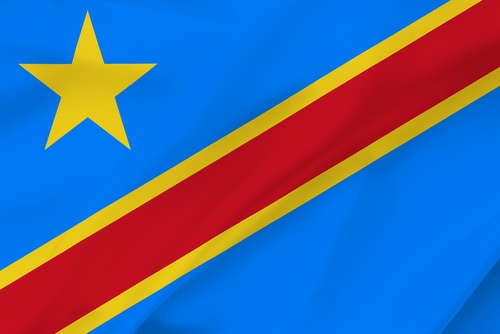
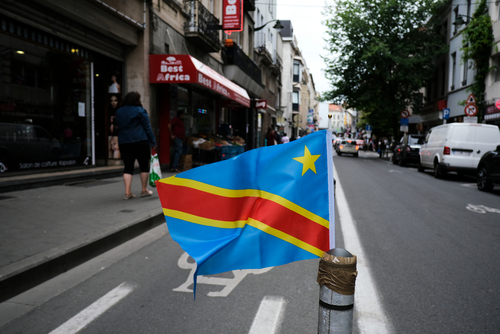
The flag of the DRC holds deep symbolic meaning. The sky-blue background represents peace. The red stripe signifies the blood shed by the country’s martyrs, while the yellow borders represent the nation’s wealth. The yellow star in the upper left corner stands for a radiant future for the country. Seeing the flag raised on Independence Day brings a strong sense of pride to the people.
Music and Dancing
Music is a central part of Congolese culture and plays a huge role in Independence Day celebrations. The DRC is famous for its influential music styles, particularly Congolese Rumba and Soukous. During the holiday, streets and neighborhoods come alive with music. Local bands play live concerts, and people dance to celebrate their freedom and cultural heritage.
One of the most famous songs associated with the country’s independence is “Indépendance Cha Cha” by Le Grand Kallé and l’African Jazz. This song was written in 1960 to celebrate the nation’s new freedom. It remains a beloved anthem that you will hear playing constantly during the June 30 festivities.
Family Gatherings and Traditional Food
Like many important holidays, Independence Day is a time for families and friends to gather. People host large meals at their homes, sharing traditional Congolese dishes. Preparing and eating food together is a way to strengthen community bonds.
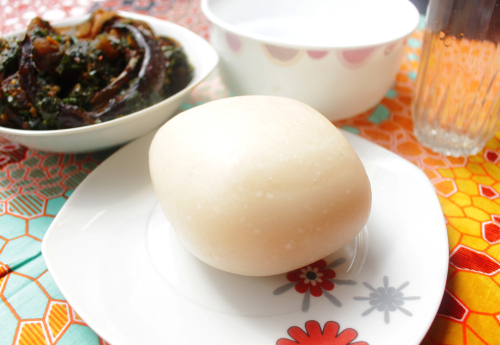
A typical celebratory meal might include dishes like fufu (a starchy dough made from cassava), pondu (a stew made from cassava leaves), and moambe chicken (chicken cooked in a rich palm nut sauce). Grilled fish and plantains are also popular additions to the holiday table. Sharing these familiar flavors helps keep cultural traditions alive for younger generations.
What the 2026 Anniversary Means for the Diaspora
Millions of Congolese people live outside the borders of the DRC. For the diaspora, Independence Day is a crucial moment to reconnect with their roots. The 2026 anniversary will see Congolese communities in Europe, North America, and other parts of Africa hosting their own celebrations.
These international events often include cultural festivals, educational workshops, and traditional music performances. They provide a safe and welcoming space for expats to celebrate their identity. It is also an opportunity to teach children born abroad about their heritage.
Frequently Asked Questions (FAQ)
When is the Democratic Republic of the Congo Independence Day?
The DRC celebrates its Independence Day every year on June 30. This date commemorates the country’s official independence from Belgium in 1960.
How old will the DRC be in 2026?
On June 30, 2026, the Democratic Republic of the Congo will celebrate its 66th anniversary of independence.
Who was Patrice Lumumba?
Patrice Lumumba was a key figure in the Congolese independence movement. He served as the first Prime Minister of the independent DRC in 1960 and remains a national hero and symbol of the fight for freedom.
Is Republic of the Congo the same as the Democratic Republic of the Congo?
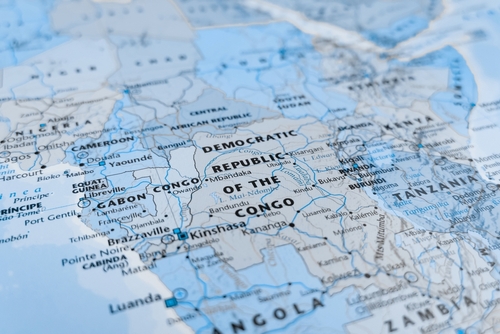
No. The Democratic Republic of the Congo (often called DRC or Congo-Kinshasa) is a large nation in Central Africa. The Republic of the Congo (often called Congo-Brazzaville) is a smaller, separate neighboring country. The DRC celebrates its independence on June 30, while the Republic of the Congo celebrates its independence on August 15.
Honoring the Spirit of the DRC
The Democratic Republic of the Congo Independence Day is a deeply meaningful holiday that honors the sacrifices of past generations. As the 2026 celebrations approach, citizens and diaspora members alike will prepare to celebrate their rich heritage and shared history.
Taking the time to learn about these cultural milestones helps us foster a more inclusive and understanding world. If you have Congolese friends or colleagues, wishing them a happy Independence Day on June 30 is a respectful way to acknowledge their heritage.



