Key Highlights
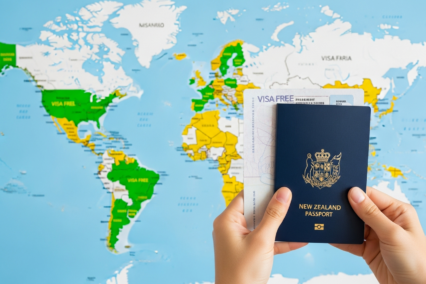
Here’s what New Zealand passport holders need to know before they go to Vietnam.
-
You must have a valid Vietnam visa. You can get it by filling out the e-visa application form or by visiting the embassy.
-
There are no direct flights, but you can book connecting flights with many big airlines to reach Vietnam.
-
For the visa, you need your passport. It must be valid for at least six months. You also need to fill in the visa application form.
-
Make sure you take out travel insurance. It should cover all you need it to before you leave.
-
When you plan, keep in mind you may need a visa approval letter. Also, check for the latest travel information and advisories.
Introduction
Are you dreaming about seeing busy street markets, stunning sights, and tasting amazing food? Vietnam is growing fast as a favourite spot for people in New Zealand to visit. You can go the busy streets of Ho Chi Minh City, or enjoy quiet natural spots, all in one trip. This easy guide will show you all you need to know for your Vietnam travel plans, like visa rules, how to book your flights, and ways to make your trip plans. Get ready to have a trip you will always remember!
Introducing Travel from New Zealand to Vietnam
More people from New Zealand are finding out how great Vietnam is. It is a gem in Southeast Asia, with lots of culture and amazing views. Getting to Vietnam from New Zealand is now easier, so it is a good and fun holiday spot.
It is important to know about the travel steps, including the visa requirements for New Zealand citizens. This guide will help you get ready for your visit, so everything goes well from your first plans to the end of your trip. We will talk about what makes Vietnam a great place to visit and what you need to sort out before you go.
Why Vietnam is Popular with New Zealand Travellers
Vietnam is a top place for travellers from New Zealand because there is so much to see and do. In the one trip, you get the old history, the bright buzz of city life, and a peaceful side with lots of nature. The country wakes up all your senses. You can smell tasty street food in Hanoi’s Old Quarter, then see the amazing rocks rising from the water in Halong Bay.
The trip won’t empty your wallet, and the local people are friendly, which makes it even better. It does not matter if you want excitement or just want to relax, you will get the best experience in Vietnam. Many Vietnam tours give you both culture and a great look at the beautiful places there.
Add these top places to your plan:
-
Ho Chi Minh City: This is a busy place filled with modern shops and real old traditions.
-
Hoi An: Known for its yellow buildings and streets where you do not see cars or bikes.
-
Halong Bay: This is a spot chosen by UNESCO for its amazing boat rides and huge cliffs.
-
Mekong Delta: You can see how people live on the river, which is very different and special.
Overview of Entry Requirements and Travel Considerations
If you have a New Zealand passport and want to go to Vietnam, it is important to know the entry requirements. Most of the time, you will need a valid visa to get in. You must also pick the right visa type for your visit, like a tourist or business visa. Some countries get a visa exemption, but this does not usually include New Zealand passport holders who plan a normal tourist trip.
You should get your travel papers ready before you head to the airport. Your New Zealand passport must be valid for long enough, and the details on your visa must match your travel plans. If you pick a single entry visa or a visa for more than one entry, that will depend on what you plan to do while you are there.
These are the main things most New Zealand passport holders will need to enter Vietnam:
-
A New Zealand passport that is good for at least six months from the date of entry.
-
A valid visa or an e-visa approval letter.
-
Proof you have travel plans to leave Vietnam, or a return ticket.
-
Sometimes, proof of where you will stay.
Essential Documents for Travelling to Vietnam
Before you go to Vietnam, you need to get all your important papers ready. This should be the first thing that you do. Every New Zealand passport holder must have a valid passport and the right type of visa before they travel. This makes sure you can get into Vietnam with no trouble.
The main things you need are your New Zealand passport and a visa. You can get your visa by filling in an application form. You should check that all your details on the visa application form, like your date of birth, are right. We will talk more about these steps below.
Passport Requirements for New Zealand Citizens
When you travel to Vietnam, your New Zealand passport is the most important thing you need. Make sure it is valid for at least six months from the date you plan to enter the country. Immigration staff at international airports in Vietnam will check the date of entry. So, it is a good idea to check that your passport will not run out soon.
You also need to have enough blank pages in your New Zealand passport. You must have at least one or two blank pages for the Vietnamese visa and for all the entry or exit stamps. Check your passport early so you will not get caught out right before your trip.
Make sure all your personal details are right. That means your full name and your date of birth must be correct and must match everything across all your papers like the visa application and flight tickets. If the details don’t match, you might have problems when you arrive in Vietnam.
Visa Types Available for New Zealand Travellers
New Zealand travellers can pick from a few visa types, based on why and how long they want to stay. For most people on holiday, a tourist visa is the choice. This is usually a single entry visa. It lets you go in and out of the country one time during a set time.
If you need to go to Vietnam more than once, or if you want to work there, you will need a different visa type. This could be a multiple-entry tourist visa or a business visa. These give you more options. They may also have different steps and rules to follow for the application process or for getting temporary residence.
There are visa exemption rules for people from some places. But most New Zealanders have to get a visa before they travel. The e-visa is the most used and easy choice for tourists. It can make the application process simple and fast.
Supporting Documents Needed at Vietnamese Border
When you get to the Vietnamese border, you will need more than just a valid passport. Having the right papers will help you get through immigration with no trouble. The key paper is your visa approval letter if you got an e-visa or plan to get a visa when you arrive.
This approval letter shows you have been given a visa. You must have a printed copy with you. Put it together with your passport and other important papers so you can get it fast after you get off the plane.
You should also keep these supporting papers with you to meet entry requirements:
-
Your visa approval letter (printed).
-
A finished entry or exit form (you may get one on the plane or at the airport).
-
Proof you have a ticket for another trip or plan to return, like a flight ticket.
-
Info about where you are staying.
Vietnam Visa Requirements for New Zealand Citizens
Figuring out the Vietnam visa requirements is an easy part when you plan your trip. The new zealand citizens often need to pick the visa type that is right for them, then fill in a visa application form either online or at the vietnamese embassy.
The processing time for your vietnam visa will change depending on how you apply. The e-visa is a lot faster, but sometimes you will need to go through the embassy for some visa types. Below, you will find ways that new zealand citizens can get a visa for Vietnam.
E-Visa Application Process
The e-visa is often the best way for New Zealanders to get a visa for Vietnam. The online application process is simple and efficient. You will need to fill out an application form, upload a digital photo of yourself and a scan of your passport’s data page, and pay the application fees online.
After submitting your application, the typical processing time is around three to five business days. Once approved, you will receive an approval letter via email. It is crucial to print this letter and carry it with you, as you will need to present it upon arrival in Vietnam.
Here’s a summary of the e-visa process:
|
Requirement |
Details |
|---|---|
|
Eligibility |
New Zealand passport holders travelling for tourism. |
|
Application Portal |
Official Vietnam Immigration e-visa website. |
|
Required Documents |
Scanned passport data page and a digital passport-style photo. |
|
Application Fees |
Paid online via credit or debit card. |
|
Processing Time |
Typically 3-5 working days. |
|
Approval |
Approval letter sent via email; must be printed for travel. |
Applying Through the Vietnamese Embassy
Another way to get a visa is to apply straight through the Vietnamese Embassy in New Zealand. This way can be needed if you are a passport holder who has to get a kind of visa that the e-visa does not cover. For example, a business visa or a visa for a longer stay.
To do this, you should fill the right forms, give your original passport with some photos, and pay the needed visa fee. The processing time for this is usually longer than with an e-visa. So, it is good to start the process well before the time you plan to travel.
The best way to know exactly what you have to do is by talking to the Vietnam Embassy in Wellington. They can give you the most current info on how to do your application, how much to pay, and how long it might take. You can also ask them about what you need for your kind of travel.
Visa Exemptions and Short Stay Options
Most New Zealand citizens will need a visa to visit Vietnam. But, there are some cases where a visa exemption could apply. These are for very short visits or if you will be in certain economic zones only. You need to know these visa requirements to see if they work for your own travel plans.
One main visa exemption is for trips to Phu Quoc Island. If you fly straight to Phu Quoc and stay up to 30 days, you might not have to get a visa. But, if you leave the island to go somewhere else in Vietnam, you will need to follow the normal visa rules.
Here are the main visa exemption points for New Zealand citizens:
-
Most people from New Zealand need a visa.
-
If you go straight to Phu Quoc Island, you can stay for up to 30 days without a visa.
-
If you are a transit passenger and you stay inside the airport’s international transit area, you do not need a visa while you wait for your next flight.
Make sure you know the latest information, as visa requirements for people from New Zealand can change.
Booking Flights from New Zealand to Vietnam
Finding good flights is an important part of planning your Vietnam trip. Right now, there are no direct flights from New Zealand to Vietnam. But many big airlines fly between New Zealand and major international airports like Hanoi and Ho Chi Minh City, with just one stop.
If you do a bit of research, you will find some good deals. You can also pick flights that fit your plans. It’s important to know which airlines to check and use smart booking plans to get the best prices. In the next parts, you will find more about your flight options and tips for booking.
Direct Flight Options and Major Airlines
Right now, there are no direct flights from New Zealand to Vietnam. But you can pick from many airlines that let you change planes just one time. This makes the trip easy to handle. You can land at two big international airports in Vietnam. These are Noi Bai (HAN) in Hanoi and Tan Son Nhat (SGN) in Ho Chi Minh City.
Lots of people like to fly with airlines such as Singapore Airlines, Air New Zealand (with partners), Cathay Pacific, and Malaysia Airlines. These flights often have a stop at places like Singapore, Hong Kong, or Kuala Lumpur. They are comfortable and you will get good service.
When it comes to booking, you may want to think about the total travel time, how long you will wait during the stops, and if you want to arrive first in Hanoi or in Ho Chi Minh City. This will help you make the best plan for your trip.
Connecting Flights and Transit Information
If you need to take connecting flights to Vietnam, you should know how the transit process works. Most layovers take place at well-known international airports in Asia. For example, you might stop at Singapore’s Changi Airport or at Hong Kong International Airport. These airports have lots of things to help you stay comfortable. There are good places to eat, sit and relax, or even shop while you wait.
When you book your trip, look at the layover time. If the layover is too short, you might get stressed trying to catch your next flight. On the other hand, a long wait can make you tired unless you want to go out of the airport for a bit. If you plan to leave the airport at all, make sure you know the visa requirements for that country. Most of the time, for a short stay, there will not be any problem with visas.
You should also check if your baggage will go all the way to your last stop. Most of the time it will, if you are flying on one single ticket. To avoid extra problems or any additional fees, the best way is to buy your whole journey on just one booking. This way, you will have smoother connections and fewer worries on your trip.
Tips for Securing the Best Airfares
Everyone wants to save money and lower their travel costs when they book flights. One good way is to be open with your travel dates. Flying in the middle of the week is often cheaper than going on a weekend. You can use flight comparison websites to see prices on different days. This helps you find the best deal.
The best time to book your tickets is usually a few months before you travel. This is even more helpful if you plan to travel during a public holiday or busy time. While you might get a last-minute offer sometimes, you will mostly find better prices and more flights if you plan early.
Here are some tips to help you get the best airfares:
-
Book your flights at least 2-3 months ahead of time.
-
Try to be flexible about when you leave and return.
-
Think about flying in the shoulder months like April-May or September-October when prices are lower.
-
Sign up for fare alerts from airlines and travel sites.
Planning Your Vietnam Trip – A Beginner’s Guide
Planning your first Vietnam travel adventure can seem like a big job, but it does not need to be hard. If you organise things well, you will get the best experience and set up a good plan for your trip. The main thing is to break everything into small steps, like choosing the best time to visit and making sure you get travel insurance.
No matter if you have years of experience seeing new places or this is your first big holiday, this guide is for you. We will take you through the important steps so you get ready for your journey, and make sure you do not miss anything before you go.
What You Need to Get Started (Resources & Essentials)
To start planning your trip, there are some things you need to have and do. Go online and look around for ideas. Use travel blogs, guidebooks, and official tourism websites. These can help you find out more about Vietnam tours and where to go. You will get useful ideas and the latest tips.
Before you book your trip, check your basics. Make sure your passport is a valid passport and will not run out soon. Look up the entry requirements for Vietnam. Knowing these important things will help you get ready for the rest of your travel planning.
Here’s a checklist of what you need to get started:
-
A valid passport with at least six months’ validity.
-
A rough idea of your travel dates and budget.
-
Access to online travel resources for research.
-
An understanding of Vietnam’s visa requirements.
Step-by-Step Guide/Process
You can make your Vietnam trip easy to plan by following some simple steps. When you take it step by step, you will not miss key things, like the visa application process or what to pack for your travel. Doing things in this way makes the trip feel less tough.
First, think about the big things. Work out when you want to go and how much you want to spend. Then, you can move to things like looking up places to visit and booking places to stay. Travel experts say this is the best way to use your time and get ready for your trip.
Every step helps you get closer to a good trip plan. If you take each thing on its own, you will feel ready and sure before you go. Now, you can begin with your first step: set your travel dates and how much you want to spend.
Step 1: Setting Your Travel Dates and Budget
The first thing you need to do when you start planning your trip is to pick the time you want to go and set your budget. The best time to visit Vietnam can change, because the weather is different in each region. The country has a dry season and a wet season, and these change from the north to the south. It is a good idea to look into the weather, so you can pick the best dates for the things you want to do.
Your budget will help you make many choices, like where to stay and how long you will stay. You should think about all your travel costs. This means counting the money for flights, visas, food, things you want to do, and shopping. Vietnam is a good choice if you want an affordable holiday, but having a set budget will make it easy to keep track of your money.
Here are some tips for planning:
-
Research the weather: In the north, it is cool and dry from November to April. In the south, it is hot and dry in the same months.
-
Create a budget: Work out how much you will spend each day and add bigger costs like flights and tours.
-
Look for deals: If you travel in the shoulder season, you can often pay less.
Step 2: Researching Destinations, Activities & Tours
After you have set up your time and budget, you get to the best part. Now, you find out what to see and do. Vietnam has many great places. Each has something special to give you. You could start your trip in Ho Chi Minh or in the culture-rich city of Hanoi. Then, you can see the natural beauty along the way.
Check out popular Vietnam tours and things to do. Think about what you want on your trip. Do you want to learn about history, try new food, have some adventure, or just relax? You might cruise through Halong Bay, explore Hoi An, or take a boat trip on the Mekong Delta. There are so many things to add to the plan.
Here are some places travellers love to visit:
-
Hanoi: Have a walk in the Old Quarter and see Hoan Kiem Lake.
-
Halong Bay: Go on an overnight cruise on a boat called a junk.
-
Hoi An: Wander the lantern streets and get clothes made just for you.
-
Ho Chi Minh City: Check out its historic sites and busy street life.
Step 3: Booking Accommodation and Local Transport
After you decide which places you want to visit, the next thing to do is book your place to stay and work out how to get around. In Vietnam, you will find many places to sleep. There are cheap hostels, mid-range hotels, and fancy resorts. To find the best way to compare prices and choices, use booking websites. These websites are good when you look for a place in the Old Quarter of Hanoi or near the sea in Nha Trang.
When you want to travel inside Vietnam, you get a few good options. Flying within the country is quick and makes it easy to move between big cities like Ho Chi Minh City and Hanoi. For not so long distances, overnight trains are a nice way to see the view. Buses can be a good choice if you want to save money.
If you are inside a city, many people use ride-hailing apps like Grab. It is a good and cheap way to move around. You can also try a cyclo for short rides in places where tourists go. A cyclo is a three-wheeled bike taxi. Try to sort out your main rides between cities before you go. This will help your trip go well.
Step 4: Preparing Travel Insurance and Health Precautions
Before you go overseas, the first thing to do is get good travel insurance. This will help if there is a medical emergency, your trip gets cancelled, or your bag goes missing. Make sure what you get will cover everything you plan to do and last for your whole stay.
You need to take care of your health, too. Go see your doctor at least a few weeks before you travel. Talk to them about which vaccinations you need for Vietnam. The doctor can also tell you more about staying safe from things like dengue fever, which comes from mosquito bites.
Here’s a checklist to help you get ready for health and travel insurance:
-
Purchase comprehensive travel insurance.
-
Consult your doctor about vaccinations (e.g., Tetanus, Hepatitis A).
-
Pack a basic first-aid kit with your own medicine if you need any.
-
Carry insect repellent to help keep mosquitoes away.
-
Keep a list of emergency contacts with you.
Step 5: Finalising Your Itinerary and Packing Checklist
The last thing you need to do is put all your plans together. Make a final travel plan and write a packing checklist. Your plan does not have to be strict. It is good to keep it open. List where you will go, places you have booked to stay, and things you want to do. But also leave some space for new things you might find along the way.
Make a packing checklist so you do not miss anything you need. Think about the weather and what you want to do. Try to pack less, because you might want to shop during your trip.
Here is a simple packing checklist to help you start:
-
Travel documents: valid passport, printed approved visa, flight tickets, insurance details.
-
Clothes that are light and good for hot weather.
-
One warmer piece of clothing for cold nights or if you go to the mountains.
-
Shoes that are good for walking and comfy.
-
Sunscreen, a hat, and bug spray.
Health & Safety Tips for New Zealanders in Vietnam
Staying healthy and safe is very important when you visit Vietnam. You need to know about local conditions and also take smart steps to protect yourself. This means you should always care for your health, understand possible security risks, and also know what to do if there is an emergency.
It is good to get all the needed vaccines. It also helps you have peace of mind if you follow general safety advice. Always make sure you have good travel insurance. Keep your emergency contacts close by at all times. The next sections will tell you more about health tips and safety information.
Recommended Vaccinations Before Travelling
Before you travel to Vietnam, it is best to talk with your doctor about which shots they suggest. There are no shots that you must have by law to get into Vietnam. But some are strongly suggested to help keep you safe. These often include your usual shots and some that are good to have when you travel in southeast asia.
Your doctor can look at your health and where you want to go. They will tell you what is best for you. Most people get shots for Hepatitis A and Tetanus. You might need other shots like Typhoid. This will depend on what you plan to do and where you will be.
As well as shots, take other steps to keep well:
-
Use insect repellent, mainly at dawn and dusk, to lower your risk of mosquito bites and getting dengue fever.
-
Drink water from bottles or make sure water is boiled, so you don’t get an upset stomach.
-
Watch out for food that is not clean, especially if it’s from street stalls.
Current Travel Advisories and Local Safety Advice
It’s always good to look at the latest travel tips before you leave. The New Zealand government’s SafeTravel website gives you up-to-date news on security risks and safety advice for Vietnam. This helps you know about any problems that may come up.
Most of the time, Vietnam is safe for people who visit, but like in any other place, you should still be careful. Small crimes, like people taking your bag, can happen in busy city spots. Keep things like money and phones close to you and watch what is going on around you. This is important in big markets or when you are on public buses and trains.
Here are some good local safety tips:
-
Be careful with traffic when you cross the street.
-
Talk about and agree on the cost before you get into a cyclo or a taxi if it has no meter.
-
Put your passport and your good things in a safe spot, maybe in the hotel safe.
-
Tell SafeTravel about your travel plan. This way, you can be found if there is an urgent problem.
This helps you handle security risks in Vietnam and keeps you safe during your travels from New Zealand.
Emergency Contacts and Embassy Information
If you have an emergency, you need the right contact details close by. Keep a list with local emergency numbers and the information for the New Zealand Embassy in Vietnam. When you find yourself in trouble, this will help you a lot.
The New Zealand Embassy sits in Hanoi. You can also find a Consulate-General in Ho Chi Minh City. Both are there to give help to New Zealand citizens in case you lose your passport or have a health problem.
Here are the main emergency contacts and details for the embassy:
-
Local Emergency Services: Police (113), Fire (114), Ambulance (115).
-
New Zealand Embassy, Hanoi: Level 5, 63 Ly Thai To Street. Phone: +84 24 3824 1481.
-
New Zealand Consulate-General, Ho Chi Minh City: The Metropolitan Building, 235 Dong Khoi Street.
Conclusion
Planning your trip to Vietnam from New Zealand can be a great adventure. You will get to enjoy the local culture, see lovely places, and try tasty food. Make sure you know about the main papers you need, Vietnam visa requirements, and other tips shared in this guide. This will help make the trip easy and stress-free. Take time to look up the places you want to visit and things you want to do. This way, you will get the best out of your time in Vietnam.
Put your health and safety first as you travel through this beautiful country. If you have questions or if you want help with your plans, you can talk to an expert. Good luck on your travels!
Frequently Asked Questions
What documents do I need for entry into Vietnam from New Zealand?
If you want to go to Vietnam from New Zealand, you must have a New Zealand passport. Make sure your New Zealand passport will be valid for at least six months. You also need a valid visa or e-visa approval letter. Sometimes, they may ask for proof that you plan to leave Vietnam after your trip.
If you meet these entry requirements and bring all your documents, you should get into Vietnam without trouble.
Are there direct flights from New Zealand to Vietnam?
No, there are no direct flights from New Zealand to Vietnam at the moment. But, many big airlines have easy one-stop flights to international airports in Ho Chi Minh and Hanoi. These flights make it simple for people in New Zealand to get to Ho Chi Minh City or other international airports in Vietnam.
What are the visa requirements for New Zealand citizens travelling to Vietnam?
New Zealand citizens need to get a visa before they travel to Vietnam. The best way for many is to use the online e-visa application process. You get a visa approval letter if your application is accepted. Make sure you pick the right visa type, such as one for tourism or business, when you apply.
How can I contact the New Zealand embassy in Vietnam during my trip?
You can reach out to the New Zealand Embassy in Hanoi or the Consulate-General in Ho Chi Minh City if you need help. Keep their phone numbers and addresses saved with your emergency contacts. They can give consular support to New Zealand citizens while you are on your trip in Ho Chi Minh City.