Moving money across borders can sometimes feel complex. You might need to support family living overseas, pay international tuition, or manage expenses in another country. Understanding how international transfers work can help you make informed decisions.
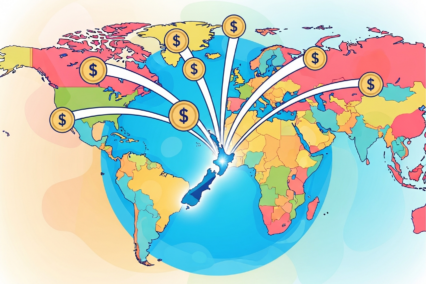
An international money transfer is a way to send money from New Zealand to a recipient in another country. The process, cost, and delivery time can vary depending on the provider you choose.
This guide explains international money transfers in simple terms, including how they work, common provider types, and factors that can affect cost and timing.
What Is an International Money Transfer?
An international money transfer is a transaction where money is sent from one country to another. These transfers typically involve converting one currency into another.
For example, you may send New Zealand Dollars (NZD), which are then converted into another currency such as Australian Dollars (AUD), US Dollars (USD), or Philippine Pesos (PHP), depending on the recipient’s location.
How International Money Transfers Work
While experiences may differ slightly between providers, the general process is similar:
Choose a provider
Select a bank or money transfer service.
Enter recipient details
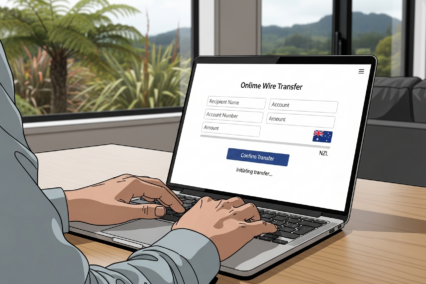
Provide accurate information such as the recipient’s name, bank account number, and any required routing codes (e.g., SWIFT or BIC).
Currency conversion
The provider converts your NZD into the destination currency using its offered exchange rate.
Fees may apply
Some providers charge a transfer fee and/or include costs within the exchange rate.
Delivery
Funds are sent through banking or payment networks and delivered to the recipient’s account or made available for collection. Delivery times can range from minutes to several business days.

Common Ways to Send Money Overseas from NZ
People in New Zealand typically use one of the following options:
1. Banks
Many banks offer international transfers through online or in-branch services.
Considerations: May include service fees and processing times that vary by destination.
2. Online Transfer Services
Digital platforms specialize in international transfers.
Considerations: May offer different pricing structures, delivery speeds, and user experiences depending on the provider.
3. Money Transfer Operators
Some services provide cash pickup options through agent locations.
Considerations: Useful when recipients do not use bank accounts; fees and exchange rates vary.
Money Transfer Fees Explained
The total cost of a transfer can include:
- Transfer fees: A fixed or variable fee charged by the provider
- Exchange rate differences: The rate offered by the provider may differ from publicly available reference rates
- Receiving fees: In some cases, the recipient’s bank may charge a fee
When comparing options, it can be helpful to look at the total amount the recipient will receive after all fees and conversions.
Exchange Rates: What to Know
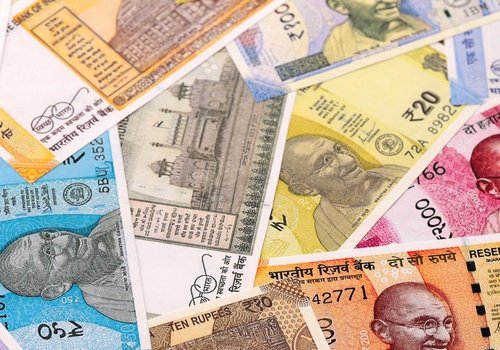
Exchange rates determine how much foreign currency your recipient receives. Rates change frequently and may differ between providers.
Publicly available reference rates (sometimes shown on financial websites) can be used as a comparison point, but the rate offered by a provider may vary.
How Long Do Transfers Take?
Transfer times depend on factors such as the provider, destination, and payment method.
- Some transfers may be completed within minutes
- Others may take a few business days
Additional verification steps may occasionally affect timing.
Is It Safe to Send Money Overseas?
International money transfers are typically regulated in New Zealand. Providers are generally required to follow measures designed to help prevent fraud and protect customers.
To help keep your money secure:
- Double-check recipient details
- Send money only to trusted individuals
- Use established and regulated providers
When Might You Need an International Transfer?
Common situations include:
- Supporting family members abroad
- Paying for overseas education
- Managing international business or freelance payments
- Travel or relocation expenses
Tips to Help Manage Costs
- Compare different providers before sending
- Review the total recipient amount, not just fees
- Monitor exchange rates if timing is flexible
- Consider how often you send money and associated fees
Frequently Asked Questions (FAQs)
What details are required for an international money transfer?
Typically: recipient name, address, bank details, and routing codes.
Can a transfer be canceled?
This depends on the provider and the transfer status.
Are there sending limits?
Limits vary by provider and transaction type.
Are there tax implications?
This depends on individual circumstances and local regulations. Consider consulting a qualified professional if needed.
Making the Right Choice
International money transfers can vary in cost, speed, and features depending on the provider. Reviewing your options and understanding how transfers work can help you choose a service that fits your needs.