Key Highlights
Here’s a simple look at what you will learn about remittances:
-
A remittance is a money transfer that someone sends when they work in another country. The money goes to help family or friends at home.
-
These funds are very important for people and the economies in many developing countries.
-
You can send money by using different remittance services like banks, money transfer companies, and apps.
-
There are many ways to send money. You can use a bank account transfer or use your debit card.
-
Always check transfer fees and exchange rates, because these can change how much money the person gets in the end.
Introduction
Have you ever needed to send money to your family or friends overseas from New Zealand? If you have, you have made a money transfer. This is what people call a remittance. It is a way to send money to someone, often in another country. Many people who work in other countries use it to help their families at home by sending money to them. Remittances are important for many families. They also help make the global economy strong because they connect people and money across borders. This guide will explain what a remittance is and how it works.
Understanding Remittance in New Zealand
In New Zealand, a lot of people use financial services for migrant remittances. They send money to help their families who live in other countries. People might use this money to pay for things at home every month. Or sometimes, they send it as a gift when there is a special day.
It is important to know how a money transfer works. You can send money from your bank account. There are other ways to send money too. Each way has a different way you need to follow. Here, we will talk about the basics of remittance, some key words you need to know, and how it is not the same as other money transfers.
What is a remittance?
At its heart, a remittance is a transfer of money from one person or group to another. While you can use this word for any type of payment, most people use it for money sent by someone working overseas to their family or friends at home. The word ‘remit’ means to send back.
This kind of money transfer is very important for millions of people around the world. This is a common way to get money, and global remittances make up a large movement of funds between countries. By 2019, it’s thought that around 800 million people around the world were getting payments like this.
The way this works is simple. The sender starts the transfer of money with a service that lets the person on the other end pick up the money overseas. These global remittances are usually done by electronic devices to keep your money safe.
Key remittance terms explained
When you need to make a money transfer, you may see some terms that are used often. Learning what they mean can help make this process easier for you.
These words tell you about the different steps of the transfer. They cover how you pay, who gets the money, and much more. When you know these terms, you can pick what is best for your needs. Take a look at some common words you might see:
-
Sender: This is the person who starts the money transfer.
-
Recipient/Receiver: This is the person who gets the money you send.
-
Exchange Rate: This is how much one type of currency is worth against another kind. This rate will decide how much local currency the recipient gets.
-
Remittance Services: These are companies, like banks or money transfer operators, that help with the transfer of money.
-
Payment Method: This means the way the person sending money pays. It could be from a bank account or with a debit card.
The difference between remittance and wire transfer
People often use “remittance” and “wire transfer” interchangeably, but they have distinct differences. A wire transfer is a specific type of electronic bank transfer that moves money from one bank account to another, often through a network like SWIFT. It’s just one way to send money.
In contrast, “remittance” is a broader term. It covers any money transfer, especially those sent abroad. A remittance can be sent via a wire transfer, but it also includes many other methods like money orders, prepaid cards, or online money transfer services. A key difference is that some remittance options don’t require the recipient to have a bank account.
Here’s a simple breakdown:
|
Feature |
Remittance |
Wire Transfer |
|---|---|---|
|
Definition |
A broad term for any money sent, usually abroad. |
A specific type of electronic transfer between bank accounts. |
|
Methods |
Includes wire transfers, online services, cash, cheques. |
Exclusively an electronic transfer between banks. |
|
Bank Account |
Sender and receiver may not both need a bank account. |
Sender and receiver must both have bank accounts. |
Why Do People Send Remittances?
The main reason people send money is to give financial support to a family member back home. Many migrant workers send part of what they earn to help pay for things like food, education, and healthcare for those they care about.
These funds are really important in developing countries. The money people send this way can often be more than what comes in from other sources. Now, let’s look at why people send this money and how much these transfers help families and communities that live far away.
Common reasons for sending remittances
People send money back to their home country for many different personal reasons. Most of the time, the aim is to give steady financial support. This helps family pay for their needs each day.
Sometimes, the need to send a money transfer comes up in special times. These can be things like a family event, a sudden health problem, or after a natural disaster when they need quick help. Sending money like this does more than just take care of family. It also helps the local economy in their home country to grow.
Here are some usual reasons people make a money transfer:
-
Supporting daily living expenses for family.
-
Paying for education or healthcare.
-
Sending a gift for a wedding, birthday, or graduation.
-
Contributing to bills back home.
-
Providing emergency funds after an unexpected event.
-
Investing in a small business or property in their home country.
The role of remittances in family support
Remittances give great help for direct family support. When a migrant worker uses a money transfer, the money often goes right to a family member. They can use it for things like food, rent, and home bills.
This kind of support helps families feel secure. It lets them think about the future. In many developing countries, money from someone in another country can mean the difference between being poor and having a better life. It can help children stay in school and gives families a chance to get better healthcare.
Now, different financial services make sending money much easier. With simple and fast money transfer options, people can send help to their loved ones quickly and safely. This makes family ties stronger, even when they live far away from each other.
Supporting communities abroad with remittances
The impact of remittances goes well beyond just helping one family. They give a lot of support to whole communities. When families get money, they spend it on things they need and on services in their area. This helps small businesses and can make more jobs.
In many developing countries, this kind of financial support is very important. Remittance flows often do more than people think. They can help pay for community work and make things like roads and buildings better. Many people working or living outside their home country send money back, and together, this makes a real difference from the ground up.
Remittances are not like big aid projects that go through many steps. This money goes right to the people who need it. People can use the money in a way that helps their own town or village. It is often steady and can be trusted more than some other types of money coming from outside because it gives a strong base for the community to grow.
How Remittance Impacts the New Zealand Economy
Remittance flows are not just about money going out of New Zealand. They also mean a lot of money comes into the country, too. These remittance inflows act like capital flows. They add to our national income and can be good for the economy.
Kiwis who work overseas send money home. But at the same time, people from overseas who work in New Zealand can get support from their families back home as well. In this section, we will look at the economic benefits of these money transfers. We will also check out some of the latest trends for remittance inflows and remittance flows in New Zealand.
Economic benefits of remittances
Remittances, whether they come into or go out of the country, can give New Zealand many economic benefits. Money sent into New Zealand, called inward remittances, helps build up the country’s foreign cash reserves. It also puts more money in people’s hands at home. People often spend or invest this money, and this helps with economic growth and supports gross domestic product.
When families have more money to use, they tend to buy more goods and services. This spending gives the economy a boost, though sometimes the change in gross domestic product is not very big. Having this extra income also means more people use financial services, like bank accounts, to manage such payments.
Outward remittances, where money is sent out of the country, also matter. The financial services industry that makes these payments possible is a key part of our economy. By giving safe and quick ways for people to move money, New Zealand stays linked with important parts of the world. This helps not only families but also builds up strong international ties, and supports our economic growth.
Remittance trends among New Zealanders
In New Zealand, money transfer trends show how our people come from many places and have ties overseas. Many people send migrant remittances from here to family in the Pacific Islands, Asia, or other parts of the world. These remittance flows mean a lot to families who get help in this way.
Right now, more people in New Zealand are choosing digital service providers for sending money. You can still use banks or money agents, but a lot of people now use online or mobile options. They do this because sending money with these digital ways can be quicker, cost less with lower fees, and give better rates.
The way remittance flows move can change with the economy in New Zealand and in the countries where money goes. At times when things get tough, like after a natural disaster, you often see more people send money. They do this to help friends, loved ones, and families get back on their feet.
The global significance of remittance flows
The impact of remittance flows in the global economy is huge. Groups like the World Bank say the money people send home to low- and middle-income countries often beats the amount these countries get from foreign direct investment and official development assistance.
For many countries, these private capital flows are the top way to get money from outside. In 2016, workers sent home a huge $601 billion. This shows that when people send money, their actions play a big part in how the global economy works.
Unlike foreign direct investment, which can go up and down, remittance flows stay more steady, even when the economy is not good. This makes them a strong support for millions, helping keep many countries going and helping families when times are tough.
Types of Remittance Services Available
When you want to do a money transfer, you will see there are many remittance services to pick from. The right one for you will depend on things like cost, how fast it is, how easy it is to use, and if the person getting the money has a bank account.
Each service provider gives you something different. For example, if you go with a bank, you get more security. On the other hand, if you use modern digital platforms, you often pay less and the money moves quicker. Down below, we will talk about some main financial services. This will help you work out which remittance services might be best for you.
Banks and credit unions
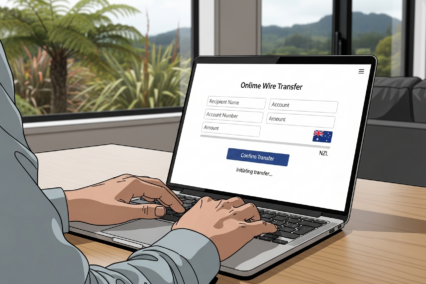
Using your own bank or a credit union is a safe and classic way to send money to another country. If you and the person getting the money both have a bank account, a direct bank transfer from one to the other can be easy. You can set this up by talking to someone at your local branch, or you can do it yourself online with your bank.
This way is very reliable as it goes through trusted financial services and networks. You will have a clear record of what you sent, and your money moves through a safe system. It’s a good pick if you care most about security and are not rushing to send it right away.
But, a bank transfer may be slower and can cost more compared to some other ways. This includes fees and the rates for changing money from one type to another. So, it’s best to ask your bank what it will cost before you use this way to send money.
Money transfer operators
Money transfer operators, or MTOs, are the companies that handle international money transfers. Well-known names like Western Union are a part of this group. Many people pick these money transfer services because they reach a lot of places in the world and let you send money in a few different ways.
A big benefit of MTOs is that you can use cash pickup. The sender pays in cash or by card. The person on the other end can pick up real cash from a nearby agent—often in just a few minutes. This is good if someone does not have a bank account or if they need cash right away.
Even though MTOs are fast and easy to use, you should watch out for transfer fees and exchange rates. These can sometimes cost more than other ways to send money. To get the best deal, it is good to check the total price with other choices before you send your money.
Digital wallets and online money transfer services
In recent years, digital wallets and online services for money transfer have become very popular. You can use these online services, either on websites or by using money transfer apps, to send money overseas from your computer or on your phone.
Companies that offer these money transfer services make it easier and often cheaper to send funds. You can pay for your transfer with your bank account, a debit card or a credit card. The person you send money to may get the cash straight into their own bank account or sometimes into their digital wallet.
These platforms usually have better exchange rates and lower fees than most banks. Card payments often go through at once, so the whole money transfer is quick and simple. This new way to send money also helps you see and track what you send, so you have more say in the process.
Step-by-Step Guide to Sending a Remittance from New Zealand
Sending a remittance payment from New Zealand can be easy when you know what to do. If this is your first time or you need a quick reminder, this guide will show you how to make a money transfer or transfer of funds from start to end.
To make sure your transfer of funds goes well, you need to be ready. This means you have to get the right details, pick the best way for your money transfer, and fill in all forms the right way. Let’s get started.
Information you need before sending money
Before you can start a transfer of funds, you need to gather some important details. Having all this ready will make things go faster. It also helps to stop any mistakes or slowdowns.
What you need to collect will change based on the service you pick, the bank account method, or where in the world you are sending the money. For example, if you send money straight to a bank account, the needed details are not the same as for cash pickup. Always make sure to check what you need for your way of sending money.
Here is a list of what you are likely to need:
-
Your recipient’s full legal name, just like it is on their ID.
-
Their address and phone number.
-
Their bank account details, like the bank name, the account number, and any branch or SWIFT codes if you are sending into a bank account.
-
The exact amount you plan to send.
-
Your own ID given out by the government for checking who you are.
-
The way you want to pay, like your debit card or bank account details.
Common methods to send remittance
You can use a few different ways to send money. The best way for you will depend on what you need. Think about things like speed, cost, and how easy it is to do.
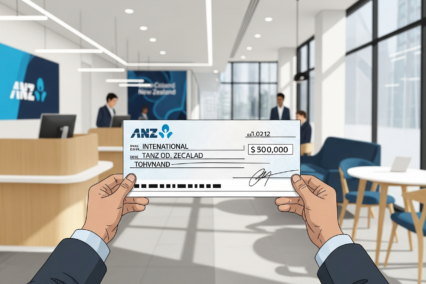
If you want to move a lot of money, a bank transfer or wire transfer can be a safe pick. But keep in mind, this may take more time. If you want something else, you might try a money order. But people do not use money orders as much now, and they can be slow. These days, people often go for online services for money transfer—they give you good speed and a fair price.
Here are some common ways people choose to send money from their bank account:
-
Online money transfer apps: You can use your phone to send money fast, and it is often cheap and handy with these money transfer apps.
-
Bank transfer: This is a safe way to make a money transfer from your bank account right to the other person’s account.
-
In-person agent: You can go to a place that does money transfer and pay with cash or a card.
-
Card payments: If you want, you can use your debit or credit card for card payments when you send money online or with an app.
How to fill out a remittance form correctly
No matter if you are using a paper form at a place with an agent or filling in an online form, it is very important to do it right. If you make a mistake, your transfer might be late, or go to the wrong person. It’s always best to check each detail twice before you send it.
In the form, you will be asked to give details for both the sender and the person who will get the money. You will also list the amount and where the money is going. When it’s for work, you may have to fill in an invoice number as well. Sometimes, in business, a remittance advice will go with the payment. This is used as proof of payment. Most people do not use this for sending money to friends or family, but it’s like a receipt.
Be sure you write the full name of the person who will get the money. Add their address and their bank account details if needed. Make sure you check the currency and the amount you want to send. When you finish, keep the receipt or the number that goes with the transfer. This will help you if you need to check where the money is, and it is your proof of payment.
Costs and Fees Involved When Sending Remittances
Sending money to another country is not always free. The remittance costs can change a lot, depending on who you use. It is good to know what you are paying for. The two main costs are the transfer fees you pay upfront and the small margin on the exchange rate.
Some services show low transfer fees. But they give you a bad exchange rate. This means there are hidden fees that take away from what your recipient gets. We will explain the usual charges you need to look out for. We will also give tips on how you can keep your remittance costs as low as you can.
Typical charges and hidden fees
When you make a money transfer, service providers can charge in a few ways. The easiest fee to spot is the upfront transfer fee. This might be a set price or a percentage of what you send.
But, there can also be a big cost in the exchange rate. Many service providers give you a rate that is not as good as the mid-market rate, which you can see on Google. They keep the difference for themselves. This is how high fees can add up without you knowing it.
To stay clear of unexpected charges, watch out for these costs:
-
Upfront transfer fee: This is a set fee or taken as a percentage for making the money transfer.
-
Exchange rate margin: This is the gap between what the provider gives you and the real mid-market rate.
-
Receiving fees: Some banks or agents might charge a fee when someone gets the money.
-
Payment method fee: There may be an extra cost if you use a credit card.
Knowing about these charges can help you pick the right service providers and lower high fees.
Exchange rates and their impact
The exchange rate is one of the main things that can change your remittance costs. It shows how much local currency your recipient will get when you send money. Even a small change in the exchange rate can make a big difference to the final sum.
When you send money from New Zealand, there is a currency conversion. Your New Zealand dollars are swapped to the local currency your person needs, like Fijian dollars or Indian rupees. The exchange rate you get comes from the transfer company.
A lot of providers do not use the true mid-market exchange rate. They may give you another rate that’s a bit higher, which means you end up paying more for your transfer. This can be a hidden cost. Always check the exchange rate you are offered against the real mid-market rate so you know how much you may be losing on the way.
Tips to minimise remittance fees
You can do a few things to get lower fees and make sure more of your money goes where you want it to. One of the best ways to do this is to look around and compare different companies each time you need to send money.
Try online services. They often have better prices for bank transfers than banks or face-to-face agents. Also, think about how you pay for the transfer. When you use your bank account to pay, the fees are often lower. Paying with a credit card can cost you more because both the transfer service and your card company might charge you extra.
Here are some good tips to help cut down on transfer fees:
-
Compare providers: Check online tools to see which services give you good transfer fees and rates.
-
Send larger amounts less often: It’s usually better to send a big transfer now and then, instead of many small transfers. Each send often comes with a fee.
-
Choose your payment method wisely: Bank transfers using your bank account are usually the cheapest way to pay.
-
Look for promotions: Some online services have fee-free transfers for new users.
These tips can help you use online services to save money and get your money where it needs to go without paying more in transfer fees.
Remittance Safety, Security, and Best Practices
When you send money to another country, making sure your transfer is safe is very important. The remittance industry is watched closely. This is done to stop things like money laundering and terrorist financing. Because of this, using trusted financial services is a good way to keep your money safe.
You have a part to play in keeping your money safe too. If you follow best steps, your money will get to your loved ones safely. You will also stay away from most scams. In this, we will talk about how you can check if a service is safe or not, and what you should or should not do when sending money.
Is sending and receiving remittance safe?
Yes, sending and getting a money transfer is usually safe if you use a well-known and trusted provider. Regulated financial services must follow tough rules to keep your money and personal information safe.
These rules are there to make sure each payment can be checked and tracked. This helps stop crimes like money laundering and terrorist financing. Using a formal money transfer gives you a safe way to make payments to other countries.
Most problems with money transfer happen when people use someone not regulated or try unsafe ways to send money. Scams can also be a risk. When you use banks, credit unions, or popular money transfer operators, your money transfer will be covered by strong security used across the industry.
How to ensure your transaction is secure
To make sure your money transfer is safe, you should choose a provider you can trust. A provider with a good name will be open about their fees. They have strong customer reviews and are licensed to offer financial services.
If you use online services or money transfer apps, you need to check for simple safety steps. The website should start with “https://”. The “s” shows the site is covered. You should make a strong password that is not the same as any other you use. Try not to send money when you are on public Wi-Fi, as it is not as safe.
Here is how you can keep your money transfer secure:
-
Use reputable providers: Go with banks or money transfer services that are well-known and licensed.
-
Verify the recipient’s details: Before you send money, check that you have the right name, address, and bank details.
-
Keep your transaction details private: Only you and the person you are sending to should know the transaction number or password. Don’t give these to anyone else.
-
Beware of unsolicited offers: Be careful with emails or texts that ask you for money or personal money info.
These steps will help you stay safe when you use money transfer services or any other financial services online.
Dos and don’ts for protecting your money
Following a few simple dos and don’ts can help you keep your money safe when making a remittance payment. It is important to take care and know what to look out for with a money transfer.
The most important rule is to send money only to people you know well and trust. Scammers sometimes make up believable stories and try to get you to send them your money. If something feels odd, it’s good to wait and check more before you move money.
Here are some key dos and don’ts:
-
Do use a strong, unique password for your online accounts.
-
Do double-check all the recipient’s details before you confirm the transfer.
-
Do keep your transaction receipt and reference number in a safe place.
-
Don’t send money to anyone you have not met in person.
-
Don’t share your bank account or card payment information in an email or on the phone.
-
Don’t answer any unexpected requests for a money transfer, even if it seems urgent.
Conclusion
To sum up, it is important for people in New Zealand to know about remittance if they want to help their family and others here or overseas. When you understand how remittance works, including the services you can use and what it will cost, you can make better choices. This way, your money gets to the right place safely and on time. Every remittance does not just help someone you care about—it also helps the country’s economy. If you want to get started or manage your remittance better, you can reach out for a free chat with us. Your support is important, and we are here to help you with everything about sending money.
Frequently Asked Questions
What is remittance advice and why is it important?
Remittance advice is a document that the payer sends to the payee. It tells them that the payment has been made. This is used as proof of payment and shows which invoices have been paid. You will often find this in business deals and people use it with accounting software. If you are sending money to someone for personal reasons, your receipt works the same way as remittance advice.
Can I automate regular remittance payments from New Zealand?
Yes, the bank account and online services let you set up regular payments. You can plan for the money to go out on the same day each month. This is a good way to make sure your family gets your help every time without you having to do anything extra.
How long does it take for an international remittance to be received?
How long it takes to get an international money transfer depends on who you use and the way you send it. If you send money to a bank account, it can take between 1 and 5 working days. When choosing cash pickup as your delivery method, using a money transfer operator is much faster. People can often get their money within minutes. Digital services are also fast if you want to send money overseas.