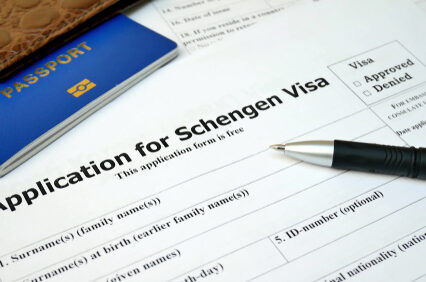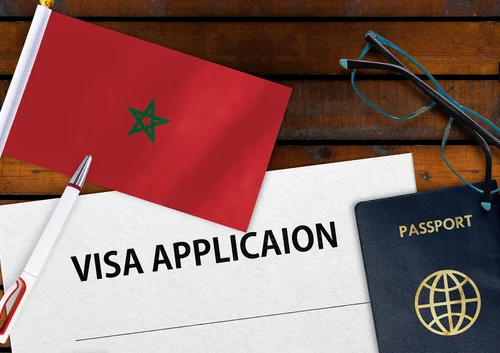
If you’re a UK passport holder, you don’t need a visa for tourism or short-term business trips to Morocco of up to 90 days. This Morocco visa UK guide covers when that applies, what you’ll need for longer stays, work or study, and what to expect at the border in 2026.
At Remitly, we know travelling abroad means juggling plenty of small details. This guide covers what you need to know for your trip to Morocco.

All the facts at a glance
- Full UK passport holders don’t need a Morocco visa if they’re visiting for fewer than 90 days
- Visits longer than 90 days for travelling, working, studying or any other reason require the appropriate visa
- Visa applications are made in person or by post to the Moroccan Consulate General in London
- You’ll need a passport valid for at least three months to enter Morocco
- If you’re in Morocco and want to stay longer than 90 days but don’t have a visa, you’ll need to apply for an extension at a Moroccan police station.
Do UK citizens need a visa for Morocco?
UK citizens do not need a visa for trips to Morocco that last up to 90 day if they’re travelling for tourism or short-term business activities. This is part of a bilateral arrangement between the UK and Morocco that has continued regardless of Brexit, so it applies to all UK passport holders. But if you’re going to work, study, or remain in Morocco longer than 90 days, you should obtain appropriate visas beforehand.
Morocco entry requirements: UK passports
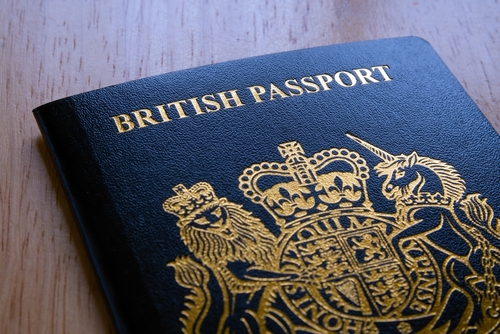
To enter Morocco, you’ll need a passport valid for at least three months after the day you arrive. You’ll also require a blank page for your entry stamp because border officials should stamp your passport on arrival. If your passport is close to expiry, renewing it through a fast-track service is worth doing before you travel. You should also make sure your passport isn’t damaged because travellers with damaged passports can be denied entry, according to the Foreign, Commonwealth & Development Office (FCDO).
Morocco visa types: when UK travellers do need a visa

Around 7.7 million tourists visit Morocco every year according to the Office National Marocain du Tourisme, and the majority of UK tourists don’t need a visa. However, if you’ll be staying longer than allowed by the Morocco 90-day rule for UK citizens, you’ll need to apply for a visa before travelling. Each of the scenarios below requires an application through the Consulate General of the Kingdom of Morocco in London at Diamond House, 97-99 Praed Street, Paddington W2 1NT.
Tourist / long-stay visa
The Morocco tourist visa for the UK is for citizens wanting to stay in Morocco longer than the standard 90-day period. There’s no e-visa or online portal for UK citizens — applications go directly through the Moroccan Consulate in London, in person or by post.
Work visa
A work visa is required for UK citizens taking up employment with a Moroccan employer. A signed employment contract is typically needed to begin the application.
Study visa
A study visa is required for UK citizens enrolled at a Moroccan university or language institute and an acceptance letter from a recognised institution is a standard requirement. It’s worth starting the process well before your course begins.
Family reunion
You’ll need a Moroccan visa from the UK if you’re reuniting with family in Morocco. You’ll need to provide supporting documents, such as a marriage certificate, birth certificate or adoption certificate.
Documents required for a Morocco visa application
This only applies if you’re applying for one of the visas above. It’s important to treat this list as a starting point and confirm the current checklist with the Moroccan Consulate because different visas have different document requirements.
For your Morocco visa application in the UK, you’ll typically need:
- An undamaged passport valid for at least three months after your arrival date, with blank pages for stamps
- A photocopy of your passport
- A completed visa application form from the Moroccan Consulate
- Two identity photos measuring 4x3cm in colour on a white background, showing your face clearly
- A document proving your home address
- Bank statements
- A return travel ticket
- Proof of accommodation, such as hotel reservations or invitation letters from Moroccan hosts
- Proof of travel insurance covering your stay
- Any visa-specific documents, such as a signed employment contract or an acceptance letter.
If your passport needs renewing or it’s been damaged or lost, find out how long it takes to get a new UK passport.
How to apply for a Morocco visa from the UK
As of 2026, there’s still no live e-visa portal for UK citizens, so applications need to be made in person in London or by post. The process for Morocco looks like this:
- Confirm which visa type applies to your trip: tourist/long-stay, work, or study.
- Gather the required documents, including your passport, application form, and supporting evidence.
- Submit your application to the Moroccan Consulate, along with the relevant fee.
- Wait for your application to be processed.
- Once approved, you’ll receive your visa to present at the border when you enter Morocco.
Visa fees are set by the Consulate and can change, so confirm the current fee for your visa type directly rather than relying on third-party estimates.
Entry requirements at the Moroccan border: what to expect

When you land in Morocco, border officials will check your passport and ask about the purpose of your trip. Having your return travel details, proof of accommodation and proof of funds to hand can make this quicker. You should make sure you aren’t travelling with anyone else’s passport as the FCDO says this might attract attention from the police, Immigration, Customs, or Border Officials.
Some travellers ask about ‘visa runs’ — leaving Morocco briefly and re-entering to reset the 90-day clock. Morocco doesn’t operate a formal reset like this, and officials can query repeated short trips that look like an attempt to work around the limit.
The FCDO notes that travellers should declare foreign currency of 100,000 Moroccan dirham or more (roughly £8,000) on entry or exit. Depending on your situation, it might be useful to transfer money instead of carrying cash.
Staying longer than 90 days: extending your time in Morocco
Overstaying your 90-day allowance can lead to fines, and in more serious cases, detention or a ban on re-entering Morocco.
If you need more time, the FCDO advises requesting an extension at a local Moroccan police station (Sûreté Nationale) or police headquarters (Préfecture de Police) before your 90 days run out. The police will tell you what documents will be required and how much you’ll need to pay.
Extensions aren’t guaranteed and are granted at local authorities’ discretion. Applying for a visa in advance through the Moroccan Consulate General remains the more reliable route if you know your trip will be longer than the visa-free allowance.
Frequently asked questions (FAQs)
Do UK citizens need a visa to visit Morocco?
No — Full UK passport holders can visit Morocco visa-free for up to 90 days for tourism or short-term business. You’ll need a passport valid for at least three months after your arrival date. Visas are only required for work, study, or stays beyond 90 days.
What happens if I stay in Morocco longer than 90 days?
Staying longer than your visa-free allowance without the right visa can lead to fines or, in more serious cases, detention or a re-entry ban. The FCDO advises requesting an extension at a local Moroccan police station before your 90 days expire if you’re unable to leave on time, though approval isn’t guaranteed.
What documents do I need to enter Morocco?
For visa-free stays, you’ll need a passport valid for at least three months after your arrival date, with a blank page for your entry stamp. Having proof of accommodation, onward travel details and available funds for the trip to hand can help at the border.
Can I work in Morocco without a visa?
No. The visa-free allowance covers tourism and short-term business only, not employment. If you’re taking up work with a Moroccan employer, you’ll need a work visa, which typically requires a signed employment contract and an application through the Moroccan Consulate.
Can UK citizens apply for a Morocco e-visa?
No. As of 2026, there’s no live e-visa or electronic travel authorisation system available to UK citizens for Morocco. Visa applications for work, study, or long stays for UK nationals need to be made either in person or by post to the Consulate.
Where do UK citizens apply for a Morocco visa?
UK citizens apply for a Morocco visa through the Moroccan Consulate in London, by making an appointment or sending the application and documents through the post. The Consulate can confirm the current application form, required documents, and fees for your specific visa type before you submit your application.
How do I contact the Consulate General of Morocco?
You can find the UK office of the Consulate General of the Kingdom of Morocco at Diamond House, 97-99 Praed Street, Paddington, London W2 1NT. You can call 08081681734 or email Cg.london@maec.gov.ma with queries.
Getting ready for your trip to Morocco
The 90-day visa-free window covers most UK visits to Morocco, and the Moroccan Consulate General is the way forward for work, study, or longer stays. It’s worth checking the FCDO’s Morocco travel advice again closer to your trip, since rules can change.
If you’re sending money to family while you’re away, or just budgeting for the trip itself, Remitly can help make the transfer straightforward, without needing to think about currency in the middle of your holiday.
Key takeaways:
- UK passport holders can visit Morocco visa-free for up to 90 days, for tourism or short-term business
- Your passport needs at least three months’ validity beyond your arrival date, plus a blank page for the entry stamp
- Work, study, or stays beyond 90 days require a visa from the Moroccan Consulate in London — there’s no e-visa option for UK citizens
- Overstaying can lead to fines or a re-entry ban, so it’s worth sorting the right visa before you travel rather than extending once you’re there.
Last reviewed: September 2026