

Key Highlights
-
Turkey has many types of land, so the weather can change a lot from the coast to the places inside the country.
-
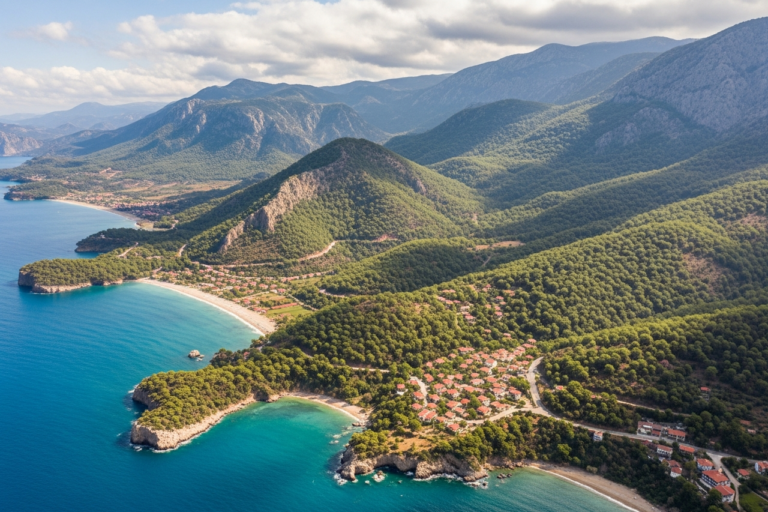
The southern and western coast areas have a Mediterranean climate. There are hot and dry summers, and also plenty of sunshine.
-
If you go into central Turkey, summer temperatures can get very high. Winters can get really cold and you may see a dusting of snow.
-
The climate in Istanbul is not the same as other places. The city sits by the Black Sea and the Sea of Marmara. Summers are warm and in winter, it gets cool and sometimes has snowy winters.
-
Antalya, a city by the coast, is great if you want to go on a summer holiday. If you want something new, go to Cappadocia. It has a continental climate and offers a fresh and different experience.
Introduction
Are you a Canadian who wants to visit Turkey? This beautiful country sits between Europe and Asia. It has so much to offer. You will find all kinds of experiences here, and the weather changes a lot from one place to another. Knowing what the climate is like will help you plan your trip better. Maybe you want sunny beaches or want to walk around old cities. This guide shares what you need to know about the weather in Turkey. It will help you pack your things the right way and have a good trip.
Overview of Turkey’s Climate Zones
Turkey is a big country, so the weather is not the same everywhere. There are the coast areas where winters are mild and rainy. Then, there are inland places where it gets much hotter or colder. So, what you feel outside can change a lot depending on where you go.
For example, the coast gets most of its precipitation, or rain, in the winter. Inland areas can have really hot summers. The winters there are cold enough that you may see a dusting of snow. Because the weather is so different across the country, Turkey is good to visit at any time of year. Now, let’s take a closer look at these regions.
Mediterranean and Aegean Coasts: Warm Summers, Mild Winters
If you visit cities on the western or southern coast, like Izmir or Antalya, you will notice a Mediterranean climate. The summers here are long, dry, and hot. There is plenty of sunshine, which is great for the beach. July brings days with lots of sun and is a good time for swimming or enjoying the coast.
The winters are mild but they can be rainy. There is more rainfall during this time, but the temperature stays comfortable. If you do not like crowds, this is a good season to come. Snow hardly ever happens here.
This mix of dry summers full of sun and rainy winters shapes how people visit the coastline. Many visitors from all over the world come to see Turkey’s beautiful coast because of this.
Inland Continental Regions: Hot and Cold Extremes
If you go to Central Turkey, including Ankara and Cappadocia, you will see a big change in weather. The summer temperatures can be very high and feel much hotter than the weather by the coast.
When winter comes, the climate is very different. It is normal for temperatures to go below freezing. There is also snow on the ground most of the time. The coast can have rainy winters. In Central Turkey, though, the winters are colder and there is less precipitation through the year.
Because of these changes, you will face extreme weather in some months. A day in summer can feel really hot. A winter day can be very cold. Both ways, it gives you a unique Turkish experience.
Popular Turkish Cities Explained for Canadian Travellers
For people from Canada, knowing what the weather will be like in the main cities of Turkey can help you plan your trip better. Places such as Istanbul, Antalya, and Bodrum are very popular. But the weather is not the same in each one. Antalya has high summer temperatures and hot days. Istanbul has more moderate weather because of where it is.
The humidity and the amount of precipitation are not the same in these cities, too. This will change the things you want to do in each season. In this guide, we look at the weather in Antalya, Istanbul, and Bodrum. This way, you can pick the best city and know the best time to go.
Istanbul vs. Antalya: Comparing Weather Patterns
When comparing Istanbul and Antalya, you’re looking at two very different weather profiles. Istanbul, straddling two continents, has a more temperate climate. Its summers are warm and sunny, but its proximity to the Black Sea can bring cloudy days and higher humidity. Winters are cool and can even bring snow.
Antalya, on the other hand, is on the Mediterranean coast and boasts a much hotter and drier summer. It’s a prime destination for those seeking sun, with very little precipitation from June to September. As climate change continues to impact global weather, these patterns can shift, but the fundamental differences remain.
To give you a clearer picture, here’s a look at the average monthly temperatures.
|
Month |
Istanbul Average High |
Antalya Average High |
|---|---|---|
|
March-May |
12°C |
21°C |
|
June-August |
24°C |
32°C |
|
September-November |
17°C |
25°C |
|
December-February |
6°C |
15°C |
Cappadocia and Central Turkey: Unique Weather Experiences
The weather in Cappadocia gives a one-of-a-kind experience. This place sits in central Turkey, where it has a continental climate. The summers bring hot and dry weather, while the winters turn cold with snowy winters. In the summer, lots of people come here. The clear skies, calm air, and warm summer temperatures are great for taking hot air balloon rides.
When winter comes, things change a lot. You may not see balloons in the sky because of icy weather, but the fairy chimneys look amazing with a dusting of snow on top. You need to wear warm clothes, because it can drop below freezing.
The weather in this area can be extreme. Summer temperatures get very high and, at times, strong thunderstorms come through. These dramatic shifts make the view in Cappadocia something special no matter what time of year you visit.
Essential Weather Tips for Visiting Turkey
To get the best out of your Turkish trip, you should be ready for the weather. The weather can change fast, mostly during the times when seasons switch. The Black Sea coast gets the most rain and is often quite humid. It is smart to check a good weather forecast before you go.
Weather forecasts in Turkey are usually right, mainly for big cities. But, you should take a look at the forecast right before you leave in case things change at the last minute. This will help you know what clothes to pack and the best way to plan your days.
What to Pack for the Turkish Seasons
Packing for Turkey depends on where you go and the time of year. Turkey has many different climates, so one list will not work for everyone. If you plan to be on the coast between June and September, the weather will have plenty of sunshine. Bring lightweight clothes. But if you go inland or to central Turkey, or come in colder months, you will need to wear more layers.
For trips to the coast from June to September, use clothes made from breathable fabrics. If you travel in winter, especially in central Turkey, bring warm layers. It can get cold and sometimes snow. For rainy winters on the coast, it is a good idea to pack a waterproof jacket.
Think about these must-have items, depending on season and region:
-
Summer (Coastal): Swimsuit, sunscreen, hat, and lightweight clothing.
-
Summer (Inland): Same as the coast, but add a light jacket because nights can be cooler.
-
Spring/Autumn: Layering is important. Pack sweaters, shirts with long sleeves, and a jacket that is not too heavy.
-
Winter (Coastal): Rain jacket, sweaters, and soft walking shoes.
-
Winter (Inland): Heavy winter coat, gloves, hat, and boots to stay warm and dry in snow.
Conclusion
To sum up, it is good to know about the weather in Turkey if you are coming from Canada. Turkey has many different weather types. The weather on the Mediterranean and Aegean coasts is warm, but it can get very hot or cold in the middle parts of the country. When you are in Istanbul, enjoying the sun in Antalya, or seeing the one-of-a-kind sights in Cappadocia, knowing what you’ll get with the weather helps you pack right and can help you plan what you want to do. If you want to start your Turkish adventure, you can always ask for help or some tips. Have a safe trip!
Frequently Asked Questions
When is the best time to visit Turkey for good weather?
The best time to enjoy good weather is in spring from April to June and in autumn from September to October. During these times, the summer temperatures are nice and not too hot. You will also notice dry summers with little rainfall, mostly in coastal spots like Antalya.
Where can I find official weather forecasts for Turkey?
The Turkish State Meteorological Service gives the most reliable weather forecast. You can also find a detailed 14-day forecast for cities like Istanbul on many international weather websites and apps. It is always good to check the forecast on a website you trust before you travel.
Does Turkey experience extreme weather conditions?
Yes, Turkey does get extreme weather. Central Turkey has hot summers, cold winters, and snowy winters where it is more than just a dusting of snow. Coastal places also have strong summer heat. Thunderstorms can happen, especially during seasons that change. Climate change is now making these patterns shift more.



