

Key Highlights
-
The Philippines has a tropical climate. The country is warm and humid in all months of the year.
-
People in the Philippines see two main seasons. There is a wet season from June to November. There’s also a dry season from December to May.
-
It is important to know about local weather conditions. Rainfall can change a lot from one area to the other. This happens across the whole country.
-
You should know that typhoons can happen, mostly in the wet season. Always look at weather forecasts and keep up with alerts.
-
Manila is the capital of the Philippines. It gets hotter and more humid than some other places, such as the Visayas.
-
To be safe, stay up to date on weather by using trusted forecasts like the ones from PAGASA. This way, you can enjoy your trip more.
Introduction
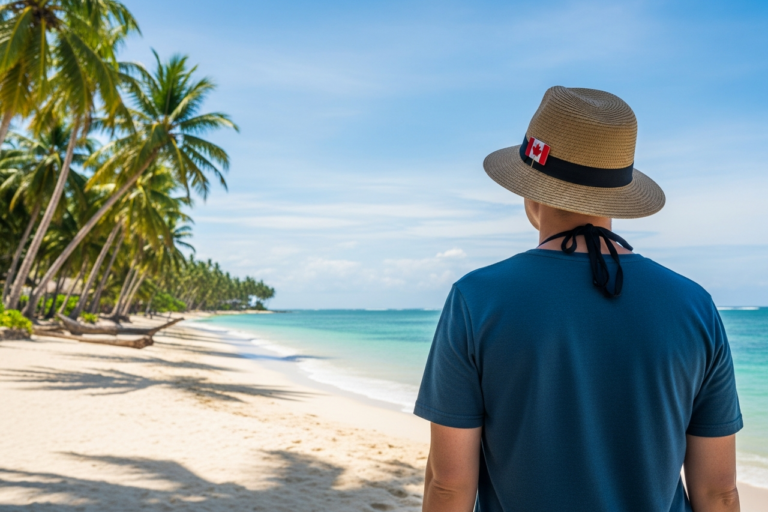
Are you a Canadian and want to visit the beaches in the Philippines? Going from snowy weather to sunny sand is big fun, but you need to be ready for the different climate. The air in the Philippines is warm and wet, not like the one in Canada. The weather conditions change a lot through the year, so it is good to know what is ahead. If you understand the local weather forecasts before you go, your trip will be better. This guide will show you what daily weather is like, and how it may change with the seasons. You will learn more by looking at local forecasts and weather patterns in the Philippines.
Overview of the Philippines’ Climate for Canadian Travellers
The Philippines has a tropical maritime climate. This means the weather conditions there are hot and humid almost all year round. At sea level, you will find that the temperature does not often go below 26°C, even at night. The humidity always stays high. This makes the air feel even warmer than what the number says.
Canadians should know that there will be a lot of precipitation. There is quite a bit of rainfall because it is a big part of the weather in the Philippines. The climate changes from place to place across the thousands of islands. So, knowing where you are and understanding these things is important. Let’s check out more about the tropical weather patterns and see how cities can be different.
Tropical Weather Patterns Across the Archipelago
The Philippines is a group of many islands. It gets many different weather conditions that change from one island area to the next. The country’s weather is mostly changed by how close it is to the equator. That makes the air warm most of the time, and there is a lot of humidity. Because of this, the weather can change fast in different places.
Rain, or precipitation, plays a big part in the country’s tropical weather. Some places will get strong rain for a short time. Other areas get rain for many days, mostly in the wet season. For example, Mindanao may get light or medium rain showers, but some other places stay dry.
This means that, at the same time, one part of the Philippines can have sunny weather, while another part can have a thunderstorm warning. To get ready for your trip, it is best to check local weather forecasts for where you want to go. This helps you know what weather conditions you might meet when in the Philippines.
Comparing Manila’s Climate with Other Philippine Cities
Manila, the bustling capital, often serves as the main entry point for travellers. Its climate is typically hot and humid, with temperatures frequently reaching the mid-30s Celsius. Weather stations in the city, like the one in Quezon City, provide real-time data showing high heat indexes and variable rainfall.
In contrast, other regions like the Visayas or parts of Mindanao may offer slightly different weather. For example, a thunderstorm advisory might be issued for Lanao del Sur in Mindanao, bringing moderate to heavy rainfall, while Manila is only expecting light showers. These differences are why checking localized weather forecasts is so important.
Here is a simple comparison based on potential weather scenarios:
|
Location |
Typical Weather |
Potential Rainfall |
|---|---|---|
|
Manila (Luzon) |
Hot and humid, clear to partly cloudy skies |
Light rain showers, thundery showers |
|
Cebu (Visayas) |
Warm and humid |
Varies, can be different from Manila |
|
Davao (Mindanao) |
Warm, can have localized thunderstorms |
Moderate to heavy rainfall during advisories |
Seasonal Changes and Typical Weather Conditions
Unlike Canada, the Philippines does not have four seasons. There are mainly two: the wet season and the dry season. You can expect different weather in each one. The dry season has more sun and not much rain. This is when many tourists want to visit.
The wet season is different. There is more rain, and storms can happen more often. Weather forecasts will also talk about more rainfall, stronger wind speed, and higher humidity. It is important to know about these two big seasons. This helps you plan what to do while you are in the Philippines.
Wet and Dry Seasons Explained for Canadians
For many people in Canada, they know spring, summer, fall, and winter. In the Philippines, people talk about just two seasons. The weather is not split into four. There is the wet season and the dry season. Each one has different weather patterns that people notice.
The dry season starts in December and lasts until May. When you visit during this time, there will be less rainfall. The humidity will be lower, and people see more sun. This is a good time to go to the beach or spend time outside. The hottest time of the year comes near the end, around April and May.
The wet season is from June to November. You will see more rainfall during these months. Weather forecasts often mention thundery showers and days with lots of clouds. Here is what to know about the seasons:
-
Dry Season (December-May): There is less rainfall and more sun.
-
Wet Season (June-November): People get more showers, and the humidity gets high. This is when most storms hit.
The weather in the Philippines is easy to follow with good forecasts, so people can feel ready in any month, from June to May.
Typhoons and Severe Weather Alerts in the Philippines
The Philippines is in the Pacific typhoon belt. This makes the country get a lot of tropical cyclones, or “bagyo.” The main typhoon season is from June to November, which is the wet time of year. You can see strong winds, a gust or two, and heavy rainfall when these weather events happen. They can cause problems for travel or daily life.
You need to stay up to date with any bad weather warnings when you are in the Philippines. PAGASA, or the Philippine Atmospheric, Geophysical and Astronomical Services Administration, checks the weather and tells people about any coming typhoon. Their updates will tell you about wind speed, rainfall, and the places that can get hurt by the storms.
Before your trip and while you are travelling, you should always check for new weather alerts. You can stay safe in these ways:
-
Watch PAGASA’s website and social media for news about typhoons.
-
Listen to local news and hotel staff for any warnings they can give.
-
Keep your plans easy to change, especially if you will travel in the top typhoon months like June.
With these steps, you can help make your trip to the Philippines safer during typhoon season.
Conclusion
To sum up, if you want to enjoy your visit to the Philippines, it’s good to know about the weather there. The country has a tropical climate, changes in season, and sometimes typhoons. If you know these things, you can be ready for your trip. Whether you plan to relax in Manila or go to other places, being prepared helps you get more from the trip. Make sure you pack the right clothes for the season you will be in the Philippines. If you want to see the beautiful places and lively culture in the country, book your trip now!
Frequently Asked Questions
Where can Canadians find reliable weather updates for the Philippines?
For the most reliable weather forecasts, go to the official PAGASA website. It gives you up-to-date info from weather stations all across the Philippines. You can also use sites like AccuWeather and BBC Weather for general forecasts. But PAGASA is the place to check if you want local advisories and warnings for typhoons in the Philippines.
How accurate are weather forecasts for Manila and other cities?
Weather forecasts for big cities like Manila are usually right for about one to three days. But because the weather here is tropical, things can change fast. Forecasts about rainfall are hard to get right because rain can happen in one area and not in another that’s close by. It’s good to check the latest updates from a few weather stations if you can.
What are the typical climate conditions Canadians should prepare for?
Canadians should get ready for hot and humid weather conditions all year in the Philippines. There is high humidity most days. During the dry season, you will see a lot of sunshine. In the wet season, there is a lot of rainfall and precipitation. Bring light and breathable clothes. Be ready for strong sun and quick rain showers.



