

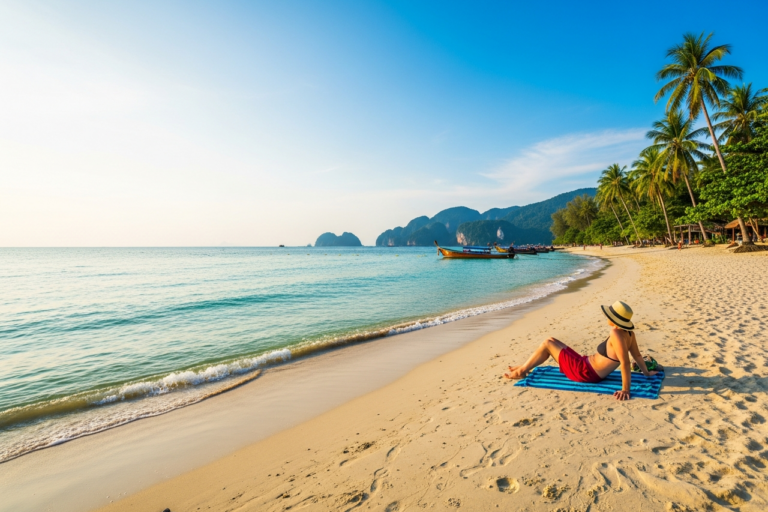
Key Highlights
-
Thailand’s weather changes across northern, central, and southern regions.
-
The best time of year to visit Thailand is the high season, from November to February. During these months, you will likely see clear skies and little rain.
-
The west coast near the Andaman Sea gets heavy rainfall from April to October because of the monsoon.
-
The east coast, near the Gulf of Thailand—including places like Koh Samui—gets its rainy season from September to December.
-
The hottest month across areas like Bangkok and Phuket is usually April. It comes right before the monsoon season.
-
Northern Thailand near Chiang Mai has cool and dry weather from October to January.
Introduction
Ah, Thailand. It has golden temples, busy cities, and good beaches. If you want to go there from Canada, you need to know about weather patterns. Thailand is warm all year. But, there are different seasons. You get hot, cool, and rainy weather. It’s best to know this. That way, you can pack the right things, set up your trip, and make the best of your stay in Thailand.
Understanding Thailand’s Climate: Key Facts for Canadians
Thailand has a tropical climate. There are mainly two seasons: wet and dry. Still, this is a simple way of looking at things because the weather is not the same in all parts of the country. There is a big difference in weather patterns when you talk about northern Thailand and the southern regions.
The air is usually warm, and there is a lot of humidity. When the rainy season starts and when there are clear skies will change based on where you are in Thailand. Let’s see how northern Thailand and the southern regions can be different, and find out what temperatures to expect.
Year-Round Weather Patterns and Regional Differences
Thailand does not have the same weather everywhere. The land is very different, so each part has its own climate. Most places in Thailand are hot and humid, but the south has a monsoon climate. The rainy season also changes from the east coast to the west coast.
In northern Thailand, it stays dry from November to May. The southern regions are not as simple. The west coast by the Andaman Sea gets a lot of rain between April and October.
For the east coast, which is along the Gulf of Thailand, it rains a lot from September to December. So, you will find that there is almost always a sunny beach in the south no matter what time of year it is. These changes in weather in each region are important to know when planning your trip.
Typical Temperatures by Season in Major Thai Destinations
Temperatures in Thailand fluctuate depending on the season and your location. The high season, from November to February, brings cooler, more comfortable weather, making it a popular time of year to visit.
As you move into March and April, the heat intensifies, with temperatures often soaring, especially in central areas like Bangkok. April is typically the hottest month across the country. Following the heat, the rainy season from May to October brings higher humidity and frequent downpours, which can offer some relief from the high temperatures. By November and December, things cool down again for the next high season.
Here’s a general look at average daily temperatures in major cities:
|
Destination |
Cool Season (Nov-Feb) |
Hot Season (Mar-May) |
Rainy Season (Jun-Oct) |
|---|---|---|---|
|
Bangkok |
26°C – 32°C |
30°C – 38°C |
28°C – 34°C |
|
Phuket |
26°C – 32°C |
30°C – 36°C |
25°C – 31°C |
|
Chiang Mai |
17°C – 26°C |
28°C – 38°C |
25°C – 32°C |
The Best Time to Visit Thailand Based on Weather
So, when should you go to Thailand? If you want nice weather, the high season from November to February is the best time of year. You will get clear skies, not much rainfall, and the air will feel cooler in most places. This is great for sightseeing or spending time at the beach.
But, the best time also comes down to what you want. If you do not mind some rain and you like fewer people around, you could like the shoulder months or even the low season. Let’s talk about what high season and low season really mean for travellers in Thailand.
High Season vs. Low Season: What to Expect
The high season in Thailand runs from November to February. This is a popular time for a good reason. The weather is great, with lots of sunshine and clear skies. Rainfall is low. The days are just right for spending time at the beach or exploring the cities. But this is also when there will be more tourists. Prices for flights and where you stay can go up during these months.
The rainy season, known as the low season, is from about May to October. Fewer people visit Thailand during this time. You will get some rainfall, but it usually comes as a short, heavy burst in the afternoon. After the rain, you often get sunshine again.
If you come in the low season, you can save money and will not face big crowds. The countryside in Thailand turns lush and green as well. April, May, and October are shoulder months. You get clear skies sometimes and a mix of the high and low season with okay weather and not too many people around.
Festivals, Holidays, and Weather Considerations for Canadian Travellers
When you plan your trip to Thailand, it can be fun to think about the holidays and festivals in the country. But you should also think about the weather. Some of the best events happen at certain times of the year. These might not be the times when the weather is best.
One big event is Songkran, or Thai New Year, which takes place in mid-April. April is the hottest month of the year. The water fight all over the country will help you cool off! Loy Krathong, the Festival of Lights, is in November when it is cool and dry.
Keep the weather patterns and main events in mind:
-
Songkran (Thai New Year): Happens in April at the height of the hot season. Be ready for strong heat and big water fights.
-
Loy Krathong (Festival of Lights): This is in November. The weather is cool and dry, and it is also the high season.
-
Rainy Season (May-October): There will be periods of rain, but you can see green landscapes and not as many people during many holidays.
Knowing about the high season and the rainy season in Thailand will help you plan well for your trip and enjoy your time at each festival.
Navigating Thailand’s Monsoon Seasons
Thailand has a rainy season called the monsoon. But you should not let it stop you from going. When it rains, the land is green and alive. There are less tourists, so you get more quiet. You need to know that the monsoon hits different parts the country at different times.
The southern regions have two separate monsoon patterns. The east coast gets rain at certain times, when the west coast stays dry and sunny, and then it changes. So, while one side gets periods of rain, the other side gets sun. Let’s look at rainfall patterns for the rainy season in Thailand, so you can make a good plan for your trip.
Rainfall Patterns and When They Occur
The start of the rainy season in Thailand changes depending on where you are. In the north and central areas, the rainy season usually begins between May and July. At first, the rain comes as quick but strong showers, often in the afternoon. As time goes on, the rain can get heavier and may last longer. The most rain often falls in August and September.
In the south, the pattern is not the same everywhere. The west coast, where places like Phuket and Krabi are, gets the most rain from May to October. The heaviest rainfall usually happens between the middle of September and the middle of October. That’s because the southwest monsoon affects this area.
On the east coast and near the Gulf of Thailand, including island spots like Koh Samui, the rainy season is a bit behind the west coast. Here, the monsoon comes later. Heavy rain can happen from September to December, with rain peaking in October and November. This means you can still find a sunny, dry beach at one end of southern Thailand when the weather is wet in other spots.
Tips for Travelling During Wet and Dry Periods
Travelling in Thailand is good any time of the year. The way you see the place can change between the rainy season and the dry months. When it is dry, you get lots of sunshine and little rain. This is the best time for relaxing on the beach or going out to explore. But, this is also when the most people come, so it might be busy everywhere.
In the rainy season, everything looks bright and green, and there are not so many people at the tourist sites. Most of the rain comes during the afternoon, so you can enjoy clear weather for the rest of the day. Showers can be heavy, but the rain does not usually last long. A bit of caution is good, since downpours can be strong. But do not let the talk of “rain” make you skip your trip to Thailand.
Here are a few tips to help you out:
-
Pack Accordingly: Bring a light rain jacket and put your devices in a waterproof bag if there is rain.
-
Stay Flexible: When it is wet, plan some inside things too. A cooking class or a museum can be good if it is raining.
-
Check Local Conditions: If you want to take a boat, ask first, because seas get rougher during the monsoon.
-
Embrace the Weather: A warm shower now and then can feel nice as it cools you off from the humidity.
What to Pack: Weather Essentials for Canadians in Thailand
When you pack for thailand, take light clothes with you. the weather there is hot and full of humidity, so you will want to wear loose clothes that will let air in. Even if there is rain at that time, the air stays warm, so you do not have to wear thick clothes. your bag should have things that keep you cool, dry, and safe from the sun.
try to dress for both the weather and what people expect at thailand. if you go to temples, you must have clothes that cover your shoulders and knees. Now let’s go into what you need for the heat, humidity, and sometimes rain.
Packing for Heat, Humidity, and Rain
Packing for Thailand means thinking about the heat, humidity, and rainy season. It’s best to pick fabrics that are light and can breathe, like cotton, linen, or rayon. These types of clothes will help you stay cool and feel comfortable with all the humidity.
When it is the rainy season, you don’t need a warm coat. A simple, light rain jacket or a poncho will be enough for the quick and heavy rain. You should also pack shoes that do well in water, such as sandals that keep water out or flip-flops.
Here are some important tips about what to pack for Thailand’s humidity:
-
Lightweight Clothing: T-shirts, tank tops, shorts, and dresses for hot days will work well.
-
A Light Rain Jacket: Pick one that lets your body breathe so you don’t get too warm.
-
Quick-Dry Fabrics: These are ideal for wet weather and sticky air.
-
Temple Attire: Bring a long skirt, pants, and a scarf or shawl to cover up your shoulders when you visit temples.
Sun Protection and Staying Comfortable Outdoors
The Thai sun can be very strong, even when there are clouds in the sky. You need to be careful and protect yourself from the sun when you are outside, especially if there are clear skies. Do not forget how strong the tropical sun is, and how harsh it can get during the middle of the day.
It is just as important to drink enough water as it is to look after your skin. The heat and humidity will make you sweat more, so drink lots of water all day long. If you want to do something active outside, try doing it in the early morning or late afternoon, not at the hottest time of day.
Make sure you have the right things with you:
-
High-SPF Sunscreen: Take water-resistant sunscreen with high SPF. Use it well, and put it on again many times through the day.
-
Protective Gear: Wear a wide-brimmed hat and sunglasses to protect your face and eyes.
-
Reusable Water Bottle: Keep yourself hydrated and cut down on plastic by using your own bottle and filling it often.
Regional Weather Highlights: Beaches, Mountains, and Cities
Thailand’s weather is not the same in all places. If you go to the mountains in the north, around Chiang Mai, winters are cooler and the air feels fresh. In Bangkok, the city gets hot. The southern beaches get rain at different times. The weather can change based on if you are on the Andaman Sea or the Gulf of Thailand.
These changes in weather are good to know for your trip. Understanding how the climate is on the coasts, in the north, and in the cities will help you pick when and where to go.
Comparing Coastal, Northern, and Urban Climates
The weather in Thailand changes a lot from the coasts to the mountains. Up in northern Thailand, around Chiang Mai, you will see more changes in the weather. Winters from November to January can be pretty cool, especially in high places. Summers get hot and there is a clear rainy season after that.
In cities like Bangkok, the air feels hotter. This is because of the urban heat island effect, which means high temperatures and a lot of humidity all year. Bangkok still gets the same three seasons as the rest of the central area. There is a hot time, a rainy season, and then a winter that is just a little cooler.
On the coasts, the weather is a bit more mixed up. The west coast, where you find places like Phuket, gets the most rain from May to October. The east coast along the Gulf of Thailand, including Koh Samui, has its rainy season a bit later—from September to December. Because the rainy seasons are not at the same time, you can always find a sunny beach somewhere in Thailand.
How Weather Impacts Activities Across Thailand
The weather in Thailand can change what you do while you are there. During the dry part of the high season, it’s great for things like beach-hopping, snorkelling, and diving. The sea is calm and clear on the west coast, so these activities are safe and fun.
But during the rainy season, or monsoon, some things get tougher. On the Andaman coast, the seas are high, and sometimes boat trips get cancelled. Some small islands might even close for a while. Still, some of the best things to do are found at this time. The air is fresh, the fields and trees are green, and waterfalls are full and more beautiful. It’s the best time for seeing more plants, rainforests, and big waterfalls.
Here’s what the weather means for your plans:
-
Diving/Snorkelling: The best time is the high season. Seas are calm, and you can see well under water.
-
Jungle Trekking: The rainy season is a great time for this. Forests are green and pretty, but it can be muddy, so be ready.
-
Festivals: Some big festivals, like Songkran in April and Loy Krathong in November, happen in different seasons, giving you cool cultural events.
Accessing Reliable Weather Forecasts While in Thailand
When you are in Thailand, you will notice that the weather can change fast, mostly during the rainy season. To plan your days, the weather forecast is helpful. There are long-term forecasts that give a rough idea, but you get a better plan for your day when you use short-term updates. These can give you what you need every day.
You can use international apps like AccuWeather and get good results. But, looking at news from local places is smart too. If you can read these weather forecast updates, you will get the most from your trip. This helps you in Bangkok or even if you are on any faraway island in Thailand.
Recommended Canadian and Thai Forecast Sources
For planning your trip from Canada, it helps to use the weather forecast from services you know. Websites and apps let you check a 7-day or 10-day forecast for big cities like Bangkok. This way, you can see what the temperature will be and if there might be rain on Tue, Wed, or Fri. It gives you a good idea of the weather patterns to expect in Thailand.
After you land in Thailand, you can get more detail from local sources. The Thai Meteorological Department (TMD) is the main place for updates, but their website may need a translation tool. This lets you get more from their information without worry.
For easy and reliable weather updates, here are some good choices:
-
AccuWeather and The Weather Network: These apps are trusted by many people, and they will show forecasts for the top Thai places you might visit.
-
Google Weather: You can just type “weather in Bangkok” into Google. The site gives you a simple, clear weather forecast for the week ahead.
-
Hotel Staff and Tour Guides: These people work every day in Thailand, so they know what the weather is doing. Ask them if you want info for the day.
All of these do a good job keeping you ready for weather in Thailand.
Tips for Interpreting Local Forecasts and Updates
Interpreting a weather forecast in a tropical place like Thailand needs a different way of thinking. If the forecast in the rainy season shows a high chance of rain, it does not mean you will lose the whole day. Most of the time, this means there will be a heavy but quick rain in the afternoon.
Short-term forecasts, like those that show the next 24-48 hours, are usually more reliable than longer ones. Be careful with a 10-day forecast, because things can change fast. Focus on the hourly details. This can help you plan your day around the expected rainfall.
Here are a few tips to help you understand the local weather forecast:
-
Look at the Percentage: When you see a 60% chance of rain, it is likely you will get a short shower, and not rain the whole day.
-
Timing is Key: It is common to see forecasts calling for “afternoon thunderstorms”. Try to do outdoor things in the morning.
-
Trust Your Eyes: Sometimes, the best way to figure out the weather is just to look up. If you see dark clouds coming, you should get inside.
Conclusion
If you are from Canada and want to visit Thailand, it’s good to know what the weather is like there. Thailand has a mix of climates. There are warm, tropical beaches and cooler mountain areas. You should learn about how the seasons change, how much rainfall there is, and how the temperature goes up and down.
Bring the right clothes with you. Thailand can be very hot and humid. It can also rain, so you’ll want to be ready for that. Knowing the best time to visit will help you avoid bad weather. This makes your trip more enjoyable.
Go and explore the lively culture and beautiful places in Thailand. It helps a lot to be ready for whatever the weather may be. If you want more tips or help planning your trip, just ask!
Frequently Asked Questions
When is the hottest time of year to visit Thailand?
The hottest time of year in Thailand is usually April. This is right before the monsoon comes in and changes the weather patterns. At this time, it can get very hot. The temperatures often go above 40°C in the middle and north of Thailand. This makes it hard for people to be outside, but it is also when the Songkran water festival takes place.
Does Thailand’s weather affect flight and hotel prices?
Yes, the weather in Thailand has a big effect on the prices. In the high season, from November to February, the weather is at its best. This is when flights and hotel prices will be their highest. If you go during the low season, when it rains a lot, you will see lower prices and there will be fewer people around.
How accurate are short-term weather forecasts in Thailand?
Short-term weather forecasts are good in Thailand. You can trust the 24 to 48 hour predictions. AccuWeather is helpful for checking what it will be like in Bangkok. It gives hourly updates. This helps people make plans, especially with the heavy rain that can happen for a short time in the tropics.



