

Key Highlights
Here’s a quick look at what you can expect from the weather in Switzerland:
-
The weather in Switzerland is moderate. That means there is not a lot of heat, cold, or humidity. This makes it good for travel.
-
Weather conditions are very different in the Alps than they are down in the plains.
-
In summer, the temperature will usually be between 18°C and 28°C. In winter, you can expect it to be from -2°C up to 7°C.
-
You may get some precipitation and even evening thunderstorms during the warmer months.
-
Always check for weather alerts because things can change fast. This is important if you are in the alpine areas.
-
Pack layers when you travel here, like a sweater and a light raincoat, any time of year. This way you can adjust if there is sunshine or rain showers.
Introduction
Are you planning a trip from Canada to Switzerland? If yes, it is good to know about the weather there. Switzerland is famous for its beautiful views, but the weather conditions can be very different from what you are used to in Canada. When you know more about the climate, it will help you pack the right clothes. You want to be ready for anything. You might get to enjoy bright sunshine on a mountain top, or sit in a cozy café during an afternoon shower. So, be ready for the Swiss weather.
Regional Weather Differences in Switzerland
You may be surprised by how much the weather changes from place to place in Switzerland. The country has so many different kinds of land. You can get many kinds of weather in a short distance. Things like how high up you are and where you are in the country affect the weather conditions a lot.
There are snow on the high mountains but the low areas can be much warmer. The amount of precipitation, how often there are thunderstorms, and the humidity all change from one area to another. Knowing these differences in Switzerland can help you plan what you want to do, like hiking in the hills or checking out a city. Here are some examples of how weather can be different in these areas.
Weather in the Swiss Alps vs. Lowlands
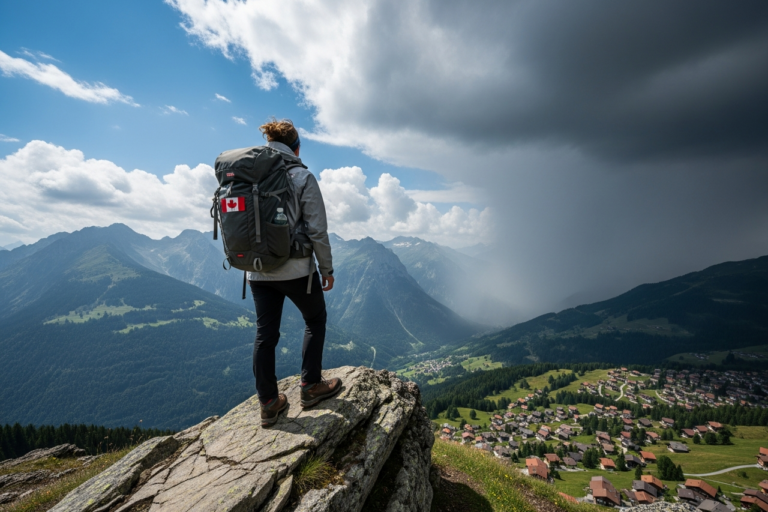
The biggest weather difference in Switzerland is between the Swiss Alps and the lowlands. The Alps are much higher, so the weather there is not the same. In the Swiss Alps, you get colder days for most of the year. Snow lasts longer, and sometimes it stays on the ground until spring. The weather is not steady. One moment you might see clear sunshine, and then there could be sudden snow or rain.
The lowlands, where most big cities sit, feel a bit different. These spots in Switzerland have warm summers and winters that are not so cold. While the mountains might have snow, the lowlands can be like a nice spring day.
No matter where you go in Swiss places, you should get ready before you leave. The level of precipitation can go up or down, and you may see fast changes in alpine regions. The best way to dress is in layers, so you can adjust when you move from one area to another. This keeps you comfortable as you explore.
Climate variations between Zurich, Geneva, and Lucerne
Even within the Swiss lowlands, the weather conditions can differ from city to city. Zurich, Geneva, and Lucerne are all popular destinations, but each has its own climatic nuances due to their specific locations. For instance, cities near large lakes, like Geneva, might experience slightly different humidity levels or wind patterns.
These variations are typically subtle but can influence your daily plans. For example, one city might have a higher chance of precipitation on a given day, while another enjoys more sunshine. The distance between these cities isn’t vast—Zurich and Geneva are about 277 km apart—but their local weather can still be unique.
To give you a clearer idea, here is a comparison of typical weather conditions you might find. Keep in mind these are general observations and daily weather can always change.
|
City |
General Climate |
Possible Weather Event |
|---|---|---|
|
Zurich |
Moderate, with warm summers and cool winters. |
Can experience a mix of sunshine and afternoon showers. |
|
Geneva |
Milder due to the lake’s influence, with warm summers. |
Often sees steady weather but can have lake-effect breezes. |
|
Lucerne |
Nestled among mountains, weather can be more variable. |
Prone to beautiful sunshine but also quick changes in conditions. |
Understanding Switzerland’s Year-Round Climate
Switzerland has a pretty mild climate. You will not face much heat or cold, so it feels comfortable most of the time. There are four seasons in Switzerland, and each one brings its own weather conditions and charm. In spring, you see fields with new flowers, while in winter, the land is covered with snow. The change from one season to the next is easy to notice.
This way the year moves affects the local scenery and what people can do for fun. If you keep an eye on the weather, using a good service like Accuweather, you can get ready for the daily sunshine and any changes the swiss weather might have. Now, let’s see what each season has to offer to travellers.
Seasonal changes and typical conditions for travellers
The seasons in Switzerland stand out, and each one comes with its own weather. In spring, from March to May, you can see everything start to grow, and trees start to blossom. But the weather can change fast. You could have a little return of winter in April, or feel like summer is starting early in May.
Summer is from June to August. It feels warm and nice most of the time. Still, sometimes it gets really hot, with the air going over 30°C. There are often evening thunderstorms, even more so in the mountains. In autumn, from September to November, you will see fruit getting ready and the leaves turning, with good weather most days and nights, but it can also be mild and stable.
Winter in Switzerland is cold. Before, there would be more snow, and freezing weather was normal. Now, in the lowlands, you will not always see as much snow. If you travel to Switzerland, here’s what you need:
-
Spring: Be ready for any weather. Take something for both rain and sunshine.
-
Summer: Wear light clothes. Have a jacket for the cooler evenings or if it rains with some precipitation.
-
Autumn: Dress in layers. It can be warm in the day but cold at night.
-
Winter: Wear warm clothes, mostly if you go to ski in the mountains.
You will want to remember things like evening thunderstorms, lots of sunshine in June, and keep in
Temperature averages for summer and winter months
Knowing the average temperatures in summer and winter will help you pack the right things. In July and August, the weather during the day can be anywhere from 18°C to 28°C. Some days can get really warm, with the heat going over 30°C. There is often a lot of sunshine between sunrise and sunset.
Winter, in January and February, is much colder. The daytime temperature usually goes from -2°C to 7°C. This is cold, but not too harsh. You will want to dress warm. These numbers are for the lowlands. If you go up into the Alps, it will be much colder, with temperatures dropping even more at higher spots.
Spring and autumn are in between. The daytime can be about 8°C to 15°C. No matter what time of year it is, always look at the weather report to check for any precipitation before you go out.
FAQs (Frequently Asked Questions)
Here are the answers to some things people ask most about swiss weather if you are from Canada.
When is the best time for Canadians to visit Switzerland for ideal weather?
The best time for good weather in this area is from June to September. In these months, you will have lots of sunshine and warm days. This is a good time to get outside and do things. You may get a couple of afternoon showers now and then, but the weather conditions are much better than other times of year. If you want to know about the day’s chance of rain, check Accuweather for its precipitation forecast.
Does Switzerland have frequent weather alerts or warnings?
Yes, Switzerland gives out weather alerts, and this is common in the mountain areas. The weather there can change very fast. These alerts can tell you about heavy rain, strong winds, or thunderstorms. It is a good idea for you to listen to these alerts, especially if you want to go hiking. It is good to use accuweather alerts to keep up with any danger in the area. This will help you be careful and stay safe when weather is not good.
What mobile apps are recommended for checking the Swiss weather?
To check weather conditions in cities like Zurich or Geneva, you can use some good apps. Accuweather is an international app that gives a lot of details and also sends alerts. There are local Swiss apps like MeteoSwiss that are also great for getting the most accurate info. These apps help you keep up with weather in the Alps, where it can change fast.
Conclusion
To sum up, knowing about the weather in Switzerland helps Canadian people make the most of their trip. The country has many different climates. There are the snowy Swiss Alps and also warmer, mild areas in the lowlands. It is smart to plan your trip around the season. That way, you are ready for changes in the weather. Cities like Zurich, Geneva, and Lucerne can all have their own weather, so check before you go.
If you want help just for you and your travel plans, you can get a free consultation. Enjoy all the beauty that Switzerland and swiss towns have to offer by staying up-to-date on weather and travel tips. This will help you make good memories that will last.



