

Key Highlights
Here are the main things you need to know if you are a Canadian going to South Africa:
-
South Africa is in the southern hemisphere. This means the seasons are not the same as in Canada. Their summer is from December to February.
-
The country has many different weather patterns. For example, Cape Town has a Mediterranean climate. The eastern coast is more subtropical.
-
Do not think it is always hot here. There can be cold nights in the winter, mostly in the interior and mountain areas.
-
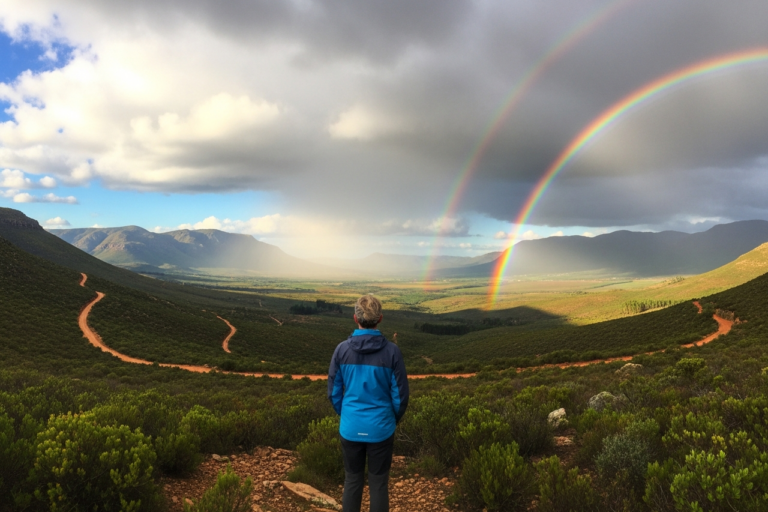
Most of South Africa gets rain in the summer. Afternoon thunderstorms are common. But in Cape Town, most of the rainfall happens in winter.
-
You will see a lot of sunny weather in the country. South Africa has about 2,500 hours of sun every year, so the days are often bright and clear.
-
The average annual rainfall is around 464 mm across Africa. This is a lot less than in most other places around the world, so it is a dry place.
If you know these facts about the weather, it will help you plan your trip to South Africa, including packing for cold nights or possible thunderstorms—especially if you are heading to Cape Town or other big places in the country.
Introduction
Are you thinking about going from Canada to South Africa? If you want to leave cold, snowy days behind for nice, sunny beaches, you might think it sounds perfect. But, you should know the weather in South Africa before you go. South Africa is in Africa and it has a weather that can be very different from what you might think. There is more than just hot sun all the time. This guide is here to help anyone coming from Canada. You will see what kind of weather you can get in South Africa. There are many different types of seasons and the weather can change depending on where you go in the country. Knowing this, you can choose what clothes to take and have the best time on your trip.
Overview of South Africa’s Climate for Canadian Travellers
South Africa has different weather in its many parts. Some places in the northwest feel dry like a desert. The eastern coast has more of a warm, damp air. The climate in south africa is not only shaped by where it is, but by how high above sea level it sits. The ocean nearby plays a big part too. This gives you the chance to see a mix of weather across the country.
If you are coming from Canada, the weather in southern africa may not be what you expect. The seasons work in different ways than in your country. Knowing about these changes will make your trip easier. It helps you pick the right time to visit. You can also make sure to bring what you need for all your plans.
Key Differences Between Canadian and South African Weather
The biggest change for someone from Canada is that the seasons are switched. South Africa is in the southern hemisphere, so when it is winter in Canada, it is summer there. If you head to South Africa in December to get away from the Canadian winter, you will settle into summer heat.
There is also another main thing to know about the weather. South Africa does not get the same level of rainfall as much of Canada. The average annual rainfall is lower. The weather there depends on what part of the country you are in, but a lot of Africa has a dry climate. Most of the rain in South Africa comes in the summer, not all year. The humidity levels are also different from what you may be used to in Canada.
What is called a “cold” day changes, too. In South Africa, winter days can are sunny and not too cold. But nights might get close to freezing, so you can still feel the chill once the sun goes down. In Canada, the cold of winter sticks around day and night, but you do not get that same lasting freeze in Africa. Because the temperature goes up and down, it helps to dress in layers.
Understanding South Africa’s Seasonal Patterns
South Africa is in the southern hemisphere, so its seasons are different from what many people know. Summer months are from December to February. Autumn is from March to May. Winter months run from June to August. Spring is from September to November. This is something you should think about when you plan your trip.
The summer months around south africa are usually warm and sunny. In many parts of africa, there are often afternoon thunderstorms. The Cape area, though, is dry when it is summer. Winter months in the interior have less rain, cooler days, and cold nights. You still get to see sunny skies most of the time.
Most people think spring, which is from September to November, and autumn, which is from March to April, are the best times to go. At this time, it is warm and sunny through most of south africa, with less rain and not so many other people around. This is why it is a good chance for your visit.
Main Climate Zones in South Africa
South Africa does not have just one type of weather. The country has a mix of different climate zones. The well-known Mediterranean climate is mostly in the Western Cape, that includes Cape Town. Here, it rains in the winter but the summers are dry. This is very different from the east coast, where it is hot and humid, or the northwest, which has dry desert areas.
These changes come from the long coastline in south africa, the high flat land inside, and the way both the cold Atlantic and the warm Indian Oceans touch the country. From the green Garden Route to the dry Karoo, you will find something new with the weather in every region in Africa.
Coastal, Interior, and Mountain Regions Explained
South Africa has three big weather regions you need to know. Each one has things that can change your travel. This includes things like wind speed and how far you can see, also called visibility.
The coast is shaped by ocean currents. The west coast gets cooler because of the Atlantic. The east coast is warmer from the Indian Ocean, so the air is more wet and feels like a subtropical place. Inland, there is a high area called the “highveld.” This part of south africa is higher up compared to other parts at the same latitude in africa. Because of this elevation, the air is not too hot. Winters here are sunny with little rain, but at night it gets very cold.
Mountains, such as the Drakensberg, have more hard weather. In these mountain areas, you will find:
-
Elevation: The higher up you go, the cooler it gets, in all seasons.
-
Snow: There can be snow on the highest mountain tops in winter.
-
Unpredictability: The weather in the mountains can change fast. You should bring clothes you can wear in layers.
Weather Characteristics of Key Cities (Cape Town, Johannesburg, Durban)
The weather you experience can vary greatly depending on which city you visit. The weather forecast for Cape Town will look very different from that of Johannesburg on the same day.
Cape Town enjoys a Mediterranean climate with warm, dry, and often windy summers. Its winters are cold and rainy. Johannesburg, located on the highveld, has mild, sunny winters with cold nights and warm summers with frequent afternoon thunderstorms. Durban, on the east coast, is subtropical, with high humidity and warm, rainy weather year-round.
Here’s a quick comparison of the average weather characteristics to help you pack:
|
City |
Summer (Dec-Feb) |
Winter (Jun-Aug) |
Average Annual Rainfall |
|---|---|---|---|
|
Cape Town |
Hot, dry, windy |
Cool, rainy |
515 millimetres |
|
Johannesburg |
Warm, afternoon thunderstorms |
Sunny, dry, cool nights |
760 millimetres |
|
Durban |
Hot, humid, rainy |
Warm, sunny, less rain |
1009 millimetres |
South African Temperatures Throughout the Year
South Africa has more mild temperatures than many people think, even though it is in Africa. This is because much of the country is high and also many parts feel the warm Agulhas Current from the ocean. There is a big range in temperature each year. Some places have hot summer days, while some nights in winter can be close to freezing.
The country does not get a lot of rain. The average annual rainfall is about 464 mm. Still, temperatures and the weather can change fast. This often happens when a cold front comes through. If you know what to expect in each season, like summer and winter, you will have a good time on your trip.
What to Expect in Summer (December to February)
Summer in south africa, from december to february, is hot and sunny. In most parts of the country, especially in the inside areas where wildlife is common, you will see afternoon thunderstorms. These storms come and go fast, and after, the air will be fresh and clean.
High temperatures often go up into the low to mid-20s celsius. In some northern places, it can get even hotter. You will feel that the humidity is not the same everywhere. On the coast, like in durban, the air will be much wetter. The heat in the karoo, which is not near the sea, is dry.
The summer months are a good time to be outside in africa. You need to be ready for both heat and rain, though. You should pack light clothes, a waterproof jacket for those thundershowers, and lots of sunscreen. When you go, you get long days, clear skies in the morning and green, soft landscapes all around you.
What to Expect in Winter (June to August)
South Africa’s winter runs from June to August, and it might catch you off guard. Lots of people leave Canada to get away from the cold, but that does not mean it is always hot in south africa. You can get sunny weather during the day that is mild and nice. But at night and in the early mornings, it gets cold. The air can drop down to near freezing.
This is even more true in the higher parts or the inside of africa. If you are going to be out on a safari in the early morning, get ready to dress up warm. You will want layers of clothes. A fleece, a windproof jacket, a hat, and gloves will all help keep you warm on the cold nights and early mornings.
Later in the day, the sun usually warms things up. You will probably need to take off some layers as it gets up into the high teens or low twenties Celsius. But the western cape and cape town are not the same. Over there, it is rainy season, which means it is often cool, wet, and windy. So if you are in the western cape, be ready for rain instead of just cold nights during south africa’s winter.
Rainfall and Extreme Weather in South Africa
South Africa is well-known for its sunshine, but it does have a clear rainy season. You can also see extreme weather sometimes. In most parts of the country, rain comes during summer. The Western Cape region is different. It gets most of its rain in winter. Even though south africa is located in africa, it is mostly dry and water can be very important to have.
Climate change is changing south africa’s weather patterns by making some bad storms happen more often or get stronger. If you are a traveller, it is good to think about these changes, like heavy rainfall or strong winds, before you go. Find out about how to stay safe out there.
Cities With the Most Rainfall and What Canadians Should Know
Rainfall in south africa is not the same everywhere. The west is very dry, but the east gets more rain than most other places. Cities on the east coast and near the Drakensberg hills get the highest rainfall.
Durban, which is on the warm east coast, is one of the wettest big cities you will find. If you go further south, some towns in the eastern cape also see a lot of rain. But cape town is different. It gets most of its rain in the winter, not like most of south africa, which gets rain in the summer. On average, cape town gets close to 515 millimetres of rain each year, but since it falls in just a few months, it feels like there is more than that.
When you plan your visit, keep these things in mind:
-
The east coast is often humid with lots of rain, mostly in summer.
-
The western cape, and cape town too, get the most rain from june to august.
-
The inside part of the country sees short, heavy thundershowers in summer.
So, when you think about the weather in africa, the average annual rainfall is different in each area.
Extreme Weather Events: Precautions for Travellers
While south africa is mostly safe, you should know that it can have tough weather now and then. These kinds of weather are local and happen at some times of the year. Still, it’s a good idea to be ready for them. The main problems come from hard thunderstorms, strong wind, and at times, flooding.
During summer in south africa, the highveld area gets big storms. These storms can bring a lot of lightning, hail, and sudden heavy rain. This can make it hard to see and drive on the road. In cape town, cold weather brings tough storms in winter, with very strong wind and a lot of rain. You should always check the weather forecast before you go out. This is important if you want to do something outside, such as hiking, in south africa or cape town.
Here are a few things to help stay safe:
-
Stay Informed: Check a good weather forecast for updates on wind speed, visibility, and warnings about storms.
-
Be Flexible: Have another plan ready for the day if the weather gets bad, and do not drive when the rain is heavy if you can help it.
Conclusion
When you get ready to travel in South Africa, it’s good to know about the weather patterns you will see there. The sun shines bright on the beaches in Durban, while life in Johannesburg is busy and full of energy. Every area in the country has its own type of weather that can change your travel plans. Watch for changes in the seasons and be ready if the weather gets rough. This will help you have a safe and fun trip.
If you get the facts ahead of time, you can pack the right clothes and things. You can also enjoy all that Africa and South Africa have to give. So, take in all the different weather South Africa has. Be ready for a trip you will always remember. Do you have questions about the climate or what to expect? Contact me any time as you make your plans!
Frequently Asked Questions
How accurate are South African weather forecasts?
South African forecasts are quite good, mainly for big cities and for the next day or two. The South African Weather Service and AccuWeather give forecasts you can count on. But, some parts of the country have their own small climate changes, like in the mountains or near the coast. When you are in places like that, things like visibility can change fast. So, it’s best to be ready for the weather to shift.
Is Cape Town’s weather very different from the rest of the country?
Yes, the weather in Cape Town is not like the rest of south africa. The city has a mediterranean climate. Most of its rain falls in the winter months, from June to August. This is the opposite of what happens in other parts of africa, where the rain tends to come in summer. The cold benguela current in the ocean also plays a big role in these weather patterns.
How does South Africa’s weather influence travel plans for Canadians?
The weather in South Africa plays a big role in how Canadians plan their trips. The seasons are opposite, so you get to leave a cold Canadian winter and enjoy summer in South Africa. If you know about different weather patterns in the country, it helps you pick the best time to go. That way, you can make sure you get what you want, like dry weather for a safari or lots of sunshine for a beach trip in Cape Town. This also helps you pack the right clothes for your time in Africa.



