

Key Highlights
-
Peru has three main climate zones. There are dry coastal areas, temperate weather in the Andes mountains, and the hot Amazon rainforest.
-
The best time to go to Peru is during the dry season from May to October. This is also when most people like to visit Machu Picchu and do other activities.
-
The rainy season in Peru is usually from November to April. During this time, there is more rainfall in the Andes mountains and the Amazon rainforest.
-
Coastal areas like Lima have a subtropical desert climate. Average temperatures are mild, there is very little rain, and the weather is influenced by the Pacific Ocean.
-
In the Amazon rainforest, people get high humidity and heavy rainfall almost all year. It only gets a little less rainy for a short period.
Introduction
Are you planning a trip to Peru? Before you go, it is important to know about the weather there. Peru has many different places to see. There are old ruins and green rainforests. Each place in Peru has its own weather, so it is good to think about the average temperatures before you visit. When you know about the best time to travel and how the weather changes, you can pack the right things. This guide will show you the weather in Peru. It will help you get ready for your Canadian adventure.
Understanding Peru’s Unique Climate Zones
Peru does not have just one kind of weather. The country sits between three big climate zones. Each place gives you a new feeling when you visit. The coastal areas next to the Pacific Ocean have a subtropical desert climate. You will find temperate weather high up in the Andes mountains. The Amazon rainforest brings a strong tropical climate.
Because of this, the weather in Lima can be very different from the weather in Cusco or Iquitos, even if you visit all these places on the same day. Now, let’s take a look at the special parts of each region: the coast, the Andes, and the Amazon.
Discovering the Coastal Desert Weather
The coast of Peru, with Lima as its capital city, has a special subtropical desert climate. The cold Humboldt Current from the Pacific Ocean helps to keep this region dry, so you will see very little rainfall here. Lima is one of the driest capitals in the world. This makes it a good place to travel if you want to get away from the rain.
But the weather is not always bright. From June to September, there is high humidity and a lot of overcast skies in Lima. During these months, there is about one hour of sunshine each day. Temperatures are also cooler in the winter season.
From December to March, the summer months bring sunny weather and good water temperatures on the Pacific coast. There is little variation in temperatures during the year. The main change is in the hours of sunshine you can see along the coast of Peru.
The Andean Highlands: Altitude and Temperature Variations
The Andes mountains, also called the Sierra, have a mild climate, and the weather here depends a lot on how high you are. Cities on the Andean plateau, for example Cusco and Arequipa, do not get the same weather as you find on the coast. When you go up to a higher elevation in the Andes, it gets colder.
Cusco is known as the starting point for trips to Machu Picchu. Here, the average high temperature stays close to 21°C during the whole year. But the low temperatures change a lot. In June, July, and August, it can get very cold at night. The lowest it gets is usually around 2°C.
Arequipa sits on the western slope of the Andes mountains. The city is mostly dry, and the average temperatures stay gentle almost all the time. It does not often get really hot, but you should bring a jacket since evenings can be cool, especially from June to September.
Amazon Rainforest: Humidity and Rain Patterns
Welcome to the jungle! The Peruvian amazon rainforest has a tropical climate. There is a lot of humidity and it rains often. If you visit a city like iquitos in the amazon basin, you will have to be ready for wet weather any time of year. This part of the amazon gets a huge amount of rainfall each year.
The wet season brings a lot of heavy rainfall. March and april are the months with the most rain. Even during times thought to be drier, it still rains a lot. For example, august is usually the month with less rain in iquitos, but there is still a good bit of precipitation.
Even with all this rain, the weather is not cold. The high humidity, with average highs about 32°C, can make it feel even hotter. You will travel the amazon river in hot and damp air. It’s best to bring light and breathable clothes to feel good in these conditions.
Weather in Peru Throughout the Year
Peru has two main types of weather: the dry season and the wet season. The time and strength of these seasons can change, depending on where you are in Peru. In general, the dry season is from May to October, and you can expect sunny days. The wet season goes from November to April, and there is more rainfall during this time.
Average temperatures in most areas of Peru do not change much during the year. But the amount of rainfall and precipitation changes a lot. It is important to know about the dry season and wet season before your trip, especially if you want to do certain things in Peru. This will help you pick the best time to go.
Monthly Temperature & Rainfall Overview
To give you a better idea of what to expect, let’s look at the average temperatures and rainfall in some of Peru’s key destinations. Whether you’re exploring Lima, trekking to Machu Picchu from Cusco, or venturing into the Amazon, the weather will be a major factor in your daily plans.
The amount of precipitation varies drastically across the country. While Lima stays dry year-round, the Amazon experiences constant rainfall. The highlands have distinct wet and dry periods that can impact trekking and sightseeing.
Here is a general overview of average high and low temperatures in popular Peruvian locations.
|
Location |
Season |
Average High |
Average Low |
|---|---|---|---|
|
Lima |
Mar – May |
25°C |
19°C |
|
Jun – Aug |
20°C |
16°C |
|
|
Sep – Nov |
21°C |
16°C |
|
|
Dec – Feb |
24°C |
19°C |
|
|
Cusco |
Mar – May |
21°C |
6°C |
|
Jun – Aug |
21°C |
2°C |
|
|
Sep – Nov |
22°C |
7°C |
|
|
Dec – Feb |
20°C |
8°C |
|
|
Iquitos (Amazon) |
Mar – May |
32°C |
22°C |
|
Jun – Aug |
32°C |
22°C |
|
|
Sep – Nov |
33°C |
22°C |
|
|
Dec – Feb |
32°C |
22°C |
Distinct Seasons: Rainy vs Dry
Peru has two main weather periods: the rainy season and the dry season. Each part of the country feels these times in a different way. Knowing about these can help you plan where and when to travel. In the highlands, such as the Andes mountains, it is easy to see the difference between the two. The weather there can really change what you can do.
From May to October is the dry season in the highlands. This is often called the best time to visit the area. The sky is clear and there is lots of sun. It is a great time for things like trekking or seeing the sights. Cusco and Machu Picchu are very popular during this time.
From November to April is the rainy season in the Andes. There are big rains then, and these can make getting around hard. On the coast of Peru, like in Lima, things are different. This rainy season is summer on the coast. The weather is sunny and warmer, which is not what is happening in the highlands at that time.
Effects of El Niño and Climate Shifts
When you plan a trip to Peru, it’s good to know about bigger weather changes, like El Niño. This is something that keeps happening and starts in the Pacific Ocean. El Niño can change normal weather along the coast. It happens when the sea surface gets warmer. This small change in ocean heat can bring big effects.
During El Niño, places near the coast that are mostly dry can get a lot of heavy rainfall. These heavy rains can cause floods and landslides. This can stop travel or make every day harder. It is a big change from the usual lack of precipitation in that region.
El Niño doesn’t happen every year, but because no one can say for sure when it will come, you should think about it when you travel. These weather changes can even affect sea level and hillsides in both the coastal areas and mountain places. So, it is smart to check advisories before you set off on your trip.
Practical Tips for Canadian Travellers
Learning about Peru’s weather is helpful. But, using what you know about it is what will make your trip turn out well. The best time to go depends on what activities you want to do and if you mind busy places. For example, if you go in the times between high and low season, there may be extra rain. But you will see less people at popular spots.
It is important to prepare well. What you bring and how you plan your days will be affected by the weather. Here are some simple tips to help you with packing and to show how the weather in Peru can shape your plans.
Packing Guidance Based on Region and Season
Packing for Peru is important because the weather can change a lot. What you put in your bag will depend on where you will go and when you plan your trip. You need to be ready for hot and cold by using layers, especially in the Andes. There, it can be warm during the day but cold at night.
If you come in the dry season in the highlands, use layers. In the day, you may feel good in just a t-shirt, but at night in the high altitude, you will need a warm jacket. In the rainy season, a waterproof jacket or raincoat will be needed. When you visit the Amazon, you should wear lightweight and long-sleeved clothes because of the heat and humidity.
Here are some items you should bring to Peru:
-
A waterproof jacket for the rainy season or if it rains suddenly.
-
Warm clothes like a fleece and thermal layers for the Andes in the highlands.
-
Light, long-sleeved t-shirts and pants for the Amazon to guard against the sun and bugs.
-
Strong sunscreen, a hat, and sunglasses. The sun is strong with the altitude in Peru.
-
Comfortable and sturdy shoes or hiking boots.
-
Insect repellent, which you will really need for the Amazon.
-
A small first-aid kit and any medicine you need to take.
You will enjoy your time in Peru more if you pack the right way in any season, whether that is dry season or
How Weather Impacts Popular Tourist Activities in Peru
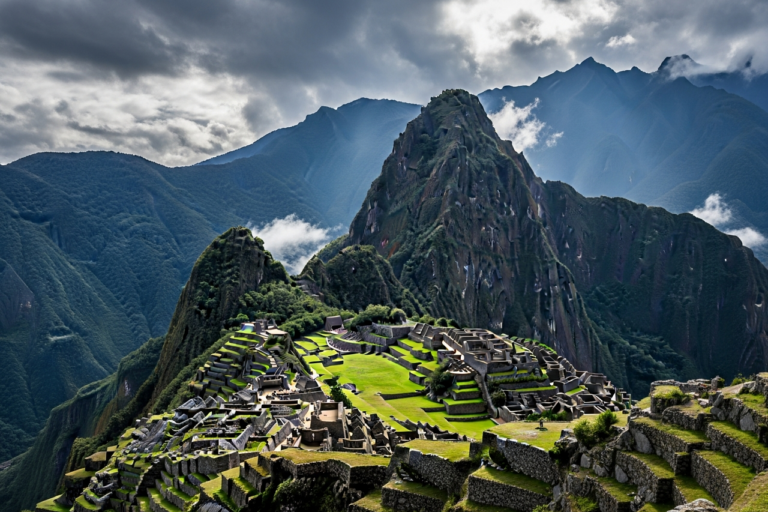
The weather in Peru has a big impact on when it’s the best time to do popular activities. Many people have Machu Picchu at the top of their lists. The best time to walk the Inca Trail or see the ruins is during the dry season, which is May to October. During this time, you get clear skies, better views, and safer roads. This is also when most people visit, so it is quite busy.
If you go in the rainy season, you will see fewer crowds. However, you must get ready for the wet and muddy trails. Trekking in the Andes can be tough at this time. The Inca Trail is not open each February because of work done on it. At Machu Picchu, the view can be hard to see when it is misty, but this can make the place look more magical.
When you plan Amazon tours, you should also think about the weather, as it changes what you can do. In the rainy season, the water is high, and you can see more by boat. When it’s dry season in Peru, it’s better for walking in the jungle because paths are easy to use. It comes down to what you want—more trips by water, or outings on land.
Conclusion
To sum it up, it’s important for people from Canada to get to know the weather in Peru when planning a trip. The country has many different climate areas. These include the coastal desert, the highlands of the Andes, and the amazon rainforest. When you plan ahead and understand these places, you can get more out of your time there.
Watch for things like monthly temperature shifts and seasonal changes. Things like El Niño can also make a difference. All of this helps you know what to pack and how to plan your days in each part of Peru. You’ll enjoy your trip more with the right gear, no matter if you are by the coast, in the highlands, or in the amazon.
If you want help made just for you, get in touch for a free consultation!
Frequently Asked Questions
When is the best time to visit Peru based on weather?
The best time to go to Peru is in the dry season. This is from May to October. During these months, you will get sunny days. It is good for seeing Machu Picchu and hiking in the Andes. If you want fewer crowds and you do not mind the rainy season, you can visit in the months just before or after. These times can also be good in Peru.
How accurate are Peru’s weather forecasts for travellers?
Weather reports for peru’s coast are usually right. But, in the andes and the amazon, the weather can change fast and be hard to predict. It is good for people who travel to look at the forecasts every day. Still, always get ready for sudden rain or cooler weather.
Are there any extreme weather events in Peru Canadians should be aware of?
Yes, the El Niño can lead to extreme weather. It can bring heavy rainfall and flooding to coastal areas. The amazon basin can also be hit by this. This is not something that happens every year, but it is a good idea to know about it. Be sure to look for any climate advisories before you go.



