

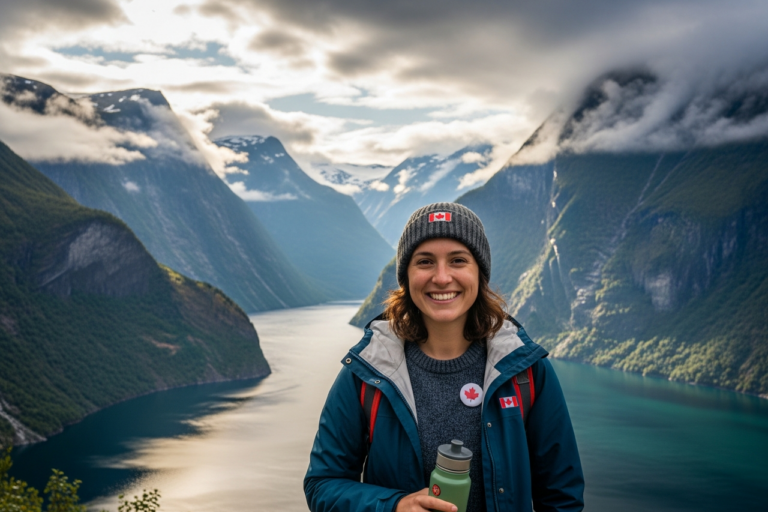
Key Highlights
-
Norway’s climate can be mild for its place this far north. This is because of the Gulf Stream. But the weather in the country can change fast and be very tough to predict.
-
There are big changes in different parts of the year. North of the Arctic Circle, you get the midnight sun in the summer. In winter, there can be a polar night, and you may see the northern lights.
-
The weather in Norway can differ by area. The coastal areas are warmer and have more rainfall in the winter. The inland areas get colder, with more snow.
-
Make sure you look at the weather forecast before you go out. This is important as rain and other precipitation can change fast any time of the year.
-
Wearing layers works best in Norway. It helps you get ready for bad weather if the day turns cold or wet.
-
Northern Norway can give you something special, like seeing the northern lights. But this part will also be colder, so pack for that.
Introduction
Are you thinking about taking a trip from Canada to Norway? This beautiful country has many things to see and do. You will find city life in Oslo and amazing views of the norwegian fjords. Some people think that norway is always covered with ice and snow. But the weather there can be different, and it may surprise you. Knowing about the climate will help you make the most of your time and enjoy your trip to norway. Being prepared means you can really get out and have the best adventure.
Understanding Norway’s Climate and Weather Patterns
Norway has weather that changes a lot. The reason for that is its long coast along the Norwegian Sea. The country gets the warm air from the Gulf Stream and the Norwegian Current. Because of this, places north of the Arctic Circle are not as cold as you might think. Even up there, the climate is not too harsh.
But, Norwegian weather is not always steady. You can never be sure if it will stay nice or turn rainy. The precipitation changes from one place to another. You should always be ready for anything, no matter the time of the year you go to Norway.
Year-Round Temperature Trends and Seasonal Variations
The seasons in Norway each offer a distinct experience. Winter, from December to February, brings shorter days and colder temperatures, perfect for skiing in mountain areas and inland valleys. Spring, from March to May, sees the snow melt, feeding spectacular waterfalls as the days get longer and warmer.
Summer, spanning June, July, and August, offers long, pleasant days, especially in southern and coastal regions like Oslo. It’s the ideal time for hiking and exploring. Autumn, from September to November, brings crisp air and stunning fall colours, though days shorten and temperatures begin to drop, with increased precipitation.
Here’s a look at what you can generally expect throughout the year:
|
Season |
Months |
Typical Weather |
|---|---|---|
|
Winter |
December – February |
Cold, short days, snow in many areas. |
|
Spring |
March – May |
Milder, longer days, melting snow. |
|
Summer |
June – August |
Warm, long days, stable weather. |
|
Autumn |
September – November |
Cooler, crisp air, changing foliage. |
Daylight Hours, Midnight Sun, and Polar Night Explained
One thing that many people notice when they visit Norway is how much the daylight hours change, especially when you go north of the arctic circle. In the summer, northern Norway is called the “land of the midnight sun.” At this time of the year, the sun does not set for weeks. There is a long stretch where you get twilight, and sometimes you can even see the sun at midnight. There is a lot of daylight, which means you have a lot of time for sightseeing and doing things outdoors.
But in winter, things change in northern Norway. The polar night comes, and the sun does not come up at all for a while. It is not completely dark though. The twilight brings a soft blue light for a few hours each day.
This happens because of the way the Earth tilts as it moves around the sun. The changes in light are stronger the further north of the arctic circle you go. The way daylight and darkness come and go in Norway shapes what people do and how they spend their time of the year. It also gives the land of the midnight sun its special feel.
Weather Differences Across Norway’s Regions
Norway is a long country. The weather in the country can change a lot from one area to the next. The west coast, where you can find the famous fjords, is much wetter and not as cold as the inland valleys and the mountain areas. In eastern Norway, there are warmer summers and winters that are colder and have less snow.
This change in weather from place to place is important to think about when you plan your trip. The weather in the Lofoten Islands, which are in the northern part of the country, could be very different from the weather in the south even on the same day. Knowing this before you go can help you choose what to pack and make your plans for what to do.
Coastal vs Inland: What Canadians Should Expect
When you travel in Norway, you will see big changes in the weather between the coastal areas and the inland areas. The west coast sits next to the Norwegian Sea, and this makes winters softer and summers cooler than in the rest of Norway. The coast here gets a lot of precipitation and rainfall all year. This keeps the land looking green.
Inland areas are not the same. Here, the climate is more hot and cold over the year. The summers get hotter and more dry. The winters are much colder and there is more snow, mainly in the mountain parts. Because of this, people like to go skiing in the winter and hiking in the summer.
To be ready for the change in weather, keep these things in mind:
-
Coastal areas have more rain, so waterproof gear is important.
-
Inland areas see bigger changes in hot and cold through the year.
-
Make sure to check a weather forecast, like the Yr.no app from the Norwegian Meteorological Institute, before you start your day.
Arctic Influences in Northern Norway
The weather in the northern part of the country, above the Arctic Circle, gives you something special. You get to see big changes in light and some cool things in nature. In winter, nights stay long and dark. The sky lights up with the northern lights, and it feels pretty magical.
Winter is cold and dark up here, but for people who love winter sports, it is the best. The snow gets deep, which is just right for skiing, dog sledding, and some real arctic fun. When summer comes to Northern Norway, it is exciting too. The midnight sun brings light all day and all night, so you have lots of time to get out and see everything.
Even though it is near the arctic circle, the coastal areas in Northern Norway are not as cold as some might think. The Gulf Stream helps keep things milder near the shore. Still, when you visit, get ready for true winter fun, since the weather can still be pretty cold.
Packing Tips for Canadians Travelling to Norway
There’s a common Norwegian saying: “There is no such thing as bad weather, only bad clothes.” This shows how important it is to pack the right clothes when you travel to Norway. The main tip is to dress in layers. The weather can change fast, especially in the mountain areas or when you want to try winter sports.
What you pack will change with the season and where you go, but some things are needed in all months to help you handle any kind of weather. If you are ready, you can still enjoy the Norwegian outdoors, no matter what the forecast says.
Essential Clothing for Each Season
Packing for Norway means you will need to use layers, no matter the time of the year. If you go in July for summer, pack light layers and a waterproof jacket. This will help if there is sudden rain or precipitation. Be sure to take comfortable shoes for a lot of walking, because the weather can change fast. There may be sunny days but also cooler or rainy times so you want to be ready.
If you travel to Norway in winter and want to try winter sports, you will need more warm clothes. Pack thermal underwear, wool socks, a warm down jacket, and boots that are both waterproof and lined. Even in months like November, when bad weather is more common and the air gets cooler, it is good to dress with warm layers.
Here are some useful things to pack for Norway at any time of the year:
-
A waterproof jacket and pants to keep the rain out.
-
A hat or beanie, gloves, and a scarf.
-
Long underwear, and try to pick wool if you can.
-
Good waterproof boots or hiking shoes.
Weather-Proofing Your Outdoor Gear
To get the most out of Norway’s amazing outdoors, you have to make sure your gear can take on the wild weather. The weather in Norway can change at any time, so having weather-proof clothing is a must. This is even more important if you plan to go into the mountain areas or do any winter sports.
Start with your outer layers. Pick a jacket and pants that are waterproof and can block the wind. This will give you the best shot at staying dry when the rain or wind shows up. Try to get something made from fabric that breathes, so you don’t get wet from sweat either. Good footwear is also a key part. Wear waterproof hiking boots with good grip. These will keep your feet dry and steady on all types of ground.
Take care of your smaller stuff, too.
-
Use a waterproof backpack or get a rain cover to keep your things from getting wet.
-
Think about using waterproof cases for electronics like your phone and camera.
-
Even if the sun is out, it’s smart to pack these things. This keeps you ready if bad weather comes out of nowhere in Norway.
Conclusion
To sum up, it is important for Canadians to know about the weather in Norway before you go. Norway has different weather in each part of the country, so you need to get ready for all kinds of conditions. Make sure you pack the right clothing and gear for the trip. The weather can change fast, from cool breezes by the coast to cold air in the north. Check the forecast and do some research. This will help you enjoy your time in Norway and get the most out of your trip. Have a good trip!
Frequently Asked Questions
Is rain common in Norway and during which months?
Yes, you will often see rainfall in Norway, mostly on the west coast. The autumn months, like September to November, have the most precipitation. Still, you should be ready for rain when you visit any time of the year, because Norwegian weather can change fast.
How does the climate affect sightseeing and outdoor activities?
The Norwegian climate shapes what activities you can do. In winter, there is a lot you can enjoy with winter sports like skiing. You can also see the northern lights. In summer, the days get very long, and it is a great time for hiking the fjords or exploring new places. The weather can be hard to predict, so be sure to check the forecast. Be ready to change your plans if you need to.
What is the best time to visit Norway for comfortable weather?
The best time of the year to visit Norway is in June, July, and August. In these summer months, the country is warm and the weather is pleasant. You get long, sunny days and mild temperatures. This is a good time to explore the beautiful nature that is found all over Norway.



