

Key Highlights
-
Morocco has many kinds of weather. You will find the Mediterranean climate near the coast, the hot Sahara desert, and the cooler Atlas Mountains.
-
The best time to go for nice weather conditions and lots of sunshine is in spring (March to May) or autumn (September to November).
-
Northern Morocco has softer weather because of the Mediterranean climate. The south is more dry and has hotter days.
-
Summer can get very hot, more so if you go inland. Winter can be cool or wet, and it may even snow in the mountains.
-
It helps to know about the weather in each part of Morocco and to learn what different seasons are like before your trip.
-
Look at the weather forecast before you leave. It will get you ready for the weather conditions you might find when you visit.
Introduction
Are you thinking about taking a trip from Canada to lively Morocco? Many people want to know about the weather before going. Some folks think that this part of north Africa is just a hot desert. But that’s not all there is to it. The weather conditions in Morocco are different, and you will find more than one kind of weather there. You can see snow on the mountain tops and cooler air along the coast too. This guide will let you know what to expect in Morocco, so you can pick the right clothes, pack well, and have the best time during your trip.
Overview of Morocco’s Climate for Canadian Travellers
Morocco weather is not just about hot desert days. The country has four different seasons that change with each region. If you go to the northern coast, you will see a Mediterranean climate. Summers here are warm and winters are mild with some rain. Many people pick this area for a city break because the weather is so nice.
When you move across north Africa, the weather in Morocco can change a lot. The coast, the mountains, and the desert all feel different. Each has its own type of climate. Let us look at the main weather changes from north to south, and find out what you can expect in these different parts of Morocco.
Differences Between Northern and Southern Morocco
When you plan a trip to Morocco, you need to know about the big differences in weather between the north and the south. In the north, cities such as Tangier have a Mediterranean climate. You will see warm, nice summers. Winters can be cool and damp. There is more precipitation in the north than you will get in many other places in the country.
But things change in the south of Morocco. This area is close to the Sahara, so the weather is hotter and much drier. The High Atlas Mountains slow this change down a bit, but southern Morocco still gets very hot for most of the year.
The weather conditions you see can shift fast if you travel for just a few hours. Going from the soft ocean air of the north to dry inland places feels like you step into a new place. You really get to feel how diverse the climate of Morocco can be.
Regional Highlights – Coastal Areas, Mountains, and Desert Locations
Morocco has a landscape that makes different weather zones in the country. The coastal areas, like Casablanca and Tangier, have a gentle breeze that comes from the Atlantic Ocean. This helps to keep things comfortable. Because of this breeze, the temperatures do not get too hot in summer or too cold in winter. The mild weather can be felt most of the year, and the wind speed is not too strong on most days.
In the Atlas Mountains, you get different weather. When you go up the mountain, it gets cooler. Even on a hot day, it will be cooler up high. During winter, there is snow in the mountains. This makes the area look very different from the sunny places below. Wind speed can get stronger in the mountains and brings an extra chill in the air.
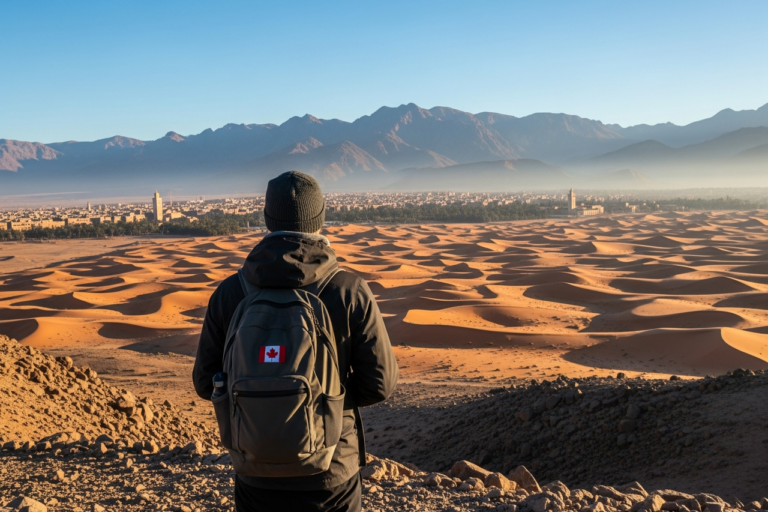
The desert around the Sahara is very different. When you go inland, you get extreme heat. The summers here are very hot, sometimes more than 40°C. During winter days, it cools down a bit, but at night it can be cold.
-
Coast: Mild temperatures, with highs around 30°C on a hot day.
-
Mountains: Cooler conditions with winter snow.
-
Desert: Sizzling heat, with temperatures soaring above 40°C.
Seasonal Weather Patterns: What to Expect Throughout the Year
Morocco has four different seasons, but the weather here has its own feel. Summer in Morocco is very hot. There is a lot of sunshine and the air is dry. In the winter, it gets cooler and the country sees more precipitation. During autumn and spring, the weather is warm or mild and feels nice.
It’s important to know about these weather conditions when planning your trip. The time of year you pick and the area you visit in Morocco will change what the days are like for you. Next, we will talk more about what the climate is like in winter and summer. We will also cover when there might be rain and when it stays dry.
Winter and Summer Climate in Morocco
Summer in Morocco, from June to August, is very hot and sunny. In this time, the days have strong sun and it is dry. Cities that are inland, like Marrakesh, get much hotter than other places. Sometimes the temperature in Marrakesh can get close to 50°C. On a hot day, the uv index also gets very high, so you need to be ready for the sun. There is not much humidity which means the heat feels dry.
Winter in Morocco, between December and February, is different from summer. The weather gets cooler and feels smoother, not hot. In the north and in the mountains, it can even feel cold. Places near the coast, like casablanca, will see their days around 17°C. In the Atlas Mountains, there will be snow, so people go there for winter fun.
So, what you get from morocco depends on when you go. Summer is for the people who like a hot day with sunshine. If you like it cool or want to see snow, you will want to go in winter when there may also be more rain in some areas.
Morocco’s Rainy Season and Dry Periods
Yes, Morocco does get a rainy season, mostly in the winter. From November to March, you will see more precipitation, especially in the north and the Atlas Mountains. The city of Tangier gets more rain at this time compared to many places in North Africa.
In Marrakesh, November is often the wettest month. Cities can get about 40.6 mm of rainfall then. This rain gives some drought relief after a long, dry summer. It is a good idea to check the forecast because you might see wet days during these months.
On the other hand, July and August are very dry. You will find there is no rain at all in most of Morocco, mainly in inland and southern areas. Wet winters and dry summers show one of the main parts of Morocco’s climate.
7-Day Morocco Weather Forecast for Key Destinations
Are you getting ready for a city break or planning to stay longer in Morocco? Checking the 7-day forecast for Morocco will help you get set for your trip. Morocco weather is not the same in all places. Each city can have its own weather, so looking at a detailed outlook for the cities you will visit helps you pick the right clothes and sort out your plans for each day.
No matter if you want to visit the busy markets of Marrakesh, the beach city Casablanca, or the old streets of Fez, it’s good to know what weather to expect. Here’s what Canadian travellers should know about the forecast in these main Moroccan cities this week.
What Canadians Can Expect in Marrakesh, Casablanca, and Fez This Week
If you’re travelling to Morocco’s most popular cities, the weather forecast will be your best friend. In Marrakesh this week, for example, you can expect sunny skies with temperatures climbing into the high 30s Celsius. The outlook for Casablanca will be milder due to its coastal location, while Fez, being inland, will have temperatures closer to those in Marrakesh.
Visibility is expected to be good across all three cities. You can plan for early mornings, as the sunrise is around 6:30 AM, with the sunset extending your day until about 8:30 PM. From Monday to Friday, the forecast remains consistent, with little chance of rain.
Here’s a sample weekly forecast for Marrakesh to give you an idea of what to expect. Remember to check a reliable weather service for the most current information before you travel.
|
Day |
Max Temp (°C) |
Min Temp (°C) |
Conditions |
|---|---|---|---|
|
Wednesday (Wed) |
36° |
17° |
Sunny |
|
Thursday |
35° |
17° |
Sunny |
|
Friday |
35° |
17° |
Sunny, 10% chance of rain |
|
Saturday |
37° |
17° |
Sunny, 10% chance of rain |
|
Sunday |
38° |
18° |
Sunny, 20% chance of rain |
|
Monday |
37° |
17° |
Sunny, 10% chance of rain |
|
Tuesday (Tue) |
37° |
20° |
Sunny |
Best Time of Year to Visit Morocco for Canadians
The best time to visit Morocco depends on what you want to do and how you feel about the weather. If you want a city break and nice weather, spring and autumn are the best seasons for most people from Canada.
Summer can be very hot, while winter can be cool and wet. Each time will give you a different experience. Before you book your trip, think about the best months for good weather. You should also think about what activities you will do, and if there are any local events you want to see.
Optimal Months for Good Weather and Outdoor Activities
The best time to visit Morocco is in spring, from March to May, or in autumn, from September to November. The weather stays warm and sunny, but not too hot. You will find a lot of sunshine then. This is a good time for things like walking around city souks, hiking in the mountains, or just relaxing by the sea.
During summer, from June to August, the heat gets very high. In cities like Marrakesh, it can be tough to be outside during the day. The coastal areas do stay cooler, but with the strong sun and high UV, it’s hard for most people to enjoy long days out in the city.
In winter, from December to February, you get cooler weather in Morocco. The desert is a nice spot then, since you don’t have to deal with the strong heat. At night, it can get cold. There is snow in the mountains, which is nice for some, but means less hiking for others.
-
Spring (Mar-May): Warm, sunny, and good for all activities.
-
Autumn (Sep-Nov): Mild temperatures and clear skies.
-
Summer (Jun-Aug): Very hot, best for coastal areas.
Factors Influencing Your Travel Timing
There is more to choosing the best time for your Moroccan trip than just looking at the weather conditions. You should think about how well you can handle heat or cold. If you do not like high heat, try not to visit in peak summer, especially if you plan to go to places that are farther from the sea.
What you want to do during your stay matters too. For people wanting to trek in the Atlas Mountains, the best time is in spring or autumn. The weather conditions are good then, and it is safer. But, if you want to see the Sahara, a winter trip will be more comfortable than going in the hot season.
It’s also a good idea to check what local holidays and events happen while you are there. Ramadan, for example, is a special time and gives you a chance to see local customs. But, shops and other places may open and close at different times. Before you go, use a weather forecast and check a calendar of events. This will help you make the most of your trip.
Packing Tips for Canadians: Preparing for Morocco’s Weather
Packing for morocco weather can look a bit hard because the climate can change a lot from one place to another. The best thing to do is think about wearing layers. That way, when it’s a hot day in the desert, you can have on light clothes, and when you go to the coast, you can put on a jacket if the air gets cool. You should always look at the forecast for the places you will visit before you start to pack your bags.
To get ready for anything that may come, like a very hot sun or a sudden rain, it’s smart to bring some key items. Here are some tips about what to wear and other gear you can use to deal with morocco weather on your trip.
Clothing Essentials for Hot, Cool, and Rainy Conditions
When you pack your clothes for Morocco, it’s good to pick things you can use in many ways. The hot day and bright sunshine mean you should choose clothes made from cotton or linen. These are light and let your skin breathe. Loose long sleeves and pants keep you safe from the sun and also go with what people wear there.
Even when the sun is out, you may feel a gentle breeze at night, more so near the ocean or desert. There can still be a chill, and after sunset, it might get colder in the mountains. It is wise to bring a light jacket, a sweater, or a pashmina. These pieces are easy to put on if it gets cool.
If you are there when it is winter, you could see precipitation like rain. You should bring a jacket that keeps water out and closed-toe shoes, so your feet stay dry.
-
Lightweight layers: T-shirts, long-sleeved shirts, and light sweaters.
-
Sun protection: A wide-brimmed hat and sunglasses.
-
Versatile outerwear: A light jacket for cool evenings.
-
Rain gear: A waterproof jacket if travelling in the rainy season.
Weather-Related Gear and Precautions to Consider
Beyond your clothes, there are some things you should pack to help make your trip better. You can’t skip sunscreen. The sun in Morocco is very strong. The UV index can get high, even if it’s cloudy out. Bring a sunscreen that is high in SPF. Put it on often and use a good amount.
If you go while it’s rainy, you will want waterproof gear. This means a rain jacket. You might also want waterproof shoes. This is important if you want to go hiking or spend a lot of time outdoors where you could get wet from precipitation.
You also have to think about high wind speed. This comes up near the coast or if there is a desert sandstorm. A scarf or a pashmina is handy. You can use it to stay warm. You can cover your head from the sun. Or, you can use it to keep dust and sand out of your face.
-
High-SPF sunscreen
-
Lip balm with SPF
-
A reusable water bottle to stay hydrated
Weather Hazards and Safety Advice for Canadian Visitors
Morocco is a safe place to visit, but you should know about weather that could cause trouble. The country has many different types of land, so you might find hot weather in the desert, or storms in the mountains. The best thing you can do is stay informed and get ready before you head out. This can help keep you safe.
If you learn about these risks, you can take easy steps to protect yourself. We will talk about how to deal with the heat and sandstorms in morocco. We will also talk about what you should do if it starts to rain suddenly, or if the weather changes fast in the mountains.
Navigating Extreme Heat and Sandstorms
Extreme heat can be a big problem, especially if you go inland or near the Sahara during summer. To keep safe and lower the risk of sickness from heat, make sure you drink lots of water. You should try to find shade during the hottest time of day, from 11 a.m. to 3 p.m. Try to wear light and loose clothing so your body can cool off.
Sandstorms do not happen every day, but they can come up, mostly in the desert. A sandstorm often starts with a strong gust of wind. If it starts, the best thing to do is to look for shelter right away. If you are in a car or truck, stay inside. If you are walking, cover your nose and mouth with some cloth and try to get behind a wall or any natural cover so the blowing sand will not reach you.
Always follow advice from local people and check the forecast, especially if you travel into the Sahara. Guides know how to read what will happen with the weather and want you to be safe.
-
Drink more water than you think you need.
-
Wear a hat and sunglasses to stay safe from the sun.
-
Listen to your guide if there is a sandstorm.
Advice on Sudden Rain and Mountain Weather Risks
While Morocco often has sunshine, there are times when sudden and heavy rain happens, mostly in the winter rainy season. This kind of rain can cause floods, especially in parts of a city that have old drains. You might also see flooding in dry riverbeds, called wadis, in the countryside. It is important to be careful when you drive or walk after it rains a lot.
The weather up in the Atlas mountains can change very fast. One minute it may be warm, and the next the temperature may go down and storms can start quickly. If you want to hike, you should go with a guide. Make sure to check the forecast before you leave. Always bring the right clothing and gear for cold and wet weather when you are up there.
Do not forget that nature can be strong and change fast. It can look sunny in the morning, but things can be different by the afternoon. So, use the daily forecast, as this will help you stay safe, no matter if you are in a city in Morocco or in the mountains.
Conclusion
To sum up, it’s important to know about the weather in Morocco if you’re coming from Canada. The country has many types of weather, from cool winds near the sea to hot days in the desert. If you know what kind of weather to expect, you can have a better trip. When you pack the right clothes and things, you’ll be ready for any weather Morocco gives you. This will help you feel good and have a great time. If you want to go to lively cities like Marrakesh or see quiet places in the Atlas Mountains, being ready for the weather helps a lot. If you need more tips or help, you can ask for a free consultation. Have a safe trip!
Frequently Asked Questions
How reliable are weather forecasts for Morocco?
Weather forecasts in Morocco are usually good, mostly in big cities. Services like AccuWeather give you a solid short-term outlook. But keep in mind, the weather in the mountains or the desert can change fast. It is smart to get ready for sudden changes in temperature or precipitation. Also, always check with local guides if you want the most up-to-date and real news about weather there.
Does Morocco have any unique climate features Canadians should know about?
Morocco is special because it has many types of weather. On the coast, there is a Mediterranean climate. In the Atlas Mountains, you will find cold, snowy weather. In the Sahara, it can get very hot. All this in one country makes Morocco weather very interesting. It’s a good idea to travel and see each place for yourself.
What weather apps or services are recommended for checking Morocco’s forecast?
If you want to check the weather forecast for Morocco, popular apps like AccuWeather and The Weather Channel can help. These apps give you a good outlook if you plan a city break or just need to know what the weather will be each day. Local Moroccan weather services can also give more details, which can be good if you are going to places out of the city.



