

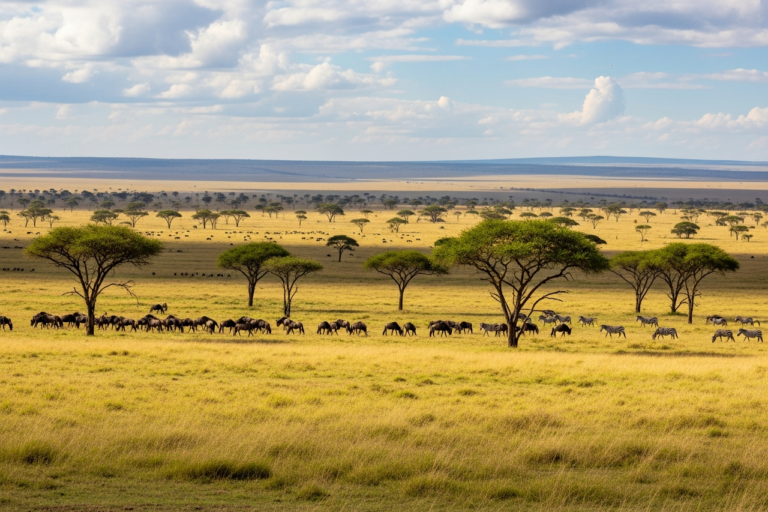
Key Highlights
Planning a trip to Kenya? It is important to know about the local weather. Here is an easy look at how the weather conditions are in Kenya.
-
Kenya has a tropical climate. But the weather changes depending on where you are and how high the place is.
-
The country gets a Dry season from June to October. It has a Wet season from November to May.
-
During the day, temperatures are normally between 20°C and 28°C.
-
Nairobi is cooler than places like Mombasa because it sits at a higher level.
-
There are short rains in November and December. There are long rains from March to May.
-
You can use good weather forecasts to help you pack the right things for your trip.
Introduction
Are you getting ready for a trip from Canada to the great land of Kenya? If you are, you may wonder what you should bring with you. The weather conditions in Kenya are not like in Canada, where there are four clear seasons. Instead, Kenya has warm, tropical air, with times of the year that are either wet or dry. It is good to know this before you go, so you can be ready and your journey can be fun. In this guide, you will find all you need to know about the climate in Kenya.
Understanding Kenya’s Regional Climate Zones
Kenya sits right on the equator, so the country gets a warm, tropical climate. But the weather is not the same everywhere you go. The different parts of Kenya have their own weather conditions. Altitude plays a big part in this. The coast is warm and has high humidity. The highlands are cooler. Temperatures change a lot even if you drive just a few miles.
For example, the highland spots like the Aberdares get more rain. It can be cold in the mornings and evenings there. On the other hand, places that sit lower, like Tsavo, are warmer all the time. We’ll look at how the climate in Nairobi matches up to these places and how the weather in Kenya can be different from one area to the next.
How Nairobi’s Climate Compares to Other Kenyan Regions
Nairobi is the capital of Kenya. It sits high above sea level. This gives the city a milder climate than other places in Kenya. During the day, Nairobi usually has temperatures from 22°C to 24°C. It is cooler than the coast, for example Mombasa, which gets a lot hotter and more humid. In Nairobi, you can see very far. The visibility often goes past 21 kilometres. This is great if you want to do some sightseeing.
Parks at lower locations like Amboseli and Tsavo are warmer throughout the year. Masai Mara National Reserve has the same weather as Nairobi’s highlands. However, the evenings and mornings in Masai Mara can get quite cold.
Nairobi has less humidity than places on the coast. Along the coast, the air feels much wetter. The lower humidity in Nairobi makes the heat feel softer. In coastal towns, you may sweat more. In Nairobi, the weather is much better for getting out and seeing the city.
Keywords: weather conditions, humidity, visibility, nairobi, kenya
Unique Weather Features Across Key Locations (Nairobi, Mombasa, Maasai Mara)
Each place in Kenya has its own kind of weather. If you know about these weather conditions, you can get ready for anything, whether you are going on a city trip in Nairobi or off for a safari in the Maasai Mara. The weather can change fast, even if you go just a few miles away.
In Nairobi, the height of the land makes the air cool or mild. Mombasa sits on the coast, so you will feel more heat and humidity there. The Maasai Mara is high up too. It stays nice in the daytime, but it can get cold at night and early in the morning, around sunrise.
Keep these things in mind about the weather:
-
Nairobi: You can count on good weather during the day, but it gets cooler at night.
-
Mombasa: It’s hot and has a lot of humidity, more so in the rainy time.
-
Maasai Mara: Bring more than one type of clothing. It may feel warm in the day, but it gets cold after sunset or before sunrise.
-
Highlands (like Aberdares): It is cooler here, and you will notice it rains more often.
Seasonal Weather Patterns in Kenya
Because Kenya sits near the equator, it does not have the classic winter and summer that you may see in other places. The year is split into two main times. There is a Dry season and a Wet season. In Kenya, the weather conditions are mostly about rain, and not big changes in temperature. The Dry season is usually from June to October.
The Wet season goes from November to May. There is more precipitation in this time. The Wet season is made up of two rainy times. There are the “short rains” and the “long rains.” We will look at what happens each month and what to expect from these different seasons.
Month-by-Month Breakdown of Kenya’s Climate
Kenya’s weather conditions follow a predictable annual cycle. The dry spell from June to October brings sunny skies and cooler temperatures, especially in the mornings. This is often considered the best time for wildlife viewing. Following this, the ‘short rains’ arrive in November and December, bringing unpredictable but generally brief afternoon or evening showers.
A hot and dry period typically occurs in January and February before the ‘long rains’ begin. March, April, and May see the heaviest precipitation, with cloudy days being common, particularly in the highlands. Whether it’s a Monday or a Friday, you can expect higher humidity during these months, especially along the coast.
Here is a general overview of the seasons:
|
Month(s) |
Season |
Typical Weather Conditions |
|---|---|---|
|
June – October |
Dry Season |
Sunny, clear skies, cooler temperatures (especially mornings). |
|
November – December |
Wet Season (‘Short Rains’) |
Unpredictable, short rains, often in the late afternoon. |
|
January – February |
Dry Spell |
Hot and dry period within the Wet season. |
|
March – May |
Wet Season (‘Long Rains’) |
Heaviest rainfall, cloudy days, higher humidity. |
Rainy Seasons Versus Dry Seasons: What to Expect
When you visit Kenya, the time you choose to go can make a big difference. Some people go when it is dry, and some go during the rain. The dry season starts in June and goes until October. You get sunny days, clear blue skies, and this is when many people go for safaris.
The wet season is from November to May. It comes in two parts. There are the ‘short rains’ from November to December. That just means it may rain in the afternoon, but it will not stop your travel plans. The ‘long rains’ happen from March to May. This is when there is more precipitation and it keeps going. The humidity goes up a lot then, mostly on the coast. Clouds cover the sky many days during this time.
Here’s what you can expect:
-
Dry Season: You get sunny weather, cool mornings, and it is a great time for game drives.
-
Short Rains: The mornings are mostly clear, but you might see rain some afternoons.
-
Long Rains: The weather is more cloudy, humidity gets higher, and there is a lot more rainfall.
-
Check the local forecasts because weather in Kenya can change fast.
Temperature and Rainfall Trends Relevant to Canadian Travellers
If you are coming from Canada, you will see that kenya does not get very cold or very hot. The air is nice and warm here most of the year. The average temperature does not change much like it does in canada. During the day, it stays between 20°C and 28°C most of the time. It is a little warmer near the coast and in the low places.
A big thing you will see is how kenya gets rain and not snow. This is a big change from canada. Here in kenya, people talk about wet and dry seasons instead of winter and summer. If you know the average temperature and when the precipitation comes, you can pack the right things and plan what you want to do.
Average Temperatures in Kenya Throughout the Year
Kenya’s average temperatures remain relatively consistent throughout the year, offering a warm and inviting climate for visitors. During the Dry season (June-October), daytime temperatures in higher-altitude areas like the Maasai Mara are around 23°C, while lower-altitude coastal regions see averages closer to 28°C. Early mornings can be cool, dropping to about 10°C in the highlands, so packing warm layers is a must.
In the Wet season (November-May), temperatures at higher altitudes range from 24°C to 27°C. In lower-lying areas, they hover around a steady 30°C. The humidity also increases during this period, which makes the temperature feel warmer, especially on the coast.
Here’s a quick look at average daytime temperatures in different seasons and altitudes:
|
Season |
Higher Altitudes (e.g., Maasai Mara) |
Lower Altitudes (e.g., Coast) |
|---|---|---|
|
Dry Season (Jun-Oct) |
Around 23°C |
Around 28°C |
|
Wet Season (Nov-May) |
24°C to 27°C |
Around 30°C |
Typical Rainfall Levels and Patterns
Rainfall in Kenya comes at certain times of the year. The weather conditions are shaped more by rain than by how hot or cold it gets. There are two main rainy seasons. Dry times fall in between them. Knowing when rain falls can help you plan what to do, like going on safaris or relaxing at beaches.
The ‘long rains’ last from March to May. These months bring the most and heaviest rain all year in Kenya. There are usually a lot of clouds, mainly in the highlands. Humidity is also higher across Kenya during this time. The ‘short rains’ run from November to December. These are not as heavy, and you do not always know when they will come. Most showers come in the afternoon or at night and do not last long.
Here’s a summary of Kenya’s rainfall patterns:
-
Long Rains (March-May): This is when there is the most rainfall, very cloudy weather, and highest precipitation.
-
Short Rains (Nov-Dec): Rain in this month is not always expected and does not last long.
-
Dry Seasons (Jun-Oct, Jan-Feb): There is little rainfall, with a lot of sunny days.
-
Coastal regions have the most humidity and get more rainfall during these months.
Weather Forecasts and Updates for Kenya
When you travel, it is important to get weather forecasts that you can trust. This will help you plan out your days in Kenya. You can find daily and even hourly forecasts there. They give you helpful information about temperature, precipitation, humidity, and visibility. This way, you know if you need to take a rain jacket with you for a walk in the city, or grab another layer for a game drive in the early morning.
The weather in the country can change. But most short-term forecasts for Kenya tend to be right. In the next part, we will show you where you can get the most reliable information and what you can expect from these weather predictions.
Where Canadians Can Access Reliable Weather Information
For Canadians heading to Kenya, it is easy to stay updated about the weather conditions, including sunrise and sunset times, forecasts, and humidity. You can use well-known weather sites and mobile apps. They give you the latest forecasts for main cities and parks in Kenya. You will get details on things like temperature, if it will rain, how much humidity there is, and what time the sunrise and sunset will be. This is good, especially if you want nice photos.
These websites and apps can show you what the weather will be like each hour, and for up to 7 or 14 days ahead in places like Nairobi. In their reports, you can find extra help like the ‘feels like’ temperature. This counts for wind and humidity, which lets you know how it will really feel outside. They also include visibility measured in kilometres. This is useful if you want to do outdoor activities.
Here are some places you can check for weather information and forecasts:
-
Major international weather websites and their mobile apps.
-
Local Kenyan news outlets with weather updates.
-
Services like the U.S. Naval Observatory for exact times for sunrise and sunset.
How Accurate Are Weather Predictions in Kenya?
So, how much can you trust the weather forecasts for Kenya? For the next 24 to 48 hours, these forecasts are usually good. They are great when you want to plan your day, check the weather conditions, or decide what to wear for your trip. You also get helpful info about temperature, humidity, and if it will rain.
But, long-range forecasts are not as sure. These ones—like those for a week or longer—should be used as a rough guide, not as a promise. The weather in Kenya can change in small areas and it happens fast. This is extra true in the rainy seasons. Showers can pop up when you do not expect them.
Big weather events such as a tornado almost never happen, but tropical rainfall can get heavy. Using the daily forecasts will give you the best look at today’s weather conditions. But, it is a good idea to be ready in case things change quickly.
Conclusion
To sum up, it is important for Canadian visitors to know about the climate in Kenya before they go. Kenya has different weather from place to place, with changing temperatures and both rainy and dry seasons. When you have the facts, you can make the most of your trip. For example, you might want to walk around busy Nairobi or relax on the nice beaches in Mombasa. If you know what the weather will be, you can enjoy your travels even more.
To stay ready, always look at reliable weather forecasts before your trip. This lets you pack the right clothes and be prepared for what’s ahead in Kenya. If you have questions or want advice about visiting, feel free to ask!
Frequently Asked Questions
How hot does it get in Kenya during the summer months?
Kenya sits on the equator, so the country does not have a usual summer. The hottest months to be in Kenya are January and February. The daytime heat in places with lower altitudes can get up to about 30°C. In Nairobi, the weather is not as hot. Still, you should use sunscreen because the UV index is high.
Are there extreme weather events in Kenya to be aware of?
Big storms like a tornado or a hurricane are not a worry in Kenya. The main thing to watch is heavy precipitation when the ‘long rains’ happen from March to May. Sometimes, this rain can lead to floods in some places. It’s always good to check short-term forecasts to know the latest weather conditions.
When is the best time for Canadian visitors to travel to Kenya?
For many people from Canada, the best time to go to Kenya is in the Dry season, from June to October. During this time, you get sunny days and good weather conditions. It is great for seeing animals in the wild. This is also a good time to leave the Canadian summer behind and enjoy nice weather in Kenya. It is a perfect season for travel and new places to see.



