

Key Highlights
-
Israel has many kinds of weather. In Tel Aviv, there is more humidity by the coast, but in Jerusalem, it is much drier.
-
Summer in Israel, and in June, the days are hot. The sun is strong and the air is dry. The UV level is high, so you need to use sun protection.
-
If you check forecasts from places like Accuweather, they are mostly reliable. You can use these to plan what you do from Monday to Friday.
-
You can get warm days in Tel Aviv, Jerusalem, and Haifa. Nights are nice and cool.
-
There is a big difference between the seasons. Winter is not very cold, but you will see rain. Summer, on the other hand, is hot and full of sun.
-
Eilat is different from other places in Israel. That city has real desert weather. It gets much hotter and drier than other cities.
Introduction
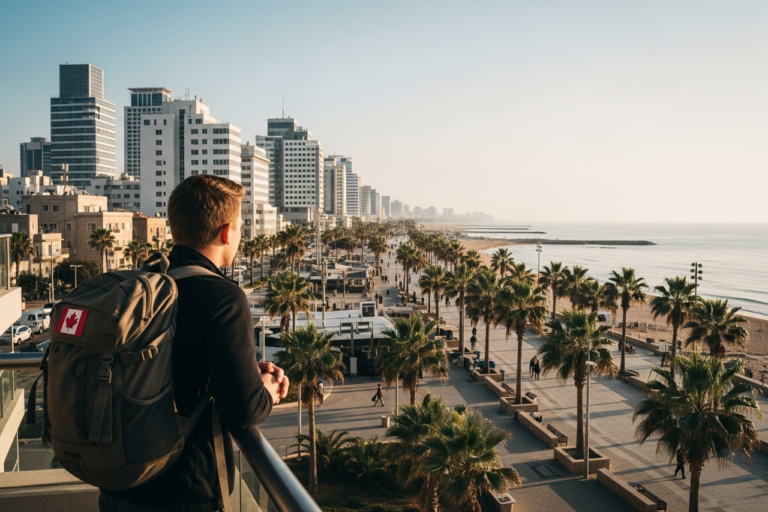
Are you planning a trip from Canada to Israel? It is good to know what the weather will be like so you can be comfortable and have a good time. The weather in Israel is not always the same in each city. In some places, it can feel different than what you may know from home. If you will be walking on the streets of Jerusalem, relaxing at the beaches of Tel Aviv, or visiting the port in Haifa, learning about the weather helps you get ready. This will help you pack the right clothes and enjoy your time in Israel.
Seasonal Weather Overview in Israel
Israel has two main seasons. There is a hot and dry summer from April to October. The cooler and rainy winter lasts from November to March. In summer, most days in June are very sunny and hot. The UV level gets really high, so using sunscreen and wearing a hat is important. You will find cities like Tel Aviv, Jerusalem, and Haifa are hot. There is little to no rain during this time.
When winter comes, the rain starts. This rain helps a lot with drought relief—just like it does for dry places, such as Texas. Checking forecasts, like the daily updates at Accuweather, is helpful during the wet months. During Monday, Tuesday, Wednesday, and Friday, you can have both sun and rain in the forecast. In contrast, the weather in Eilat stays dry all year. Places like the Carolinas might feel close to these temperatures. But, they do not get the same dry summer or wet winter that you see in Israel. Now, we can take a closer look at the temperatures in key cities and see how often you may get rain.
Temperature Patterns Across Major Cities (Tel Aviv, Jerusalem, Haifa)
The temperature in Israel can vary significantly depending on your location. Coastal cities like Tel Aviv have a Mediterranean climate with hot, humid summers and mild winters. In contrast, Jerusalem, situated in the hills, experiences cooler temperatures and less humidity, especially in the evenings. Haifa, another coastal city, shares a similar climate to Tel Aviv but can be slightly cooler.
For example, a typical summer day in June might see Tel Aviv hitting 27°C, while Jerusalem could be a few degrees cooler. These differences are important when planning your daily itinerary. Checking reliable forecasts from sources like Accuweather will give you the most accurate daily temperatures for each city.
To give you an idea, here’s a sample forecast for Tel Aviv during a sunny period in late May and early June, showing consistently warm weather.
|
Day |
High Temperature (°C) |
Low Temperature (°C) |
|---|---|---|
|
Thursday |
25° |
17° |
|
Friday |
25° |
17° |
|
Saturday |
25° |
17° |
|
Monday |
27° |
18° |
|
Tuesday |
27° |
18° |
Rainfall, Sunshine, and Weather Warnings to Know Before You Go
Sunshine is easy to find in Israel. There is a lot of it, especially in the summer which lasts a long time. From April to October, there is almost no rain in places like Tel Aviv. The chance of wet weather is usually 0%. This is good if you want to do some sightseeing, but it also shows that Israel needs winter rain for drought relief. The UV numbers are very high at this time, so you must use sun protection.
Winter is when most of the rain comes. This season starts in November and goes until March. There are more rain showers in these months, but you still can have many nice, sunny days. It is smart to look at the forecast for weather warnings before you travel. This is true in spring and fall too, because the weather can change fast. You can go to Accuweather for the newest forecasts and any alerts you need to know about Israel.
Before you go, don’t forget to look for:
-
High UV warnings: This is very important in summer. Always protect your skin from the sun.
-
Wind advisories: There can be strong winds near the coast.
-
Rain forecasts: Rain is a bigger worry in winter, but it is always good to check.
-
Heat advisories: Be aware during really hot days, since heatwaves can come in summer.
What to Expect for Your Trip From Canada
When you come to Israel from Canada, you will notice right away that the sun feels much stronger. The dry season is also longer. Summers in Canada are warm and sunny, but the heat in Israel lasts longer and stays about the same every day. If you come from a humid part of Canada, you may find the air in Tel Aviv feels like home. But in Jerusalem, the dry heat is something else. It is not like what you may know from Canada.
Winter is much easier to handle in Israel than in Canada. You will not need a snow shovel or a big parka. In Jerusalem and Haifa, the days get cool and there is rain, but the weather hardly goes below freezing. It is a good idea to check the forecasts before you pack for your flight. This will help you be ready for the weather in Tel Aviv and the other spots you plan to see in Israel.
Packing Tips for Israeli Weather in Different Seasons
Packing for Israel will depend on the time of year you go. If you are planning a summer trip in June, the weather will be hot. Make sure to pack the kind of clothes that are light and comfortable, like cotton or linen. This will help you keep cool when the sun is strong. The UV level is very high in Israel at this time, so you will need to protect your skin from the sun. If you visit in winter, you should bring clothes you can wear in layers.
If you will spend time in cities like Jerusalem, or in the desert, know that the evening can get cool. You might want to bring a light jacket or sweater, even in summer. The temperature quickly drops after dark. If you visit religious sites in Jerusalem, Tel Aviv, or Haifa, you need to wear clothes that cover your knees and your shoulders.
Here is a list of things you should take:
-
Lightweight, breathable clothing for summer.
-
A hat, sunglasses, and a strong sunscreen with high SPF.
-
A light jacket or sweater for the evening.
-
Good walking shoes for getting around.
-
Modest clothes for religious places.
-
A reusable water bottle to drink from and keep cool.
Reliability of Weather Forecasts and Where to Find Official Updates
Weather forecasts for Israel are usually quite good, especially if you look at updates for one to three days ahead. This helps you plan what to do while you are there, like going to the beach in Tel Aviv or walking around Jerusalem. If you check forecasts for more days into the future, they can tell you what kind of weather you might get, but it’s a good idea to look again for new updates just before you go.
When you want the best and most accurate information, there are a few main places you can check. Many people use big international weather websites for forecasts about the weather in big cities. The Israel Meteorological Service (IMS) is where you find the official weather updates for Israel, so many trust it for complete data.
Here are some good places to see weather forecasts:
-
Accuweather: Lots of people use this site for hour-by-hour and 10-day forecasts.
-
The Israel Meteorological Service (IMS): This group of people works for the government to give weather news in Israel.
-
BBC Weather: Here, you can look at weather for places like Tel Aviv and Jerusalem. It’s a trusted site for people in many countries.
Conclusion
To sum up, it is good for Canadian travelers to know about the weather in Israel before they go. The weather changes a lot from place to place and from season to season. This means you need to be ready if you want to enjoy your trip. It can be warm by the sea in Tel Aviv, but in Jerusalem, it is usually cooler because it is higher up. If you know what weather to expect, you can pack better, plan what to do, and have a better time.
Make sure to check good weather forecasts for Israel as your trip gets close. A bit of planning really does help make your stay more fun and relaxing. Enjoy the amazing sights, nice people, and culture of Israel on your trip! Safe travels to you.
Frequently Asked Questions
Is there a risk of sudden weather changes in Israel?
Israel’s weather is mostly steady during each season. But in spring and autumn, it can change fast. There are times when a “Sharav” heatwave shows up, and the temperature gets high with a lot of dust in the air. Because of this, you should check daily forecasts for cities like Tel Aviv and Jerusalem. You can do this on a site like Accuweather, so you know what to expect in Israel.
How does the climate differ between the coast and inland cities?
The climate in the country is not the same everywhere. Cities near the sea, like tel aviv and haifa, are humid and warm. Their summers get hot, and you can see rain in winter, but it is not too cold. Inland, places like jerusalem are higher up and this means the air feels dry. It gets cooler there, mostly at night. Forecasts for tel aviv, haifa and jerusalem will always show these local changes.
When is the best time for Canadians to visit Israel for pleasant weather?
If you want nice weather that is not very hot, the best time to visit Israel is in the spring (April to May) or fall (September to October). In these months, you will get sunny days and good temperatures in Tel Aviv, Jerusalem, and Haifa. This is a great time for touring and being outside in the sun.



