

Key Highlights
Here are the key takeaways about Iran’s weather for your trip:
-
Iran has a range of weather. The climate can change a lot from one city or season to another.
-
In the summer, it is often hot and sunny in cities like Tehran. There can also be a steady breeze at this time.
-
It is good to check the daily forecasts so you can be ready for high heat and know what to do to avoid heat stroke.
-
You can look up the most recent 10-day and 14-day forecasts on BBC Weather or AccuWeather.
-
It helps to know the sunrise and sunset times each day to plan what you will do.
-
You should also keep an eye on weather alerts in case there are problems like dust, high winds, or other weather conditions.
Introduction
If you want to go to Iran from Canada, you need to know about the weather conditions. The weather in Iran can feel very different from Canada, and it can change a lot from one part of the country to another. The busy city of Tehran and the old history sites can all have their own weather. When you keep an eye on the weather forecasts, it will help you know what to pack. This guide gives you the facts you need. You will learn about the weather in each season and get tips on daily sunrise and sunset times. You will also know how to find good updates about the weather for your trip.
Understanding Iran’s Climate and Weather Patterns
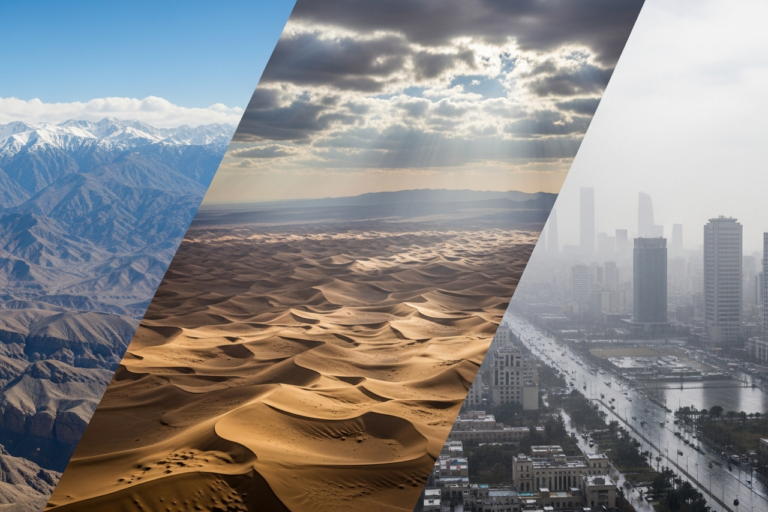
Iran has many types of weather because of its land. There are dry deserts, green forests, and even mountains with snow, all in this one place. The weather can change a lot, even if you only travel a short distance. You can be in a place with a steady breeze and clear skies, but then go to another area and find the air is not good and gives throat irritation.
That is why looking at local forecasts is so important. One city could be waiting for drought relief and hoping for a little morning rain, while another has sunshine. When you visit from Canada, you have to be ready for anything. So, let’s see how the weather changes in the big cities and what you can expect when you go.
Seasonal variations across major Iranian cities
The weather in Tehran is often characterized by hot, dry summers and cool winters. In late spring and early summer, you can expect sunny days with temperatures often climbing into the high 30s Celsius. The visibility is generally very good, allowing for clear views of the city and surrounding mountains, especially around sunrise and sunset.
Wind is also a common feature, with a moderate breeze or an occasional strong gust. For instance, wind speeds can reach over 20 kilometres per hour (or about 15 miles per hour), which can offer some relief from the heat but also contribute to dusty conditions at times.
To give you a better idea, here’s a sample of what the weather can look like in Tehran during a typical week in late spring. Note how the temperatures, sunrise, and sunset times shift slightly each day.
|
Day |
High/Low (°C) |
Conditions |
Sunrise |
Sunset |
|---|---|---|---|---|
|
Thursday |
34°/23° |
Sunny and a moderate breeze |
04:52 |
19:12 |
|
Friday |
37°/22° |
Sunny intervals, moderate breeze |
04:51 |
19:12 |
|
Saturday |
33°/19° |
Sunny and a moderate breeze |
04:51 |
19:13 |
Common weather conditions in Tehran and beyond
When you visit Tehran, you see that the weather is often sunny and hot, especially during the warmer months. The heat can go above 30°C. It’s good to drink enough water and protect yourself from the sun. In the afternoon, there is often a steady breeze, and this can help make you feel better in the heat.
But the heat in Tehran can be risky. On days when it is really hot, people need to watch out for heat stroke. This is more likely if you get out and do tough work in the sun. Bad weather conditions, like poor air, can also give some people trouble. If you have asthma or other problems, you may feel difficulty breathing.
Here are some common weather conditions you might get in Tehran:
-
Sunny and Hot: There is a lot of sunlight during the day. Temperatures get high, from late morning to late afternoon.
-
Breezy Afternoons: A steady breeze comes up in the afternoon, which helps cut the heat.
-
Hazy Skies: There may be haze from dust or pollution, which can cut visibility.
-
Low Humidity: It is mostly dry, with the air having less than 20% humidity.
Checking Forecasts and Live Weather Updates for Travellers
For anyone planning to travel, it is important to get accurate weather forecasts. You want to know what to expect on each day of your trip. This can help you plan your outings, like what the weather will be on Tuesday or how many miles per hour the wind will be. There are many online sites that give this kind of detail for Iran. Sites like AccuWeather and BBC Weather have good and easy-to-find updates.
These places give a lot of info. You get forecasts every hour and also for many days ahead. That means you can know what the weather might be before you travel. You can see the expected temperature, the chance of rain, and even the sunset and sunrise times. So, here is where you can get the most up-to-date weather for your next adventure.
Reliable sources for current, 10-day, and 14-day weather forecasts
When you need to find the most accurate and current weather forecasts for your trip to Iran, there are many websites and apps you can use. These tools give you everything you need, from updates each hour to full 10-day and 14-day weather outlooks. This will help you plan your trip better. You can see day-by-day details, such as the temperature, wind, humidity, and times of sunrise.
For example, AccuWeather is used by a lot of people. It gives clear 10-day weather reports for big cities such as Tehran. It even tells you about air and health conditions, so you know what to expect when you go out. BBC Weather also lets you look at the weather for the next 14 days, so you can watch trends and get ready. Sometimes you may see them show the weather in other places, for example Texas, but they still cover locations all over the world, including Iran.
Here are some of the best options to check:
-
AccuWeather: Gives detailed 10-day forecasts, info about air and health conditions.
-
BBC Weather: Shares 14-day forecasts with short daily reports and some notes about nature.
-
Local Iranian Meteorological Organization: This source shows local forecasts, but you could need help with the language.
How accurate are Iranian weather forecasts for Canadians?
For Canadians who plan to travel, weather forecasts for Iran from big sources are mostly quite good. Places like AccuWeather and BBC Weather use the best modelling so their updates are pretty accurate, especially for big cities like Tehran. These forecasts help you know what to pack and what to expect in your day-to-day plans.
You can look at them to check the temperature, how strong the wind is in miles per hour, and what the day will look like. Still, you should know that long-range forecasts can change. A 14-day forecast shows you the trend, but it’s smart to check daily forecasts for your near plans and any alerts, like very hot weather or a possible danger of dehydration.
Even though these services are good, weather in small rural spots or in the mountains can sometimes be different and might not show up in these wider forecasts. So, for the best take, look at one or two different sources and keep an eye on updates when your travel dates get closer. This way, you stay on top of the visibility and the real conditions you may face in Tehran or any city.
Weather Alerts and Travel Considerations in Iran
Besides checking the daily temperature, you should also watch for any weather warnings or alerts when you travel in Iran. These can tell you about things like strong winds, dust storms, or very hot days. While a tornado is not likely in most parts of Iran, other weather events can change your travel plans and be risky for your safety.
If you know about the long-term weather forecast and keep an eye on the latest alerts, you can make better plans for your trip. This will help you pack the right things and change your schedule if you need to. Now, let’s see where you can get these warnings and find out the best times to visit, based on the weather.
Current warnings, advisories, and climate outlook
When you make plans for your trip, it is important to check if there are any weather warnings or advisories. This step can help you get ready and stay safe. Big weather websites like AccuWeather can show you alerts for the place you want to visit. You could see warnings about things like high temperatures, bad air quality, or strong winds. Tehran’s weather is not the same as the storm systems you get in the Carolinas, but it can still have problems you need to know about.
Plans for a longer trip to Tehran should know that summers are very hot and dry there. Winters will be cooler. This kind of pattern helps you pick when you want to go. If you are getting ready to travel soon, it is a good idea to check the daily forecast. You may see alerts about high UV or know if the air could be hard to breathe for some people. There are not many tornado warnings for Tehran, but dust storms can come up sometimes and make travel harder.
To be ready and safe, always check for:
-
Heat Advisories: These tell you when the temperature is very high and could be unsafe.
-
Air Quality Alerts: These let you know when there is a lot of pollution in the air, which often happens in big cities.
-
Wind Warnings: These notices warn you about strong wind. Strong wind can bring a lot of dust and make travel hard.
Best times to visit Iran based on weather trends
Picking the best time to go to Iran can make your trip much better. The weather conditions play a big part in when to plan your visit. The weather is nice and mild in spring, from March to May, and in autumn, from September to November. These are the best times to travel, as it is not too hot or too cold, and you can enjoy seeing all parts of the country.
In the summer, from June to August, the weather can be very hot. This is true for many days, like Friday through Monday in June. These days often get pretty warm, especially if you are in the middle or south areas. During this time, being outside in the day can be tough because of the heat. On the other hand, winters in Iran can get very cold. Snow can also fall, mostly in the north and west.
So, when you look at normal weather conditions, these times stand out:
-
Spring (March-May): Most people say this is the best time to go. It is not too hot or too cold, and many plants are in bloom.
-
Autumn (September-November): This is also a good time to visit. You get mild weather, and there are not as many crowds as in spring. It is a good idea to enjoy trips and outdoor activities before winter starts.
Conclusion
To sum up, it is important for Canadian travellers to know about the weather in Iran before you go. When you get to know about the different seasons and weather conditions in the main cities, you can plan your trip with fewer surprises. Watch out for good weather forecasts and keep up with alerts to be ready if the weather changes. In this way, you can enjoy the views and the culture that Iran has.
The best time to visit Iran can change, depending on the area. Be sure to look at weather conditions before you make plans. Travel safe. If you need any tips or want to know more about the weather, just ask before your trip!
Frequently Asked Questions
Where can Canadian travellers get live weather updates for Iran?
Canadian travellers can find good live weather updates and forecasts for Iran on international weather sites and apps. AccuWeather and BBC Weather are top choices. They give you details for each day, like what the weather will be for a Tuesday morning sunrise. You can also see extended 10-day forecasts, so you know what to expect and can be ready.
How does Tehran’s weather compare to other regions of Iran?
Tehran has hot and dry summers. The winters are cold. This weather can be very different from other parts of Iran. On some days, Tehran may have sun and a small gust. At the same time, the places by the Caspian Sea are more wet in the air, and the south near the Persian Gulf is hotter and drier.
What are typical weather conditions for tourists during the week?
Weather conditions in Iran change a lot depending on where you are and the time of year. Summers can get very hot, with the temperature going over 30°C in many places. Winters are cold, and this is more true in the north part of Iran. Spring and autumn have mild and nice weather, which makes it a good time to see the country and enjoy its beauty.



