

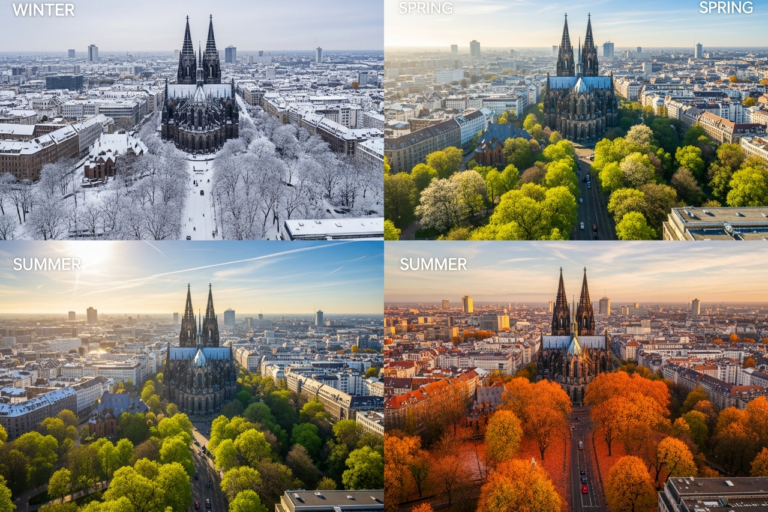
Key Highlights
-
Know that the weather in Germany can change a lot, from the high Alps to the flat land up north.
-
Check out the seasons; summers are mostly warm, and winters can be cold, much like it is in parts of Canada.
-
Learn that there are different weather conditions in each area. The south, with Munich, is usually warmer. The north, like Berlin, is often cooler.
-
Use good sources to get the latest weather forecast for Germany. It will help you plan what you can do each day.
-
Think about how the weather can change your plans in Europe. This counts for city trips or outside fun, too.
-
Before you go, look up what to pack. Base your picks on the weather forecast for each German city you want to visit.
Introduction
Are you from Canada and thinking about going to Germany? Knowing about the weather conditions will help you have a good trip in Europe. Germany is a big country. The weather changes a lot in different places. For example, berlin can be busy and city-like while the south has the Alps and looks very pretty.
This guide will tell you what to expect with germany weather. It can help you know what to pack for berlin and for other parts of the country. When you learn about the climate, you can be ready for your trip and enjoy everything germany gives you.
Seasonal Weather Patterns in Germany for Canadian Travellers
Germany’s weather can change a lot from one season to the next, just like it does in Canada. Summer in Germany can be warm, so it’s a good time to be outside. Winter gets cold, and you will see snow, mostly in the south. Spring and fall are not too hot or cold, but the weather can change fast.
It is a good idea to check the weather forecast before you go out. This way, you will know if there will be any severe weather or a jump in humidity. If you plan to visit Berlin or any place in Europe, it helps to know what weather to expect each season. So get set to see what winters and summers feel like in Germany, and watch how the temperature changes as you move around the country.
What Canadians Should Know About German Winters and Summers
For people in Canada, German seasons can seem a lot like home, but they each have something special. The summer days in Germany are warm and nice. This is a good time to see Berlin or go hiking in the country. The sun comes out, but there is some rain and more humidity, too. So, it’s smart to bring a light rain jacket with you.
Winter can be pretty cold in Germany, mostly from December to February. The temperature drops below freezing and snow falls often, most of all in the south where the mountains are. You get a great winter feeling at the Christmas markets, but you need to wear warm clothes, much like you would in a Canadian winter.
The cold you feel here has more humidity than many dry places in Canada. This winter cold is wetter. Make sure you are ready and know about severe weather alerts. With the right gear, you can enjoy seeing the snow, going to museums indoors, or just exploring all Germany has to show.
Temperature Ranges and Climate Differences Across Germany
Germany’s large size means you’ll find noticeable differences in weather conditions depending on where you are. The north, including cities like Hamburg and Berlin, tends to have a more maritime climate with milder, wetter winters and cooler summers compared to the south.
As you travel south towards Munich and the Alps, you’ll encounter a more continental climate. This means colder, snowier winters and warmer, sunnier summers. The mountainous regions, of course, have their own distinct alpine climate, which can change rapidly.
To give you a clearer idea, here is a sample of temperatures you might expect. These can fluctuate, so always check a current forecast.
|
City |
Average Summer High |
Average Winter Low |
|---|---|---|
|
Berlin (North) |
24°C |
-2°C |
|
Munich (South) |
24°C |
-4°C |
Planning Your Trip: Weather Tips and Forecasts
When you are getting your travel plans ready for Germany, it is important to check a weather forecast. The weather conditions, along with things like visibility, sunrise, and sunset, can help you know how to make the most of your trip. This way, you can plan each day better, whether you want to be in a city or out in the mountains.
A good weather forecast will tell you if you need to pack for the sun or get ready for rain. Below, we will share some good resources for forecasts about Germany. Plus, this section explains how the weather and changing weather conditions at different times can impact your plans while you are in the country.
Reliable Sources for Current and Long-Term German Weather Updates
Finding a good weather forecast is key when you want to plan your holiday in Germany. The good news is, you can find many online sources that share up-to-date and clear weather forecasts. These platforms give a lot of details, like hourly updates and even a forecast up to 14 days for cities such as Berlin and Munich.
If you need to plan for a short time, like a city break, look for a 7-day weather forecast. It shows you important things like temperature, chance of rain, wind, and even sunrise and sunset times. For a longer time away, for example a hiking or skiing trip, you might want a 10-day or 14-day forecast. This will help you get ready for different weather.
Here are some good places where you can get these weather forecasts:
-
BBC Weather: You can find clear 14-day forecasts here. They also share hour-by-hour updates or things like when the sun will rise or set.
-
National Weather Services: You can visit Germany’s official weather service, the Deutscher Wetterdienst (DWD). This has good local information and updates.
-
Reputable Travel Weather Sites: Many popular travel sites post the latest weather for different places in Germany, from big cities like Berlin and Munich to other parts of the country.
How Weather Impacts Travel Plans Throughout the Year
The weather conditions in Germany can really change how you enjoy your trip. If you see forecasts that show a week of sun, you might want to do more outdoor things. You can take nice walks in the vineyards of the Rhine Valley or visit parks in Berlin.
But if the forecasts call for rain or severe weather, it may be the best time to look for things you can do inside. There are world-class museums, art galleries, and historic places all over Germany that are great for spending a rainy day. Bad weather can also slow down travel plans, so it’s smart to check what the forecast says often.
Here’s how the weather can shape your plans:
-
Sunny Days: These are best for hiking, going on city tours, and sitting in beer gardens.
-
Rainy Days: It’s a good idea to visit museums, castles, and concert halls on these days.
-
Winter Snow: It makes Christmas markets in Germany look magical. But snow can also slow down travel, mostly in country areas or in the mountains.
Conclusion
To sum up, knowing the weather in Germany can make your trip better if you are from Canada. If you learn about the seasons and temperatures, you can plan your trip and pack the right things you need. It is good to check a trusted weather website for new updates. This can help to make the trip go well. Try to enjoy the weather in Germany, whether it is cold in the winter or warm in the summer. Use what you know and have a good time on your adventure. If you want to go, now is a good time to start planning your trip!
Frequently Asked Questions
Is there a big difference in weather between northern and southern Germany?
Yes, there is a clear difference. Northern Germany, like Berlin, usually gets milder and wetter weather. In the south, near Munich and the Alps, winters can be colder with more snow. Summers there are warmer too. This kind of weather shows a more continental climate. It is good to think about all these weather conditions when you plan your trip to Germany or other parts of Europe.
What is the best time of year to visit Germany for comfortable weather?
If you want to enjoy good weather in Germany, try to visit in late spring (May and June) or early autumn (September and October). The air is nice, and you do not get the big summer crowds at this time. Always check forecasts for Berlin or other places in Germany before your trip.
Are long-range weather forecasts in Germany accurate?
Long-range forecasts for Germany, like 10- or 14-day outlooks, help you see general trends that are coming. But the further out these forecasts go, the less accurate they get. For the best planning, use these forecasts as a guide. Always check a daily forecast or a 7-day forecast for more up-to-date details about the weather in Germany.



