

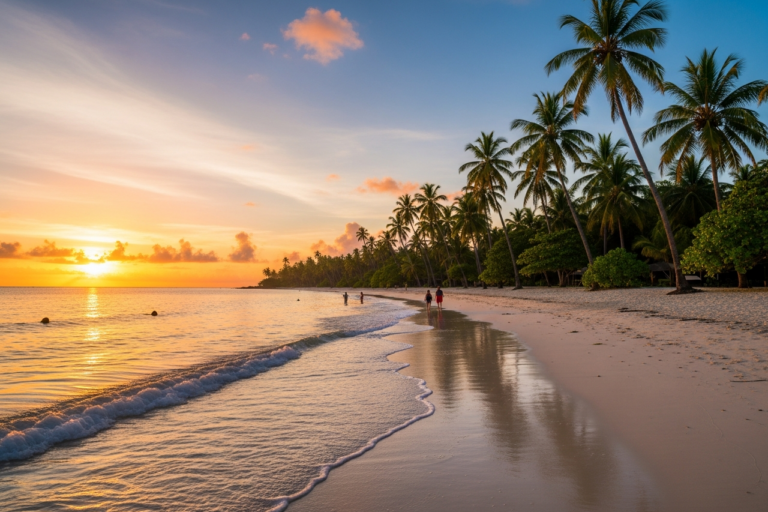
Key Highlights
-
Fiji has a warm and tropical climate all year. It’s a great place to get away from the cold winters in Canada.
-
There are two main seasons in the country. The wet season is from November to April. The dry and cooler months are from May to October.
-
Temperatures in Fiji stay warm most of the time. They are usually between 26°C and 31°C.
-
The weather in Fiji can change from place to place. The eastern parts are wetter and full of tropical rainforest. The smaller islands often have more steady weather.
-
If you want accurate weather information, you should use detailed weather apps instead of basic forecasts.
-
The best time to go is during the dry cooler months when the weather is most pleasant.
Introduction
Trading the snow in Canada for sun in Fiji sounds fantastic. But, what kind of weather can you expect there? Fiji is known as a tropical paradise, but the weather changes a lot with the seasons. If you know what the climate is like, it will help you make the most of your trip. Some people want sunshine all the time, while others may not mind if there is a short bit of rain. This guide explains what the weather is like in Fiji, when is the best time to go, and gives tips for what to pack. With good forecasts and weather news, you will know what to expect before your big island trip.
Understanding Fiji’s Climate — An Overview for Canadians
Fiji is warm all year, with a sub-tropical climate that often feels like summer does not end. This is great for people from Canada who want a change from the cold. The weather stays nice most of the time. Daily temperatures go from 26°C to 31°C in every season. It is not too hot, even when it is summer there.
There are only two types of weather in Fiji. One is a wet summer and the other is a drier winter. The big islands have lots of different land. You can see tropical rainforest in the rainy, eastern side and dry grass in the west. If you want accurate weather information, it helps to check more than the basic weather apps. Next, we will talk about how Fiji’s seasons work and what is different in each region.
Typical Temperatures Throughout the Year
Fiji’s temperatures remain wonderfully warm all year, which is a delightful thought for any Canadian. The seasons are defined more by rainfall and humidity than by major temperature shifts. The summer, which runs from November to April, is the warmer and more humid of the two seasons.
During these months, daily temperatures can reach up to 31°C, with average temperatures hovering around 25-26°C. The winter, or dry season, lasts from May to October. This period is slightly cooler, with average temperatures of 23-24°C and daily ranges between 19°C and 28°C. The coolest months are typically June, July, and August.
Here is a simple breakdown of what to expect:
|
Season |
Months |
Average Temperature Range |
|---|---|---|
|
Wet Season |
November – April |
25°C – 31°C |
|
Dry Season |
May – October |
19°C – 28°C |
Wet and Dry Seasons Explained
Fiji has two main seasons: the wet season and the dry season. Knowing the difference between them will help you plan what to do and what to pack for your trip. The wet season runs from November to April. During this time, the air feels sticky with humidity, and there are short but heavy rain showers, mostly in the afternoons.
These bursts of rain come fast and go away just as quickly. They often make the sunsets look amazing after. Even if weather forecasts warn about storms in the wet season, you will still get lots of sunshine. The rain at this time is good for Fiji. It brings the drought relief the islands need and helps keep everything green.
Here’s a quick summary of the two Fiji seasons:
-
Wet Season (Nov-Apr): Days feel long, warm, and sticky. Afternoons bring quick, strong showers of rainfall.
-
Dry Season (May-Oct): These months give you many sunny days, much less humidity, and nights that feel cool. There’s not much rain.
-
Water Temperatures: They stay warm all year. This is perfect for swimming and diving in the ocean.
Regional Weather Variations in Fiji
Not all places in Fiji have the same weather at the same time. The big islands, like Viti Levu and Vanua Levu, can get different weather because they have mountains and get winds from the southeast. This means the east side and the west side of the islands do not always feel the same.
The smaller islands are different. They usually have the same kind of climate all over. If you want accurate weather information for your trip, you need to know if you will be on the coast, inland, or if you will stay in a city like Nadi or Suva. So, it’s good to look at these differences for each area.
Nadi vs. Suva: What’s the Difference?
When you check weather forecasts for Fiji, you will see big differences between Nadi and Suva. These are the two main cities on Viti Levu island. Nadi is on the west side. This side of Fiji is dry and sunny most of the time. Many people come to Nadi because it has good weather for travel.
Suva is the capital of Fiji, and it is on the southeast side. This area gets a lot more rain. That gives Suva a green look with loads of plants. During the wet season, Suva gets even more rain, and it lasts longer than in Nadi.
Key differences to keep in mind:
-
Nadi (West): Dryer weather, sunshine, and not as much humidity.
-
Suva (East): More rain through the year, cloudy skies, and big rainfall, especially in the wet season.
-
Landscape: Nadi is near dry forests and grasslands, while you will find tropical rainforest around Suva.
Coastal vs. Inland Conditions
There are not just east and west weather changes in Fiji. There are also big differences between the weather in coastal and inland spots. The bigger islands have mountains inside, and these get much more rainfall than the coast does.
The mountain parts can catch clouds. This means there is more rain inside the island—some areas get up to 6000mm of rain every year, while the coast gets about 2000-3000mm. That makes the inland areas very green and great if you want to hike in a tropical jungle. Coastal places, mainly on the west side, are usually more sunny and dry.
When you plan your trip and what you will do in Fiji, remember these things:
-
Coastal Areas: These spots are mostly sunny and get more breeze, so they are good for beach fun.
-
Inland Areas: These are more wet and feel cooler, which is nice for hiking and checking out rainforests.
-
Rainfall: There is way more rain in the mountains than by the coast.
-
Visibility: If you want to go diving in Fiji, the visibility is good most of the time, but it can drop a little in summer because of plankton in the ocean.
Extreme Weather in Fiji
While Fiji mostly has nice weather, you should know about the chance of bad storms. Fiji can get tropical cyclones. These storms can be a big deal, especially at some times of the year if you want to visit.
The threat is not always there, but it’s smart to know about cyclone season. You should also learn the ways local people get ready for storms. Keeping up with the latest weather news and reading official updates will help you stay safe and have a good time. Next, we will talk about cyclone season and other weather patterns in Fiji.
Cyclone Season and Storm Preparedness
The official cyclone season in Fiji is from November to April. This lines up with the wet season. There is a higher chance of cyclones to form during this time. Still, cyclones do not happen often, and Fiji is ready for storms.
Resorts and local teams know how to handle storms. They focus on keeping residents and guests safe. If a storm comes up when you are there, it is key to listen to what they say. Check long-range forecasts before you head to Fiji, but be aware that weather in the tropics can change fast.
To stay safe, always:
-
Pay attention to local weather alerts and news.
-
Follow all instructions from your resort staff or local officials.
-
Have a flexible mindset, as activities may need to be rescheduled.
Humidity, Rainfall Patterns, and Traveller Tips
Humidity is an important part of the weather in Fiji, mainly in the wet season from November to April. The days in this time are warm and full of humidity, so it is a good idea to bring a reusable water bottle. Staying hydrated is important. There is rainfall too, with most showers being quick and heavy in the afternoon. These bursts of rain can feel nice and bring some relief.
Do not worry too much about the rain. Most of the time, the showers do not last long and the sun comes back soon after. If you want the best rainfall forecasts, try a detailed weather app such as “Windy”. Many find this is better than an app like Accuweather, which might give a forecast of storms all week when it is only a short bit of rain each day.
Here are a few tips for travellers:
-
Hydration: Drink lots of water, more so during Fiji’s wet season and high humidity.
-
Diving: The water is good for diving all year. In summer, though, visibility under the water can be a bit less.
-
Packing: Bring a light rain jacket. It will be handy for the short, surprising bursts of rain.
-
Forecasts: Look for more detailed weather apps to plan your days right.
These tips can help make your time in Fiji stay dry, safe, and fun during the wet season.
When is the Best Time for Canadians to Visit Fiji?
If you want to know when to book your flight from Canada to Fiji, the best time depends on what you want out of your holiday. If you like sunny days and less humidity, go in the dry season. This is a good time for outdoor activities because the weather is nice.
The cooler months from May to October are often seen as the best time to go. During these months, you get warm days, cool nights, and there is not much rain. Let’s look at the different parts of the year and see what you can expect with weather, crowds, and what the trip will be like.
Seasonal Highlights and Ideal Months
For many travellers, the ideal time to visit Fiji is during the dry season, which spans from May to October. The months of June, July, and August are particularly popular, offering the coolest and driest weather of the year. This is the perfect time for hiking, exploring, and enjoying the beaches without the high humidity of the wet season.
The shoulder months of April, May, September, and October are also excellent choices. You’ll find a great balance of beautiful weather, warm water for diving, and potentially fewer crowds than in the peak July-August period. The wet season, from November to March, is hotter and more humid but can offer lush green scenery and great deals.
Here are the ideal months based on activity:
|
Activity |
Ideal Months |
Weather Conditions |
|---|---|---|
|
Sunbathing |
June, July, August |
Sunny, dry, lower humidity |
|
Hiking |
May – September |
Cooler, less rain |
|
Diving |
June – September |
Excellent visibility |
|
Budget Travel |
November – April |
Lower prices, more rain |
Navigating Holiday Crowds and Weather
The time you want to travel can change the weather you get and how many people you will see in Fiji. The top time for tourists in Fiji runs from June to September. The weather is the best then, and schools in Australia and New Zealand are on break. So, there will be bigger crowds and higher prices.
If you want things to be more quiet, try to travel in April, May, or October. The weather in these months is still very good. You will also see fewer people, and you might find some good deals. The smaller islands in Fiji are a good pick if you want to stay away from their busy spots.
Keep these things in mind:
-
Peak Season (June-Sept): The weather is at its best but lots of people come for holidays.
-
Shoulder Season (Apr-May, Oct): You get great weather with not as many people there.
-
Low Season (Nov-Mar): It is hot, there is more rain, and it’s more humid, but you get fewer crowds and lower prices.
Conclusion
To sum up, knowing about the weather in Fiji can help you get the best out of your trip as a Canadian. It is good to understand the seasons, how high the humidity can get, and that there may be storms. This way, you can be ready for anything. You may want to relax in the sun during the dry time or take in how green everything is after it rains. If you know what is likely to happen with the weather, you will have a smoother trip. So, pack what you need, keep an eye on local weather forecasts, and get set for a great time in Fiji! Have a safe trip!
Frequently Asked Questions
Can I check the live weather in Fiji before I travel?
Yes, you can do this! If you want the most accurate weather information, try using detailed apps like “Windy” instead of general ones like Accuweather. These apps help you get a clear view of tropical weather patterns. You can see an hour-by-hour forecast for things like rainfall, sunshine time, and visibility. This way, you will be ready for your trip.
Will I need to pack for rain in Fiji?
It’s smart to bring a light rain jacket with you, no matter when you go. You might get a little rain, even in the dry season. If you visit during the wet season—from November to April—you can be sure there will be some rainfall. But don’t worry, it often just rains a little bit in the afternoon and then stops.
Where can Canadians find official weather updates for Fiji?
For correct and up-to-date weather news in Fiji, the Fiji Meteorological Service is where you should go first. Their website has clear forecasts, warnings, and other details about the weather. When you arrive, you can also follow local weather news to know about any fast changes. This helps you be safe and plan your trip to Fiji well.



