

Key Highlights
-
Ethiopia has many climate zones. You will find cool highlands in Addis Ababa and hot lowlands.
-
The main rainy time is from June to September. The dry season runs from October to May.
-
It is a good idea to check weather news and the latest forecasts before your trip because the weather changes by region.
-
Ethiopia’s high altitude gives it milder weather than some other African countries, even though it is at the equator.
-
Climate change is causing weather patterns to shift, so it’s important that you review the latest forecasts.
-
In Ethiopia, sunrise and sunset times do not change much all year. Days stay long, letting you enjoy more sun.
Introduction
Planning a trip from Canada to the beautiful lands of Ethiopia? It’s important to know about the weather conditions there. Ethiopia’s weather is not like the usual four seasons you may have in Canada. Instead, the country has a mix of wet and dry times. The air temperature changes a lot from one part of Ethiopia to another. This guide shares the latest news on the weather. It helps you pack the right clothes and makes sure you are ready for your travel. You will know more about what the Ethiopian weather can bring during your new adventure.
Overview of Ethiopia’s Climate for Canadian Travellers
For a Canadian looking to travel, you might find the weather in Ethiopia feels really nice. You do not have to deal with cold winters here. The country has a tropical climate, but the high land makes it cooler. The weather conditions can be very different depending on where you are in the country. This happens because of the land’s shape and size.
Climate change is starting to show in Ethiopia, too. That is why it is smart to check updated forecasts before you make your plans. In this part, you will learn about Ethiopia’s main climate zones and what the weather is like in top cities.
General Climate Zones and Regional Variations Across Ethiopia
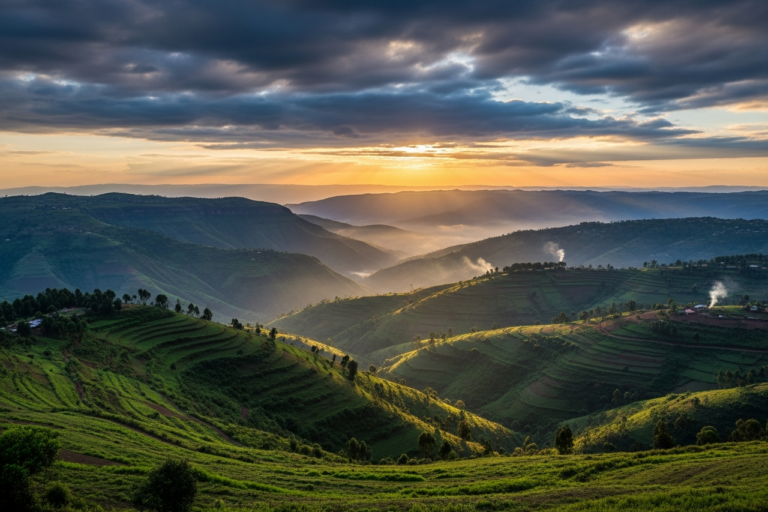
Ethiopia’s weather is not the same everywhere. This is because the country has many different heights across its land. In the high areas, such as where Addis Ababa is, you will see cooler and mild weather. On the other side, in the low areas like the Danakil Depression, you will find some of the hottest spots in the world.
Because the country changes a lot from area to area, you might need a light jacket in the mountains in the morning. By the afternoon, you may need to look for shade in a dry and hot valley. These changes in the land also have an effect on visibility. You can see well in the dry time, but when a big rain comes, you might not see as far.
Ethiopia is close to the equator, so the time of sunrise and sunset does not change much in the year. Most of the time, you can plan on getting about 12 hours of daylight each day to see and do things. Knowing these weather and daylight changes will help you plan your trip to Ethiopia, especially if you visit Addis Ababa or want to watch a nice sunrise or sunset.
Average Temperatures and Weather Patterns in Major Cities Like Addis Ababa
Addis Ababa, Ethiopia’s capital, enjoys a surprisingly mild climate due to its high elevation of over 2,300 metres. The weather conditions here are often described as “spring-like” year-round. You won’t find extreme heat; instead, you’ll experience pleasant daytime temperatures and cooler nights.
Humidity levels can fluctuate, especially during the rainy season, and you might notice gentle winds, often measured in mph. Checking the latest forecasts before you arrive is always a good idea, as weather can change. For instance, a typical day might see sunny spells interspersed with brief showers.
To give you a better idea, here’s a look at the typical weather in Addis Ababa.
|
Weather Detail |
Typical Reading |
|---|---|
|
Average High Temperature |
22°C – 25°C |
|
Average Low Temperature |
13°C – 15°C |
|
Wind Speed |
5-12 mph |
|
Visibility |
Generally Good to Moderate |
|
Humidity |
46% – 76% |
Seasonal Highlights in Ethiopia – When to Visit
When you decide the time to go to Ethiopia, it often depends on what you want to see and do in the country. The weather conditions here come from two main seasons. There is a long rainy season and also a long dry season.
The dry season runs from October to May. This is a good time for people who want to see Ethiopia, as the weather has sunny skies and nice, cool air.
The rainy season helps by giving much needed drought relief. It makes everything green and lively. But, the rain can make it hard to travel in some parts of Ethiopia.
Let’s look a bit closer at what each season brings, so you can plan your trip when it works best for you.
Rainy and Dry Seasons Explained for Canadians
For Canadians who do not know much about warm countries, Ethiopia’s seasons are pretty simple. There are two main seasons: one long rainy season and one long dry season. These two times of year set the tone for daily life and travel.
The main rainy season, called Kiremt, is from June through September. At this time, there are many heavy showers, often in the afternoon. This rain is important for giving drought relief and makes the highlands full of bright green colour. There is a second, shorter rainy season named Belg from February to March in some parts of the country. The dry season, called Bega, begins in October and ends in May. During Bega, you will see clear skies and lots of sun.
Here’s a quick breakdown:
-
Dry Season (Bega): October to May. This is the busy tourist time with nice weather.
-
Short Rains (Belg): February to March. This impacts some parts in the south and east.
-
Main Rainy Season (Kiremt): June to September. Expect rain every day and lots of green landscapes.
Before you travel, it’s a good idea to look at reliable forecasts on AccuWeather because weather in Ethiopia can change. This will help you make your plans better.
Comparing Ethiopian Weather to Other African Destinations
When people think of weather in Africa, they sometimes expect it to be really hot. But in Ethiopia, that’s not always true. Because of the high ground in the centre of the country, a lot of places there have weather that feels cooler and more gentle than other African places near the same line on the map. The weather conditions in the Ethiopian highlands are often cooler and feel nice.
For example, the heat in West Africa or along the coast in East Africa can be almost too much and feel sticky. But in Addis Ababa, the weather is often like a good spring or fall day in North America. This also makes addis ababa a good spot to visit for people who do not like much heat.
There are times in Ethiopia, during the rainy months, when you can get strong afternoon rain showers. The way these storms fall can be like the summer weather in texas or the carolinas, even though the main weather conditions in ethiopia are not really the same. Ethiopia is different because it has both cool high lands and hot low lands, making its climate stand out from the rest of Africa.
Frequently Asked Questions (FAQ)
Understanding the weather in Ethiopia raises lots of questions. People ask about the normal temperatures in Addis Ababa. They want to know how these change with the seasons. There is also talk about humidity and what kind of weather to expect, like sudden shifts or storms. Many look for the latest forecasts from AccuWeather and weather news in the area. This helps them get ready for outdoor plans. Knowing what to expect makes the trip feel relaxing, almost like a brown bear that waits for spring after hibernation.
Why Is Addis Ababa’s Weather Cooler Than Other Parts of Ethiopia?
Addis Ababa has a cool and nice weather because it is so high up. The city sits on a big flat area, about 2,355 metres above sea level. That is why it is not as hot as other places in Ethiopia that are lower down. This height helps keep the air mild, so the weather stays comfy all year in Addis Ababa.
Does Ethiopia Experience Extreme Weather Events?
Ethiopia does not often have big events the way a tornado or hurricane can hit other places. But the country is still known for having times of strong weather. Droughts and floods are the main problems in Ethiopia. There can be times when there is not enough rain, which can make things hard for people there. The rainy season, on the other hand, can bring a lot of rain in a short time. This can mean some areas get flooded. People wanting weather news about Ethiopia should know about this.
Where Can Travellers Find Reliable Weather Updates for Ethiopian Cities?
If you want good weather news and forecasts for your travels in Ethiopia, you can use international weather services. Websites and apps like AccuWeather and BBC Weather have clear daily and 10-day forecasts for the big cities. These help you plan what to do and know what to take with you on your trip.
Conclusion
To sum up, if you want to travel to Ethiopia from Canada, it’s good to know about the weather. Ethiopia has many climate zones and seasons, so there is something for everyone. In addis ababa, the weather is cool. The rainy season brings green and lively views to the country. When you know what temperatures and seasons to expect, you can plan a better trip.
Before you leave, always check a good source for weather updates. This helps you get ready and change your travel plans if needed. Go and explore the beauty and culture of Ethiopia. Be ready for a trip you will never forget in addis ababa and other beautiful spots in ababa and across the country.



