

Key Highlights
-
Colombia does not have the usual seasons that some other places have. The weather in Colombia depends a lot on altitude and where you are in the country. This is why there are different climates across Colombia.
-
There are two main times of the year you should know about: dry seasons and rainy seasons. The dry seasons happen from December to March and from July to August. The rainy seasons come in April to May and October to November.
-
The average temperature can change a lot in this country. It is hot and humid if you go to the Caribbean coast. In the Andes mountains you will feel that it is cool and fresh.
-
The best times to go to Colombia for outdoor plans are usually during the dry seasons. There is less rainfall in these months, which makes it better for being outside.
-
When you pack for Colombia, it is important to bring layers. You can get different weather in one day, so this helps you get ready for what the day may bring.
Introduction
If you are thinking about going from Canada to Colombia, you are in for a treat. One great thing about Colombia is its different weather. This happens because Colombia is near the equator, so the country does not have four clear seasons like we do. The average temperature and weather in Colombia change mostly because of altitude. This means you can start your day in a cool mountain city having coffee, then end up at a warm beach by the afternoon.
Understanding Colombia’s Unique Climate Zones
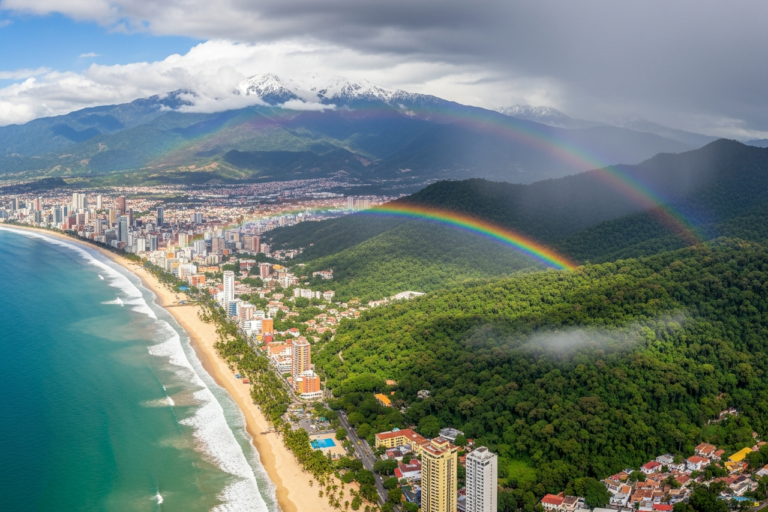
Colombia has many natural regions. These places each have their own weather. Colombia sits right on the equator. So, the country does not have summer or winter like other places. You get different climates all across the land. You can go from hot, wet jungles to cold mountain tops.
This mix of weather helps make Colombia a country with a lot of biodiversity. Altitude, the shape of the land, and how close you are to the coast all change how the weather feels. Each region is special. Let’s see how altitude and the main natural regions in Colombia change what kind of weather you get.
How Altitude Impacts Temperatures Across the Country
One big thing that drives Colombia’s weather is altitude. The simple way to look at it is: the higher you go, the colder it gets. If you are at sea level on the sunny coast, the average temperature can get up to 30°C. This makes a warm, tropical place that is great for those who want the beach.
When you move away from the coast and go up into the Andes mountains, you will find that the air gets cooler. Cities like Bogotá are about 8,600 feet up. These spots have a much lower average temperature. The days can feel mild, but some nights can get pretty chilly. This idea is called “thermal floors” and it means Colombia lets you feel many different temperatures over a short distance.
This change in average temperature is even stronger in some high places. For example, in sierra nevada de santa marta, or at Parque Nacional Natural Los Nevados, it can feel much colder than at sea level. There, you may find the temperature drops below 5°C. Sometimes, you could even see snow, which is very different from the heat you find down in Santa Marta near the ocean. So, when thinking about where to go, always keep the altitude of your destination in mind.
Major Regions: Caribbean Coast, Andes, Amazon, and Pacific
Colombia has many types of landscapes. You can split them into big regions, and each has its own climate. Knowing this will help you pack and plan what you want to do.
The Caribbean coast has cities like Cartagena and Barranquilla. It is warm and humid all year. The Andes, with cities like Bogotá and Medellín, are higher up. It is cooler there, almost like spring. The amount of rainfall is not the same in each region.
Here’s what you will find in other important parts:
-
Pacific Coast: This place gets a lot of rain every day. That helps it stay green and supports plenty of biodiversity.
-
Amazon Region: The Amazon has high humidity and a climate near the equator. Rainfall happens often, but sometimes there is sun between rainy times.
Seasons in Colombia: What to Expect Year-Round
Forget what you know about autumn, winter, spring, and summer. In Colombia, the idea of seasons is different. Here, people talk about the dry seasons and the rainy seasons. The temperature does not change much in Colombia all year, but the rainfall, or the amount of precipitation, does.
It is a good idea to think about these changes. If you want to travel or plan to drive in the countryside, the weather could impact your trip. The dry seasons are better if you want stable weather. During the rainy seasons, you see more green and fresh landscapes. Now, let’s talk about when these dry and rainy seasons happen in Colombia and how they can be different in each part of the country.
Dry and Rainy Seasons: Timing and Regional Variation
Generally, Colombia experiences two dry seasons and two rainy seasons. The dry seasons typically run from December to March and again from July to August. These months are often considered the best for travel, offering sunny skies and less chance of precipitation interrupting your plans.
Conversely, Colombia’s rainy season periods are concentrated between April and May, and then again from October to November. During these times, the landscape becomes incredibly vibrant and green. While the rain might affect some activities, it also means fewer crowds and potentially lower prices. The rain provides drought relief and sustains the country’s lush ecosystems.
It’s crucial to remember that these patterns aren’t uniform across the country. The Andes region may have two distinct rainy periods, while the Caribbean coast tends to have one prolonged wet season and one dry season.
|
Season |
Typical Months |
What to Expect |
|---|---|---|
|
Dry Season 1 |
December to March |
Sunny, less rain, ideal for outdoor activities. |
|
Rainy Season 1 |
April to May |
Increased precipitation, lush green landscapes. |
|
Dry Season 2 |
July to August |
A mid-year break with drier weather. |
|
Rainy Season 2 |
October to November |
The wettest months in many regions. |
Typical Weather Patterns by Month for Canadian Travellers
If you plan your trip to Colombia month by month, it helps to know what the weather will be like. Canadians who want to leave the cold behind find December to March to be a great time to visit. This is the dry season in most of Colombia. There is lots of sunshine, mainly near the coast.
October and November are the months with the most rain in many areas. The Andean and Pacific regions get the worst of it. If you travel in these months, make sure you bring waterproof gear. There is high precipitation, so it is good to check the forecast before you plan what to do each day.
Thinking about a summer visit? June and July usually give a nice break from the rain in a lot of places. You might get some showers, but the weather is better than during the rainiest months. This is a good time for city walks in Medellín or going hiking in the mountains.
Conclusion
To sum it up, knowing about the weather in Colombia is important for Canadian travellers. It helps you enjoy the trip and makes it easier to plan. The country has many types of climate. Seasons are different in each area. If you know the weather, you can pack the right clothes, and do activities that fit well with it for the caribbean coast or the andes. This lets you make the most out of your Colombian adventure. When you get ready to go, be excited to see the different climates in this great place. If you want travel tips or need help, you can ask any time for a consultation!
Frequently Asked Questions
How accurate are weather forecasts in Colombia?
Weather forecasts in Colombia are often good for the next one to three days. This is true for AccuWeather and other major sources. Still, you need to know that the country has a lot of mountains. Because of that, things can change fast. You can use these forecasts to get a sense of what kind of precipitation to expect. But, they do not always tell you the exact time it will rain. Severe weather and fog can show up in some places with almost no warning, so always be ready for a change.
How does the weather in Bogotá compare to other major cities?
Bogotá is much cooler than most other big Colombian cities because it sits at a high altitude. The weather in Bogotá feels cold and fresh, almost like spring. Medellín, on the other hand, is warmer and softer with its climate. If you go to the caribbean coast to places like Cartagena or Barranquilla, you will notice that it is hot and sticky all the time. Cali stays warm almost every day, which is why people call it “the city of eternal spring.”
What should Canadians pack for different Colombian climates?
For Colombia, you need to be ready for different climates. If you are going to places with high humidity on the coast, pack light clothes that breathe well. When you visit high-altitude spots like Bogotá, you should bring sweaters, a waterproof jacket, and closed-toe shoes. If you will go hiking in the Colombian jungle, make sure to take insect repellent and a rain poncho with you. These tips help you enjoy your recreation time in Colombia, no matter the altitude or humidity.



