

Key Highlights
-
Chile is a long country. Because of this, the weather can change a lot from one place to another. The northern region has the Atacama Desert, which is the driest place on Earth. In the south, the weather is mild.
-
Central Chile, which has Santiago, has a Mediterranean climate. There is a hot and dry summer season. The winter months are mild but have some rain.
-
Northern Chile is dry but not too hot. The Humboldt Current along the Pacific Coast keeps the area cooler.
-
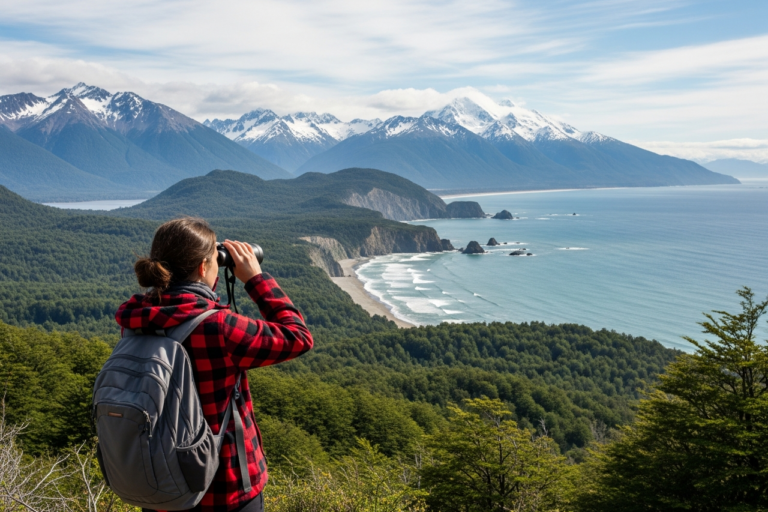
Southern Chile, which has Patagonia and Punta Arenas, is cooler and wetter. There are glaciers. The weather there can be hard to predict.
-
The best time to go will depend on where you want to visit in Chile. The summer season is the right time for Patagonia, but winter months are good if you want to ski near Santiago.
-
Weather conditions can be very different along the Pacific Coast or farther inland. This affects things like average monthly temperatures and how much rainfall there will be.
Introduction
Are you planning to go from Canada to Chile? You are about to go on an adventure in South America. Chile is a long and thin country. It is about 4,300 km from top to bottom. The weather conditions in Chile can be very different from place to place. You will find many types of weather here.
There are hot deserts and cold glaciers, and many different climates in between. To get the most out of your trip, it helps to know about the weather in Chile before you pack your things. This guide will help you know what weather to expect, no matter when you go.
Understanding Chile’s Climate Zones
Chile is a country in South America. It is long and narrow, which gives it many different climate zones. Because of the country’s shape and latitude, the weather changes a lot from one place to the next.
In northern Chile, there is a dry desert climate. Central Chile gets a nice Mediterranean climate and often feels mild. Southern Chile is much cooler and wetter. Its weather feels more ocean-like. This is helpful to know when you make your travel plans.
Desert Regions in Northern Chile
Northern Chile has the amazing Atacama Desert. It is known as one of the driest places on the planet. This part of Chile, close to Peru and Bolivia, gets very little rainfall every year. If you visit towns like Tarapacá or Antofagasta, you will find dry weather.
The tropical latitude might make you think it gets hot, but it stays nice and cool. This is because the cold Humboldt Current moves by the Pacific coast. It keeps the temperature from getting too hot. You should know, though, that it can get much colder at night.
If you go to the Atacama Desert, even though it is the driest place to be, you will still need layers. Take a jacket, sweater, and long pants for when it gets cold in the evening. The winter months, from June to August, are known for having some of the best nights to see the stars in the world.
Mediterranean Climate in Central Chile
Welcome to Central Chile. This area is known as the agricultural heartland of chile and also includes santiago. Central chile has a mediterranean climate. What this means is you get warm, dry summers and winters that are mild and have more rainfall. If you have seen california weather, this will feel familiar.
In the summer, the average monthly temperatures be around 28°C. There is lots of sun during this time. From May to August, it is the rainy season, but the rainfall is moderate. It usually does not stop you from doing what you want to do. The area is close to the pacific coast, so the climate stays pleasant.
This nice mediterranean climate make central chile a good place to visit any time of year. It does not matter if you want to check out vineyards or walk around santiago, because most of the time you get good weather here. Even during the summer, remember that nights can be cool. You want to take a light jacket with you just in case.
Temperate and Subpolar Conditions in Southern Chile
When you go to Southern Chile, you will see that the land and weather change a lot. This part of Chile has the beautiful lakes, forests, and big glaciers of Patagonia. The weather in Southern Chile is cooler and wetter. Many people say it feels like the Pacific Northwest in the United States. Cities such as Puerto Montt and the well-known Torres del Paine National Park get a lot of rainfall.
In Southern Chile, the weather can change fast. One day, you might see sunshine, light rain, and strong wind. In Punta Arenas, where many people begin trips to Antarctica, the weather is windy and cold in every season.
If you get ready for a trip to Southern Chile, it is smart to wear layers. You also need a jacket that keeps out wind and water, no matter what time of year it is. The glaciers and steady rainfall have shaped the big sights in this area. It is a good place to see how powerful nature is in this wild part of Chile.
Seasonal Weather Patterns Across Chile
Because Chile is in the southern hemisphere, its seasons do not match up with what we see in Canada. The summer season in Chile goes from December to February. The winter months are from June to August. You should keep this in mind when you plan your trip.
There are big changes in average monthly temperatures and rainfall from season to season, and from one part of Chile to another. The south can be warm and nice in the summer, but at the same time, the north can be very hot and dry. Now, let’s look at what you can expect during Chile’s summer season and winter months.
Summer Weather in Chile (December to February)
Chile’s summer season is the best time for travel. In central Chile, you will get hot and dry weather. This is great for being outside and exploring Santiago or the vineyards nearby. The average monthly temperatures stay at about 28°C. If you like outdoor things to do, this is a good time for you.
When you go north to the Atacama Desert, days feel warm but nights still get a bit cold. It is smart to pack clothes that you can wear in layers. If you want to visit Patagonia or the higher mountains in the south, the summer season is the best time for that too. The weather is warmer and more steady. Even on Easter Island, the average temperature is about 28°C, so it is nice out.
With all this good weather, there will be more people visiting and the prices go up in the most popular places. If you want to get the best hotels or tours, book your spot early. This will help you enjoy the best of what Chile has to offer in summer.
Winter Weather in Chile (June to August)
The winter months in Chile give you a whole new way to see the country. In Central Chile, including Santiago, winter is more chilly and wet. This is when most of the rainfall shows up. The snow comes to the Andes mountains nearby, turning them into a great spot for skiers and snowboarders.
In Southern Chile, winter has cold weather, more rainfall, and snow in many spots. Some parks and trails may not be open. The areas with glaciers look very special at this time and show their bold, different side. In Santiago, winter lows can drop to about 7°C. Down in the south, it can get even colder.
Even with the lower temperatures, winter months can be a good time to visit Chile. There will be less people around and maybe better prices. Canadians who do not mind some cold will get a chance to see wild and different parts of Chile during the winter months. It can be a great way to explore central Chile, southern Chile, and areas around glaciers.
Weather Variations: Coastal vs Inland Cities
Chile has a long Pacific coast. Because of this, the weather conditions can be very different in coastal cities compared to inland places. The cold Humboldt Current moves along the coast. Its effect helps cool things off and keeps the temperatures steady. It also creates special kinds of fog. So on the coast, the average monthly temperatures are not too high or low because of the Humboldt Current.
In the inland cities, people get bigger changes in temperature during the day and at night. These cities do not get much help from the ocean’s effect. This means summers can get hotter and winters can feel cooler away from the water. It is good to know about these things and learn about the weather conditions before you pack your bag for a trip to Chile’s Pacific coast.
Santiago Weather Trends for Canadian Travellers
As an inland city in Central Chile, Santiago experiences the classic Mediterranean climate. Summers are warm and dry, while winters are cool and bring more rainfall. When you’re travelling from Canada, you’ll find the weather in Santiago to be quite pleasant for most of the year.
The average monthly temperatures in summer can reach up to 30°C, perfect for enjoying the city’s parks and outdoor cafes. In winter, temperatures drop, with lows around 7°C, and you’ll see more cloudy days and some rain. According to sources like AccuWeather, the city enjoys a lot of sunshine, especially from November to March.
For a clearer picture, here’s a quick look at Santiago’s typical weather patterns:
|
Season |
Average High |
Average Low |
General Conditions |
|---|---|---|---|
|
Summer (Dec-Feb) |
28°C – 30°C |
13°C – 15°C |
Hot, dry, and sunny |
|
Winter (Jun-Aug) |
13°C – 15°C |
3°C – 7°C |
Cool, partly cloudy, with some rainfall |
Coastal Cities in Chile: What Canadians Should Know
The weather in Chile’s coastal cities is shaped by the Pacific Ocean and the cold Humboldt Current. This makes the climate more mild and cloudy than it is in places inland. Cities such as Valparaíso, Viña del Mar, and even farther south like Concepción and Valdivia, each have their own special weather.
The Humboldt Current helps keep summers from getting too hot, and it also helps winters from being too cold for that latitude. Coastal fog, called “camanchaca,” shows up a lot, especially in the north. When you go south to places such as Valdivia, you will see high rainfall. They get this in thousands of millimeters each year, so their land stays very green.
What should you keep in mind for coastal Chile?
-
Expect mild temperatures all year, not hot or cold like some inland areas.
-
Be ready for morning fog, more so in cities in the north by the coast.
-
Bring a windbreaker because winds at the coast can last all day.
-
In the southern places like Valdivia, you will want a strong raincoat, because there is a lot of rainfall.
Conclusion
To sum up, knowing about the weather in Chile is important if you are traveling from Canada. The country has many types of climates, from dry deserts up north to cooler and wetter places in the south. Every area in Chile has its own weather that can change what you can do there. If you take some time to learn about the weather in different parts of Chile, you will know what to expect. This helps you plan better for your trip.
No matter if you want to see busy cities or relax by the sea, being ready for the weather makes your time in Chile much better. If you want advice that fits your travel plans, feel free to reach out!
Frequently Asked Questions
Are there any extreme weather events Canadians should watch for in Chile?
Yes, Chile can have some rough weather conditions. There can be a lot of rainfall and flooding, mostly in the central and southern parts in the winter. Because of climate change, the strength of the rain and floods can change. It is always a good idea to look at local advice about weather conditions before your trip and while you are there.
What is the best time of year for Canadians to visit Chile based on weather?
The best time to go to Chile depends on where you want to visit. If you want to see Patagonia, the weather is best in the summer, from December to February. If you want to go skiing in the Andes, winter is your best choice, between June and August. If you want fewer people and nice days, spring and autumn have good average monthly temperatures all over Chile.
Where can Canadians find reliable weather forecasts for their trip to Chile?
For the most reliable and up-to-date weather conditions in Chile, you can use worldwide weather websites and apps. Websites like AccuWeather give you detailed forecasts every hour and for 10 days ahead in Santiago. This is a good way to help you plan what you will do each day and decide what to pack for your trip.



