

Key Highlights
-
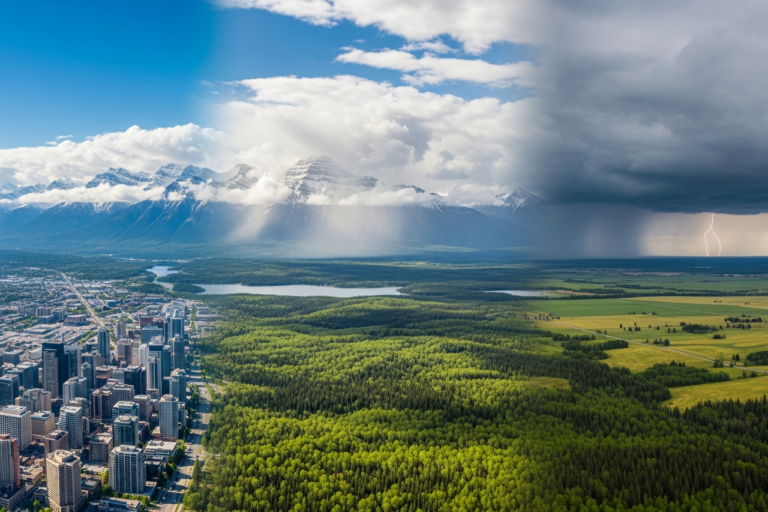
The weather in Canada can be very different in each place. British Columbia has a mild climate, but it gets much colder in Toronto and Ottawa.
-
It is important to know about each climate zone before you plan your trip. The weather can be very different from one province to another.
-
Climate change is making weather less predictable in Canada. You should always check reliable weather forecasts and stay updated with alerts.
-
Severe weather like winter storms and wildfires can happen. To stay safe, always get the latest news from official channels.
-
For climate data and up-to-date forecasts, you can use services such as the Canadian Centre for Climate Services to plan well for your trip.
-
This guide is here to help you with Canada’s weather, no matter which season it is or where you go.
Introduction
Welcome to Canada, a place so big that the weather can be different wherever you go. From the Atlantic all the way to the Pacific, and even up near the Arctic, the climate in Canada can change a lot. You might be thinking about a city trip or ready for some time outside. No matter what, it’s important to know about the weather. Climate change is starting to change weather patterns too, so it’s really important to get the right climate data and forecasts. This guide will show you everything you need to know about Canada’s weather.
Understanding Canada’s Diverse Climate Zones
Canada is a big country, so you get different types of weather in each area. On the west coast, the weather is mild because it is close to the ocean. The prairies have hotter summers and colder winters. In eastern Canada, you will find warm summers and cold, snowy winters with lots of rain throughout the year. Up north, the weather is very cold and known for its harsh Arctic conditions. All of this means people in Canada see many kinds of weather.
Because the climate is different in each place, weather forecasts in one city might not be the same as in another, even on the same day. With climate change, these weather patterns are changing, and you may see more severe weather. This makes it more important than ever to check the latest forecast. Now, let’s look closer at these regional differences across Canada.
Differences Between Provinces and Territories
The weather you get in Canada will change a lot depending on if you are in a province or a territory. The provinces are in the south of Canada. Most of these have a climate that is not too hot or cold. The three territories to the north have much harsher weather. For example, you will find that summers in southern Ontario can be hot and sticky, but the north has long, cold winters and short summers that stay cool.
The land in each part also shapes the climate. There are the big Rocky Mountains in the west. You will find the Great Lakes in the middle. In the east, there is the Atlantic Ocean. These places make weather very different from one part of Canada to the next. This is why a forecast for British Columbia on the coast can be very unlike the weather in the open flatlands of Saskatchewan, even on the same day.
Climate change is making these local weather patterns stand out even more now. If you know the weather of the area you want to visit—like a province or a territory—it will help you pack the right clothes and enjoy your time better.
Factors Influencing Regional Weather Patterns
Many things shape the weather across Canada. One of the biggest reasons is latitude. The south is warmer, while the north is colder because it stretches up into the Arctic. Being close to large lakes or the ocean, like the Great Lakes, can also change the weather. These places often have softer winters and cooler summers, especially near the coast.
The shape of the land, like mountains, also plays a big role. Mountains can keep wet air on one side, so it can rain a lot there. On the other side, it can be very dry. Because of climate change, severe weather is happening more often, and some patterns are getting stronger.
Here are some of the main things that influence the weather in Canada:
-
Latitude: This shows how far north or south a place is.
-
Bodies of Water: Oceans and big lakes keep things not too hot or cold.
-
Elevation and Mountain Ranges: They change how much rain or snow falls and how warm it gets.
Regional Weather Highlights Across Canada
Exploring Canada gives you a chance to see many kinds of weather. The west coast is known for having mild and wet winters. Summers there are warm but not too hot. If you go to the prairies, get ready for cold winters with lots of snow and summers that are hot and dry. Central and Atlantic Canada have all four seasons. You will find winter there with heavy snowfall, and the seasons can change fast.
When you plan your trip, it will help to check weather forecasts for every place you want to go. The climate change means that old weather numbers can help, but they do not tell the full story. The weather can change most days. Now, let’s see what the weather is like in both the east and west of Canada.
Typical Conditions in Eastern Provinces (Ontario, Quebec, Atlantic Canada)
Eastern Canada covers places like Ontario, Quebec, and the Atlantic provinces. The area has all four seasons. In summer, cities such as Toronto and Ottawa get warm and humid weather. July and August often go up to 26 or 27°C. There are many daylight hours after sunrise, so it’s a good time to be outside.
The cold season is very different. Winters can get cold and snowy in Toronto and Ottawa. The forecast might suggest January is between -15°C and -2°C. You’ll need to dress up warm if you want to enjoy winter festivals or go on a ski weekend.
Spring and autumn have nice, mild days. Still, the weather can change fast. One day, there may be a cold snap, but the next day could feel more like summer. So, it’s smart to check the forecast often and get weather alerts, especially when you’re travelling to canada on those in-between seasons.
West Coast & Pacific Influence (British Columbia, Vancouver)
The weather on the west coast of Canada is shaped by the Pacific Ocean. This gives the area a climate that is not like the rest of the country. British Columbia, and cities like Vancouver, get the mildest winters in Canada. When Toronto has deep snow, it can be mild in Vancouver. The winter temperatures there often stay between 0°C and 8°C. You will see more rain than snow.
In the summer, Vancouver is warm and dry. The average high is about 22°C. This nice weather brings many people to the city. But now, because of climate change, there are more long dry times. When rain returns, it brings much needed drought relief to the region.
Because Vancouver has its own kind of maritime climate, the forecast will not be like the eastern cities. It really shows that the weather in Canada is not all the same. It’s always smart to keep up with local weather alerts, like warnings about rain or fog, before you visit the coast.
Northern Territories and Arctic Weather
Going up to Canada’s northern territories lets you see some of the most intense and beautiful weather. The area is known for its Arctic and subarctic weather, with winters that are very long and cold and summers that are short and cool. Cities such as Yellowknife and Iqaluit have weather that does not feel anything like cities in the south.
Climate change can be seen clearly up north. It changes things like sea ice and permafrost in a big way. When you are going there, having a good forecast and knowing the weather you might face are needed for your safety. Next, we will talk about what makes the weather special in Yukon, Northwest Territories, and Nunavut.
Unique Climate of Yukon, Northwest Territories, and Nunavut
The weather in Canada’s three northern territories is different from anywhere else in the country. Here, winter is the longest season. It stays cold for a long time and the temperature often gets very low. In Yellowknife, Northwest Territories, January can be very cold, with the average temperature dropping to -31°C. Iqaluit, Nunavut, also has cold and tough winter days. It is the capital, and the cold comes every year.
Summers do not last long and are not very warm. While places in southern Canada have hot days, the north gets just a short break from the cold. The snow melts for a while, and in Yellowknife, the temperature can go up to 21°C in July. This is when the sun stays up almost all day. It hardly sets during this time.
This is a place where the effects of climate change are easy to see. It gets warmer, and this can change how people live, their traditions, and it also can hurt the Arctic environment. Getting a forecast when you are in the north or before you go is very important. The weather can change fast, and you need to be ready for anything. People need to have respect for these places and prepare well before coming here.
[Keywords: climate change, canada, forecast, yellowknife, iqaluit]
Seasonal Changes and Travel Considerations
Canada’s changing seasons really affect how people plan trips during the year. In winter, there is the chance to try skiing and see the northern lights. But you also have to get ready for cold, snow, and the risk of severe weather that can bring road closures or delays on flights. The best way to travel at this time is to be flexible because things can change quickly.
In summer, many people visit because the weather is warmer and it is a good time to explore cities and parks. Still, wildfires and heatwaves can happen in some spots. Spring and autumn both show a lot of colour and beauty, but the weather does not always stay the same. It can feel like summer on one day, and then snow can fall the next.
Check the forecast for Canada before you head out. Always watch for weather alerts and keep an eye on anything about severe weather.
-
Winter Travel: Pack layers, check for weather alerts about severe weather, and give yourself extra time to travel.
-
Summer Travel: Stay hydrated, pay attention to wildfire risks, and book your hotel or place to stay early.
Reliable Tools for Canadian Weather Forecasts
With weather that can change so fast, it is important to have a source you trust for forecasts when you plan to visit Canada. The good thing is, there are great tools online using your web browser. Official groups like Environment and Climate Change Canada share up-to-date details, including weather alerts and what is coming down the line.
These websites make it easy for you to get around. Their page displays work well, no matter what device you use. You can see a 7-day forecast for any spot, whether it is Toronto or a small town. This helps you know what to expect. You can check the best places to get new updates and find maps that will help you get ready for your trip.
Where to Find Accurate Daily Updates and Maps
For the most reliable daily weather updates in Canada, you should go to official government sources. The Government of Canada’s weather service gives the latest forecasts, radar maps, and weather alerts for every area. You can find this information on their website or by using their weather app. This way, you always have the latest data when you need it.
There are also many other weather sites, like AccuWeather, that offer good forecasts for all regions and cities across Canada. These sites usually have handy interactive maps. They let you see changes in precipitation, wind, and temperature, which helps you know what the weather will be like. You can open these maps in any web browser.
When you want good information, you can use these:
-
Environment and Climate Change Canada: This is the official place for all weather data, weather alerts, and maps in Canada.
-
Reputable Third-Party Apps: These types of services take data from the official sources. They are also easy to use and can be just as accurate.
Always be sure to check the latest weather alerts and updates, so you are ready for any change in climate.
Comparing Canadian Cities and Planning Ahead
Planning a trip across multiple Canadian provinces? Comparing the weather between cities is a smart move. Many weather websites allow you to view forecasts for several locations at once, making it easy to see the difference between, for example, rainy Vancouver and chilly Winnipeg. You can save these cities as bookmarks for quick access.
This comparative approach is especially helpful when packing. You might need a rain jacket for Victoria, a winter coat for Edmonton, and shorts for a hot day in Toronto, all within the same trip. This highlights the vast differences, particularly between a coastal city like Vancouver and an inland one like Ottawa.
To illustrate, here’s a sample comparison of average high temperatures (°C) in July:
|
City |
Province |
Average July High |
|---|---|---|
|
Vancouver |
British Columbia |
22°C |
|
Edmonton |
Alberta |
23°C |
|
Winnipeg |
Manitoba |
26°C |
|
Toronto |
Ontario |
27°C |
|
Ottawa |
Ontario |
26°C |
Weather Hazards and Safety Tips for Travellers
Canada is a safe place, but it still faces some severe weather. The risk depends on the season and where you are in the country. For example, you can have strong winter storms in the east. In the west, warm and dry weather means some places may have wildfires in summer. To stay safe, you need to be ready for these things. These days, climate change is making some weather events happen more often, and they can be stronger, too.
It is important to know what is going on with the weather. Watch the forecast and pay close attention to official weather alerts in your area. Stay up-to-date so you can act if you need to. Now, before we finish, let’s look at some common severe weather hazards in Canada and what you can do to get ready for them when you visit.
Winter Storms, Wildfires, and Heatwaves
Canada can have some very tough weather. People who travel here need to know about a few main risks. In winter, there are sometimes strong storms that can bring much snow, ice, and big winds. This is very common in Eastern Canada. These storms can slow down travel for many people and even cut the power in some places. You should always look at the forecast before you go out on the roads.
In the summer and in early fall, wildfires happen often. This is a big problem in British Columbia and Alberta. The smoke from the fires can move far and can even make the air bad in big towns and cities. Lately, there have been more heatwaves in canada. These hot days can be very bad for your health.
To help keep you safe from severe weather, be sure to:
-
Monitor weather alerts: Sign up for alerts so you get quick updates about severe weather.
-
Be flexible: Your plans may need to change if a warning is put out about a storm or wildfire smoke.
Preparing for Severe Weather While Visiting Canada
Your safety during severe weather in Canada starts with good prep. Before you travel, check out the climate data for your destination. Look at what kinds of storms or weather problems people see in that area at this time of year. If you’re going to a place that gets hit with winter storms, pack some extra warm clothes, blankets, and an emergency kit for your car.
When you’re on the go, always check the forecast. Watch for weather alerts and follow them as soon as you get them. If an advisory comes out, do what local officials tell you. This can mean getting off the road, staying away from places that look risky, or finding a safe spot to wait things out. Good planning really helps when things get rough.
Here are a few simple tips for getting ready:
-
Keep an emergency kit in the car with water, some food, and a first-aid kit.
-
Charge up your phone so you get weather alerts and can call for help.
-
Let someone know where you are going and when you should arrive.
Conclusion
To sum up, it is important to know about the weather in the different provinces and territories of Canada. The weather can change a lot from place to place. The north has cold winters with lots of snow, while British Columbia gets seasons that are milder because of the Pacific Ocean. Each area comes with its own weather and might have different things you need to get ready for. You should stay up to date on the weather for the year and check the weather news so you can plan where you want to go in Canada. This helps you have a good and safe trip. Do not forget—the best way to have fun in Canada is to be ready for any weather that comes. If you want to see what Canada has in store, and need tips about the different climates, be sure to ask for expert help with your travel plans!
Frequently Asked Questions
How does the weather vary between major Canadian cities?
The weather in Canada can change a lot because the country is so big. Vancouver gets mild and rainy winters. Toronto and Ottawa have cold, snowy winters and hot, wet summers. The weather forecasts for these cities may be very different on the same day. This shows that each city in Canada has its own type of weather.
What sources offer dependable long-term climate information for Canada?
For good, long-term climate data, the Government of Canada is one of the best places to go. The Canadian Centre for Climate Services gives people climate data, facts, and forecasts about climate change. You can use this resource to find past info and see what the weather might look like in the future for all parts of Canada.
How does Canada’s climate impact year-round travel plans?
Canada’s climate can really shape how you travel. Winter often brings severe weather, and this can make delays more likely. In the summer, the weather is often good, but there can be some risks, like wildfires. Always check the forecast and any weather alerts before your trip. You may need to change your plans for safety, no matter what season it is.



