

Key Highlights
-
Argentina has a lot of different climate zones. In the north, it is subtropical. In the south, it is close to sub-Antarctic, so the weather conditions can be very different in the country.
-
The country has four seasons. Summer is from December to February. It gets high temperatures then. Winter is from June to August. During winter, the weather is colder.
-
Buenos Aires is known for having a humid and temperate climate. This is not the same everywhere in the country. There are dry places in the west and cold places in Patagonia.
-
There is a lot of difference in rain. The northeast is a rainy spot, but a dry diagonal goes from the northwest to the southeast.
-
Sometimes, there will be extreme weather, like heat waves in the north and cold waves in the south. Things like climate change can make this happen.
Introduction
Are you a Canadian visitor who wants to go to Argentina? It’s important to know about the weather conditions before you travel. Argentina is a big place where the climate can be very different depending on where you are. Many parts of the country have a temperate climate. But, you will also find hot, steamy jungles and cold, icy areas like those near the South Pole. This guide will help you understand the weather in Argentina. It will help you know what to pack and how to plan a good trip.
Understanding Argentina’s Diverse Climate Zones
Argentina is a big country in South America. It goes from tropical places all the way down to cold, icy lands near Antarctica. Because of this, the country has lots of different climates. You can see warm and wet weather, and also cold and dry places, all inside the country.
The climate in the country changes because of different things, like where you are on the map, how high up you are, and how close you are to the ocean. The Andes Mountains also change the weather a lot. Now, let’s talk more about the different places in South America and what the climate is like in each one.
Overview of Argentina’s Main Regions
Argentina has many distinct regions, and each one has its own type of weather. The north part of the country is warm, and there are places with a subtropical climate. Some areas in the north are humid all year, while others get dry in the winter. You will see green plants and feel higher heat in this area.
If you go toward the centre, you will find the temperate plains called the Humid Pampas. This is also where Buenos Aires is. In this region, summers are warm and winters are cool. When you move west and south, you will see more arid climates. Places like the Patagonian steppe do not get much rain, and there are big changes between hot and cold.
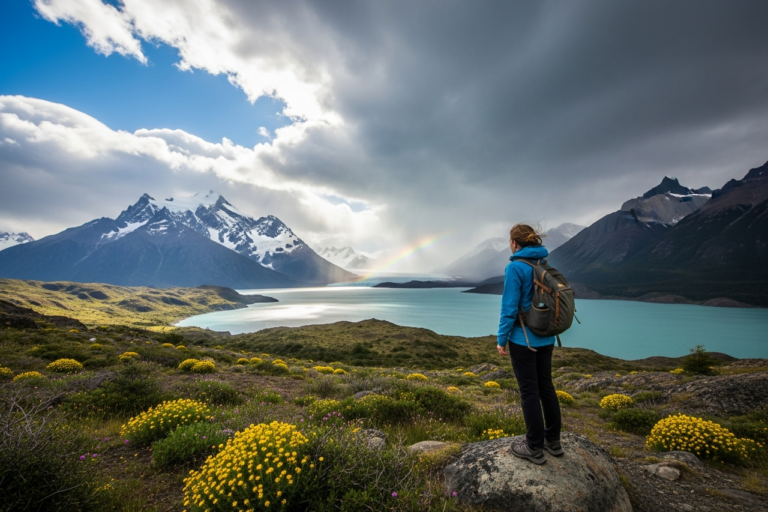
In the far south, the weather gets much colder. The Patagonian-Fuegian Andes and Magellanic areas have a lot of rain and snow in the winter. Some high mountains here are covered in snow all the time. Because there are so many weather types in the country, you should know where you want to go before you pack your bag.
Key Differences Between Buenos Aires and Other Areas
Buenos Aires is in the Buenos Aires province and has a humid temperate climate. Summer here gets hot and humid. Maximum temperatures can often go up to 35°C. Some afternoons, there are thunderstorms. In winter, it is usually cool and damp. The temperatures stay between 5°C and 15°C.
This type of weather is different from other places in Argentina. In the northwest, you get other different climate types. Here, it’s arid and semi-arid. The days are very hot and dry, but at night, it gets much cooler. The Puna region sits at a high altitude, and there is a big change in the temperature from day to night.
Patagonia in the south is well known for being much cooler and windy. During summer, the days can be mild, but in the winter, there are often cold temperatures and snow, especially over the Andes mountains. So, it’s possible for someone to be sweating in Buenos Aires while another is skiing in Bariloche.
The Four Distinct Seasons in Argentina
Just like in Canada, the country of Argentina has four seasons. They do not line up, though. The summer months in Argentina are from December to February. The winter months are from June to August. Spring happens from September to November. And autumn is from March to May.
This switch in timing is important for anyone from Canada who wants to visit the country. If you know about the weather and seasons in different places, it will be easy to pick when to go. This can help you enjoy the activities you want to do. Now, let’s look at what the summer months and winter months are like in Argentina.
Summer (December to February) Weather Patterns
Summer in Argentina brings hot weather to most of the country. During this time, you will notice high temperatures in many places, especially the northern and central regions. In areas like Santiago del Estero, hot summers are common with maximum temperatures reaching between 30°C and 45°C. Buenos Aires also gets hot and humid.
Many northern spots will have rain in the summer, but some parts of the country, like Patagonia, go into their dry season. This makes Patagonia a good place to hike and explore, and the coastal areas can be a nice break from the inland heat, even though it is still warm there.
When December starts, you will see different temperatures in the country. In Buenos Aires, the weather is usually between 25°C and 30°C, but in the north, the air could be a lot hotter. Patagonia stays mild, with daytime highs from 15°C to 25°C. The dry season here is perfect for people who want to get outdoors for new adventures.
Winter (June to August) Weather Patterns
Winter in Argentina brings a big change in the weather. There are cool and low temperatures almost everywhere. In places with higher altitudes and in the south, the cold can get even worse. Patagonia has some of the coldest temperatures, and it often snows in the Andes. This makes it a top spot for skiing.
In central areas of the country, like Buenos Aires, winter days are cool and damp. The usual temperature is between 5°C and 15°C. There can be frost in the part called Buenos Aires province. Up north in the country, the weather is not as cold. It’s mostly mild and dry, so many people like to visit in this season.
Cold fronts move across Argentina a lot during winter. Sometimes, cold waves come and make the cold temperatures drop right away. Even in the north, which is usually warmer, you can get very cool days. So, winter in the country is packed with changes—from snowy mountain tops down south to cooler, sunny days up north.
Temperatures and What to Expect Throughout the Year
Argentina’s weather conditions change a lot over the year. This is because the country is long from north to south and has many different types of land. The average temperature can feel very different in the north, where it is warmer, compared to the south, which is much colder. If you go up into the Andes, the air gets much cooler because of the higher altitudes.
You need to be ready for hot, cold, and everything in between, sometimes even in one trip. Knowing about the weather conditions, how the average temperature changes through the year, and what to expect at higher altitudes will help you plan what to do and what to pack for your visit.
Average Highs and Lows by Season
The seasonal changes in Argentina bring predictable shifts in the average temperature. Summer is marked by high temperatures, particularly in the northern and central parts of the country, while winter brings low temperatures, especially to the south.
To give you a better idea, here’s a general look at the highs and lows you might encounter in key regions. These figures are averages, and actual temperatures can vary.
|
Season |
Region |
Average High (°C) |
Average Low (°C) |
|---|---|---|---|
|
Summer (Dec-Feb) |
North (Salta) |
30°C |
18°C |
|
Central (Buenos Aires) |
30°C |
20°C |
|
|
South (Bariloche) |
22°C |
8°C |
|
|
Winter (Jun-Aug) |
North (Salta) |
19°C |
5°C |
|
Central (Buenos Aires) |
15°C |
7°C |
|
|
South (Bariloche) |
6°C |
-2°C |
As you can see, the temperature range is vast. A summer trip could take you from the sweltering heat of the north to the pleasant warmth of Patagonia, while a winter visit offers everything from mild days to freezing nights.
Regional Temperature Variations
Regional temperatures in the country are very different. In the north, places like San Juan, La Rioja, and San Luis often see the highest heat, mostly in the summer. It can get over 40°C. This happens because that part is lower and does not get much clouds or ocean wind. The heat stays in the air.
When you look at the far south, it is not the same. Places like Santa Cruz and Tierra del Fuego get much lower temperatures all year. In these places, even during the summer, the nights can be cold. In winter, it is not out of the ordinary to go below 0°C, especially closer to the Andean regions.
High altitude places, for example in the Puna of northwest Argentina, also offer another type of weather. Even though they sit in a warm part of the country, it gets cooler in the area because they are up high. What is interesting here is that the days can be warm, but once the sun goes down, it gets cold fast. This puts clear meaning on how high altitude can make a big change in the weather you get.
Precipitation Patterns Across Argentina
The precipitation patterns in the country are as different as the temperatures. Some places get a lot of rain and this makes the land very green. Other places are very dry. There is high precipitation in the northeast, mainly in Misiones province. This is where you will find the famous Iguazu Falls.
On the other hand, there is a big “arid diagonal” that goes across the country from the northwest to the southeast. In these places, rainfall is low. The land here is dry, with deserts and steppes. It is important to know about these patterns, because some parts have a rainy season while others only have a dry season. This can help you pick the best time to visit. We will talk more about which areas in the country get abundant rainfall and which are dry, plus the best months to go.
Rainy vs. Dry Regions
Argentina’s geography makes it easy to see the difference between places that get a lot of rain and places that are dry. In the country, the northeast is the wettest spot. This is because humid wind from the Atlantic comes in. In this area, you have the provinces of Misiones, Corrientes, the Chaco region, and santa fe. They all get rain over the year. There is even more rain when it is summer.
But there is also what people call the “arid diagonal” in the country. This is a huge area where there is a combination of low precipitation and lots of evaporation. In this part of Argentina, you will find the Puna high plateau in the northwest, the Patagonian steppe in the south, and the Cuyo region in the west. There, it rains less than 200 mm each year.
Here are the main points about extremes in the country:
-
Rainy: The northeastern Littoral region (Misiones, Corrientes) gets the most rain.
-
Dry: The Puna region in the northwest is among the driest.
-
Dry: Extra-Andean Patagonia gets very little rain.
-
Semi-Arid: The Chaco region has a subtropical climate with a dry season in winter.
Wettest and Driest Months for Travellers
For travellers, picking the right time to go makes a big difference, especially with the weather. In the north and Cuyo, the summer months of December to February get the most rain. During these summer months, there are many thunderstorms. The high rainfall makes everything green. But it can also get in the way of your plans.
In the north, winter months from June to August bring the driest season. Most days are sunny, and there is not much rain. The weather is good if you want to see and do things outside. Patagonia follows the other way round. The winter months there get more rain and snow, mainly in the mountains. In Patagonia, the driest season is summer when it is perfect for trekking and other outdoor activities.
Here’s a quick guide for planning:
-
Wettest: Summer (Dec-Feb) in the North and Cuyo regions.
-
Driest: Winter (Jun-Aug) in the North, offering clear skies.
-
Wettest: Winter (Jun-Aug) in Patagonia, especially in the Andes.
-
Driest: Summer (Dec-Feb) in Patagonia, perfect for outdoor activities.
Extreme and Unique Weather Conditions
Many parts of Argentina have mild weather, but the country is also famous for its wild weather changes. The country often gets strong weather, like heat waves and cold waves. These things happen because the country has many different types of land. The effects of climate change are also making this worse.
In the north, the plains get very hot. At the southern tip, the cold wind can be harsh. Knowing about these changes is key for safe travel in the country. Next, we will talk about which spots have this kind of weather and what types of severe weather you might get when you go.
Areas Prone to Extreme Heat or Cold
The Gran Chaco region in north Argentina is known for extreme heat. In the summer, places like Santiago del Estero can get as hot as 45°C. This heat, mixed with high moisture in the air, can be very hard to handle. It is one of the hottest areas in South America.
If you want cold weather, you need to go down south. Patagonia, and the provinces of Santa Cruz and Tierra del Fuego, get very cold in the winter. The temperature often goes below zero. The wind makes it feel even colder. Antarctica, which Argentina claims, can have some of the lowest cold temperatures in the world. In the winter, it gets as cold as -50°C.
The Andean mountains also have wild weather. When you are high up, it stays cold most of the year. You can get frost any time, even if places lower down are hot.
Potential for Severe Weather Events
Argentina’s central and northeastern plains are known for some of the worst weather in the world. In this part of the country, the weather can make big changes fast. There is the development of convective thunderstorms that can bring large hail, strong winds, and heavy rain. These storms sometimes come with very high convective cloud tops and can cause a lot of crop damage.
In the southern half of the country, extratropical cyclones that get their start over the Pacific and Atlantic oceans often move in. They can bring strong winds and lots of rain, mainly to Patagonia. The westerly winds in this part are known to be strong and last a long time, shaping both the land and how people live there.
These days, weather forecasts are mostly right for the next few days. But because the country is so big and the land changes a lot, local weather can shift quickly. It’s a good idea to check the newest forecast from the National Meteorological Service and to get ready for any sudden changes, especially if you plan to go into the mountains or more remote places.
Packing Tips for Canadian Visitors Based on Weather
Now that you know more about the Argentinian weather conditions, it’s time to think about what to pack. It’s important to be ready so you can stay comfortable during your trip. The things you bring will depend on the time of year and the places you visit. The north is hot, while the south and high spots are cold.
It is smart to pack clothes that you can put on in layers. This way you can take some off or put more on as the weather changes during the day or when you travel to new weather conditions. Here are some simple tips about clothes and things you need to bring.
Clothing for Different Seasons and Regions
Packing the right clothing is important because the weather in Argentina can change a lot from one place to the next. If you are going to Buenos Aires in the summer, what you need to pack will not be the same as a trip to the eastern slopes of the mountains in winter. To be ready for all kinds of weather in the distinct regions, it is good to wear layers. You can wear a t-shirt, then add a fleece, and if needed, put on a waterproof jacket. This will help you stay comfortable no matter what the weather does.
If you go to hot and humid places like the northeast, take clothes made of cotton or linen. These fabrics let your skin breathe and keep you cool. If you plan to visit the high Andes, bring warm layers. Even if it is hot in the day, the temperature there can fall very fast, especially at night. This is true for the eastern slopes of the mountains too, as this area is often cooler and can get wetter.
Here are some items you should have:
-
Lightweight rain jacket or poncho for sudden rain
-
Warm fleece or sweater for cool nights and to layer
-
A mix of short and long-sleeved shirts
-
Comfortable walking shoes for the city or nature
-
Swimsuit for beaches, pools, or hot springs
-
Hat, sunglasses, and sunscreen for sun protection
Essential Gear and Travel Preparation
Besides clothing, there are some other must-have items that will help you get ready for your trip and stay comfortable. If you plan to go hiking in places like Patagonia or the Andes, make sure to pack hiking boots that fit well and you have worn before. The wind speed can get pretty high in those spots, so you should bring a jacket that blocks the wind.
If you visit places with high elevation, give your body time to get used to the air so you don’t get sick. Try to drink a lot of water and take it slow for the first couple of days. When you are in coastal areas, it is smart to pack insect repellent, since those places can be buggy, especially when it’s hot and damp outside.
Here’s a checklist of some other things you need:
-
A universal power adapter so you can charge your gear.
-
A reusable water bottle to make sure you drink enough.
-
All your medicines and a simple first-aid kit.
-
Sunscreen and lip balm that have SPF because the sun can be strong.
Conclusion
To sum up, knowing about Argentina’s climate helps make your trip better. The country has many types of weather. You will find the warm summers in Buenos Aires and cool air in Patagonia. When you know about the weather and rain in each place, you can pack the clothes and gear you need. Each spot is different, and the weather can change a lot, so it helps to be ready for anything. Remember to think about all weather conditions, even the extreme ones, before you go. Packing the right things lets you have a better time. If you want to see this great place, why not start to plan your trip now?



