

Key Highlights
-
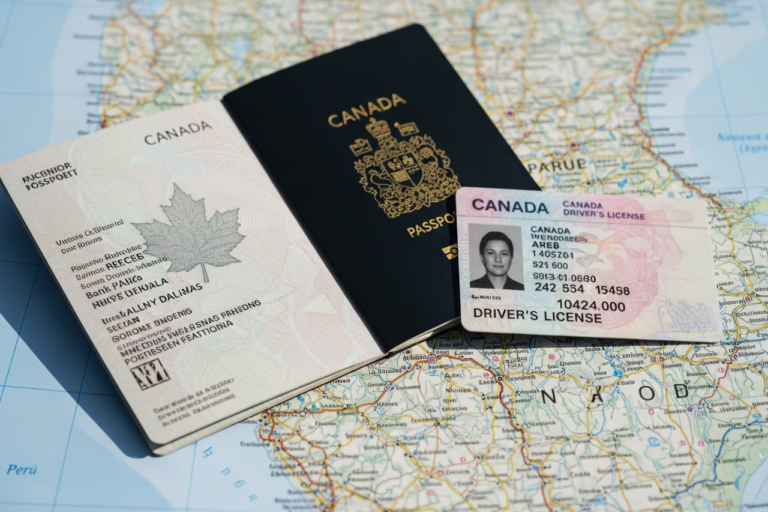
You can use your Canadian driver’s license in Peru for up to six months after you enter, and it will still be valid.
-
You are not required to have an International Driving Permit to drive, but having one is a good idea. It will help you talk to police or other officials if there are any language barriers.
-
To get a rental car, you will need your passport, your valid driver’s license, and a credit card so the rental companies can hold a security deposit.
-
Most rental companies need you to be at least 21 years old to drive their cars.
-
Be ready for different types of roads and how people drive, especially when you go from big cities to rural roads.
Introduction
Planning to travel to Peru and thinking about seeing the country by car? Many people dream of driving on the open road there. For Canadians, it is important to know the driving rules before you go. You may ask if your Canadian license is good in Peru or if you need to get an international driving permit. This guide will show you all the important things about driving in Peru. It covers the legal rules, tips on dealing with traffic, and ways to keep your trip fun and safe.
Legal Requirements for Canadians Driving in Peru
Peruvian law says that you can drive in Peru with a valid driver’s license from your home country. This is good news for Canadians who want to take a road trip. Your home country license is accepted in Peru for a set time, so you can travel easily at first and do not need to get a local license right away.
A lot of people also ask if they need an international driving permit to drive in Peru. It is not a hard rule, but having an international driving permit can help when you have to talk with local police or other officials. Now, let’s go over how your home country license works in Peru, how long you can use it, and why an international driving permit might be handy.
Recognition of Canadian Driver’s Licenses
Yes, people from other countries can drive in Peru if they have a valid driving license from their home country. Peru has made deals with other countries, so it will accept a foreign driving license, even if it is a standard license from Canada. Your regular Canadian license is an accepted format on the roads in Peru.
This is possible because of international agreements, which make it easier for tourists to drive. You need to make sure your license is up to date and have it with you, as it shows that you have the right to drive in Peru.
Just make sure your driving license can be read easily. You do not need to have an international driving license, but it can help. It gives a translation, which is nice to have if you meet a police officer who does not speak English or French.
Validity Period for Foreign Licenses in Peru
Peruvian law says you can use your foreign driver’s license for up to six months after you first come into the country. This rule is made for tourists and people who stay in Peru for a short time.
You need to keep track of this six-month period. If you are in Peru for more than six months and still drive with your Canadian license, you might get in trouble with the law, especially if there is an accident. So, it’s good to check the date you came into Peru, which will be in your passport.
Sometimes, the immigration officer can let you stay less than six months. If that is the case, your driver’s license from back home will only be good for the length of your allowed stay in Peru.
When Is an International Driving Permit Required?
While you do not have to get an International Driving Permit (IDP) to drive in Peru, it is still a good idea to have one. The IDP is a certified paper that translates your Canadian driver’s license into many languages, like Spanish. This can really help you when you talk to police officers or deal with a rental car company. You can get an international driving permit before your trip to Peru from the Canadian Automobile Association (CAA).
Getting an IDP can help you stay away from problems or confusion with local police officers. The IDP is just a simple paper that goes with your own driver’s license. Make sure you know that the digital international driving permit will not work. You need to carry the small paper book.
Think about getting an international driving permit if:
-
You want to make talks with police officers easier and faster.
-
The rental car company tells you to get one for an easy rental process.
-
You want to have an extra paper from Canada with you for more peace of mind.
Documents Needed to Drive in Peru as a Canadian
When it is time to drive in Peru, it is important to have the right papers with you. You should have the necessary documents with you at all times. This way, if you meet the police or other officers, things will go well. You need your main identification and a paper to say you are allowed to drive.
The main things you need are your Canadian driver’s license that is still good, and your passport. If you have an international driving permit, you should keep the valid booklet with you too. Here, we will talk about what ID you need, what insurance papers are important, and the necessary documents to always show if you get stopped while driving.
Required Identification and Permits
To drive in Peru, you need to have your valid driver’s license from your home country with you at all times. This is very important. It shows that you are allowed to drive. If you do not have it, you are breaking the law.
You also need to carry your passport. It is your main ID in Peru and shows that you came into the country the right way. When you enter Peru, you get a stamp in your passport. That stamp starts the six-month time your license from your home country will be taken as good in Peru.
Here’s a short checklist of what you need:
-
Your original, valid Canadian driver’s license (not a copy or a digital one).
-
Your passport with the entry stamp from Peru.
-
An international driving permit, if you have one, to go with your driver’s license.
Insurance and Proof of Ownership
If you drive a rental car, you need to keep the rental agreement in the car at all times. This paper is given to you by the car rental company. It shows that you have the right to use the vehicle. It also tells you about the rules of your rental.
Having insurance is also very important. When you take a rental car, the company will ask if you want to buy insurance. Some credit cards may give you rental car insurance too. But in Peru, you should always find out what your credit cards cover before you use them. The local insurance companies and rental agencies may each have their own rules. It is easy to buy the insurance from the rental company.
Put the insurance papers you get from the rental company in the glove box with your rental agreement. When you drive, you need these papers with your driver’s license and your passport. You must show all these if there is an accident or if police stop you.
What to Present at Traffic Stops
If police officers pull you over in Peru, you should try to stay calm and talk to them in a friendly way. It helps to have all your papers ready and in order. This will make things easier for you. The officer will usually want to see your driver’s license, proof that you own or rented the car, and insurance.
Show your documents clearly and be polite when you do it. If you do not speak the same language as the officer, an international driving permit can help because it shows your driver’s license details in different languages. You need to know that the police can’t take payment for fines at the stop. If there is a problem, they will give you a ticket.
At a traffic stop, you should be ready to show:
-
Your valid Canadian driver’s license and your passport.
-
The vehicle’s rental agreement and proof of insurance.
-
Your international driving permit, if you have one.
Car Rental Guidelines for Canadians in Peru
Renting a car is a good way for people in Canada to see Peru when they want. In Peru, the rental companies are used to helping visitors from other countries. Most of the time, these places will take your Canadian driver’s license, so it makes the process that much easier.
You do not always need an International Driver’s Permit to rent a car, but some rental companies might still ask you to get one. You should also know you must meet other rules, like how old you have to be or what insurance you need. The next parts will talk more about rental companies, how old you must be, and what things you need before you can drive your rental car.
Rental Company Policies on Foreign Licenses
Most major car rental companies in Peru readily accept a foreign driver’s license from your home country, including a Canadian one. They understand that tourists are a primary part of their business. As long as your license is valid and has been held for at least one year, you should have no problem renting a vehicle.
Some rental companies may state they do not accept an International Driving Permit as a primary document. They view it as a translation aid rather than an official license. Therefore, your original, physical driver’s license is what matters most. Digital licenses from other countries are generally not accepted, so bring your physical card.
Here’s what you can generally expect from rental agencies:
|
Requirement |
Policy |
|---|---|
|
Foreign Driver’s License |
Accepted, provided it’s valid and from your home country. |
|
International Driving Permit |
Not required, but sometimes recommended for translation. |
|
Digital Licenses |
Generally not accepted; a physical license is necessary. |
|
Minimum Holding Period |
License must typically be held for at least one year. |
Minimum Age and Eligibility to Rent
In Peru, there are rules you need to follow to rent a car. Most rental companies in the country want you to be at least 21 years old. This is to make sure the driver has some good driving experience.
You will also need to have a driver’s license. Your license must be at least one year old before the day you want to rent the car. This way, the rental companies know you are not someone who just started driving. Be sure to check with the rental company you pick. Some of them may have their own rules, or they may charge an extra fee if you are under 25.
If you do not meet the age or license rules, you will not be able to rent a car. So, always make sure you fit the rules before you try to book. This can help you not have any problems when you go to get your car.
Additional Rental Requirements for Tourists
Beyond your age and a valid license, rental companies also ask for some other things. One key thing is a valid credit card in the main driver’s name. You need this card for payment and for a security deposit. The rental company will put a hold on your card for a set amount. It will be released when you return the car in good shape.
You also have to show your passport to prove who you are. If you are from some South American countries, like Bolivia, Colombia, or Ecuador, your national ID card will work. But if you are from Canada, you must have your passport. This helps show your status as a tourist and proves your identity.
Here are the main things you will need:
-
A valid credit card with enough money for the deposit hold.
-
Your original passport.
-
Your valid Canadian driver’s license.
Key Road Rules and Traffic Regulations in Peru
Driving in a new country can be hard, as you need to learn new road rules. In Peru, driving rules and traffic signs may not be the same as what you have seen in Canada. Peruvian law says you must drive on the right side of the road. This rule might feel the same as what you do back home. The road conditions and the way people drive in Peru, though, can be different.
It is important to know about speed limits, the right-of-way, and local road rules. This helps keep you safe on busy streets in the city or when you are on a quiet road in the country. If you know these things, you can be ready and feel sure when you drive. Let’s talk about the traffic rules in Peru that you should know before you go.
Speed Limits and Traffic Signs
Speed limits in Peru change based on what kind of road you are driving on. In the cities, the limit is usually close to 50 km/h. But, on highways, it can be as high as 100 km/h. You should watch the posted signs because the speed limits can go up or down without much warning. There are more traffic cameras in some cities, so it is smart to follow the limits.
Most traffic signs in Peru are like the ones you see in many countries. Some signs will be in Spanish, though. Learn a few common words, like “Pare” for Stop and “Ceda el Paso” for Yield. You are also likely to find toll roads, mostly between big cities. So, keep some cash in the local money with you.
Always drive on the right side of the road, just as you do in Canada. This rule should be easy, but be ready for other drivers who might act in ways you do not expect. Staying careful and having a plan is your best way to stay safe.
Driving Side and Local Road Customs
Peruvians drive on the right side of the road. They pass other cars on the left. This is like how we do it in Canada. But the driving style in Peru can be very different. In cities like Lima, local drivers are often more bold. They use horns a lot. It’s not only for warning. The horn can also show they are there, what they want to do, or if they are upset.
On rural roads, you will face other things. There can be animals on the road or slow cars. Driving here is less set than it is in the city, so you need to be careful. When there is heavy traffic, people can make their own lanes. That’s why it is good to stay back and keep space between you and other cars.
Keep these local customs in mind:
-
A flash of the headlights from an oncoming car often means “I am coming through,” so be ready to let the person go first.
-
Right-of-way often goes to the one who gets it, not always from the signs.
-
Watch for sudden moves, mostly from motorcyclists and taxis who may weave in and out of traffic.
Unique Laws Foreign Drivers Should Know
In Peru, there are a few laws that foreign drivers should know about. One big rule is about drinking and driving. The amount of alcohol you are allowed to have in your blood is very low. The best thing to do is to stay away from alcohol if you want to drive.
If you plan to stay for a long time and want to get a Peruvian driver’s license, there is more to it than just trading in your old one. You will need to take a medical exam. You also need to pass a written driving test about Peruvian law. There will be a driving test too. These steps show that the country wants all drivers to be safe and ready.
Here are a few law points to keep in mind:
-
You are not allowed to use a mobile phone while driving unless you use a hands-free set.
-
Everyone in the car has to wear a seatbelt.
-
If the police stop you, do not try to pay a fine to the officer right there. That is not allowed.
Safety Tips for Canadians Driving in Peru
Driving in Peru is a great way to see the country. But you should always put safety first. The road conditions can change a lot from one place to another. The way people drive can be fast and bold. So, you need to be ready and careful all the time. If you travel with children, make sure you have the right car seats. Many rental places do not always have car seats.
It’s good to save emergency numbers on your phone. You should also look out for what is happening around you, like when you drive at night or in places that you do not know yet. The next parts will tell you more about how to handle different road conditions. They will also help you know how to keep safe during your trip in Peru.
Road Conditions and Urban vs. Rural Driving
Driving in Peru is very different in the city and the countryside. In the cities, and in places like Lima, there is a lot of traffic. The drivers often be in a hurry and use their horns a lot. The streets are busy and crowded. If you drive in the city, you need to have patience. It is good to stay calm and be careful.
When you leave the city and go to where there are rural roads, things start to change. Most main highways will be easy to travel on. But when you use rural roads, the road conditions be a big part of your drive. There may be dirt roads, holes, and sharp turns, mostly in the hills and mountains. If it rains or gets stormy, the roads can get much worse very fast. Before you travel, always check the weather.
It is not a good idea to drive at night on rural roads. There may not be streetlights. You might not see dangers, and crime can also be a risk when it’s dark. Try to get to where you stay before it gets dark out, so you have a safer trip.
Staying Safe During Road Trips
A road trip through Peru can be full of fun and surprise, but you always need to think about road safety. Let someone know where you plan to go before you start. It is better to travel during the day when you can see what is around you. Keep your car doors locked. Put your valuables where people cannot see them. This will help keep you safe from theft.
Before you set off, get to know the local emergency numbers. Learning some simple Spanish phrases for driving and asking for help is also a good idea. Local drivers can be friendly and help you out, but it is smart to rely on yourself most of the time.
For a trip that is safe, keep these tips in mind:
-
Keep a list of emergency numbers with you, like the tourist police and roadside help from your rental company.
-
Do not drive at night, especially if you are somewhere far from a town or city.
-
Listen to your gut feeling. If you feel unsafe about a road or something does not feel good, it is better to turn around or find another way.
Conclusion
To sum up, driving in Peru for a Canadian can be a good and fun time, as long as you know the rules and what you need. Make sure the driver’s license you have will work in Peru. Bring all the right papers if you want to rent a car. If you get to know the way people drive there, the tips for safety, and the rules of the road, this will help you a lot. The best way to enjoy your drive in Peru is to stay up-to-date and follow the local traffic laws. If you ever have questions or need help, feel free to ask. Have a safe trip!
Frequently Asked Questions
Can Canadian visitors exchange their licence for a Peruvian one if staying long-term?
No, you can’t swap your Canadian driver’s license for a Peruvian one right away. You have to follow the full steps to get a Peruvian driver’s license. This means you must take a medical exam to check your health. You will need to pass a written exam on traffic laws. After that, you have to do a driving test to show you can drive well on Peruvian roads.
Are there age restrictions for Canadians driving or renting a car in Peru?
Yes, there are age rules you have to follow. Most rental companies in Peru want drivers to be at least 21 years old. Some of them will charge extra if you are under 25 years old. You also need to have a valid driver’s license for at least one year before you can rent a car.
How difficult is it for Canadians to drive in Peru as tourists?
Driving in Peru is not always easy. You will meet local drivers who can be hard to deal with on the road. The road conditions change a lot from place to place. There may be language barriers too. But, if you have a valid driving license, pay close attention to road safety, and know a bit about their way of driving, you can do fine. Many Canadian tourists get around by car. They like the freedom it gives them, and most enjoy their trip.



