

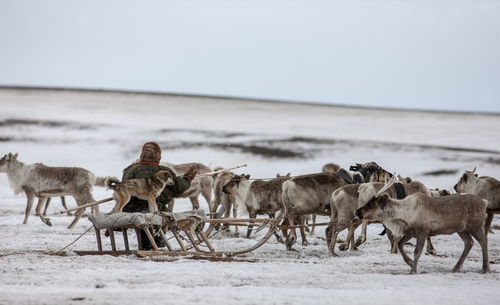
What is Canada’s first Arctic university?
Creating an Arctic-focused university is a long-awaited milestone. It addresses the historical gaps in Canada’s educational infrastructure.
What are the key facts about the institution?
Canada’s first Arctic university is a dedicated post-secondary institution built in the North, for the North. It provides undergraduate and graduate programs tailored to the realities of the Arctic.
The vision behind this university is simple and powerful: provide world-class education that reflects the geography, culture, and needs of northern communities. It serves as a central hub for academic excellence in a region that has historically lacked local university infrastructure.

Why does the Canadian Arctic need its own university?
Northern communities face unique challenges. High costs of living, vast distances between settlements, and harsh climates make traditional education models difficult to implement.
Historically, the lack of a local university created immense barriers to accessing post-secondary education. Students had to relocate to southern Canada, causing a “brain drain” from northern towns.
The Arctic needs its own university to provide locally relevant learning. A dedicated institution ensures that research and education directly benefit the people who call the North home.
How does the university support northern education?
A local university removes the geographical barriers that have held many northern students back. It creates a clear path to career success.
How will this expand access for northern students?
The most immediate benefit of the new university is reducing the need for students to relocate to southern Canada. Studying close to home provides emotional and financial relief.
It increases opportunities for local high school graduates and mature learners who want to upgrade their skills. By removing the burden of travel and relocation, the university supports workforce development directly within northern regions.
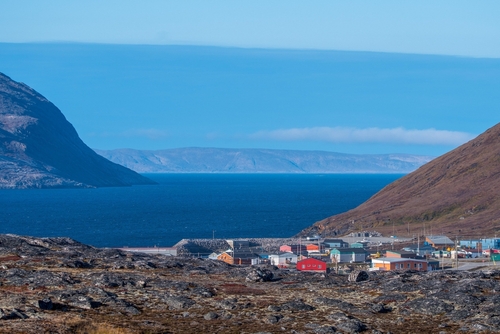
What skills will northern careers require?
The curriculum focuses on the specific needs of the northern workforce. Students can train for careers that directly sustain and improve their communities.
Key areas of study include environmental science, climate research, and renewable energy. The university also prioritizes programs in health care and community services, addressing severe staff shortages in remote towns.
Additionally, courses in Indigenous governance and public administration prepare the next generation of local leaders.
How is Indigenous knowledge placed at the centre?
True educational progress in the North must be inclusive and respectful of the people who have lived there for millennia.
What makes this approach to higher education different?
This university adopts a different educational model. It actively integrates Indigenous knowledge systems into its curriculum and research methodologies.
The institution operates through strong partnerships with Indigenous governments and organizations. Elders play a critical role in the learning process.
The university prioritizes language preservation and cultural education, ensuring that academic success does not come at the cost of cultural identity.
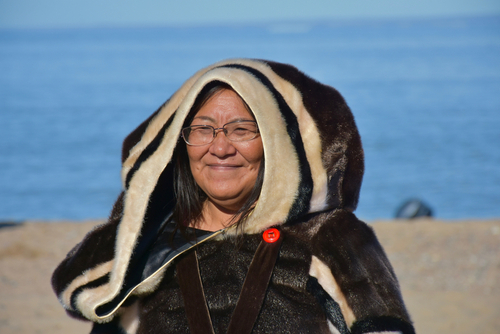
How does this support reconciliation through education?
Education has historically been a source of trauma for Indigenous peoples in Canada. This university aims to reverse that legacy by advancing Indigenous-led education.
It creates safe, empowering opportunities for Indigenous students and researchers to thrive. By strengthening community-based learning models, the institution takes a meaningful step toward reconciliation.
It respects Indigenous sovereignty and validates traditional ways of knowing.
How will this advance Arctic research in Canada?
The Arctic is changing rapidly. Understanding these changes requires researchers who are embedded in the environment.
Why does Arctic research matter today?
Climate change impacts the North faster than almost anywhere else on Earth. Studying these changes is critical for global environmental health.
Arctic research also addresses pressing issues like Arctic sovereignty and national security. Local researchers can conduct consistent wildlife and environmental monitoring.
This data is essential for guiding sustainable resource development and protecting fragile ecosystems.
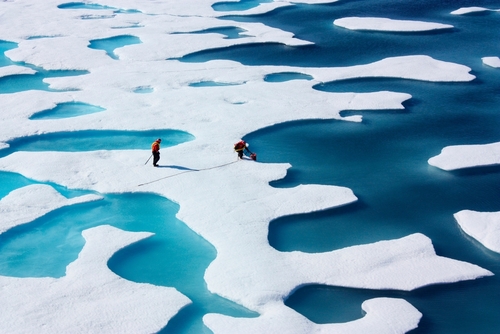
How will this position Canada as a global Arctic leader?
Canada has the opportunity to lead the world in Arctic science. A dedicated northern university attracts researchers and scientists from around the globe.
It fosters international collaboration with other circumpolar nations. The research generated here will support evidence-based policy decisions, giving Canada a stronger, more informed voice in global climate and territorial discussions.
What are the economic benefits for northern communities?
A university is more than an educational institution. It is a powerful economic engine.
How will the university create jobs and investment?
Building and operating a university creates substantial employment opportunities. These range from academic positions to administrative and facility management roles.
The influx of students and staff increases demand for local housing, community services, and local businesses.
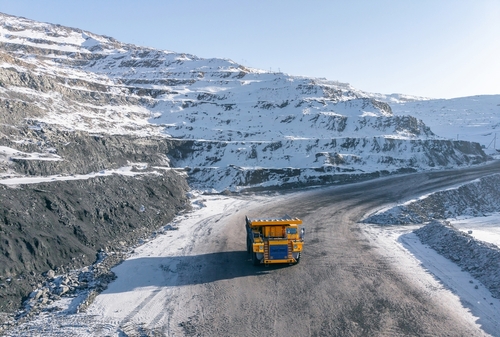
Over time, this constant economic activity provides long-term economic diversification, reducing the region’s reliance on single industries like mining.
How does this support long-term community growth?
Retaining young people is vital for the survival of remote communities. When students stay in the North to study, they are more likely to stay there to work.
The university environment encourages innovation and entrepreneurship, prompting students to start local businesses.
Most importantly, it strengthens local leadership capacity, empowering residents to guide their communities into the future.
What challenges and opportunities lie ahead?
Building a new institution involves overcoming significant logistical and financial hurdles.
What key questions need to be addressed?
Funding and long-term sustainability remain the biggest challenges. Operating a university in a remote environment incurs high costs.
Student recruitment and retention strategies must be robust to maintain enrollment numbers. Infrastructure requirements, including fast internet and adequate housing, need substantial investment.
Finally, administrators must carefully balance broad academic goals with the specific, urgent needs of the local communities.

What could success look like for the university?
Success means increased post-secondary graduation rates across the North. It looks like strong, consistent Indigenous participation at all levels of the university.
Success also involves building globally recognized Arctic research programs that drive international policy.
Ultimately, a successful Arctic university delivers lasting, measurable benefits for northern communities, improving the quality of life for everyone.
What does this mean for Canada’s future?
The impact of this university extends far beyond the territorial borders.
Why is this a turning point for northern development?
This university reshapes education in Canada’s Arctic. It proves that high-level academic and scientific work can thrive in remote environments.
It plays a crucial role in addressing national priorities, from climate action to Indigenous reconciliation.
The broader significance for all Canadians is clear: a strong, educated, and resilient North means a stronger Canada.
Looking Ahead: The Future of Higher Education in Canada’s North
Canada’s first Arctic university represents a vital promise kept to northern residents. It provides accessible, culturally relevant education while establishing a global centre for Arctic research.
This institution creates unprecedented opportunities for students to learn without leaving their homes. It empowers communities to build local economies and supports researchers in studying the front lines of climate change.
The future of higher education in Canada’s North is bright, purposeful, and driven by the people who know the region best. Supporting this initiative ensures a sustainable and equitable future for all Canadians.
Frequently Asked Questions
Where is Canada’s first Arctic university located?
Canada’s first Arctic university is located in the Canadian North. It is strategically positioned to serve students across the remote territories, providing local access to higher education facilities and resources.
Why is an Arctic university important for Canada?
An Arctic university is important because it provides northern residents with accessible education and addresses critical national priorities. It helps retain local talent, advances essential climate research, and drives sustainable economic development in remote regions.
How will the university support Indigenous communities?
The university supports Indigenous communities by integrating traditional knowledge into its curriculum and partnering directly with Indigenous governments. It involves Elders in the educational process and prioritizes Indigenous language preservation.
What programs might students be able to study?
Students can study programs tailored to northern needs. These include environmental science, climate research, renewable energy, health care, community services, Indigenous governance, and public administration.
How could the university contribute to Arctic research and climate science?
The university contributes to climate science by acting as a local hub for environmental monitoring. It allows researchers to study climate change impacts firsthand, fostering international collaboration and supporting evidence-based policy decisions.



