

Travelling from Australia to Europe by air is no small effort. It’s one of the longest regular flight routes in the world, and it’s completely normal to feel unsure about where to start. If you’ve already opened ten browser tabs comparing airlines and can’t decide whether a seven-hour stopover is a smart break or just a long wait, you’re not alone.
At Remitly, we hear this from travellers all the time because planning a journey this big can feel confusing at first.
But once you start sorting out the key pieces like timing, routes, documents, and in-flight comfort, the whole process becomes much easier. And for many newcomers and immigrants living in Australia, a trip to Europe isn’t just a holiday. It might mean finally seeing family again, reconnecting with familiar places, or exploring somewhere after years of waiting.
Finding the best flights for airline travel to Europe from Australia
Booking a long-haul trip isn’t just about clicking the cheapest fare you see, especially when you’re committing to almost a full day in the air. A little research can make the difference between a smooth journey and one you’d rather forget.
When to book flights
Have you ever watched airfare prices jump overnight and wondered whether the universe is testing you? Prices tend to move in patterns. Typically, booking three to six months ahead gives you the best mix of value and choice.
Things tend to get pricier around the holiday rush in December and January. Then again, during the European summer from June to August, airports everywhere are at their busiest. If you want a calmer airport experience, fewer crowds, and sometimes better prices, the shoulder seasons are often a sweet spot.
Choosing an airline
Travellers flying from Australia to Europe usually choose airlines like Emirates, Qatar Airways, Singapore Airlines, Etihad Airways, Qantas, or Cathay Pacific. Each has its strengths, whether it’s great service, extra legroom, or food that doesn’t feel like an afterthought. Some people stick to whichever airline they’ve earned points with, while others simply choose the one that offers the most reasonable stopover time.
Your stopover city plays a role, too. A few hours in Singapore is great if you want clean, calm airport vibes. Dubai and Doha are ideal if you love modern terminals with showers, lounges, or space to stretch after hours in an economy seat.
Direct vs. layover flights
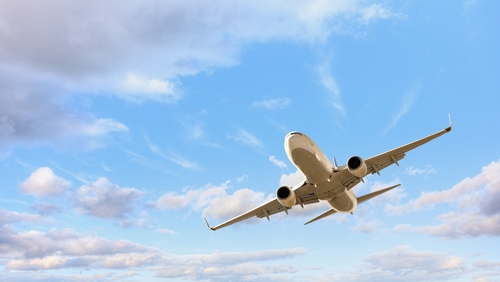
Direct flights between Australia and Europe do exist, and there are even plans for a new record-breaking route in 2027 between Sydney and London. They can be more convenient, but the price tag can be a bit of a shock if you’re budgeting carefully.
Most travellers choose a one-stop flight, which usually offers the best balance between cost and comfort. Two-stop itineraries are also common and can sometimes save money, but they do add hours to an already long journey. If you’re travelling with kids, pets, or limited energy, fewer connections usually mean fewer chances for stress.
Using comparison tools
If you’re comparing flights across multiple airlines, websites like Google Flights or Skyscanner make it easy to compare prices, airports, and travel times side by side. You can also set price alerts so you don’t need to check fares every day.
Once you spot a good fare, check the airline’s own website before booking. Sometimes you’ll get better baggage allowances, flexible tickets, or seat selection included. And if you find a great fare and your instinct says save it now, then listen to it, as long-haul pricing often doesn’t reward hesitation.
Popular European entry hubs and common routes
Most travellers from Australia enter Europe through one of the major international hubs. These airports handle huge numbers of global passengers every day, so connections are usually straightforward and well signposted.
Major European entry cities
Many long-haul routes land first in cities like London, Paris, Amsterdam, Munich, Madrid, or Rome. These airports are well-connected by regional flights, trains, and buses. Even if your final destination is somewhere smaller, landing in a large hub makes onward travel a lot easier.
Typical flight patterns
Your departure city in Australia often determines your route. Travellers from Sydney, Melbourne, or Brisbane frequently connect through Singapore, Doha, or Dubai. If you’re flying from Perth, the nonstop flight to London or Rome can be especially appealing.
Once you’re in Europe, domestic travel becomes much easier. High-speed trains, short flights, and regional carriers make it easy to reach cities, beaches, and countryside destinations across the continent.
Understanding luggage rules and travel classes
Before you start packing your life into a suitcase, it helps to know exactly what your ticket includes and what it doesn’t.
Typical baggage allowances
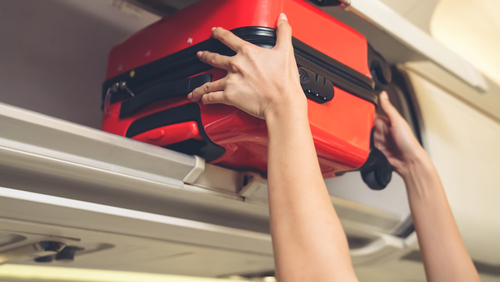
Most full-service airlines flying long-haul from Australia include both a checked bag and a carry-on, which is always welcome when packing for Europe’s changing weather and “just in case” moments. Carry-on limits usually sit around 7–10 kg, and checked baggage tends to sit somewhere between 23–30 kg, depending on your airline and fare type.
The tricky part comes after you land. European budget airlines like Ryanair, Vueling, or easyJet are famously strict about bag sizes, sometimes to the millimetre. So, if you’re planning onward travel within Europe, double-check the baggage rules so you don’t get an unwelcome surprise at the airport.
What to expect across travel classes
Your travel class shapes your long-haul experience more than most travellers expect.
- Economy gets you where you need to go with meals, entertainment, and somewhere to rest your head.
- Premium economy gives you noticeably more legroom, comfier seating, and often an improved dining experience.
- Business class is a different world entirely, with lie-flat beds, priority lines, lounge access, and space to stretch without bumping into your neighbour every time you move.
Some travellers mix and match, booking business class for the longest leg and economy for the rest. It’s a clever way to get a bit of luxury without taking the full hit to your budget.
Preparing for your long-haul flight
There’s no denying that flying to Europe from Australia is very long. But a bit of preparation can make the journey feel much more comfortable.
What to pack in your carry-on
A well-planned carry-on is like a gift your future self will be grateful for. Keep your passport, travel documents, and any medication in an easy-access pocket. Add a phone charger and power bank; you’ll use them more than you think. If you have them, noise-cancelling headphones are a game-changer.
Most travellers also pack a warm layer, since we all know those long-haul cabins tend to switch between “tropical” and “Arctic” modes without warning. And if you’re flying overnight, having your own toothbrush and face wipes in your bag can help you feel refreshed at the halfway point.
Navigating stopovers
Stopovers are just part of the journey when travelling this far. They can range from a quick airport sprint to a relaxed break to stretch, eat, and reset. Some travellers prefer a short one-hour turnaround, while others intentionally book longer stops to walk, shower, or explore the terminal.
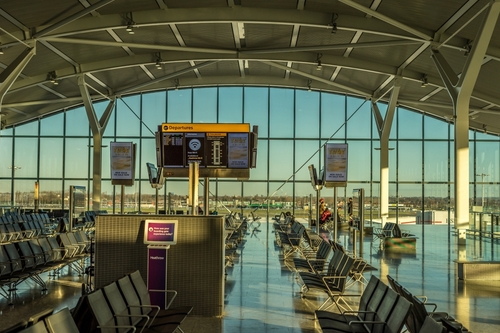
Airports like Singapore Changi and Doha Hamad Airport are designed for long waits, with sleeping areas, shops, and lounges where you can refresh before continuing. A well-planned stopover can actually make the second half of your journey feel much easier.
Managing jet lag
Crossing so many time zones means jet lag is almost unavoidable, but you can minimise the impact. Some people shift their sleep gradually a few days before departure, while others prefer to adapt once they arrive. Either way, staying hydrated, getting fresh air, and syncing with the local time zone as soon as you land can help soften that “What day is it?” feeling.
In-flight tips from frequent travellers
If you’ve never done a 20-plus-hour journey, the experience can feel endless, but seasoned travellers have a few tricks that make long-haul flying much easier.
Choose the right seat
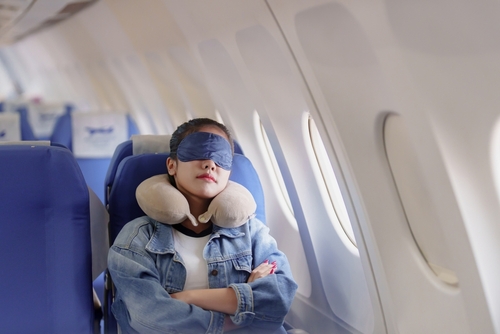
Frequent travellers swear by their seat strategy. A window seat is great if you want to sleep without being disturbed. An aisle seat is better if you like to stretch, walk around, or access the bathroom easily. And the middle seat, well, sometimes it’s unavoidable on busy routes, so it’s best to plan early if you have a preference.
Bring your own entertainment
Most long-haul carriers offer good in-flight entertainment, but plane Wi-Fi can be unreliable, slow, or expensive, especially once you’re ten hours in. Download your movies, podcasts, and playlists before boarding so you’re not at the mercy of connection issues.
Staying comfortable during the flight
After a few hours in the air, comfort becomes the priority. Simple habits can make a big difference:
- Stretch regularly, even if it’s just rotating your ankles or standing briefly in the aisle.
- Change positions often to avoid stiffness.
- Drink water throughout the flight; hydration is one of the best jet lag fighters.
If you have dietary restrictions or need accessibility support, request it during booking rather than at check-in. This gives the airline more time to prepare. And while compression socks might not sound very fashionable, they genuinely help with circulation on ultra-long flights.
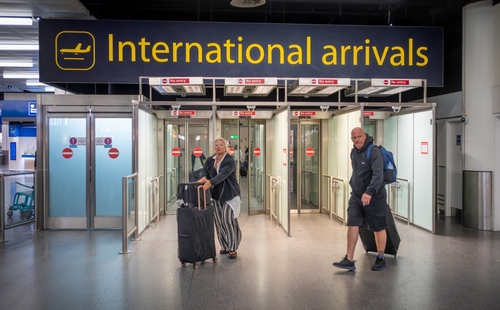
Sustainable travel considerations
If sustainability is important to you, there are small choices that make a meaningful difference, even on long-haul trips. Many airlines now use newer, fuel-efficient aircraft like the Airbus A350 or Boeing 787 Dreamliner, which are designed to reduce fuel consumption and offer better air quality and cabin pressure. They’re also generally more comfortable, so it’s a win-win.
Choosing fewer connections can also help lower your footprint while making the travel day less tiring. Bringing reusable items like a water bottle, travel mug, or cutlery can reduce single-use waste during your journey. And if you’d like to offset the environmental impact of your flight, many airlines and independent organisations offer carbon-offset programmes you can opt into.
Arriving in Europe
Stepping off the plane in Europe can feel surreal. The weather, languages, accents, and vibe instantly remind you that you’re a long way from home.
Entry requirements and border control
Before anything else, your first stop will be passport control. As of 2025, Australian travellers can enter most Schengen countries visa-free for up to 90 days within 180 days. Your passport usually needs at least six months of validity past your travel dates.
Travellers will also need to register for Europe’s new ETIAS travel authorisation by applying online before departure. If you’re flying into the UK or Ireland, keep in mind that they have different entry rules, so it’s worth checking requirements based on where you’re landing.
Getting to your final destination
Once you’re through border control, it’s time to get moving again. If you have a connecting flight, double-check whether your luggage was tagged to your final stop, as this varies between airlines and airports.
If you’re finishing your journey in that city, most major European airports have easy transport into the centre, often via airport trains, metro lines, buses, taxis, or rideshare apps. Planning this part ahead of time can make things easier, especially if you arrive late at night or after a long travel day.
And just like that… you’re in Europe
Flying from Australia to Europe is a long journey, but with some planning, it becomes surprisingly manageable, and honestly, far more exciting than intimidating. Once you land, the hours in the air, time zones, and layovers fade quickly. What takes over is the moment you step outside into a new city, hug someone you’ve missed, hear a language you recognise, or experience something that makes the whole journey feel worth it.
Whether you’re returning to a familiar place or discovering somewhere entirely new, we hope your time in Europe is filled with moments that stay with you long after you’re back home.
FAQs
How long does the journey usually take?
Most travellers flying with one stopover spend around 20 to 24 hours in transit, depending on the route and airport connection.
Do Australian passport holders need a visa for Europe?
Australians can travel visa-free in most Schengen countries for short stays. As of 2025, travellers also need to apply for ETIAS travel authorisation before flying.
When is the best time to travel to Europe?
Many Australians prefer April, May, September, and October when the weather is pleasant and airfares are often more reasonable compared to peak holiday periods.
How much luggage can I bring?
Long-haul airlines usually include both checked luggage and carry-on, but exact allowances vary by airline and fare type.
Is travel insurance worth having?
While not mandatory, many travellers feel more relaxed knowing they have insurance for things like flight delays, lost luggage, or unexpected medical needs.