Key Highlights
-
Uganda’s national dish is matoke. It is made from green bananas that are steamed and mashed. This dish is a staple in Ugandan cuisine.
-
Matoke has deep cultural significance, especially for the Baganda people. It stands for unity and connects people with their heritage.
-
The green bananas are wrapped in banana leaves and steamed in the traditional way until they become soft.
-
It is common to serve matoke with groundnut sauce, meat, or vegetable stews. This shows how versatile it can be in ugandan cuisine.
-
Even though matoke is eaten all over Uganda, there are different ways to make it, which show the range in local cuisine and stews around the country.
Introduction
Welcome to the heart of Ugandan cuisine. If you want to know what flavours make Uganda special, you’re in the right spot. We’re taking a closer look at the national dish called matoke. This meal is more than just food in Uganda. For many Ugandans, it is part of their daily life and the way they show hospitality. Come with us and learn the story of this simple dish. Find out why matoke is such a big part of Ugandan cuisine and what makes it feel like home to so many people.
Understanding Uganda’s National Dish: Matoke and Its Cultural Roots
So, what is matoke all about? Matoke is the national dish of Uganda. It’s made using a special kind of green banana. These bananas get steamed and mashed. They are not like the sweet bananas you may know. Instead, matoke is starchy and savoury. It tips in for potatoes like those found in other foods. You will find it on tables as a staple food all over the country.
There is a deep story behind this dish. It is a big part of Uganda’s culture. Matoke stands for more than just a way to have food, it is about tradition. It brings people together and shapes a shared identity. We are going to look at when this dish first took shape and how it is tied to East African food ways.
The Significance of Matoke in Ugandan Heritage
Matoke is more than just food in Uganda. It means a lot to the Baganda people of central Uganda and the Buganda Kingdom. This dish is a strong symbol of who they are. For many years, matoke has been a staple. People keep the old ways alive by making and sharing it.
Matoke is known as a unifying dish in Uganda. When there are family gatherings or special days, you will find matoke on the table. It helps bring people together. When people sit down to eat this meal, it is seen as an act of hospitality. Sharing matoke lets everyone feel welcome. This is a big part of life in the Buganda Kingdom.
Growing banana trees and making matoke takes time and work. These skills are often given from the older ones to the younger ones in the family. It is an important testament to Uganda’s farming background. Matoke shows how the people honour their land and keep their traditions strong. On the table, it always reminds us of the connections and the good things that the country gives.
How Matoke Reflects East African Traditions
Matoke is a classic dish from Uganda, but it’s found in other parts of East Africa too. Many people in Rwanda, Kenya, and Tanzania eat plantains and green bananas as a staple food as well. This shows a common thread in how people across the region rely on the same basic foods.
In Kenya and Tanzania, people often eat a starchy porridge called ugali, which is made from maize flour. In Uganda, they call a similar dish posho. Matoke is just as important in Uganda. These foods highlight how people in every country find ways to use local crops to make a central comfort food. There’s a strong taste for big, filling meals that give people good sustenance throughout the day.
The way people cook matoke is also like how they cook in many places across Africa. Steaming food in banana leaves is very common where banana trees grow. This cooking method makes matoke more than just a special meal from Uganda—it turns it into a tasty example of an old African cooking style that is still used in lots of places today.
Traditional Preparation of Matoke in Uganda
The way matoke is made sticks close to what’s found in nature. The main thing is to cook it slow with steam. People take green bananas and peel them. These bananas are wrapped in banana leaves. The banana leaves give the dish a small earthy taste. The bundle of bananas then goes in a large pot with some water at the bottom. The bananas sit in the pot and steam until they are soft.
This way of cooking is big in Uganda’s local cuisine. It’s simple and works well. After steaming, the bananas get mashed so they are smooth and thick. Now, let’s go over the ingredients and steps needed to make matoke at home.
Common Ingredients and Cooking Methods
The beauty of matoke lies in its simplicity, with green bananas being the star ingredient. These aren’t the sweet bananas you eat for a snack; they are a starchy variety specifically for cooking. Traditionally, they are steamed in a large pot, often without any oil, making it a healthy base for any meal.
To enhance the flavour, matoke is almost always served with a sauce. The most classic pairing is a rich groundnut sauce, made from groundnut paste. Other popular accompaniments include stews made with beef, chicken, or beans. While matoke itself is plain, the sauces are often seasoned with spices, onions, and tomatoes to create a flavourful combination.
Here is a simple breakdown of the core components:
|
Ingredient/Tool |
Purpose in Matoke Preparation |
|---|---|
|
Green Bananas |
The main starchy base of the dish. |
|
Banana Leaves |
Used to wrap the bananas for steaming, adding a subtle flavour. |
|
Large Pot |
Essential for steaming the bananas slowly. |
|
Groundnut Paste |
The key ingredient for making the classic accompanying sauce. |
Serving Styles and Dining Customs
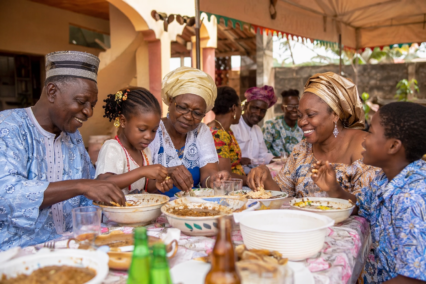
In Uganda, eating together is a big part of life. When there are family gatherings or special days, matoke is often at the center of the table. People put it on a big plate so everyone can help themselves. This way of eating brings a feeling of togetherness and hospitality.
Matoke is usually served warm. People often keep it in the banana leaves it was steamed in until it’s time to eat. Then, they put a big helping of groundnut sauce or meat stew over or next to the matoke. At many meals, people sit on mats and eat with their hands. They use a piece of matoke to scoop up the sauce.
Eating matoke comes with special customs in Uganda. It always shows care for others and the importance of sharing. The main customs are:
-
Matoke is put in the middle so all can share.
-
People eat with their hands, which everyone does.
-
Visitors will be welcomed and given a share.
-
Matoke is a staple for most meals, both on normal days and during celebrations.
The Taste and Texture of Matoke
If you’ve never tasted matoke before, you might be curious about what it is like. Matoke is made from green bananas and has a very mild and earthy taste, quite close to a potato. It does not have any sweetness at all because it comes from unripe bananas. Its real strength is in its simplicity because it is great at soaking up rich, tasty sauces, like groundnut sauce, that you have with it. The best part about eating matoke comes when you mix the plain matoke with a good stew or a groundnut sauce.
When you look at the texture, it is dense, firm, and also smooth—like mashed potatoes but a bit firmer. When you cook it the right way, it comes out soft and is easy to eat. This thick, starchy feel is what makes people in Uganda love eating matoke. It keeps you full and brings comfort. Now, let’s look more closely at what gives matoke this taste and what kinds of side dishes are often served to complete the meal.
What Does Matoke Taste Like?
The taste of matoke is simple. It’s savoury and mild. You will not get the sweet flavour of ripe plantain or sweet bananas here. It is more like a starchy veggie. Its flavour is quite neutral, which is why people don’t usually eat it on its own.
The real magic is in what you add. A creamy groundnut sauce makes the matoke nutty and rich. It works well because matoke tastes so plain. When you have it with beef or chicken stew, the matoke soaks up all the gravy and spice. This makes every bite taste great.
In the end, matoke’s flavour comes from what you serve it with. It’s a versatile staple in Ugandan cuisine that gives you a tasty and starchy base. This lets the flavours of stews and sauces stand out. In Ugandan cuisine, matoke is one of the best ways to bring out those big, hearty tastes.
Typical Side Dishes and Accompaniments in Ugandan Meals
Ugandan cuisine has a lot of great side dishes that help make any meal special. Matoke is often the first thing people think of, but it’s the other foods on the plate that really make it complete. Groundnut sauce, which is made from peanuts, is the most classic thing to have with matoke. You’ll also find that meat stews and vegetable stews with plenty of spices are just as loved in Ugandan cuisine.
There are lots of other foods that go with the main dish. Posho is common—it’s made from maize flour and comes out stiff, kind of like ugali. It’s good with different styles of stews. You’ll also come across beans, served in many ways, and leafy greens like sukuma wiki, which is full of flavour and good for you.
Here are some side dishes you’ll see often in local cuisine:
-
Groundnut Sauce: This creamy sauce brings a rich, nutty taste and is made using peanuts.
-
Meat or Chicken Stews: Slow-cooked sauces with meat, chicken, and spices.
-
Beans: A strong favourite and a good source of protein.
-
Posho (Ugali): A solid porridge made from maize flour, filling and hearty.
-
Chapati: Soft and flaky, this flatbread is perfect for mopping up stews.
There’s so much variety in Ugandan cuisine, so every meal feels a bit special.
Regional and Modern Variations of Matoke
While matoke is a staple food in Uganda, the way people make it is not the same everywhere. Different parts of the country do things their own way, and they use local tastes and what they have around them. This means there are many different types of this dish in Ugandan cuisine. It shows that one basic food can change in many ways and be special to each place.
As Uganda grows and changes, so does its food. In urban areas and city restaurants, chefs today try out new matoke ideas. They use matoke in recipes you may not have seen before, and sometimes give it a fresh look. Let’s see how some of these different styles work, and find out how matoke is being used now in modern ugandan cuisine.
Unique Takes on Matoke Across Uganda
When you explore Uganda, you will notice there are different ways to make and serve matoke. In the Buganda region, found in central Uganda, people usually make the well-known matoke by steaming and mashing it. They serve it with tasty groundnut sauce. But, in other parts of Uganda, there are some new methods.
In some places, people cook matoke right in vegetable stews or with meats. When they do this, the matoke soaks up the flavour as it gets soft. This method is all done in one pot and gives you a filling dish because everything mixes together well. The sauce people use in these stews can also be different. Some areas like to use lighter sauces made from vegetables, instead of the thick groundnut sauce used in Buganda.
Such changes happen because local cooking habits and what foods are there can shape how matoke is cooked. For example, some places do not have as many groundnuts, so people there use other types of sauce more. All these different ways of cooking and enjoying matoke show how people in Uganda like to change things up to make matoke suit them. Each community has made the dish their own.
Matoke’s Role in Today’s Ugandan Cuisine
Matoke is still a big part of modern Ugandan cuisine. It has held on, even with many new food trends coming in. In busy urban areas like Kampala, you can find it almost everywhere, from food stalls on the street to fancy restaurants. It is one of the most popular dishes for day-to-day meals and for special times.
Chefs are finding new ways to use matoke in the kitchen. Sometimes you see matoke fries instead of potato chips. Sometimes it is mashed up and used as a base for other dishes. This shows that matoke is not stuck in the past. It is a fresh and changing ingredient that has a lot to give to the way people cook now.
The taste of matoke also shows up in foods that mix Ugandan flavours with new and different styles from other places. Even with all these new ideas, people still love simple steamed and mashed matoke. That old favourite isn’t going anywhere. It is still what many people think of when they talk about Ugandan cuisine, showing it will always have a home in the food of the country.
Conclusion
To sum up, Matoke is the national dish of Uganda, and it means a lot to the people there. It is not just a meal; it shows the heart of Ugandan culture and East African ways. There is a long history behind Matoke. The way it is cooked and served tells you a lot about Uganda.
When you try Matoke, you get to enjoy its taste and feel, and you also start to see the rich culture around the dish. You can make Matoke at home or eat it at a local spot. Either way, it brings you closer to life in Uganda. So, if you get the chance, go ahead and enjoy Matoke to see what the national dish is all about.
Frequently Asked Questions
Is Matoke the same throughout Uganda or are there regional differences?
No, matoke is not the same everywhere in Uganda. People often steam and mash it, as this is the staple way. But you will see that in some parts, they cook matoke right in stews. The sauces that come with it can be different too. It all depends on the local food people have. This makes the cuisine of Uganda full of taste and variety.
Can I make an authentic Matoke dish at home?
Yes, you can make a real matoke dish at home. You need green cooking bananas for this. If you don’t have those, plantains will work too. You will also need some things for the sauce. Use groundnut paste, onions, and tomatoes. The main thing is to steam the bananas until they get very soft. Then, mash them.
What other traditional Ugandan foods should I try?
Besides matoke, you can also try posho, which is a porridge made from maize flour. Another dish is luwombo, which is a delicacy where meat is steamed in banana leaves. If you want a popular street snack, get a rolex. A rolex is an omelette rolled up in a chapati. These Ugandan dishes give you a good taste of the local food.