Key Highlights
-
Tanzanian cuisine brings together ideas from Arabic, Indian, and the local African food styles.
-
Ugali is the national dish. This porridge made from maize flour is a staple food that shows up at most meals.
-
Down on the Swahili Coast, you will find special dishes like Wali wa Nazi, which is rice with coconut milk, and Mshikaki, which are skewers filled with spices.
-
Dishes such as Nyama Choma, which is grilled meat, and Pilau, a rice full of spices, are favourites for any person who visits Tanzania.
-
To try Tanzanian food is to go on a real culinary adventure, offering a way for people to see the heart and soul of the country’s culture.
-
The main things they use in this cuisine are maize, coconut milk, and many aromatic spices.
Introduction
Welcome to the tasty world of Tanzanian cuisine! The food in Tanzania shows you a lot about its culture and the things that people love to eat. There are lots of comforting and mixed tastes in these meals. From the highlands to the big open lands, each meal has a story to tell from its past. There’s more to a meal than just eating—it lets you really get to know the country and the people in it. If you want to know what great meals to try on your visit, this is the right guide for you. It covers the staple food and main dishes that make Tanzanian cuisine stand out in East Africa.
Exploring Tanzania’s National Dish and Swahili Coast Cuisine
Your way into Tanzanian cuisine begins with some of the most loved dishes found in the country. Tanzania has a food scene that is as wide and rich as its land. There are different tastes coming from the coast and the land. Each meal shows a bit of the long and colourful history of Tanzania.
Start a culinary adventure with us. We will look at dishes from the country’s favourite, to the tasty special food of the Swahili Coast. Be ready to find the top dishes you should try. These meals will help you have the best time with food in Tanzania.
1. Ugali – The Heart of Tanzanian Dining
Ugali is the national dish of Tanzania and is a big part of tanzanian culture. This simple and filling porridge is made from maize flour. It is more than just a staple food. It is eaten with almost every meal in the country, so it is a key part of tanzanian cuisine. People love it because it is very affordable, and anyone can make it. This brings people together at the table, no matter where they are from.
Ugali is the national dish because you will find it everywhere you go in Tanzania, and it means a lot to the people. Other foods are good and common, but no food is eaten as much as ugali. It does not have a strong taste, which is great for soaking up tasty stews, grilled meats, and veggie dishes. This makes each meal more filling and enjoyable.
If you are eating a real Tanzanian meal, there must be ugali. It stands for comfort, people coming together, and what tanzanian cuisine is all about. Ugali truly is the heart of eating in Tanzania.
2. Wali wa Nazi – Coconut Rice from the Swahili Coast
Along the beautiful Swahili Coast, you can get Wali wa Nazi. It’s a fragrant rice dish that brings out the feel of the coast. This isn’t like your usual rice; it’s made with rich coconut milk. That gives it a creamy taste and a sweet touch that stands out from other rice dishes. It’s a well-known meal in East Africa that goes well with lots of main meals.
To make it, you cook rice with coconut milk and sometimes add aromatic spices. This mix brings a big flavour to each bit of rice. You get a creamy and smooth taste every time, and it’s easy to want more.
Wali wa Nazi is a great way to try the flavours of Tanzania’s coastal regions. You can have it with a spicy curry, or with something simple like grilled fish. If you want a good coconut rice dish or just want to taste real Tanzanian food, this dish shows you what’s special about the food in Africa.
3. Nyama Choma – Grilled Meat Delicacy
For meat lovers, Nyama Choma is a must-try when it comes to Tanzanian food. The name means “grilled meat,” and it is one popular dish that Tanzanians really love. It’s made with goat meat most of the time. The meat is mixed with good spices and then grilled on hot coals. This gives it a smoky and tasty flavour that is sure to get your mouth watering.
Nyama Choma is not just about eating – it is also about bringing people together. Friends and family often gather for this meal. The meat is cooked slowly until it is soft and juicy. This makes the taste stand out and show what Tanzanian food is all about. It’s all about simple things that are cooked really well.
This dish is usually served with some sides like kachumbari, which is a mix of tomato and onion, and Ugali, which is famous in East Africa too. Together, they make the meal full and very satisfying. Nyama Choma is one treat from East Africa that mixes flavours in a way you won’t forget – you’ll want to go back for more.
4. Mshikaki – Swahili Spiced Skewers
As you walk in the streets of Tanzania, you will smell the tasty aroma of Mshikaki. This is a popular snack, and it is loved by people living there and those travelling through. Mshikaki is made with juicy pieces of beef put on skewers. These are marinated with a great mix of spices like ginger and turmeric and then cooked over hot coals.
The real magic is in the marinade. The meat is covered in a tasty blend with garlic, ginger, turmeric, and other spices. This blend makes the meat softer and gives it a delicious taste. As the skewers cook, they get a smoky outside that adds to the flavour.
When you eat Mshikaki, you get a rich, smoky taste with every mouthful. It is the best way to soak up Tanzania’s street food culture and grab a tasty snack that will have you wanting another one.
5. Pilau – Fragrant Tanzanian Rice Dish
Pilau is a fragrant rice dish that really shows off tanzanian cuisine and how the country has been part of old spice trade routes. It’s not just plain rice. Pilau is made with aromatic spices like cinnamon, cardamom, cloves, and cumin. You get a good smell and taste that’s quite different from other dishes. Pilau is one of the most popular dishes in tanzania.
It’s often made with beef or chicken and some fresh veggies. Everything gets cooked in one pot. The rice soaks up the spices and broth. The whole thing comes together and tastes great. You get a good balance of flavours from all the spices, meat, and veggies.
People enjoy pilau as a meal by itself or with other food at big gatherings. It’s a crowd favourite. Its mix of flavours makes it a popular dish in tanzanian cooking. Both locals and tourists like it a lot.
Signature Ingredients and Preparation Styles in Tanzanian Cuisine
The heart of Tanzanian cuisine is in its fresh and local ingredients. Foods like maize and cassava are used in many of the meals. People near the coast use coconut milk often. This brings more richness to rice and stews. Tanzanian dishes use many aromatic spices. These spices, which came from old trade days, give the cuisine a good taste with different layers.
People cook all sorts of things from slow-cooked stews to meats grilled over an open fire. The way they cook is meant to make the food’s own taste stand out. Now, let’s have a look at how all these things work together in Tanzanian cuisine across different places and dishes.
Regional Variations of Ugali Across Tanzania
Yes, while the most common version of Ugali is made from maize flour, there are several regional variations across Tanzania. The type of flour used often depends on the crops that grow best in a particular area, leading to differences in taste, texture, and colour. These variations reflect the diverse agricultural landscape of the country.
For instance, in some regions, cassava flour is mixed with maize flour to create a softer, slightly stickier Ugali. In other areas, especially drier regions, millet or sorghum flour might be used, resulting in a denser and darker porridge with a nuttier flavour. These regional variations offer a unique twist on the national staple.
Each version of Ugali provides a different culinary experience while still serving its primary purpose as a perfect accompaniment to Tanzania’s flavourful stews and sauces.
|
Flour Type |
Region/Characteristics |
Texture and Flavour |
|---|---|---|
|
Maize Flour |
Most common nationwide |
Firm, mild flavour |
|
Cassava Flour |
Often mixed with maize in coastal/lake regions |
Softer, slightly sticky, subtle taste |
|
Millet Flour |
Common in drier, central regions |
Denser, nuttier flavour, darker colour |
|
Sorghum Flour |
Used in arid areas |
Heavy, slightly sweet, earthy taste |
Essential Components in Swahili Coast Dishes
The food from the Swahili Coast is shaped by a mix of ingredients. This mix tells the story of the area’s past as a centre for trade. The dishes have strong aromatic spices and rich textures. This makes them quite different from what you find in the highlands. Rice plays a big role as a staple. People often use it with other fragrant things to add more flavour.
There is a good use of a few key ingredients which gives every meal that coastal taste. With curries, you often taste a creamy coconut base. The fresh seafood, like fish caught that day, is also very common. These parts are at the heart of Swahili coast cuisine. You can really see how Arabian and Indian traders have had an impact, especially in the range of spices they use.
The most important things you’ll often find in Swahili Coast cooking are:
-
Coconut: People use it as milk or cream. The coconut makes a rich, creamy part in curries and rice dishes.
-
Spices: You get lots of aromatic spices. People often use cloves, cardamom, cinnamon, and cumin.
-
Seafood: This area has lots of coastline. So you see fresh fish and other seafood as a big part of the food.
-
Rice: Rice is a main staple here. Dishes like pilau and wali wa nazi are made with this grain.
This style of cooking gives people the taste of the ocean and good spices every time.
Popular Food Pairings and Eating Etiquette
In Tanzanian culture, people often eat together. If you know the eating habits, you will enjoy your meal more. Most meals come with a main staple and a few other dishes called “sides of the pot.” People can share these dishes and try all the different flavours. Many add lemon juice to grilled meats too, which is very common.
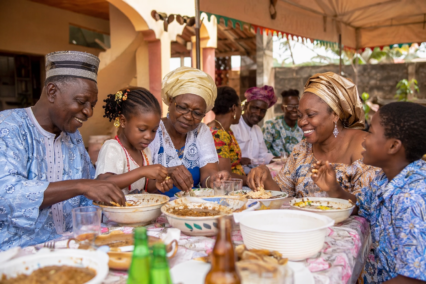
The right hand is used to eat food, especially when everyone is sharing a big plate of Ugali. People will wash their hands before eating, usually with water in a bowl brought to the table. These simple habits are a big part of how people eat in Tanzania.
Traditional Sides Served with Ugali and Coastal Meals
Ugali is not often eaten by itself. Its light taste makes it a great base for many strong side dishes. In Tanzania, you will find Ugali almost always served with stews that are full of flavour, tasty curries, or simple cooked veggies that bring in more taste and a bit of moisture. These sides are known as ‘mboga’ in Swahili. They can be different depending on where you are or what is in season.
Most people will have Ugali with slow-cooked meat or fish stews. Ugali is also what you use to scoop these up. Spinach and cabbage are other top picks for sides, with both often cooked until soft. If you want a full meal, you will get one plate of Ugali, usually with a meat or fish stew as well as a vegetable dish. There’s always a good mix of protein and greens.
Some well-loved sides that you often see along with Ugali and other coastal meals in Tanzania are:
-
Mchicha: This is a simple dish made with fried spinach or amaranth leaves, tomatoes, and onions. It tastes great and is easy to make.
-
Bean Stews: These are made from beans cooked until soft and nice with lots of flavour.
-
Nyama (Meat) Curry: This meat curry is full of spices and often cooked in a rich coconut milk sauce along the coast.
-
Kachumbari: A bright, sharp salad made from chopped tomatoes,
Conclusion
Tanzania’s cuisine shows off the country’s many different traditions, and you can see this best in the national dish, Ugali. The food here is full of taste, from the spicy Pilau to the smooth and warm Wali wa Nazi. Each dish has a story, and brings people and their ways closer together. When you get to know the food from the Swahili Coast, you learn more than what it tastes like. You also find out how people eat together, and what’s important in Tanzanian life.
If you want to truly enjoy what Tanzania offers, why not try making some these well-known dishes yourself? Grab your friends and family, because the food is always better when you have others with you. This is what real Tanzanian cuisine is about. If you want to know more, or learn how to cook these dishes, reach out for a free consultation.
Frequently Asked Questions
Why is Ugali considered Tanzania’s national dish?
Ugali is a staple food in Tanzania. It is known as the national dish because people all over the country eat it the most. The affordability of ugali helps make it a big part of Tanzanian culture, and people from every background enjoy this meal. This popular dish is often on the table for many meals in Tanzania, which helps make ugali an important part of Tanzanian culture.
Is Ugali gluten-free and suitable for specific diets?
Yes, ugali is gluten-free by nature. It is usually made from maize flour or cassava flour. Both maize and cassava do not have gluten in them. This makes ugali a good choice for people who have coeliac disease or are sensitive to gluten. Ugali is made with simple things. So, it goes well with many eating plans. It also gives a good amount of carbs to your diet.
Tips for making authentic Ugali at home
To make real Ugali, start by bringing three cups of water to a boil. Next, slowly add two cups of maize flour, also called cornmeal. Stir all the time with a wooden spoon so there are no lumps. Keep cooking and folding the mixture until it pulls away from the sides of the pot. It should look thick and feel firm when it’s done.