Key Highlights
Here’s a quick look at what we’ll talk about in this dive into Senegalese cuisine:
-
Discover Thieboudienne. This is the tasty national dish of Senegal. In the Wolof language, Thieboudienne means “fish and rice”.
-
Learn about how this dish started in the nineteenth century. We’ll see its big place in Senegalese life, both every day and at special occasions.
-
Explore what goes in it, from fresh fish and rice to a thick tomato paste and different types of vegetables.
-
Understand how people use traditional ways to make this popular fish dish.
-
Find out what makes Thieboudienne different from Jollof rice, the well-known rice dish.
Introduction
Welcome to the lively world of West African food! Today, we will go on a foodie trip to Senegal, where we explore its national dish. In most Senegalese cuisine, you will find fish or rice be on the table. So, it makes sense that Senegal’s well-known meal brings both of these together. This dish is much more than just a meal. It is a key part of Senegalese culture, history, and the way people there love to share with others. Get set to find out about Thieboudienne, which is at the heart of Senegalese cuisine.
The Origins and Cultural Significance of Thieboudienne
The story of Thieboudienne is a big part of Senegal’s history and culture. This much-loved national dish gets its name from the Wolof words for “fish and rice”. It stands for the pride and strong spirit you will find in the cuisine of Senegal. You can see the country’s seaside life and feel the tight communities in every bite.
Eating Thieboudienne is about more than what is on your plate. This meal brings people together and is part of their social life. It is eaten every day and at big events. This senegalese food shows real hospitality and the giving nature that Senegalese people have. Next, we will go over the history behind Thieboudienne and the way it still plays a part in life in Senegal.
Historical Roots of Senegal’s National Dish
Thieboudienne, or Ceebu Jen, is the national dish of Senegal. The roots of the dish go back to the coastal parts of Senegal in the nineteenth century. People often talk about a cook from Dakar who made the dish for the first time, using what was near—things from the sea and land. This shows the resourcefulness and creativity found in West Africa.
“Ceebu Jen” is what people call it in Wolof, the local language. It means “rice with fish.” People also use its French name, “riz au poisson.” The dish combines seafood and rice, which are main foods in Senegal. Because the dish does this so well, Thieboudienne is seen by many as the national dish of Senegal. It catches the history, environment, and heart of Senegalese food all in one bowl.
Thieboudienne is tightly linked to Senegal’s identity. It is more than a meal or a family recipe. The dish is a bit of history that people eat and enjoy. It shows what Senegalese culture is like and stands as a symbol of how people get through the years with the things they have.
Thieboudienne’s Role in Senegalese Celebrations and Daily Life
Thieboudienne is a big deal in Senegalese cuisine. People have it often in their daily lives. It’s also made for special occasions. At weddings, religious holidays, and family gatherings, you will see this dish on the table. When Thieboudienne comes out, you know it’s something to start the celebration. It shows a feeling of giving and makes the day feel important.
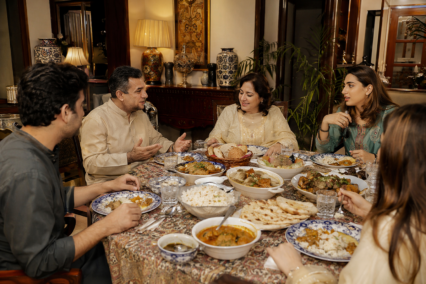
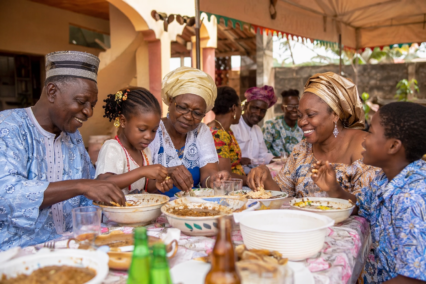
One thing about Thieboudienne that stands out in Senegal is how people eat it. Everyone sits around a large bowl and eats together, using their right hand. This way of eating is called “teranga.” It’s part of Senegalese hospitality. It shows how much people care about sharing, community, and being together. The meal isn’t just about food. It lets people connect with each other.
This group way of eating Thieboudienne is also seen in other West African countries. But in Senegal, it is even more noticeable. It proves that food, in senegalese culture, is there to be shared. It helps bring people closer and makes others feel welcome.
Key Ingredients of Thieboudienne and Their Importance
At its heart, Thieboudienne is a fish dish that stands out with a lot of flavour. It is Senegal’s national dish. The main things in the dish are fish, white rice, and a thick tomato sauce. The tomato sauce most of the time uses black pepper and is cooked in peanut oil. This combo makes the dish special because of its rich taste and smell.
There are also various vegetables in the dish that give it more colour, crunch, and goodness for your body. The white rice really soaks up all the tomato sauce and spices, so you get a bit of everything in each mouthful. Next up, let’s look at the different kinds of fish, white rice, spices, and the various vegetables that go into thieboudienne and make it what it is.
Fish, Rice, and Coastal Flavours Explained
As a signature fish dish from West Africa, the choice of seafood is vital. Typically, a firm white-fleshed fish is used, such as grouper. The fish is often cut into large fish pieces, stuffed with a flavourful herb mixture, and then fried before being simmered in the sauce. This process ensures the seafood remains moist and flavourful.
The rice is just as important. While white rice like jasmine rice is common, the most traditional version results in a “red rice” that has been cooked in the flavourful tomato broth. This absorption of the coastal flavours from the fish and sauce is what makes the rice so incredibly tasty.
Here’s a quick breakdown of the core components:
|
Component |
Description |
|---|---|
|
Fish |
Typically a firm, white-fleshed fish like grouper, often stuffed with herbs and spices. |
|
Rice |
Usually a long-grain white rice that absorbs the sauce, turning it into a flavourful red rice. |
Vegetable and Spice Traditions in Senegalese Cooking
A real Thieboudienne is not complete without a mix of various vegetables. You cook these vegetables right in the main pot, where they soak up all the rich sauce. Each one adds its own taste and texture to the dish. The choices can change depending on the season and where you are, but some vegetables are always used.
People usually pick vegetables that are dense and starchy. That way, they hold up well through the long cooking time. They help give the meal a good, hearty base. The most common ones you will see are:
-
Cassava
-
Sweet potato
-
Cabbage
-
Eggplant
-
Okra
Thieboudienne gets its flavour from a mix of different spices and fresh herbs. One of the key ingredients is “Rof,” which is a stuffing made with parsley, garlic, and hot pepper. Often, this mix goes inside the fish. It gives the fish more flavour from the inside and adds a good spicy kick.
Traditional Preparation Methods of Thieboudienne
Making Thieboudienne the classic way takes time, but it is worth it. This dish shows off the heart of Senegalese cooking. First, you make a tasty marinade, called “Rof.” You take garlic, parsley, and chillies and crush them together to make a thick paste. This mix goes inside the fish, which you then fry in peanut oil. The fish gets a great crispy outside that way.
After that, you make a rich sauce to go with the fish. Stir in tomato paste, some spices, and a mix of fresh veggies. Leave all that to simmer together in one big pot. Last, you add the rice, so it soaks up all the good broth and gets full of flavour. That’s the usual routine, but you’ll see some changes to how people do it, depending on where in Senegal you are. Let’s have a closer look at each part and find out about the different ways people make Thieboudienne.
Step-by-Step Cooking Process
In Senegal, there is a special way to make Thieboudienne. People take their time with every step when cooking this fish dish. First, they get the flavour going by cleaning the fish well. They make shallow cuts in the fish and then pack it with a strong marinade made from spices and herbs, which is crushed up in a mortar.
Once the fish is full of this thick marinade, they cook it in oil so it turns brown. The same oil is used to fry the tomato paste until it gets a dark colour and gives a deep taste. After this, water and veggies go in, and the fried fish is put back too. The fish and veggies simmer, letting all those tastes go into the broth of this well-loved fish dish from Senegal.
When the fish and veggies are soft, they come out of the pot. Rice goes in and is cooked until it soaks up the spicy broth. Here’s a quick look at the steps you do:
-
Stuff the fish with a marinade made from herbs.
-
Fry the fish, then put it to the side.
-
Make a rich sauce with tomato paste and let the veggies and fish cook together.
-
Take out the fish and veggies, then cook the rice in all that good broth.
This tomato paste and spices method is the classic way to cook thieboudienne in Senegal.
Regional Variations and Serving Etiquette
The classic Thieboudienne is famous for its red rice. But there are a few well-known ways people make the dish. One popular version is called “Ceeb bu weex.” In English, that means “white rice.” For this twist, people leave out the tomato paste. So, you get a lighter-coloured dish with a mild taste. It’s common to add tamarind and lime for flavour.
In some parts of Senegal and other nearby West African countries, people use millet couscous instead of the white rice or red rice. The main idea of this dish stays the same. That means you still get the stew with fish and lots of vegetables. The only thing that swaps is which grain goes underneath. In other places like Gambia, Guinea, and Mauritania, you could hear different names for this dish. Even then, people know it started with the Senegalese.
It’s also common to see how this meal is put out for sharing. Someone will spread the cooked rice on a big platter. Then they place the fish and the veggies on top. The dish sits in the middle so everyone at the table can dig in together. It’s a good way to bring people closer and makes you feel like part of a group.
Conclusion
Thieboudienne is more than just a meal. It is a big part of Senegalese culture and brings people together. This national dish from Senegal has a long story, with special ingredients and ways to make it. All this shows how food, who we are, and what we celebrate go hand in hand in West Africa. When you eat Thieboudienne, you are not only enjoying a good plate of food. You are taking part in something that people in Senegal have shared for years. You might eat it with mates at a party or have it at home to warm up. Either way, this dish is what Senegal is all about. Try it for yourself and get a taste of West Africa through Thieboudienne!
Frequently Asked Questions
How do you pronounce Thieboudienne and what does it taste like?
Thieboudienne is said as “cheb-oo-jen,” which comes from its Wolof name, ceebu jen. This fish dish is big on taste, thanks to a strong tomato sauce. The herbs add a fresh touch, and the cooked veggies bring an earthy note. There’s a little heat in it, and the fish gives the whole meal a rich, deep flavour.
Is there a vegetarian version of Thieboudienne?
Yes, you can make a vegetarian version of Thieboudienne. It’s part of senegalese cuisine, and people call it “Thiebou yapp” when it’s made with meat, but you can use various vegetables instead. This senegalese dish uses the same way of cooking as the original, but you leave out the fish. The vegetables are cooked slowly in a tasty broth with spices. This makes a good and filling vegetarian meal that many people in Senegal enjoy.
What makes Thieboudienne different from Jollof rice?
Thieboudienne and Jollof rice are two well-known West African meals. Both are made with rice cooked in tomato paste. The big difference between them is in the protein. Thieboudienne is mainly a fish dish. You will find big pieces of fish in it. Jollof rice is different because it is more flexible. People may eat it with chicken or meat instead.