Key Highlights
Here’s a quick look at what we will talk about in this guide to Rwandan cuisine:
-
Rwanda does not have an official national dish, but Isombe is seen by many as the most loved and the one that best shows their cuisine.
-
Isombe, which could be called Rwanda’s national dish, is a hearty stew made with pounded cassava leaves.
-
People enjoy this dish for its creamy texture, which comes from groundnuts and palm oil.
-
This staple food is often served with other East African favourites like Ugali or sweet potatoes.
-
Rwandan cuisine is all about using fresh, local vegetables and keeping things simple when it comes to how food is made.
Introduction
Welcome to the tasty world of Rwandan cuisine! In Rwanda, there are rich culinary traditions, and the food links closely to local farming. Most Rwandan food uses fresh and simple ingredients. Many meals start with vegetables from nearby gardens. These dishes are known to be filling and packed with flavour. These meals show how people in Rwanda use what they have and cook together. You will get to try everything from warming stews to grilled food. Rwandan cuisine is all about cooking with heart. Be ready to enjoy the tastes that make this country stand out.
Discovering Rwanda’s National Dish: Isombe and Its Place in East African Cuisine
While Rwanda does not name an official national dish, many people in the country would point to Isombe as the best meal to show their culture. This stew is maybe the most eaten dish of all in Rwanda, which makes it stand out in Rwandan cuisine. It is one of the main staples in East Africa, known for the way people make it and the things that go into it.
Isombe is made with pounded cassava leaves and gives you the true taste of Rwanda. You can find this warm stew in homes and also in places to eat. It shows just how much people in Rwanda use local, fresh things in their food. When you visit, you have to try Isombe for a real taste of Rwandan food.
What Sets Isombe Apart Among Rwandan Foods
What makes Isombe different from other traditional dishes in Rwanda is its creamy texture and its main ingredient, cassava leaves. Most stews use meat or tomatoes, but Isombe uses mashed cassava leaves at the centre. These leaves are crushed until soft. They make the base for this national dish.
The cassava leaves give Isombe a special earthy taste. That is something you will not get in other East African foods. When groundnuts and palm oil are added to Isombe, they bring a rich and creamy texture. This makes the stew both filling and comforting. The way all these things come together makes Isombe stand out from other meals.
Many dishes in Rwanda are simple and show off the fresh local food. Isombe, though, turns basic leaves into a tasty stew. This shows how Rwandans find ways to use what they have. Isombe is now a much-loved national dish and part of the country’s food culture.
Common Ingredients and Flavours in Isombe
The magic in Isombe comes from mixing a few simple things. The main part of this dish is cassava leaves. These leaves need to be pounded and cooked well so they can be safe and taste good. Cassava leaves are full of iron. They give the stew its green colour and strong, earthy base.
To get its creamy texture and unique taste, Isombe uses some other key things. You often find:
-
Groundnuts (peanuts): These are crushed or made into a paste to make the stew thick and nutty.
-
Palm oil: This adds to the classic flavour and makes the dish smooth.
-
Dried fish: You add this for a nice savoury taste.
People also use onions, peppers, and some spices to finish off the dish. All these make a taste that is savoury, nutty, and very satisfying. This staple food usually comes with sides like Ugali or sweet potatoes. These sides go well with the rich flavour and creamy texture of Isombe.
Traditional Preparation Techniques for Rwanda’s National Dish
Preparing Rwanda’s national dish, Isombe, is something many Rwandan households have done for years. It all starts with cassava leaves. People use a big mortar and pestle to pound the leaves. They keep going until the leaves turn into a soft mash. This step is very important, as it helps break down the tough bits in the leaves.
After the cassava leaves are ready, they get slow-cooked with other things. Everything cooks together into a thick stew that is full of flavour. Making Isombe is a task where the whole family often gets involved. It makes family meals special and feels like home. We’ll look closer at how people do this and how methods can change, depending on where you are in Rwanda.
Cooking Methods Passed Down Through Generations
The way to make Isombe is something that families in Rwanda pass down from one generation to the next. One of the most important parts is pounding fresh cassava leaves. People usually do this in a big wooden mortar. They pound the cassava leaves again and again until they turn soft and smooth, ready for the rest of the cooking.
Once the leaves are pounded, you put them in a pot and cook them slowly over heat. Cooking them this way takes time. It is a key step because eating raw cassava leaves is not safe. Slow cooking makes sure the leaves are good to eat and soft. The leaves take on the taste of things like palm oil, onions, and groundnuts during this step.
This way of making Isombe takes simple things and turns them into a thick and tasty stew. From starting with pounding, to taking time to simmer, every bit needs care and effort. In the end, you get one of the best traditional dishes served at family meals in Rwandan households. People all over the country love to eat this stew made from cassava leaves.
Local Ingredients and Regional Variations
Rwanda’s rich agricultural heritage makes sure ingredients for Isombe are easy to find. There are some changes in the recipe depending on what grows nearby in different towns. Cassava is a main crop all over the country, so people use its leaves as the base for this much-loved stew. Still, what you add in can change from place to place.
In one part of Rwanda, people use dried fish to bring a salty taste to the meal. In another part, cooks may put in extra vegetables like spinach or eggplant. This gives more flavour or texture to the stew. Some families will toss in fresh chili when they want their stew to be a bit hotter.
These choices show what foods are easy to get in each region, and what people there like to eat. Even though Isombe always starts with pounded cassava leaves, every version tastes a little bit different. The many ways to make this dish show just how wide and fresh Rwandan cuisine can be. These differences also tell us how cooks use what they have close by in their cooking.
Cultural Importance of Isombe and Popular East African Staples
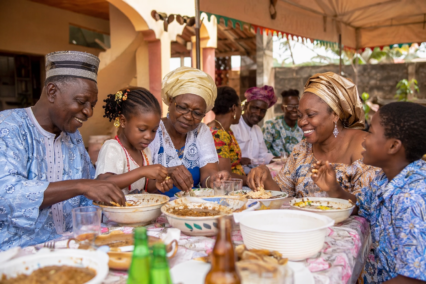
Isombe is more than just a staple food for Rwandans. It is a big part of their culture. People see Isombe as a sign of home, comfort, and being together. You will find this dish at many social gatherings. It brings people in the community together to eat and talk. When you see Isombe at the table, it means you are welcome and the host wants everyone to feel part of something.
Just like other staples in East Africa, such as Ugali and Matoke, Isombe is at the heart of what people eat in this region. These staple foods are important because they are tied to everyday life, shared with family, and often part of times to celebrate. Let’s have a look at when these foods are served and how they are similar or different.
Festive Occasions and Everyday Meals
Isombe is a dish that fits right in for all sorts of meals in Rwanda. You will find it in many rwandan households, where people have it often for family meals. This stew is not just tasty, but it is good for you and keeps you full. Plus, the things you need to make it are easy to get, so it is a go-to for lunch or dinner.
But it is about more than normal meals. Isombe gets even more special at social gatherings. People in rwanda serve it at big events like weddings, community parties, and holidays. Making a big pot of this stew is how hosts show their guests they are welcome. It is often the main dish at these times.
No matter if it is just a quiet night in or there are lots of people around, Isombe brings that feeling of being together and keeping up with tradition. It is something that ties everyone in rwanda together through their love of food.
Comparison with Staples like Ugali, Matoke, and Ibihaza
While Isombe is a uniquely Rwandan stew, it is often served alongside other popular East African staples. Ugali, a stiff porridge made from maize flour, is a common accompaniment, perfect for scooping up the rich sauce of the Isombe. Matoke, made from steamed or stewed plantains, is another favourite side that is popular across the region.
Another beloved Rwandan food is Ibihaza, a hearty stew made with pumpkin and beans. Unlike the leafy green base of Isombe, Ibihaza has a sweeter, earthier flavour profile derived from slow-cooked pumpkin. These dishes showcase the diversity of staple foods in the region.
Here’s a quick comparison of these popular dishes:
|
Dish |
Main Ingredient |
Texture |
Common in |
|---|---|---|---|
|
Isombe |
Pounded Cassava Leaves |
Thick, creamy stew |
Rwanda |
|
Ugali |
Maize Flour |
Stiff, firm dough |
East Africa |
|
Matoke |
Plantains (Bananas) |
Soft, can be mashed or stewed |
East Africa |
|
Ibihaza |
Pumpkin and Beans |
Hearty, thick stew |
Rwanda |
Where to Enjoy Rwanda’s National Dish and Classic Staples in Rwanda
If you want to enjoy a real taste of Rwanda, you should look for the places where local people have their meals. You can get Isombe and other classic staples in many different places, like busy city restaurants or quiet homes in the villages. When you go out to try the local food scene, you get a good way to connect with the culture in Rwanda and with its people.
Many local restaurants are good at making traditional Rwandan cuisine, so these places are a great way to start. If you want an experience that feels even more special, you can go on food tours or visit a village to have a meal that is made at someone’s home. Let’s look at some of the best ways to taste real Rwandan food.
Local Restaurants, Village Experiences, and Food Tours
In cities like Kigali, there are a lot of local restaurants called “bufande” or “melanges.” These places serve up Rwandan food as a buffet. Many people who live there go to these spots because the food is tasty and not too expensive. You can try many meals there. Some favourites are Isombe, Ugali, and different bean stews. This is a good way to get to know the taste of local cooking.
If you want to go further with your experience, village visits are top-notch. You get the chance to sit with a Rwandan family and eat in their house. The food is made using old methods and the veggies come right from their garden. This is a real and warm way to see how people in Rwanda show kindness to others.
Here are some more ideas to help you with your food journey:
-
Guided Food Tours: There are many tours in Kigali. They will take you to the top local food spots and bustling markets.
-
Community-Based Tourism: Some groups can link you with families in local communities so you can have a meal together.
-
Cooking Classes: You can join in a class to learn how to make Isombe and other classic dishes like Ugali on your own.
Tips for Tourists Wanting to Taste Authentic Rwandan Cuisine
If you want to try real Rwandan food, it’s good to be a bit bold and ready for something new. Don’t just stick to the usual tourist spots. Instead, check out places where locals like to eat. The food at these small spots is often tastier and shows off real Rwandan cuisine. You can always ask hotel staff or your guide to tell you about their top places to eat in Kigali or anywhere you stay.
While you’re out and about, go for more than Isombe. You should also try Brochettes. These are grilled meat sticks and goat meat is a top pick for many people in Rwanda. Don’t forget Agatogo as well. It’s a plantain stew and very filling. These choices are real staples for many families, and you will get to try what most people in Rwanda enjoy.
Here are a few handy tips for anyone on a food adventure in Rwanda:
-
Visit the Nyamirambo Women’s Center in Kigali. They offer walking tours and you also get a proper home-cooked lunch.
-
If you are on a safari near Volcanoes National Park, ask your lodge or tour team if they can set up a local meal for you.
-
Make sure to try the chili sauce, akabanga. But only a little, as it is very hot!
-
Be ready to eat with your hands too, especially when you have Ugali or other staples.
Rwandan food gives you a good look at
Conclusion
In the end, learning about Rwanda’s national dish, Isombe, shows us how culture and tradition come together in Rwandan cuisine. The mix of its special ingredients and the way people prepare it says a lot about the farming life in Rwanda. It also brings out how people in Rwanda enjoy sharing meals, especially on important days. When you look at Isombe and other East African staples like Ugali and Matoke, you get to see just how wide and good the cuisine is in this part of the world. If you want to try this food for yourself, now is a good time. You can find Isombe in local places to eat or even take part in food tours while in Rwanda. The rich flavours of rwanda’s national dish are ready for you to try. Have a great time getting to know this real taste of Rwandan life!
Frequently Asked Questions
Is Isombe or Ugali the more widely recognised national dish in Rwanda?
Ugali is a well-known staple food in Africa. People eat it all across East Africa, but when it comes to Rwanda, Isombe stands out. Many see Isombe as the national dish there. While Ugali is usually a side, Isombe is a main meal on its own. It does a good job of showing off Rwandan culinary traditions. For Rwanda, Isombe is more than just food; it is part of what makes their meals special.
What makes Rwanda’s national dish different from other East African dishes?
Isombe is a rare dish in East African cuisine. You make it with pounded cassava leaves, which you do not see much in stews from other nearby countries. The creamy texture of isombe comes from groundnuts and palm oil. This gives it a different feel from most other traditional dishes in the area that use cassava. It is really the use of cassava leaves that helps isombe stand out.
Are there any unique occasions when Isombe is especially served?
Yes, Isombe is well-liked at social gatherings and big events in Rwanda. People have it often at family meals. It is also a main dish for weddings, holidays, and other special days. At these times, it is given to guests and shows everyone coming together.