Key Highlights
-
Attieke is the national dish of Ivory Coast. It is a much-loved food which people make from fermented cassava.
-
This big part of Ivorian cuisine got world fame when UNESCO put it on the list of intangible cultural heritage.
-
Groups of women do the hard work to make attieke. The job takes days.
-
People sometimes call it ‘Ivorian couscous’. Attieke has a tangy taste and a soft, fluffy consistency.
-
Now, attieke is popular not just in the Ivory Coast. More people in West African countries, plus communities in Europe and North America, also enjoy this dish.
Introduction
Have you ever thought about what food really shows the heart of a nation? For Ivory Coast, that dish is attieke. Attieke is a fermented meal made from cassava. It’s not just something you eat. It stands for who the people of Ivory Coast are, and it sits right in the middle of their cuisine. People have attieke at family meals and big parties. Folks from all over the country love and eat it. Attieke is a special part of life for them. Now, let’s look at the story of this important dish and see how it fits into the bigger picture of West African food.
Attieke – Ivory Coast’s National Dish
Attieke is known as the national dish of Ivory Coast. The name is held with pride by the country. Made from cassava root, attieke is a key food for many. It is a big part of life and culture there. People love it so much that some say they can eat it for breakfast, lunch, and dinner.
Attieke is usually served with grilled or fried fish. There is also a spicy pepper sauce. Chopped onions are added too. The meal is simple, tasty, and filling.
Attieke is more than just a popular meal in Ivory Coast. The dish shows a shared history. It has helped bring people together for a long time. The way attieke is made is taught from parent to child. When the dish is set out for a meal, it means family and celebration. It is not just food; it is a sign of culture for Ivorians. Attieke stands as a part of ivory coast, linking many people who eat it and enjoy it.
Let’s now look at its past and see why attieke is honored in rules and customs across the country.
History and Cultural Importance of Attieke
Attieke started out in the southern lagoon parts of Ivory Coast. You find it most with the Adioukrou, Avikam, and Ebrie people. The name “attieke” comes from the Ebrie word “adjeke”. People say that getting this dish ready is a bit like the preparation of foutou and takes quite a bit of work.
Groups of women would get together to make it. These women made a bit of a social spot where they could swap skills and stories. The act of cooking attieke together is not just about the food. It helps everyone connect and keeps the community strong. You can still see these groups of women working away, especially in the big attieke production places near Abidjan, the commercial capital.
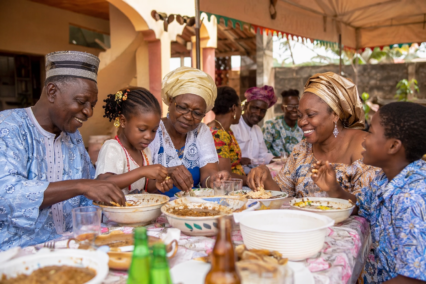
People in Ivory Coast eat attieke at all sorts of gatherings, from big weddings and birthdays to day-to-day family dinners. The dish was even put on the list of intangible cultural heritage by UNESCO not that long ago. This shows how important attieke is, and it gives a nod to the old ways and community effort behind making it. Because of all this, attieke is now seen as a real cultural treasure in Ivory Coast.
Why Attieke Is Celebrated Nationally
Attieke is popular all over Ivory Coast. It is easy to get, costs little, and brings people together. You will see attieke on the plates of all Ivorians, no matter where they live or how much they have. People admire this dish, and it helps build a strong feeling of pride in their cuisine.
Not long ago, UNESCO put attieke on its list of intangible cultural heritage. This made the celebration among Ivorians even bigger. The world now knows how important attieke is in Ivory Coast. This honour shows the power of Ivory Coast food and puts attieke beside the great dishes from other cultures.
Many people feel this recognition shields their history. Attieke is now made in other countries more and more. Ivorians really want to keep their dish special. The UNESCO badge, and the “Protected Geographical Indication” tag, help Ivorian attieke stand out. It keeps the old ways of making it alive and protects a national treasure for future generations.
Traditional Methods of Making Attieke
Making attieke from scratch takes a lot of work and a few days to finish. It really is a form of art. You start with cassava roots and let them go through fermentation, which gives attieke its tangy taste. A little bit of fermented cassava from an old batch can be added, like yeast, to help start the next one.
Usually, groups of women take on this tricky job together and make attieke in large batches. The know-how and skills have been given from one generation to the next. Working side-by-side turns this hard job into something everyone can enjoy as a group. Now, let’s have a look at the main ingredients and the steps for making this special dish.
Key Ingredients in Attieke and Their Significance
The main thing you need to make attieke is cassava. This is a root vegetable that many people in Africa eat every day. How the tubers are made is what makes attieke different from other foods. Even though the core recipe is easy, the way cassava turns into attieke makes it something special.
Here are the main things you need for making attieke the traditional way:
-
Cassava: This is what gives the dish its base. It brings all the starch and bite. You can use cassava that is fresh or a bit fermented.
-
Water: It’s needed to wash and boil the cassava.
-
Palm Oil: You use a small bit of very hot palm oil when grinding. It gives attieke more taste and changes its texture.
-
Starter: Use a little piece of already fermented cassava. This acts as a natural yeast.
Ginger is not a key part of attieke itself, but it often goes into sauces and stews served on the side. It gives more flavour to the whole meal.
The Step-by-Step Process of Preparation
The preparation process of foutou and attieke both require significant effort, but the journey to perfect attieke is a multi-day affair focused on fermentation and achieving a specific consistency. The process begins by creating a starter for fermentation.
First, cassava roots are peeled, cut into tiny pieces, and washed thoroughly. Some of these roots are slightly boiled and soaked for one to three days to ferment and act as the yeast. The fresh and fermented roots are then ground together, often with a bit of water and overheated palm oil. The resulting pulp is packed and left for another 12-15 hours for further fermentation.
Afterwards, the paste is pressed to remove all water, sieved, and sun-dried. The final step is steaming the dried granules until they are soft and fluffy. The table below outlines the traditional preparation.
|
Step |
Action |
|---|---|
|
1. Fermentation |
Soak boiled cassava for 1-3 days to create a starter. |
|
2. Grinding |
Grind fresh and fermented cassava with palm oil and water. |
|
3. Second Fermentation |
Let the resulting pulp ferment for 12-15 hours. |
|
4. Pressing |
Squeeze all water from the paste. |
|
5. Sieving & Drying |
Sieve the paste and dry the granules in the sun. |
|
6. Steaming |
Steam the dried granules until soft and fluffy. |
How Attieke Is Enjoyed in Everyday Life
In Ivory Coast, attieke is not just a dish for big events. It is a key part of daily life for many people. For Ivorians, this side dish is easy to get and does not cost much. You will find it with most meals. At homes and on the streets of Abidjan, the commercial capital, you can see people eating attieke everywhere.
The good thing about attieke is how well it works with many foods. People often have it for a quick lunch or a big dinner. It makes a great base for other toppings and things to go with it. Attieke plays a big part in the ivory coast’s cuisine. Its taste is special. Many classic dishes use attieke, so let us look at its flavour and the different foods that go with it.
Flavour Profile and Ways Attieke Is Served
Attieke has a flavour that stands out on its own. The fermentation gives it a bit of tang and sour taste, and the food feels soft and fluffy. It looks much like couscous. When you finish making it, attieke should come out as granules. It must not be a paste that is dense. After steaming, people sometimes mix in a tblspoon of palm oil. Adding palm oil gives the food more richness and stops it from clumping.
Most people serve attieke as a side dish. It is good with grilled or fried fish, like tilapia. The top of attieke often has a simple touch of chopped onions and tomatoes. Folks nearly always add a spicy pepper sauce or stew on the side. This makes the meal feel full.
Besides fish, attieke is a side dish that works with other foods. You can match it with chicken, seafood, and many stews. Attieke also fits well with eggplant or even pineapples, showing that it’s a flexible dish for all. This makes attieke a loved part of Ivorian cooking.
Classic Side Dishes and Accompaniments in Ivory Coast
Attieke tastes great on its own, but it gets even better when you eat it with some classic Ivorian sides. These side dishes add more flavour and texture, so a basic meal can feel like a real feast. Grilled fish with a zesty marinade is a top pick for many people.
Another well-loved side is fried plantain, which is called alloco. The sweet taste of plantain is a perfect match with the tangy attieke. People also love to serve stews made from things like chicken or seafood. Most of these stews use tomato paste and local spices, so they are full of rich taste.
You can find attieke served with these classic sides:
-
Grilled Tilapia: The fish is usually marinated with some spice and cooked whole.
-
Alloco: These are slices of plantain, fried until sweet.
-
Spicy Pepper Sauce: This is a hot sauce that uses peppers, onions, and tomatoes.
-
Kedjenou: A chicken stew that is cooked slowly. Sometimes it has peanut butter in it to make it richer.
Attieke in West African Cuisine and Beyond
Attieke is a well-known cassava dish from Ivory Coast. But now, it is not just Ivory Coast where you will find people eating it. More people in the West African region enjoy this dish, and it is also popular among those from ivory coast who live outside their home country. The demand for attieke is going up in places like Burkina Faso and Ghana.
The reach of attieke does not stop in Africa. Word about it has made its way to places in Europe and North America, like France, where a lot of people from the region live. Now, you can get pre-cooked and quick-to-make packs of attieke sent overseas. This makes it very easy for anyone to try this dish and get a sense of Ivorian cooking no matter where they are. Next, let’s see what other foods are like attieke and how much people in the world know about this meal.
Similar Cassava-Based Foods Across the Region
Cassava is a staple across Africa and the Americas, leading to a variety of dishes that share a common ingredient but differ in preparation and texture. In West Africa, one of the most well-known cassava dishes besides attieke is foutou. Foutou is a smooth, heavy dough or mash made by pounding boiled cassava, often mixed with plantain.
The key difference between attieke and foutou lies in the preparation and final consistency. Attieke is a fermented, steamed, granular couscous-like dish, while foutou is a non-fermented, pounded, dense paste. Other regions have their own versions too, like Caribbean cassava bread.
Here is a simple comparison of attieke with other cassava-based foods:
|
Dish |
Main Ingredient(s) |
Texture |
Preparation Method |
|---|---|---|---|
|
Attieke |
Cassava |
Granular, fluffy |
Fermented, grated, steamed |
|
Foutou |
Cassava, Plantain |
Smooth, dense paste |
Boiled, pounded into a mash |
|
Gari (West Africa) |
Cassava |
Coarse flour/granules |
Fermented, grated, roasted |
|
Caribbean Cassava Bread |
Cassava |
Flat, crispy |
Grated, pressed, baked |
Global Popularity and Where to Try Authentic Attieke
Attieke has gone from being a local favourite in Ivory Coast to becoming known around the world. Its recent mention by UNESCO, along with things like Japanese sake, has helped it get more attention. Because of this, more people outside West Africa are interested in it and want to try it.
These days, you can get attieke at African grocery shops and restaurants in places that have lots of people from West Africa. This is true, especially in France and some parts of North America. Most of the time, attieke is sold as a pre-cooked and dried food. You just have to steam it at home. This makes it easy for people everywhere to enjoy.
But if you want to eat attieke the way it is meant to be, you have to visit Ivory Coast. In Abidjan, which is the commercial capital, attieke is sold everywhere. You will see it at busy stalls on the street and in nice restaurants too. You can get the best and most real attieke in the suburbs like Anono or at a regular market. This gives people a special taste of Africa that is hard to forget.
Conclusion
To sum up, Attieke is more than just a national dish in Ivory Coast. The dish stands for much of the country’s culture and food traditions. Made from cassava, it shows how important family, flavour and history are to people in Ivory Coast. You can have it with grilled fish, or add it to a big meal for special times. Attieke gives you a special taste that brings you closer to West African cuisine. The world is noticing this dish a lot now. Trying Attieke is a good way to see what makes the food from this part of the world so special. If you want to cook Attieke yourself, or, if you want to find it near you, go for it. It is a great way to enjoy something tasty and new. Give this dish a go and enjoy what Ivory Coast has to offer!
Frequently Asked Questions
Can attieke be made at home in Australia?
Yes, you can make an easy version of attieke at home. The old way is hard, but you can do it with grated cassava. It can be fresh or frozen. Use a starter, like yeast or some old fermented dough. You also need a blender or food processor to mix the cassava pulp. Once you have the granules, steam them. This gives you a bit of the taste of the Ivory Coast and its food.
What are the main differences between attieke and other cassava dishes?
The main difference between attieke and other cassava dishes like foutou is how they are made and what they feel like when you eat them. Attieke comes from fermented cassava. This gives it a tangy taste and the granules turn out to be light and fluffy. On the other hand, the preparation process of foutou is different. People boil the cassava first and then pound it until it becomes a smooth, thick, and starchy paste. So, while attieke has a fluffy consistency, foutou is more like a dense paste.
Where can I buy attieke or try it locally?
If you want the real attieke, go to any market or small place to eat in Abidjan. This city is the commercial capital of Ivory Coast in Africa. If you are not in Africa, it’s still possible to find pre-cooked or dried attieke. Look for it at African food stores in big cities around North America and France, as many people from West Africa live there.