Key Highlights
Here’s a quick look at what you’ll find in this guide to Honduran food:
-
Honduras’ national dish is Plato Típico. It’s a big plate with grilled meat, beans, rice and fried plantains.
-
Baleadas are another well-loved Honduran meal. They use flour tortillas, beans and cheese.
-
Honduran cuisine mixes ideas from Spanish, African and the Lenca, who are an Indigenous group in the area.
-
You’ll also see lots of items found right across Central America, like corn tortillas, beans, rice and plantains. They’re a big part of daily cooking.
-
Food can be different in some spots. In coastal areas, many people get seafood like conch and also cook with coconut milk.
-
At special occasions or around big celebrations, you’ll often see festive foods like tamales. These dishes come out for holidays and happy times with family.
Introduction
Welcome to the world of Honduran cuisine. If you want to know more about the food in Honduras, you will see that it is a good way to connect with the country’s history and its people. Honduran food is not the same as the dishes you may find in other parts of Latin America. The meals here mix Spanish, Caribbean, and the old ways of the Lenca people. Corn, beans, and plantains are used in many dishes but the way that people cook them in Honduras makes the food special. Some meals fill you up and some are quick snacks you get on the side of the street. Now is the time to find out what makes Honduran taste stand out in Central America.
Understanding Honduras’ National Dish: Plato Típico
The official national dish of Honduras is Plato Típico. You can find this meal in the heart of Honduran cuisine. It shows you what traditional Honduran foods are all about. Everything you want is right on one plate. It’s a big serve, and you get many of the most loved foods that come from Honduras.
Plato Típico stands out in Central America because it has lots of different foods on one plate. There are other places with grilled meat, but the Honduran way is different. Here, you get carne asada, fried plantains, beans, rice, and fresh cheese. The mix gives you good flavours and different textures. This is what makes it pure Honduran.
Origins and Cultural Significance of Plato Típico
Plato Típico is not just a meal in Honduras. It’s a real part of the culture, something that shows what Honduran cooking is all about. The ingredients in this dish have been used by people in the country for many years. They bring together food from indigenous traditions and Spanish ideas like grilled meats. This is at the heart of home cooking in Honduras.
You see the true meaning of Plato Típico at family gatherings and special occasions. People like to come together around this big, tasty meal. There is a tradition to bring everyone close, and this platter sits right in the middle, perfect for good times and community.
The food can be found in restaurants everywhere in Honduras. Still, it has strong links with parties and home meals. This is why it means a lot to people—it shows national pride and Honduran hospitality. When you get a plate of Plato Típico, you get a friendly welcome too.
Main Ingredients and Flavours of Plato Típico
The heart of Plato Típico is in the way all its main foods come together. The star is often carne asada. This is beef that is soaked in sour orange juice and spices and grilled till it is just right. The meat gets a tangy, salty taste that is mouth-watering.
With the carne asada, you get a few classic sides. There are refried beans, soft white rice, and sweet, fried plantain slices. On top of this, there is a variety of toppings that brings some freshness and a creamy touch to the plate.
Common additions include:
-
A dollop of rich sour cream
-
Slices of fresh avocado
-
Crumbled salty cheese
All these ingredients combine on the plate to give you tastes and feels that are sometimes savoury, sometimes sweet, creamy, and fresh.
Typical Presentation and Serving Customs
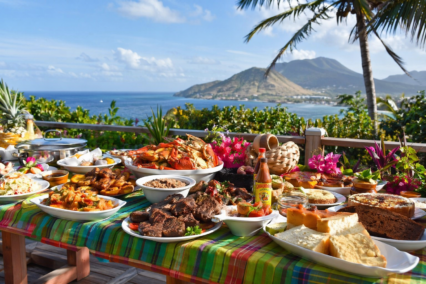
When you see Plato Típico, you can tell there is a lot of food on the plate. All the parts are set out nicely on a big plate, so you get a bright and tasty meal. The grilled meat is in the middle. Around it are the rice, beans, and fried plantains in small, tidy piles.
You’ll always get warm corn tortillas with your food. These are great for picking up the food and making your own bites. There can be other things on the side, like a salad made from shredded cabbage and a salsa called chismol. Chismol is made with tomatoes, onions, and bell peppers, and it’s often finished off with a bit of lime juice to give it a new taste.
If you go to honduran restaurants in Honduras, you’ll find Plato Típico is one of the main dishes people order. You don’t have to follow many rules for how to eat it. People mix and match what they like on their tortilla. It’s a meal you can enjoy with your hands, and it lets you try all the best flavours of Honduras.
Baleada – An Iconic Honduran Staple
While Plato Típico is seen as the national dish, a lot of people in Honduras will say the baleada should hold that spot. This is one of the most well-known and loved traditional Honduran foods. A baleada has a thick flour tortilla. The tortilla is folded in half and filled with a few simple but tasty things inside.
The baleada is a favourite that you can find all over the place in Honduras, from small food stalls in the street to bigger restaurants. It is known for being easy to eat in different ways, not costing a lot, and filling you up. You can enjoy it for breakfast, lunch, or as something late at night. This is why many say this staple is really the unofficial national dish of Honduras.
Composition and Variations of Baleada
The classic baleada has a simple base. It starts with a thick flour tortilla that is made fresh. You spread mashed and refried beans on it. The tortilla then gets some salty, crumbled cheese, and a bit of sour cream on top. It is folded and sometimes grilled just till everything is warm.
After this, you can add a variety of toppings. If you want a “baleada especial,” you can put more stuff in. Scrambled eggs are popular and make a good breakfast. Some people like to add ground meat for a bigger meal.
You can also use avocado, sausage, or grilled pork as fillings. The baleada is loved because it can change to fit what you want. There are so many options that make each bite a new way to enjoy it.
Why Baleada Is So Beloved Nationwide
The baleada is very important to Hondurans. It is simple and cheap, so almost everyone eats it. You often see women cooking them at street stalls. The meal costs about a dollar. It is tasty, fast, and easy to afford.
You can get this food in various forms all over the country. It is sold by street vendors and you can also find it at Honduran restaurants. People enjoy baleadas for everyday meals, but you might also see it at special occasions or gatherings. The food fits many situations.
The baleada is comfort food for many people. With its soft tortilla, smooth beans, and salty cheese, it feels very good to eat. It is everywhere, and lots of people have happy memories of eating one, like picking one up late at night from a street food stand. Because of this, the baleada is a real treasure in Honduras.
Exploring Central American Staples in Honduran Cuisine
Honduran cuisine has a lot in common with other countries in Central America. People in Honduras eat a lot of corn, beans, and rice, just like people do in places like Guatemala and El Salvador. But, Honduran food has its own special style that makes it different.
The local Lenca group, who also live in El Salvador, have a big impact on how people use corn in their meals. These foods might be found all across Latin America, but the way people in Honduras cook them and put flavours together is what sets honduran cuisine apart. Now, let’s see how these basic foods fit into meals in Honduras.
Corn Tortillas and Their Role
Corn tortillas are a big part of the food in Honduras. You will find them at almost every meal. People in Honduras see corn as special, thanks to the old Mayan Lenca past. You can see how important corn is because it’s used so much. The corn tortillas are not like flour tortillas that are used to make baleadas. These are made from corn masa.
In Honduras, these tortillas have many uses. People often eat them warm with meals like Plato Típico, using them to pick up food. They are also the main part in a lot of other dishes. To make Honduran enchiladas or catrachitas, you start with corn tortillas and then deep fry them until they get crispy.
It’s easy to make these at home. All you need to do is heat vegetable oil in a frying pan set to medium heat. Put the tortillas in and let them fry until they turn golden and become firm. The way you can use them in so many dishes shows how important they are. You won’t find a real Honduran meal without these tortillas. For the people who live in Honduras, they are a true staple.
Beans, Rice, and Plantains as Everyday Essentials
Aside from corn, the mix of beans, rice, and plantains is a big part of Honduran meals. People in Honduras eat these all the time. They give the food both taste and nutrition. Red beans are used a lot and are often stewed or refried.
Most people cook rice in a simple way. It is plain, so it soaks up the flavour from other food on the plate. Green plantains are fried and turn into salty chips called tajadas. If you use ripe plantains, they end up sweet and a bit sticky once cooked.
People like to prepare these foods in all sorts of ways, but some of the most popular are:
-
Refried beans that be served with most meals, even with breakfast.
-
Fried ripe plantains (maduros) that go well with savoury dishes.
-
Tajadas, made from green plantains, and topped with things like ground meat and cabbage.
Along with avocado, these are what you will see most on the side when you eat in Honduras.
Regional Differences in Honduras’ National Dish
While Plato Típico usually follows a standard recipe, you will see that different parts of Honduras add their own touch to it. As you go to new places in the country, you notice these differences. The varied landscapes, from the Caribbean beaches to the high mountains, shape the types of traditional Honduran foods people make.
Many times, these local twists mean that people change the main meat or add something special from their area on top. If you are in a town near the sea, the food you get is not the same as what people eat at special occasions deeper in the country. This happens because every region uses the freshest ingredients they can find there. In the next part, we will talk about a few tasty ways that people in Honduras change their dishes.
Coastal Twists and Inland Flavours
In the coastal areas of Honduras, the Caribbean influence is undeniable. Here, seafood often takes centre stage. Instead of grilled beef, it’s not uncommon to find fish or even conch on a platter. Coconut is another key ingredient, with coconut milk frequently used to flavour soups and stews, such as the famous sopa de caracol (conch soup).
Moving inland, the focus shifts back to heartier, land-based proteins. In these regions, the grill and barbecue are king. Meats are often marinated in robust spices before being cooked over an open flame, imparting a smoky flavour that is characteristic of the area.
This table highlights some key differences:
|
Region |
Common Protein |
Key Flavours |
|---|---|---|
|
Coastal Areas |
Fish, Conch |
Coconut, Lime |
|
Inland Areas |
Beef, Pork |
Smoky Spices, Barbecue Marinades |
Festive Variations During Holidays
During festive seasons and holidays like Christmas, you will see Honduran tables packed with special dishes kept for these big days. Plato Típico is something you find at many special occasions, but for holidays, the food is even more fancy. Tamales are one of the main treats. These are made with corn dough, filled with meat and veggies, wrapped up in plantain leaves, and cooked by steaming.
Making tamales is something people like to do together. It brings the whole family into the kitchen. Another popular dish at family gatherings is a big, filling soup. Tripe soup, called mondongo, is one of the top choices. It is a rich soup that feeds a lot of people and is well liked across Latin America.
Having these kinds of festive meals is a big part of honduran holiday traditions. When people work together to make dishes like tamales, it shows how important the day is. It helps make a warm and happy mood for all who join in.
Conclusion
To sum up, the food from Honduras is lively and varied. Dishes like Plato Típico and Baleadas show the deep culture of the region. These foods not only taste good but also share a story of the people and their ways. When you know where these foods come from and how they can be made in different ways, you get to enjoy Honduran cuisine even more and see how it fits into daily life. When you look into this tasty world, you can give these recipes a go at home or head to some local spots that serve true Honduran meals. Dive into the flavours of Honduras, and if you want to learn more about how to cook these dishes, feel free to ask for a free chat!
Frequently Asked Questions
What are the most popular side dishes with Plato Típico?
The most popular side dishes you get with Plato Típico are fried sweet plantain, refried beans, rice, and fresh corn tortillas. It is common to see creamy avocado slices, crumbled queso fresco, and a simple salad made from raw cabbage or chismol. People often squeeze lime juice over the salad to give it a bright, fresh taste. Both corn tortillas and cabbage go well on the plate.
Is Plato Típico easy for home cooks to prepare?
Yes, Plato Típico is pretty easy for someone to make at home. It’s a staple that you can pull together with a few simple things. The beans, rice, and plantains are cooked by using a frying pan or a skillet. You just need a bit of vegetable oil and cook them over medium heat. For the meat, you can marinate it before you cook it. Then, just grill it or use a skillet.
Where can visitors try authentic Plato Típico in Honduras?
You can find real Plato Típico at many Honduran restaurants across the country. If you want to try a different taste, go to coastal areas. There you will get seafood versions of this meal. The food often feels special, like it’s made for family gatherings. The most true-to-form Plato Típico comes from small, family-run places, where people cook with care, just like they would for their own.