Key Highlights
-
Guinea-Bissau has a national dish called Caldo Branco. It is a tasty fish stew that shows how close the country is to the Atlantic Ocean.
-
Guinean cuisine is a rich mix of West African and Portuguese food. People often use seafood and what they can get fresh and local in the food.
-
The coast has a big impact on the food. Fish, seafood, and other things from the ocean are staple ingredients in a lot of local dishes.
-
In the region, the key flavours come from palm oil, groundnuts like peanuts, and fresh veggies.
-
Caldo de Mancarra is a well-liked stew made with peanut butter. People eat it as another top dish along with the country’s fish stew.
-
In Guinea-Bissau, the way people eat is about sharing good food. They use old, traditional ways to cook and serve their meals.
Introduction
Welcome to the lively food scene of Guinea-Bissau. This country sits on the coast of West Africa and has a cuisine that’s full of flavour and culture. The food here is shaped by the sea, local ways of cooking, and its strong history with Portugal. You will find plenty of stews and fresh seafood on the table. Every meal in Guinea-Bissau has its own story. Are you set to discover the foods and tastes that make this place stand out in Africa?
The Heart of Guinea-Bissau’s Cuisine: Caldo Branco
Caldo Branco is the national dish of Guinea-Bissau. It’s a good fish stew that really shows what the country’s food is all about. This staple in guinean cuisine comes from the country’s strong link with the Atlantic Ocean. In Guinea-Bissau, many other stews use a thick tomato base, but Caldo Branco is different. The broth is lighter, tasty, and made with fresh fish and local vegetables.
This local dish brings together many influences. It starts with a base of seafood, which is easy to get along the coast of africa. That is something you see in lots of other local dishes. But Caldo Branco also has hints of portuguese food in how it is made. You get a mix of fresh fish, spices, and sometimes palm oil. This brings a taste that many of the country’s ethnic groups love. So, Caldo Branco is not just another fish stew – it stands for unity and pride right across guinea.
The Origins and Cultural Importance of Caldo Branco
Yes, Caldo Branco is seen as a dish found all around Guinea-Bissau. The dish shows a lot about the food and culture there. People say it started in towns close to the Atlantic. The sea has helped the people get food for a long time. Over the years, this dish has changed from simple meals made with fish to the tasty stew people know now.
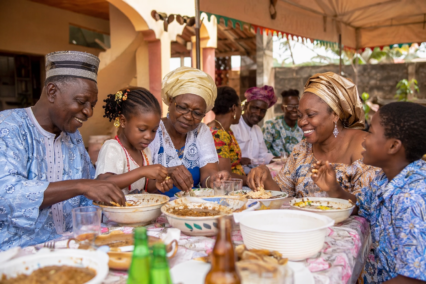
In Guinea-Bissau, it means more than just food for many ethnic groups. Caldo Branco stands for coming together and sharing meals. Getting this meal ready often brings families and friends into the kitchen or around the fire. They eat together, and this helps keep everyone close. You see it often at big events or celebrations, with big pots made for everyone so that all can get some.
This way of eating together shows how much the recipe matters to the people there. People across Africa also have dishes like this, which help everyone feel welcome and part of the group. When you get Caldo Branco in Guinea-Bissau, it means you are a welcome guest. The dish brings out true warmth, welcome, and sharing, and it is right in the middle of Guinean life.
Distinct Flavours and Local Ingredients in Caldo Branco
The main flavours in Guinea-Bissau’s fish stew come from a mix of savoury, earthy, and fresh tastes. The fish is the key part of the dish. It gives a light and savoury feel that makes the base for the meal. Palm oil is used too, which adds a rich taste and is often found in West African food.
Aromatic spices are very important to how the stew tastes, and every cook might choose a different mix. Vegetables help build up the stew, with things like cassava and okra adding their own bit to the meal. Sometimes, people put in coconut or even mustard to try something new and make their version a bit different.
Common things you’ll find in Caldo Branco are:
-
Fresh fish (like grouper)
-
Palm oil
-
Onions and garlic
-
Local vegetables such as cassava or okra
Coastal Influences Shaping Guinea-Bissau’s Food Traditions
With a long stretch of coast on the Atlantic Ocean, it makes sense that seafood plays a big part in Guinea-Bissau’s cuisine. The taste of the coast shows up everywhere in the food, from what people eat every day to what they serve at important events. Fresh fish, crab, and shrimp are not just food here; they are a big part of life.
The sea decides what is for dinner. There are thick fish stews that fill you up. Grilled seafood is a simple and tasty choice, showing off just what the ocean gives. This strong link to the water mixes well with local drinks like palm wine. These, and other products from the land, shape the food here in a fresh way because of where the country sits. Next, you get to see how all this seafood and ways of cooking fit together.
Impact of Seafood and Indigenous Cooking Methods
The reliance on seafood from the Atlantic Ocean has profoundly shaped the indigenous cooking methods of Guinea-Bissau. Traditional techniques often involve slow-cooking stews over an open fire, which allows flavours to meld together perfectly. Grilling fish is another common method, imparting a smoky taste that enhances its natural flavour. These simple yet effective techniques have been passed down through generations.
People in Guinea-Bissau typically serve their national dish hot, often accompanied by a staple carbohydrate like rice or boiled cassava. This pairing helps to soak up the flavourful broth of the stew, making for a filling and satisfying meal. The dish is usually presented in a large communal bowl, encouraging a shared dining experience among family and friends.
While Guinea-Bissau’s dishes are unique, they share similarities with the cuisines of neighbouring West African countries. The use of certain ingredients and cooking styles can be seen across the region.
|
Country |
Similar Dish/Culinary Trait |
|---|---|
|
Senegal |
Strong focus on fish and rice dishes. |
|
Gambia |
Features peanut stews like Domoda. |
|
Nigeria |
Popularity of Egusi soup and Jollof rice. |
Caldo de Mancarra and Its Role Alongside the National Dish
Caldo Branco is seen as the national dish, but there is also Caldo de Mancarra, which is another well-loved and popular staple in Guinea-Bissau. This dish is a rich and creamy peanut stew, often cooked with chicken or fish. It is a real comfort food for people. The word ‘mancarra’ means groundnuts, or peanuts, in the local language. Peanuts are a big part of this stew and that is why some think it should also be called the national dish.
Caldo de Mancarra is not just a favourite at home. There are peanut stews you can find all over West Africa. For instance, there is a Gambian dish called Domoda that is a lot like it. You can also see this idea of thick stews with groundnuts in other places in Africa, like in Zimbabwe. These local dishes show how the food people eat across Africa is connected.
In Guinea-Bissau, Caldo de Mancarra is a big part of life when it comes to what people eat. The creamy texture you get from peanut butter and its savoury flavour make many people love it. This local dish is one of the most famous and is eaten many times in homes across the country, often with rice or cassava.
Conclusion
To sum up, the food scene in Guinea-Bissau is bright and full of life. You will see this in many customs and the touch of the coast. Caldo Branco sits at the centre of this. This national dish puts the spotlight on local foods and their special tastes. It also shows what it means to share a meal in a group and how that brings people together.
When you dive into the one-of-a-kind flavours in Guinea-Bissau, you start to see how seafood and old ways of cooking have shaped these food customs. If you want to try to make these dishes at home or just want to know more about the story behind guinea’s food, getting to know this local taste is a good and fun path to take. If you want to have a go at cooking or need tips with these recipes, you can reach out anytime for a free chat!
Frequently Asked Questions
When is Guinea-Bissau’s national dish traditionally served?
Caldo Branco is a dish people like to eat all year. But it means a lot during family events, community gatherings, and special parties. People often make a big pot of it for sharing. This follows the African idea of sharing with others. Caldo Branco brings people together from different ethnic groups. It shows us how food can join everyone as one.
Is Caldo de Mancarra or Caldo Branco more popular in daily life?
Caldo Branco may be the official dish, but Caldo de Mancarra is just as loved in Guinean cuisine. It might even see more time on the table than Caldo Branco. The peanut stew is rich and comforting. That’s why Caldo de Mancarra is often found in many homes and is seen as one of the staple local dishes. People like it and it’s become a clear favourite when it comes to Guinean cuisine.
How do Australians recreate Guinea-Bissau’s national dish at home?
Australians can make Caldo Branco at home by cooking a basic fish stew. You can use white fish that is easy to find, like snapper or barramundi. Just cook the fish with onions, garlic, and some nice spices. It helps get the taste of Guinean cuisine. This dish is good for sharing with others. It brings a feel of Guinean cuisine to your table or any get-together.