Key Highlights
-
Chicken Kelaguen: This is the one often called the national dish of Guam. It has chicken that is marinated in lemon, onions, and hot peppers.
-
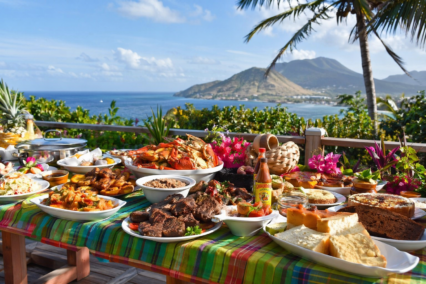
Essential Sides: You will find that no Chamorro meal is right without red rice. They use achote seeds to give it that colour. There are also BBQ short ribs full of flavour.
-
Chamorro Culture: Food is very important in Chamorro culture. It brings people, families, and their friends together for parties and special days.
-
Finadene Sauce: This is the sauce you will see on every table in Guam. It is made with soy sauce, vinegar, and hot peppers.
-
Guam’s Culinary Heritage: The food of Guam stands out because it mixes old Chamorro ways with Spanish, Filipino, and American tastes.
-
Iconic Flavours: Chicken kelaguen, red rice, and finadene sauce bring out the true flavours in Guamanian cuisine. These things show the heart of Guam’s culinary heritage.
Introduction
Welcome to the colourful world of Guamanian cuisine! The best way to get to know Guam is through its food. Every dish shows off the rich Chamorro culture. The food here is full of flavour, with tastes that come from Spanish, Filipino, and American kitchens, mixed in with local ways of cooking. The star of this food scene is Guam’s unofficial national dish. It brings people together and shares the story of the island. Let’s have a look at the tastes that make this Pacific spot so special.
Exploring Guam’s National Dish and Chamorro Traditions
When you think about Guam’s food, one dish stands out: chicken kelaguen. It’s not named the national dish in an official way, but many people see it as the top dish of Guam. You will find it often in the Mariana Islands. This traditional recipe is more than a meal. It brings people together and shows off local flavours.
When you explore this dish and what comes with it, you get a taste of the essence of Chamorro culture. There are tangy marinades and bright side dishes. Each part tells a bit of the island’s story. Now let’s go through the main things that make up a usual Chamorro feed.
1. Chicken Kelaguen – Guam’s Iconic Culinary Creation
Chicken Kelaguen may look simple, but the dish is known for a big blend of flavours. People often call it Guam’s national dish, because it is so loved and part of the island’s time at big gatherings. This dish shows off Guam’s rich culinary heritage, as the recipe brings together the island’s own way of doing things with ideas from other places.
You make this dish by using cooked chicken, which is cut into small pieces. Next, you let the chicken soak in a mix of lemon juice, onions, and often a bit of grated coconut. If you like heat, the dish often has local hot peppers to give it some kick. The lemon juice helps to pickle or cook the meat, so there is a tangy, fresh taste.
Chicken Kelaguen sometimes is made with other proteins like beef, shrimp or fish, but chicken is the most well-known and popular way to go. If you want to taste the true flavour of Guam and their rich culinary heritage, this dish captures what the place is all about.
2. Red Rice – A Staple of Chamorro Meals
A party in Guam isn’t right without red rice. This bright dish is a big part of Guam’s food and you get it with almost every meal. It starts off as just white rice. Then, it gets changed in a way that makes it full of colour and taste, turning it into real Chamorro red rice.
The orange-red look of it comes from achote seeds, which some also call annatto. You put these seeds in water to let out their colour and a soft, pepper taste. Then, you use that water to cook the rice. This gives you something much nicer than plain white rice. It looks great and tastes really good with other food.
People in Guam love Chamorro red rice so much that they pick it over white rice most of the time. When you see it on the table, you know it’s time to come together, have a good time, and eat the best food in Guam.
3. BBQ Short Ribs – Local Grilled Favourite
Barbecuing is a big part of island life. BBQ short ribs are loved by many locals. Think about sitting back and watching a Guam sunset while the smoky flavor of grilling meat fills the air. These ribs give you that feeling and are a favourite side dish that brings out the taste of Guam.
The magic is in the marinade. It’s sticky, sweet, and full of savoury goodness. This mix usually has soy sauce, vinegar, onions, and garlic. The ribs get soaked in it for hours, so they soak up all that flavour. After that, they’re put on the grill. The meat turns out soft with a lovely amber glaze. You can use spare ribs instead, but short ribs are the true choice.
You can find BBQ spots all over the island, each with a secret way of making these ribs. They’re usually served with red rice and a little bit of salad. These short ribs are a key dish in Guam’s food and are a must-have at any island barbecue.
4. Finadene Sauce – Essential Chamorro Condiment
In Guam, you won’t see tables with only salt and pepper. Instead, Finadene sauce is the star on every table. This dipping sauce is a must-have in the Mariana Islands. It brings a good mix of sour, salty, and spicy tastes to any meal.
The main things in this classic Chamorro condiment are usually soy sauce and vinegar or lemon juice. These get mixed with finely chopped onions. To add some heat, people put in chili peppers, but the spiciness can change from one family recipe to another. Some add cherry tomatoes for a softer, a bit sweeter taste.
Finadene sauce is very handy. You can put it over grilled meat like BBQ short ribs. It goes well over steamed rice, or you can use it as a dip for almost anything. It really brings out all the flavours in a Chamorro meal.
5. Titiyas – Traditional Flatbread
Another side dish you will often see with kelaguen is titiyas. This is a chamorro dish from Guam. It’s a bit like a flour tortilla, but the texture is softer. It feels more like bread. It’s great to use for scooping up the food on your plate, and it can also be a nice, simple snack by itself.
To make the dough, you need flour, sugar, baking powder, vegetable shortening, and coconut milk. Coconut milk brings a little sweetness and a rich taste. Some people use corn flour for this dish, but most use regular flour. You roll the dough out into rounds and cook them in a pan. Once they look a little brown, they are ready.
Titiyas is very flexible. You can make a savoury titiyas, which goes well with kelaguen and helps balance its zesty flavour. You can make a sweet titiyas too. For this, people use young coconut in the dough. Then, it’s good with butter, jam, or Nutella. It’s the sort of treat you will want to eat any time of day.
Ingredients and Preparation of Guam’s National Dish
Creating Guam’s well-loved dish, chicken kelaguen, is about mixing fresh and simple things to make something tasty. The key ingredients are easy to get on the island, and the flavorful marinade helps to bring all the flavours together.
For this dish, there is a way used by pacific island cultures that uses acidity to “cook” the chicken. Lemon juice, coconut milk, and hot peppers go into the mix. The taste is tangy and rich at the same time. Let’s look at the key ingredients and the usual ways of making this much-loved, flavorful marinade in chicken kelaguen.
Key Ingredients in Chicken Kelaguen
The beauty of chicken kelaguen lies in its simplicity and the vibrant tastes produced by a handful of key ingredients. The main ingredient is, of course, chicken, which is typically grilled or roasted and then shredded or chopped. The magic, however, happens in the marinade.
Fresh lemon juice or lime juice provides the bright, citrusy acid that defines the dish. Grated fresh coconut or coconut milk adds a creamy, subtly sweet balance, while finely chopped onions offer a sharp, aromatic bite. For heat, locals add spicy chili peppers to their liking.
These core components come together to create a dish that is refreshing and complex. While recipes vary from family to family, these are the essential building blocks of authentic chicken kelaguen.
|
Ingredient |
Role in the Dish |
|---|---|
|
Cooked Chicken |
The main ingredient, providing the protein base. |
|
Lemon or Lime Juice |
Provides the acidity that “cooks” and pickles the meat. |
|
Grated Coconut/Coconut Milk |
Adds creaminess and a hint of sweetness to balance the acid. |
|
Onions |
Add a sharp, savoury flavour and texture. |
|
Chili Peppers |
Give the dish its signature spicy kick. |
Traditional Methods of Preparing Kelaguen
The traditional recipe for making kelaguen is simple and has been shared in families for years. People in Guam start by grilling chicken. This makes the dish smoky and tasty. After it cools down, they take the bones out. They then cut the chicken into small pieces. This step lets the flavorful marinade soak into every bit.
After that, the chicken gets mixed with other fresh things. They add lemon juice that is freshly squeezed, onions chopped up fine, and grated coconut. Hot peppers go in too, to give it some heat. Local hot peppers make it taste just right. All of this is mixed well so the flavours can come together, and it sits for a bit. The acid in the lemon juice starts to soften and flavour the chicken.
Most people chill kelaguen before eating it. It is a cool dish that is great for hot weather, which is common in Guam. Next time you get to try it, you will know each step in this easy, traditional recipe. It is the way people have been getting that lovely taste in kelaguen for years.
Cultural Significance and Variations of Guam’s National Dish
Kelaguen means a lot in Guam’s culture. It is more than a dish. The dish stands for the idea of coming together, having something to celebrate, and showing the lasting spirit of the indigenous Chamorro culture. When you see it at any get together, it makes the group feel closer. It is a way of honouring the island’s rich culinary heritage.
There is more to this dish than just its cultural significance. Kelaguen can change to fit what people have, and what they want. Most people make it with chicken, but there are many variations of the dish that use other types of meat. This is why it stays special to many people on Guam. It can be made for any event. We will talk about kelaguen, how it is part of celebrations, and look at some well-loved versions.
Role of Kelaguen in Chamorro Celebrations
In Chamorro culture, food is the heart of every special time, and kelaguen is almost always on the table. It does not matter if there’s a big village party, a wedding, a christening, or just a family barbecue. This beloved dish will show up. Seeing it on the menu tells people that everyone is welcome, and brings a sense of togetherness.
Making and sharing kelaguen lets people come close. Families have their own special kelaguen recipes. When someone makes the dish for others, they help share the happiness on that day. Kelaguen is a way for old recipes to keep going and for all ages to join in with tradition.
People also look forward to other tasty party foods like red rice, BBQ, and coconut candy. All of these—together with kelaguen—show the true essence of Chamorro culture. Food, family, and community all mix and make each get-together a real time of joy for us.
Variations with Chicken, Beef, and Seafood
One good thing about chicken kelaguen is how easy it is to change. It is the best-known version, but you can use the same way to make other types of this dish. This style is a big part of Chamoru cuisine. It means there is a kelaguen for everyone.
Seafood is very popular for kelaguen, with people often using shrimp and fish. The mix of lemon juice “cooks” the raw seafood, kind of like ceviche. You get a fresh taste with a tangy kick, which is great in the warm weather.
There is also beef kelaguen. This one is a stronger, filling meal. You use thin beef slices and lemon juice to bring great flavour and a rich taste. Here are some other versions you might see:
-
Shrimp Kelaguen: Raw shrimp gets soaked in lemon juice until it turns white and is “cooked” that way.
-
Fish Kelaguen: People usually pick firm white fish like mahi-mahi or marlin for this.
-
Beef Kelaguen: Thin slices of beef, often flank steak, are used here.
-
SPAM Kelaguen: This is a newer version with canned SPAM, showing just how creative the island cooks get with the dish.
Chicken kelaguen and its many variations of the dish all have lemon juice in them. That fresh taste and clever ideas from Chamoru cuisine make these meals stand out.
Conclusion
To sum up, Chicken Kelaguen is the national dish of Guam and an important part of Chamorro traditions. This dish has a mix of flavours, ingredients, and cooking styles that show off the island’s deep history. These meals are not just tasty—they are also a big piece of what Guam is known for. You can eat them during big events or as an everyday meal. Every time you do, you get to know the Chamorro way of life more. If you want to try chicken kelaguen or just find out more, book a free chat with our local experts. Give it a go and see what makes Guam’s food special.
Frequently Asked Questions
Is Kelaguen different from other Chamorro dishes?
Yes, kelaguen is different to a lot of other Chamorro dishes because of how you make it. You do not cook it like stews or by throwing it on the grill. Instead, kelaguen gets its taste from a marinade made out of citrus, and that is what makes the protein get ready for eating. There are a few variations of the dish as well. This special way of making kelaguen is really a big part of Guamanian cuisine and Chamorro culture.
Can visitors find Guam’s national dish in local restaurants?
Yes, you can get kelaguen in Guam without any trouble. The national dish is on most local menus. Many restaurants with traditional Guam food have it. You will also spot it at food stalls and at the well-known Chamorro Village Market. So, it’s easy for anyone who wants a taste to give it a go.
How has the recipe for Guam’s national dish changed over time?
The traditional recipe for chicken kelaguen has stayed much the same over the years. These days, some new ideas have found their way in. The use of things like SPAM, for example, shows how World War II had a big impact on Guam’s culinary heritage. But the main way of making this dish still hasn’t changed. People still use small pieces of chicken or other protein, and marinate them in a citrus base.