Key Highlights
-
Find out about the national dish of the Faroe Islands, called Raest. This is a semi-dry fermented lamb.
-
See how the special fermentation process works. The meat is hung in open-air sheds called hjallur.
-
See how traditional Faroese food has a strong link to the history of the archipelago. The islands’ food culture grew because of being cut off from the world and needing to look after their own people.
-
Learn why Faroese food culture is based on what the islands have. People mostly use lamb, fish, and seabirds for their food.
-
Find out about old Nordic ways to make food last, like drying, salting, and smoking it.
Introduction
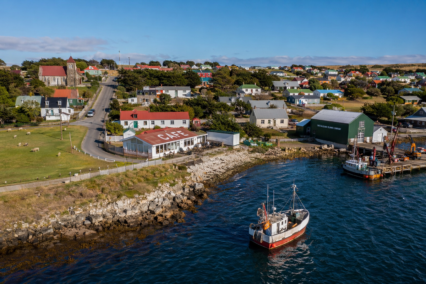
Welcome to the wild Faroe Islands. You will find 18 islands in the North Atlantic Ocean here. The Faroe Islands are known for their rugged land and their rich food culture. This archipelago has not just great views, but also food that shows how the Faroese people have lived for years. The islanders came up with their own ways to save food and cook it. They had to, because the islands are far out and people needed to look after themselves. The Faroese food culture is special. It has fresh seafood and what they make from fermenting food. These foods give you a real taste of life in the Faroe Islands.
Exploring the National Dish of the Faroe Islands
The national dish of the Faroe Islands is called Raest. It means semi-dry fermented lamb. This old favourite food is more than just something you eat. It shows the history and nature of the Faroe Islands.
The dish means a lot to the Faroese people. It shows how smart people had to be those days. They started this way of making food when salt was hard to get. This kind of cooking is a clever answer to the tough land. It ties the islanders today to their ancestors and reminds them of how strong and self-sufficient they used to be with their food and the land.
Raest – Fermented Lamb and Its Cultural Significance
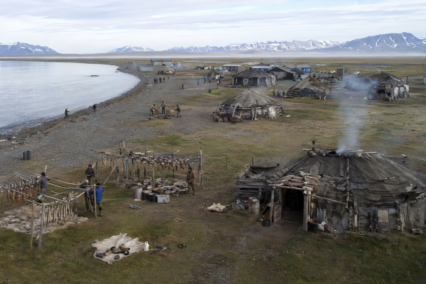
Raest lamb is made using a fermentation process that is pretty special. After you butcher the lamb, big pieces of meat are hung up in a drying shed called a hjallur. These sheds have gaps in the walls. That lets salty winds blow through and dry out the meat.
This drying method shows how clever the Faroese people are. In the old days, salt was hard to get and cost a lot because the islands were far away. They could not use salt to cure the meat, so they learned to use the wind and came up with this wind-drying process. It can take months. The meat starts growing mould and gets a strong smell, a bit like some cheeses.
Fermented lamb means a lot to the Faroese. This flavour is a big part of who they are. It’s something most homes keep and eat. To many people, it’s a taste of their home and a food tradition in the family. It shows how they survived and their close ties to the land.
Essential Ingredients in Faroese Traditional Cuisine
Faroese traditional cuisine comes straight from what the land and sea give the people. The islands are in a pretty far-off spot, so people here have had to use their own local ingredients for a long time. The real winner on the plate is lamb and mutton, as there are more sheep than people living on this archipelago.
Seafood is also big in Faroese food. The cold and clear sea brings in a lot of fresh fish, just like cod and halibut. The famous Faroese salmon is one of the best things to eat. Folks also get plenty of shellfish and sea urchins. Besides meat and fish, tough root veggies, like turnips, are important because the weather is often rough.
Here are some of the most common ingredients you will see in their cuisine:
-
Lamb and mutton
-
Pilot whale meat
-
A variety of fish and seafood
-
Turnips and kohlrabi
-
Rhubarb
-
Wild herbs like angelica
Nordic Preservation Traditions Through History
The food culture of the Faroe Islands is a special part of the larger Nordic cuisine. It is shaped by the harsh weather and environment of the area. People on the islands have always needed to preserve their food so they can get through the long, tough winters. This was how they made sure they always had something to eat. The islanders learned how to use nature to help store food.
They use fermentation, drying and smoking. These ways are not just about taste, but also about making food last longer. Unlike other Nordic places, the Faroe Islands do not have as much access to salt or forests for smoking, so the Faroese created methods that are different. In this piece, we look at how people in the Faroe Islands use open-air fermentation and other old, trusted ways to keep food safe and tasty.
Fermentation Methods Unique to the Faroe Islands
The way people in the Faroe Islands ferment food is very special. They use open-air drying, which is possible because the archipelago has a cool, windy, and humid climate. People in the Faroe Islands don’t use salt. Instead, they hang meat and fish in wooden sheds called hjallar.
You’ll see these sheds a lot outside Faroese homes. They have slatted walls so the salty sea air can move around inside. This helps cure the food slowly. The wind and time do most of the work, turning the meat or fish into fermented food with a taste and smell that is different to anything else.
This way of fermentation makes meals in the Faroe Islands have a very strong smell and taste. Some people may find it tough at first. This stage, when the food is semi-dry, is called ræst. But the taste is loved by people in the Faroe Islands and is part of their pride and who they are.
Drying, Salting, and Smoking Techniques
Beyond the unique ræst fermentation, other preservation techniques have been vital to storing traditional foods in the Faroe Islands. Drying is the most prominent, where meat and fish are hung until they are completely dry, a stage known as turrur. This produces a milder, charcuterie-like product called skerpikjøt when made from mutton.
Although historically scarce, salting became more common over the last few hundred years as trade increased. It was still an expensive commodity, so it wasn’t used as widely as in other Nordic regions. Smoking was also not a primary method, as the islands have no natural forests to provide fuel for smokehouses.
Here is a look at the different methods:
|
Preservation Method |
Description |
Common Foods |
|---|---|---|
|
Fermentation (Raest) |
Meat or fish is hung in a windy shed (hjallur) to semi-dry. |
Lamb, mutton, fish. |
|
Drying (Turrur) |
Food is fully air-dried until hard, resulting in a milder flavour. |
Mutton (skerpikjøt), cod. |
|
Salting |
Food is cured with salt to draw out moisture and preserve it. |
Fish, whale meat. |
|
Smoking |
Food is flavoured and preserved with smoke. |
Faroese salmon, lamb. |
Preparing Raest Lamb at Home
It can be hard to make real raest lamb at home if you are not in the Faroe Islands. The strong flavour of this dish comes from the special weather there—the salty air, the wind, and the wetness in the air. These things help to give the leg of lamb its taste, and you can’t really get that anywhere else. People in the Faroe Islands usually hang a leg of lamb in a hjallur and leave it to get older for months. This is how it’s always been done.
But, you can still get a taste of Faroese food culture at home. Even if you don’t get the true ræst flavour, you can try to use good lamb and keep things easy when you make it. This will help you stay close to how people from the Faroe Islands like their food. The steps below will show you how to make your own dish with a Faroese style, so you can enjoy this special kind of cuisine, too.
Step-by-Step Guide to Authentic Preparation
Authentic preparation for raest is all about waiting and trusting nature. The fermentation process takes a long time. It can go for five to nine months before the meat is right. The lamb moves from looking withered (visnað), to being semi-dry (ræst), and then fully dry (turrur).
The ræst stage is when the lamb is ready to eat. This stage is the strongest in smell. The meat gets a crust of greenish mould. You need to scrape this mould off before you serve it. After that, the meat inside gets sliced thin and is usually eaten raw. The fermentation process is part of the Faroese diet and way of life.
If you want a proper Faroese taste, the steps are easy but need patience:
-
Start with a good fresh leg of lamb from the butcher.
-
Hang the lamb in a hjallur, which is a cool, windy shed that lets air flow.
-
Let it stay hung there for months so the wind and air can do their job.
-
Keep checking the lamb as it goes through the stages of fermentation.
-
When it gets to the ræst stage, take it down.
-
Scrape mould off the outside, then slice and serve.
This tradition shows how the Faroese use the fermentation process with their lamb. It is simple, but you need time and care for it to match the taste that people there know and love.
Tips for Serving the National Dish Like a Local
When it comes to serving raest lamb, the Faroese like to keep things simple. They want the taste of the meat to stand out. The flavour is strong and can be a bit sharp. People say it tastes like Parmesan cheese, has an umami kick, and even a small whiff of rot. It is the kind of taste that can be tough for your palate if you have never tried it before, but locals love it.
You will find raest lamb served in two main ways. One way is to boil the lamb and serve it hot, often with plain potatoes and root vegetables. The other is to eat it dried, which is called skerpikjøt. The dried lamb is sliced up very thin and eaten raw, like prosciutto or jerky.
If you want to eat it like a traditional Faroese person, you might try these tips:
-
Put thin slices of skerpikjøt on rye bread with some butter.
-
Go for boiled raest lamb with boiled potatoes.
-
Have it with classic Faroese beverages.
-
Take your time, focus on the unique taste of the lamb, and really enjoy what makes the islands special.
Conclusion
To sum up, the national dish of the Faroe Islands, Raest, is much more than just food. It gives you a look at the deep culture and food history of this special place. The old ways of using fermentation, drying, salting, and smoking show how people in the Faroe Islands get through tough weather and keep their food fresh.
When you make Raest lamb at home, you bring the taste of the Faroese work and their food ways to your kitchen. You also show respect for their clever and strong food traditions. If you want to learn more about the real Faroese cuisine, now is the time to find out more about this great dish.
Frequently Asked Questions
When is Raest lamb typically enjoyed in the Faroe Islands?
Raest lamb is eaten in many Faroese homes. It is not just for special events. People have it through the year. For the Faroese people, this food means a lot. You can see it at family dinners and when people get together. It gives a good, classic taste that reminds the Faroese of home.
Has the recipe for Raest lamb changed over time?
The basic way to make raest lamb has stayed much the same for a long time. People in the Faroe Islands hang the lamb out in the salty sea air. This lets the natural fermentation process do its work. Even though people now have more food choices, the way to prepare this dish has not changed. Making raest lamb is still an important part of Faroese life. They are proud to keep doing it the old way, with the same fermentation process for the lamb.
Where can visitors in Australia try authentic Faroese Raest lamb?
It is hard to find true raest lamb in Australia because of the way it is made and its strong taste. If you want to try real Faroese food, the best thing to do is go to the Faroe Islands. You can also look for places in cities like Copenhagen. Some restaurants there serve New Nordic cuisine and might have Faroese lamb.