Key Highlights
- Succotash is known as the national dish of Equatorial Guinea. It is simple, but has a lot of meaning in their cuisine.
- The dish uses local African ingredients and brings together both Spanish and African flavours. This gives it a special food identity.
- The main things in this meal are corn kernels, lima beans, and tomatoes. These make it easy to cook and easy for people to get.
- The dish started with Native Americans and people from the Southern US, but the Equatorial Guinea version is different.
- You can have this dish any day of the week, or at big events. It is important in their culture.
- There are different ways to make succotash, depending on where you are in Equatorial Guinea. Some add sweet potato, plantain, or cassava to match what people in Guinea like to eat.
Introduction
Welcome to the world of Equatorial Guinea’s food! The country sits in Central Africa and has a rich history of foods. At the centre of it all is a humble, loved meal – succotash. You may know about this dish, but the succotash here in Equatorial Guinea has a story that is special. It shows how old ways mix with new ones. As its national dish, succotash is not only something to eat. It brings people the taste of their land and shows who they are. African and Spanish ways join in each bite, making it a dish full of flavour and meaning for guinea.
Succotash – Equatorial Guinea’s National Dish and Its Roots
Succotash is known as the national dish of Equatorial Guinea. This dish has a long story. It began with Native Americans in the 17th century. Later, it became popular in the southern United States. People believe former slaves brought succotash to Africa when they moved back to the continent. In Africa, people made it their own and put it in their local cuisine. The dish got a unique mix of Spanish and African taste. This makes it stand out compared to other types of succotash.
The way people in Equatorial Guinea make succotash shows how they use fresh, local food. The main things you need to make it are corn, beans, and tomatoes. These simple foods come together to make a meal that is good for you and matches what farmers grow in the country. Being the national dish means it is loved by people all over Guinea. It also shows how important succotash is in the cuisine of Equatorial Guinea.
Traditional Ingredients and Preparation Methods
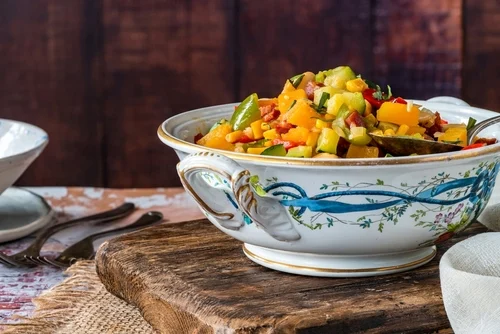
The beauty of Equatorial Guinea’s succotash is in how easy it is to make. The dish depends on fresh and easy-to-find ingredients. It usually has corn kernels and lima beans, also called butter beans. These give the dish a hearty base that is both filling and comforting.
The cooking process is simple. You start by putting onions and garlic in olive oil or butter in a large saucepan. Cook them on medium heat. When the onions turn soft, you add the rest in. The main parts of this dish are:
- Canned or fresh corn kernels
- Canned or fresh lima beans (butter beans)
- Chopped tomatoes (cherry tomatoes are good to use)
- Herbs and spices, such as basil, thyme, cumin, or paprika
Once you’ve added the corn, lima beans, and tomatoes to the saucepan, let it simmer. Do this until the mix is full of flavour and the tomatoes let out their juice. Many people have this as a main meal or as a side dish. It shows how cooking in Guinea can be so simple and tasty. With just a few ingredients, you get a wonderful succotash full of flavour from corn kernels, spices, and cherry tomatoes.
Spanish and African Influences on Succotash
The cuisine of Equatorial Guinea brings together many different cultures. Succotash is a good example of this mix. This dish joins together ingredients and cooking styles from different places. It shows a long and rich history that comes from Spain and other African nations.
There is a Spanish and African influence in the food, and it can be easy to miss but it’s important. The core things in succotash, like corn and beans, first came from America. When people in Equatorial Guinea made this dish, they changed it so that it would fit what people there like to eat. They also used the spices that were around them. Through trade around the region and places like the Cape Verde Islands, new spices and food ideas came in and became part of the cuisine of Equatorial Guinea.
To understand succotash from Guinea, you need to see how it has changed. It’s not just the American succotash but different in a special way. People might use other herbs, add fresh local vegetables, or serve it in their own way. All these show how much the dish is part of the traditions and taste of this part of Africa.
Cultural and Regional Significance of Succotash
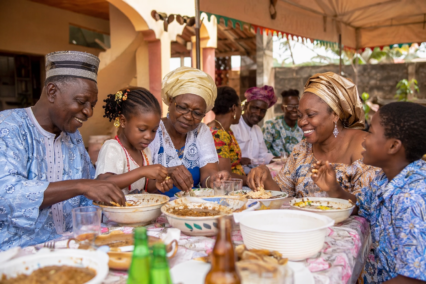
In Equatorial Guinea, succotash is not only food. It’s something that brings people together. The dish is simple and easy to change, so you find it in many homes along the coast of Central Africa. Succotash stands for a cooking style that everyone knows. It gives a sense of comfort, and links families and friends with one shared taste.
You can see its value in the region by how the dish changes as you move through Equatorial Guinea. Succotash does not have one set recipe. People in different places like to add their own touch, using what they can get near them. This makes local versions that show off the wide range of crops from Guinea in Africa.
Role in Celebrations, Everyday Life, and Local Variations
Succotash is a dish that people in Equatorial Guinea love. You will find it on the table on both regular days and special times. The meal is simple and filling. It works well for a quick meal but is also good enough to be part of a big celebration. Some people even have it for breakfast, with eggs. This shows just how flexible succotash can be.
What makes succotash stand out is that the recipe changes from one place to another in Guinea. Cooks use corn and beans at the heart of it, but they add what is fresh and on hand. You may see these extras:
- Diced sweet potato adds some sweetness
- Plantain or cassava pieces make the meal more filling
- A touch of coconut gives it a creamy, tropical taste
- Succotash is often eaten with fufu, made of cassava or yams.
These extra ingredients bring out even more flavour and show the rich farming in Equatorial Guinea. The different types tell us what people grow and prefer to eat. Every bowl of succotash speaks of the area and the story of the people there.
How Equatorial Guinea’s Succotash Differs from Other Countries’ Versions
While the name “succotash” is most famously associated with the cuisine of the United States, particularly the Southern US, the Equatoguinean version has carved out its own unique identity. The American dish often includes bacon for a smoky flavour and sometimes cream for richness, elements that are generally not traditional in the African preparation.
The version from Equatorial Guinea tends to be lighter, often using olive oil instead of butter or bacon fat. The focus remains squarely on the vegetables, celebrating their natural flavours with the addition of local herbs and spices. While stews featuring beans and vegetables are common across North Africa in countries like Morocco, Tunisia, Libya, and Algeria, succotash in Equatorial Guinea is distinct due to its specific historical journey and simple ingredient list.
Here is a simple comparison:
| Feature | Equatorial Guinea Succotash | Southern US Succotash |
|---|---|---|
| Fat Used | Typically olive oil or butter. | Often includes bacon fat for a smoky flavour. |
| Core Ingredients | Corn, lima beans, tomatoes, onions, garlic. | Corn, lima beans, often with peppers and okra. |
| Flavour Profile | Fresh, vegetable-forward, herbaceous. | Rich, smoky, sometimes creamy. |
| Typical Additions | Local vegetables like cassava or plantain. | Bacon, heavy cream, bell peppers. |
Conclusion
Succotash is a dish that shows the rich culture of Equatorial Guinea. It mixes Spanish and African ways of cooking into something that is tasty and comfort food for many. The main things in succotash and how it is made give off the good feeling of eating together and show how people in this region do things a bit their own way. You can eat it in big celebrations or just as part of your normal meals. Succotash is not just food. It stands for who the people are and shows the history of Equatorial Guinea and Guinea. If you try this dish, you get to taste all the great flavours and hear the stories behind each bite.
Frequently Asked Questions
Why is succotash considered the national dish of Equatorial Guinea?
Succotash is known as the national dish of Equatorial Guinea. It uses local ingredients that are easy to get. The dish shows the mix of African and Spanish-African styles in the country. People in Equatorial Guinea eat succotash because it is simple and common. This meal is a big part of guinea cuisine and lets people connect with their shared history.
Are there unique side dishes traditionally served with Equatorial Guinea’s succotash?
Yes, in Equatorial Guinea, people often have succotash with starchy sides that help make the meal more filling. Some of the common ones you get in guinea are fufu, which is a dough made of cassava or yam, and you might see boiled or fried plantain as well. These sides go well with the main vegetable dish and add more taste.
Can you share a simple recipe for making Equatorial Guinea’s succotash?
For a simple preparation, start by melting a cup of butter or oil in a large saucepan on medium heat. Sauté a chopped onion. Add a can of lima beans, a can of corn kernels, and some chopped tomatoes. Stir tomatoes in with the other things. Let everything cook for about 5-7 minutes. Make sure it is heated well. Season it to taste.