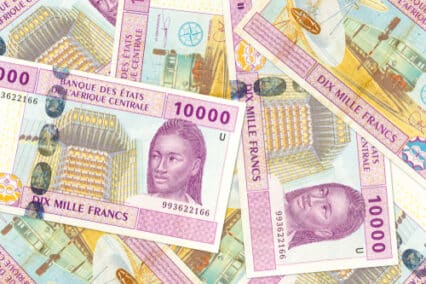
The Cambodian riel (KHR) is the main currency used in Cambodia, shown by the symbol ៛. It is very important to the country’s economy. The riel’s story and how people use it show a lot about the money and culture of the country. Here are five facts about the riel that show why it matters so much.
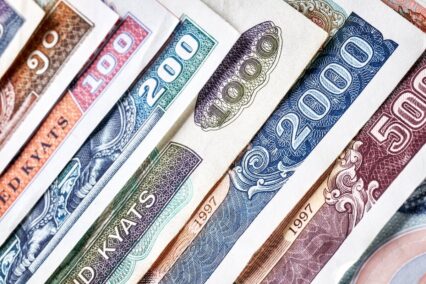
1. Banknotes Reflect Cambodia’s Cultural Heritage
Each riel banknote shows off Cambodia’s rich history and famous places. For example:
- The 50 riel note shows Banteay Srei, a 10th-century temple that is well-known for its detailed carvings.
- The 20,000 riel note has Angkor Wat on it, which is the famous temple that many people visit and is called a UNESCO World Heritage site.
- The 50,000 riel note is made to respect King Norodom Sihanouk, who was a key part of Cambodia’s modern times.
These designs do not just help with money matters. They also show national pride and who people are as a group.
2. The Riel’s Historical Evolution
The riel has gone through many big changes:
- First Riel (1953–1975): This money started after Cambodia got independence from France. It took the place of the piastre de commerce.
- Abolition Period (1975–1980): During the time of the Khmer Rouge, all money was stopped. There was no use for cash, and people lived in a moneyless society.
- Second Riel (1980–Present): The riel started again to help make the economy better. Now, it is used along with the U.S. dollar.
3. Limited Use of Coins in Daily Transactions
Coins come in values of 50, 100, 200, and 500 riels. But people do not use them much when they buy things every day. Most people like to use banknotes instead. This is because, in the past, there were some big changes with money. Also, paper money is just easier to use when you shop or do business.
4. Dual-Currency Economy: Riel and U.S. Dollar
Cambodia uses two types of money. The riel and the U.S. dollar are both used in the country.
- Urban Areas: In big cities, people use U.S. dollars a lot, mainly for tourism and business. This is the way it is for most deals.
- Rural Areas: The riel is used more in small towns or villages. People use it most for smaller buys.
This system gives some stability and helps with trade between countries. But it can also cause problems for those who manage money rules.
Frequently Asked Questions About the Cambodian Riel
Is the Cambodian riel accepted everywhere in Cambodia?
Yes, but its usage varies. In rural areas, the riel is more commonly used, especially for smaller transactions. In cities and tourist destinations, the U.S. dollar is often preferred.
Why does Cambodia use both the riel and the U.S. dollar?
Following political and economic instability in the late 20th century, the U.S. dollar was introduced to help stabilize the economy. Over time, both currencies became commonly used, especially for international trade and tourism.
Can I use U.S. coins in Cambodia?
No, U.S. coins are not accepted. While U.S. bills are widely used, change is typically given in riel. It’s best to carry smaller U.S. bills or be prepared to receive local currency as change.
Are Cambodian riel coins still produced?
Yes, but they are rarely used in daily transactions. Most Cambodians and businesses prefer banknotes due to convenience and familiarity.
Where can I exchange Cambodian riel?
Riel can be exchanged at Cambodian banks, currency exchange booths, and at some international airports. However, outside of Cambodia, the riel is not widely accepted, so it’s advisable to exchange it before leaving the country.