

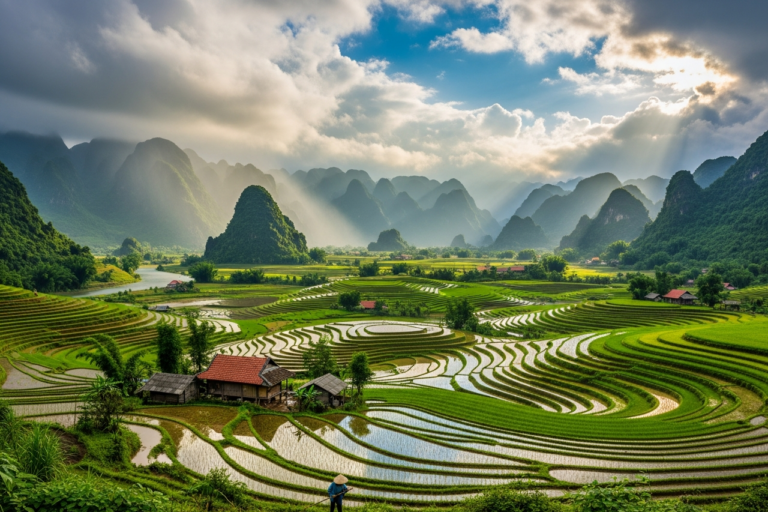
Key Highlights
-
Vietnam is split into three main climate zones. These are Northern Vietnam, Central Vietnam, and Southern Vietnam. Each has its own weather.
-
The dry season is often the best time to go. But when it starts and ends can change, depending on where you are. In northern vietnam and southern vietnam, the dry season is from November to April. In central vietnam, including hoi an, the best time is from February to August.
-
In northern vietnam, there are four distinct seasons. There is a cold winter time and then hot, rainy months in summer.
-
Central vietnam has a long dry season, which makes it great for beach trips. You will see more rain from September to January, with a lot of rainfall in this time.
-
Southern vietnam, where ho chi minh city can be found, has high temperatures the whole year. The wet season there is from May to November.
Introduction
Are you planning a trip to Vietnam? It’s important to know about the different types of weather there. The country is long, so you get cool air in the mountains and a warm, tropical climate of the south. Vietnam has distinct seasons with changes in rainfall and temperature. Knowing about these can help you make the best choices for your trip. Some people want sunny beaches, and others might want green places with lots of trees. There is something for everyone with Vietnam’s weather, no matter when you go.
Understanding Vietnam’s Climate Zones
Vietnam’s weather can be easy to understand when you see the country in three main parts. There is North Vietnam, Central Vietnam, and South Vietnam. Each place can give you a different feel. The mountain areas and the Central Highlands also have weather that can change a lot. This makes climate in Vietnam very interesting.
Because of all this, one part of the country might have heavy rain while another gets bright sun. The northern mountains can be cool with a temperate climate. In the south, it is usually hot like the tropics. What you get depends on where you go and the time you travel. Now, let’s look at what makes the weather special in each area.
Northern Vietnam: Distinct Seasons and Weather Patterns
The weather in northern Vietnam has four distinct seasons. It is warmer than many other places with four seasons. In the north, you will find Hanoi, the high mountains of Sa Pa, and the beautiful Ha Giang area.
The winter months start in November and last until March. It can get cool at this time. In Hanoi, the air stays between 16°C and 21°C. When summer comes, from the middle of April to October, it gets hot and humid. There is high rainfall through these months, and the most rain comes in July and August in Hanoi.
In mountain spots like Sa Pa, the weather has even more changes. It can be very cold in the winter months and can get close to freezing. In summer, it warms up and feels nice.
If you visit halong bay, you may see mist on the water. The weather can change in no time, especially near the sea or in the hills. It is a good idea to bring layers during winter months like November or March. You will want a warm jacket, mainly if you go to any of the mountains in northern Vietnam.
Central Vietnam: Balancing Sunshine and Rain
In Central Vietnam, which has well-known places like Hoi An, Hue, and Da Nang, the weather is split into the dry season and the wet season. There is a long dry season and a shorter wet season. Central Vietnam can be a good place to visit if you plan your trip at the right time.
The dry season here is from February to August. During these months, you get a lot of sunshine, less rain, and the air is not very humid. The sea stays calm at this time, too.
When other parts of Vietnam get heavy rain in summer, Central Vietnam stays dry most of the time until August. This makes it one of the best places for a beach trip. There is less rainfall and the weather is warm. You can go out and see the old streets of Hoi An or relax by the water in Da Nang.
The wet season starts in September and stays until January. Expect the most heavy rain from September to November. During this time, the flat parts of Hoi An may flood. Typhoons can also come in the wet season.
By late December, the weather becomes dry again.
Southern Vietnam: Tropical Monsoon Conditions
Southern Vietnam is home to places like Ho Chi Minh City, the Mekong Delta, and Phu Quoc. It has a classic tropical climate. You will find that the weather here stays warm and humid all year. The average high temperatures usually stay between 28-34°C.
There are two distinct seasons in this part of Vietnam. The longer dry season lasts from mid-November to April. During this time, there is not much rainfall and you get plenty of sunshine. This is a good time to visit Ho Chi Minh City or travel around the Mekong Delta. The temperatures stay high and steady. It is also a good time to visit Phu Quoc.
From May through November, the southwest monsoon brings the wet season. You will see heavy afternoon showers, but they do not last very long. Even when it rains, the humidity is not too high. These showers can give a quick break from the heat. It is still a good idea to plan around the rain if you want to visit southern Vietnam during the wet season.
Month-by-Month Overview of Vietnam’s Weather
To help you plan the best trip to Vietnam, it is good to check the country’s weather for each month. The weather in Vietnam can change a lot, based on the area you visit. It is important to know the average air temperature and how much rainfall, to get ready for your time there.
If you like clear skies during the dry season or do not mind some rain in the rainy season, it helps to know what each brings. Learning about the weather and when is the best time to go can really make your travel better. Now, let’s look at the air temperature and how the season shifts through the year.
Typical Temperatures Across the Year
The air temperature in Vietnam varies significantly from north to south. North Vietnam experiences cooler winter months, while South Vietnam remains hot year-round. Central Vietnam sits somewhere in between, with warm weather for most of the year. The summer brings high temperatures across the entire country.
To give you a clearer idea, average temperatures in Hanoi can drop to 16°C in winter, while Ho Chi Minh City rarely dips below 22°C. The number of days of sunshine also fluctuates, with the dry seasons in each region offering the most consistent sunny weather.
Here is a look at the average temperatures you can expect in different parts of Vietnam throughout the year, helping you decide when and where to go.
|
Region |
Season |
Average High |
Average Low |
|---|---|---|---|
|
Northern Vietnam |
Winter (Nov-Mar) |
21°C |
16°C |
|
Northern Vietnam |
Summer (Apr-Oct) |
30°C |
24°C |
|
Central Vietnam |
Dry Season (Feb-Aug) |
33°C |
25°C |
|
Central Vietnam |
Wet Season (Sep-Jan) |
30°C |
24°C |
|
Southern Vietnam |
Dry Season (Dec-Feb) |
32°C |
22°C |
|
Southern Vietnam |
Wet Season (Jun-Aug) |
32°C |
25°C |
Rainy Season: Timing and Regional Impact
The rainy season, or wet season, hits each part of Vietnam in a different way. You might think the rainy season is not the best time to go, but it can be a great way to see new things. The fields and trees look very green. Rain often comes in quick, heavy bursts, often later in the day or evening. The rest of the day can be clear and good for exploring.
The timing and how much rain each place gets is not the same around the country. In north Vietnam, you get the highest rainfall between June and October, and it is often heavy in July and August. In south Vietnam, the wet season goes from May to November, with short rain showers. Central Vietnam sees the highest rainfall from September to January. October and November get more rain than other months.
Here’s a quick look at the rainy season across Vietnam:
-
North Vietnam: The wet season is from June to October.
-
Central Vietnam: The highest rainfall happens from September to January.
-
South Vietnam: The rainy season goes from May to November.
Best Months to Visit for Pleasant Weather
Choosing the best time to go to Vietnam will depend on where you want to go and what you plan to do there. If you like clear skies and less rainfall, some months are better than others for each part of Vietnam. Spring and autumn can be good times because the weather in the country is usually nice then.
If you want to see many places all over Vietnam, April and November are best. These months often have stable weather, with not too much rainfall, good sunshine, and clear skies in the north, central, and southern parts of Vietnam.
For certain places, here is the best time to visit:
-
March and April: These months have sunny days and good temperatures in North Vietnam, especially if you go to Halong Bay.
-
February to August: Good time for visiting Central Vietnam and its beaches, like Nha Trang, or cities like Hoi An, where you will have less rainfall and more sun.
-
November to April: This is the best stretch for Southern Vietnam, like in Phu Quoc, as this time has dry weather and warm sunshine.
-
December: It is a really good month for seeing most places in Vietnam before the peak holiday season hits and things get busy.
These times will help you plan for the best trip with nice weather in places like Halong Bay, Hoi An, and Nha Trang, while avoiding heavy rainfall in Central Vietnam and Southern Vietnam.
Conclusion
To sum it up, it helps a lot to know about the different weather across Vietnam before you visit. The north has distinct seasons, while the south has a tropical monsoon climate. Because of this, there is a lot of change in the weather from place to place. The weather can really shape what kind of trip you have.
If you look over each month and figure out the best times to visit, you will have a better trip. This lets you plan for good weather. No matter if you want sun or you do not mind some rain, knowing what to expect can make your visit better.
If you need help with your trip or want to ask about the weather in Vietnam, you can always reach out for help or a personal talk.
Frequently Asked Questions
What should I pack for a trip to Vietnam based on the weather?
For the dry season, you will want to pack light and breathable clothes. Bring some sunscreen and a hat too. When you visit in the rainy season, take an umbrella and a light rain jacket. You will need these because there can be heavy rain. If you go north in the winter, the air temperature can be cool. It’s good to wear layers and take a warm jacket.
Is outdoor travel or sightseeing possible year-round in Vietnam?
You can enjoy outdoor travel or sightseeing at any time of year in Vietnam. The best time to go is in each region’s dry season. That way, you get clear skies. Even when there is rainfall, showers are often short. They can be easy to predict. You can make plans around them. Just be ready for whatever the weather brings.
Does Vietnam often experience typhoons or other extreme weather?
Vietnam can get hit by typhoons, mostly in central Vietnam and north Vietnam. This can happen from September to November. These big storms often bring heavy rain and flooding. It is a good idea to check local weather and listen for warnings during this time.



