

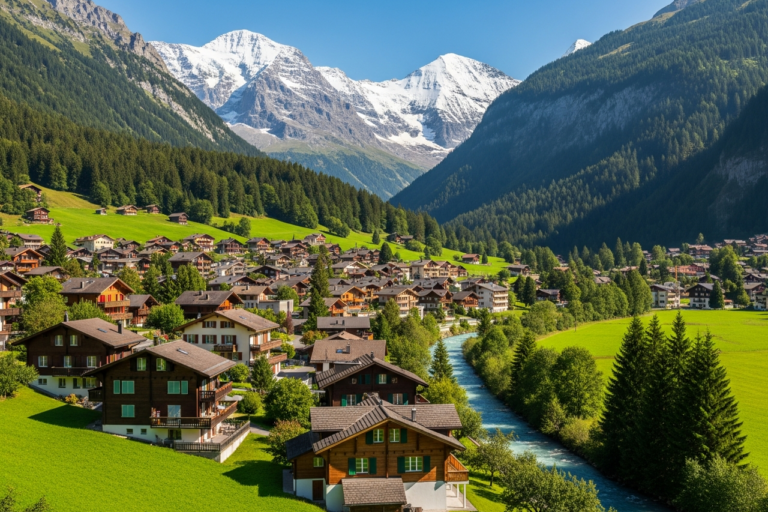
Key Highlights
-
The weather in Switzerland is usually mild. It does not get too hot or too cold. Humidity is not high, so it feels good most of the year.
-
Switzerland has the Alpine, Plateau, and southern areas. Each of these has its own weather style.
-
In summer, the days get warmer and there can be thunderstorms. In winter, it gets cold and there is snowfall. This is more common in high places.
-
Cities like Zurich, Bern, and Geneva can have different weather. This is because of where they are in Switzerland.
-
Weather in Switzerland can change fast. It is a good idea to look at daily forecasts and be ready for rain or a drop in temperature.
-
You should pack a sweater, sunscreen, and a light raincoat for your trip. These things will help you deal with the often changing Swiss weather.
Introduction
If you plan to go to Switzerland, it is good to know about the weather. The country has a mild climate for most of the year. But, with its many mountains and valleys, the weather can change a lot, even between places that look close on a map. This outlook will help you get what the weather is like in Switzerland. You will know about the different zones and the changes from season to season. If you hike in the Alps or walk in the city, knowing this can make your trip to Switzerland better and more fun.
Understanding Switzerland’s Climate Zones
Switzerland’s weather changes a lot from one place to another. The Alps go right through the middle of the country. This causes big shifts in temperature and how much rain or snow each area gets. These changes can be seen even over short distances. It can affect how people live and when they choose to take a trip.
Most forecasts you see in Switzerland will say which region they talk about. That is because the weather is not the same on the central plateau. The high Alps and the sunny parts in the south can be very different too. Now, let’s look at each zone with more detail.
Alpine, Plateau, and Southern Regions Explained
The Alpine region is the high mountain area in the middle of Switzerland. In this part of the country, the weather changes a lot because of how high it is. You will have colder air for most of the year. There is also a lot of snow in winter. The weather here can turn quickly. Wind speed can go up, and it might change from sunny to snowy fast.
The Swiss Plateau, which people also call “Mittelland,” is where most people in Switzerland live. The climate in this area is more mild. You get warm summers and colder winters, but it is not as cold as it gets up in the Alps. There is precipitation all through the year.
In the south, places like Ticino get a warmer and softer kind of weather. It feels almost like the places near the sea. There is more sun and higher temperatures in this part compared to other parts of Switzerland. You will still see some precipitation, but most of the time, it is a sunny and pleasant area. That is why a lot of people come here for good weather.
Weather Differences Between Major Swiss Cities
Even among Switzerland’s major cities, you’ll find noticeable differences in weather. Cities like Zurich, Bern, and Geneva are located on the Swiss Plateau but are influenced by different local factors. For example, Geneva’s proximity to Lake Geneva can moderate its temperature, while Bern’s location is slightly more continental.
These variations mean that daily forecasts can differ significantly. A sunny day in Geneva might not mean the same for Zurich. Humidity levels and the chance of precipitation can also vary, making it important to check the specific forecast for your destination city.
Here’s a quick comparison of what you might expect in these key cities, though daily conditions can change quickly.
|
City |
Typical Summer Weather |
Typical Winter Weather |
|---|---|---|
|
Zurich |
Warm, occasional thunderstorms |
Cold, often overcast, possible snow |
|
Bern |
Mild to warm, pleasant |
Cold, potential for fog and snow |
|
Geneva |
Warm and sunny, lake breeze |
Cool and damp, less snow than other cities |
Seasonal Weather Patterns in Switzerland
One thing that many people like about Switzerland is that it has clear seasons. Each season brings its own feel to the land. There are flowers on trees in spring and a lot of bright leaves in autumn. In both spring and autumn, the weather changes. Most days will have temperatures between 8 and 15°C (46° to 59°F).
The biggest differences happen in summer and winter. These two seasons show how the swiss weather can change a lot. Each time of year gets different visitors and offers a lot for people to do. If you know about how summer and winter work there, you can pack the right things and enjoy your switzerland trip even more.
What To Expect in Summer and Winter
Summer in Switzerland starts around June 1st. The weather is usually warm and nice. Daytime will get up to 25 to 30°C (77 to 86°F). This is a good time to go hiking or spend time at the lakes in the country. You might get some thunderstorms, mostly in the late afternoons. There are long hours of daylight, with a late sunset and an early sunrise. So, you have a lot of time for things to do.
Winter feels very different. In the lowlands, the temperature will be between -2 and 7°C (28° to 45°F). The mountains get a lot of snow. It is great for skiing or snowboarding. During snowstorms, visibility may drop. But on clear days in winter, you can see amazing alpine views.
No matter when you visit, keep these tips in mind:
-
Always take sunscreen because the sun can be strong, even in winter when you are up high.
-
Wear layers so you can change with the temperature through the day.
-
Check the local forecast since the weather can change without warning.
Precipitation, Sunshine, and Temperature Trends
When you look at Switzerland forecasts, there are clear patterns for precipitation, sunshine, and temperature. There can be rain at any time of year, so you should have a small umbrella or a light rain coat with you. In summer, you may get thunderstorms for a short time, and in winter, it is likely to snow. This is seen most in the mountain areas.
The amount of sunshine changes by season and by where you are in Switzerland. The south gets more sun. The lowlands get more cloudy days in winter. The temperature goes down as you go up in height. For every 100 meters, the temperature can drop by around 1°C.
Here are a few things you should remember:
-
The summer has the hottest days, but there is a bigger chance for thunderstorms.
-
Winter is cold and there can be snow. If you are higher than 1,500 meters, snow is likely.
-
Spring and autumn bring different kinds of weather, with sunshine, light rain, and changing days.
Conclusion
To sum up, knowing about the weather in Switzerland is important for both people who live there and visitors. The country has many types of climate and the seasons change a lot. It’s a good idea to be ready for anything. When you want to go on a summer hike in the Alps or want to relax in a warm chalet in the winter, knowing about the weather can help you pack the right things and plan what you want to do. The weather in Switzerland can change fast, so make sure you stay updated with the latest forecasts. Try to enjoy the different views and weather Switzerland has to offer every day of your trip. If you want more tips for your travels, feel free to contact me for advice and recommendations!
Frequently Asked Questions
How quickly can the weather change in Switzerland?
The weather in Switzerland can change fast, especially up in the mountains. You may start your day with sun, but later see clouds and even thunderstorms. This often happens when the wind speed goes up or down. Even when you are in the city, it’s good to check forecasts during the day. Be ready for the weather to turn without warning.
Where do I find reliable Switzerland weather forecasts?
For reliable Switzerland weather forecasts, MeteoSwiss is a great source. It is the national weather service. There are also many European weather apps and websites to use. You get a detailed outlook with them. It is best to use services that give forecasts for towns or mountain areas. This way, you have the most accurate weather info.
Is there a big difference in climate between Zurich and Geneva?
Yes, there are some clear differences in the weather in Zurich and Geneva. Geneva is often warmer because of Lake Geneva. The lake helps the air stay mild. Zurich, on the other hand, can be more cold through the year and sometimes gets more of a continental feel. Precipitation and temperatures in both cities do not always stay the same. It is a good idea to check the local weather in Zurich or Geneva before you go.



