

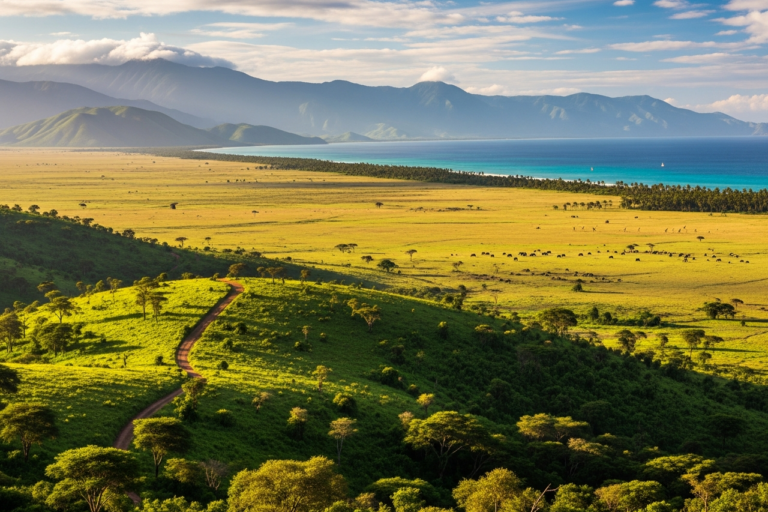
Key Highlights
-
Kenya has a tropical and pleasant climate, but it can be very different in each region and at different altitudes.
-
The country does not have a real winter or summer. Instead, there are two main seasons: a dry spell and a rainy season.
-
The main dry spell lasts from June to October. This time has sunny days and clear skies, and it is a good time to go on a safari.
-
There are two times when it rains more. The “long rains” come in April and May. The “short rains” show up in November and December.
-
Temperatures in Nairobi and the highlands stay cooler than the warmer air found closer to the coast.
-
It is smart to check weather forecasts before you make plans, as climate changes can now affect the seasons and when the rains come.
Introduction
Are you getting ready to visit Kenya in Africa? If so, it is good to know what the weather will be like. Kenya has a nice warm climate most of the time. But, the weather can be different in each part of Kenya. In Nairobi, the busy capital, the weather might not be the same as it is by the beach.
This guide will tell you what you need to know about kenya weather. It will help you decide what to wear, so you can get ready for your trip in the best way. You will be able to enjoy your adventure around Nairobi and other places in Kenya even more.
Overview of Kenya’s Climate Zones
Kenya is on the equator and has a mix of high and low places. Because of this, the weather is not the same everywhere. The coast is warm and humid, with lots of sunshine. But in the highlands, like around nairobi, it can be much cooler.
When you go on a safari in kenya, you may see many kinds of weather in one trip. Places like samburu are hotter because they are lower. The laikipia highlands are up higher, so they feel cooler. Let’s take a closer look at the weather in these areas and what makes them different.
Regional Differences: Nairobi, Coastal, and Highlands
The weather you feel in Kenya always depends on where you are. In Nairobi, which sits high up at 1,660 meters, the temperature stays pretty moderate. At night, it often gets cool, and from June to August, it may drop under 10°C (50°F).
But if you head to Kenya’s coast, you will find it stays warm and humid all year. Temperatures here rarely go below 20°C (68°F). This spot is great for anyone who loves beaches. The highlands, where places like Laikipia and the Aberdares are found, are even cooler than Nairobi. These areas get a lot of rain too.
On the other hand, some safari spots like Samburu, Tsavo, and Amboseli are lower and much warmer than parks up high like Lake Nakuru or the Masai Mara. So, it is important to get ready for the way the climate changes from place to place when you plan your trip.
Typical Temperatures and Humidity Levels
Daytime temperatures in Kenya generally average between 20°C (68°F) and 28°C (82°F). However, this can feel much warmer when the sun is out, which is quite often. During the dry spell, skies are usually clear from sunrise to sunset. Humidity is most noticeable along the coast, especially during the rainy season.
In higher-altitude regions like Nairobi, temperatures are milder. For instance, in July, daytime temperatures are around 24°C (75°F), but nights can be cool, around 10°C (50°F). It’s always a good idea to check local forecasts on a service like AccuWeather for real-time conditions, including visibility.
Here’s a look at the average temperatures in Nakuru, which is representative of many safari parks:
|
Month |
Minimum Temperature |
Maximum Temperature |
|---|---|---|
|
January |
9°C / 48°F |
27°C / 81°F |
|
April |
12°C / 54°F |
26°C / 79°F |
|
July |
10°C / 50°F |
24°C / 75°F |
|
October |
9°C / 48°F |
25°C / 77°F |
Kenya’s Climate Patterns Throughout the Year
Kenya’s weather follows clear patterns of dry and wet seasons. The main dry spell is from June to October. This is also the coolest time of the year. Later, the short rains usually fall in November and December.
When the short rains end, Kenya goes into a hot and dry period. This lasts through January and February. The long rainy season begins from March to May, with April being very wet. These times can help you decide when to go for safaris or beach trips. Now, let’s look at these dry and wet seasons in detail.
Dry and Wet Seasons Explained
Kenya’s dry season runs from June to October. This is the most popular time for a safari. At this time, the weather is sunny and there is almost no rain. Plants are not as thick, so it is easier to see animals near water, such as in the Masai Mara, Samburu, and Tsavo parks. The days are nice and warm. But, if you get up early in the morning, it can feel cold, especially if you are in a high place.
Kenya has two wet times in the year. The short rains come in November and December. These rains do not last long and come in the afternoon. The rain usually does not stop a safari. The long rains are heavy and come between March and May. During this time, grass and trees become thick and green.
When there is more rain, it is harder to spot animals because the plants are thicker. But this “green season” is good for seeing beautiful scenery and there are less people. There is also more humidity, especially at the coast. Some camps or lodges in places like Laikipia or near Nakuru might close for a while.
Seasonal Variations in Major Cities
The weather in Kenya can change a lot from place to place and through the year. Nairobi is at a higher spot, so it is cooler and has steady weather compared to much of Kenya.
From June to August, Nairobi goes through a cool and dry spell. It can get pretty chilly in the mornings and in the evenings. But from December to March, it gets hot and dry. The city gets the most rain in April and May, which people call the “long rains.”
Here is a quick look at how the seasons be in different places:
-
Nairobi: You get a cool season in July. A dry spell happens from December to March. April brings the most rain.
-
Nakuru: Nakuru’s weather is a lot like what you feel in the parks. Days are warm, and nights are cool. The rain really comes down in April and May.
-
Laikipia: Laikipia is a highland spot, so it is mostly cooler than other safari places. Nights and mornings get cold, especially from June to September.
-
Coastal Cities: These cities are hot and humid all year. Humidity is highest in both April-May and November-December when it rains the most.
This is what you can look forward to when you visit Kenya in these months—June, July, August, April, September, November, or December—whether you go to Nairobi, Nakuru, Laikipia, or any of the coast cities on your safari.
Weather Forecast and Updates for Kenya
Keeping up with the weather is a good idea when you travel in Kenya. The weather can change a lot, and old weather seasons do not always happen the same way now. If you check the daily and weekly forecasts for places like Nairobi or a national park, you can pack the right things and plan your time well.
You get a lot of useful facts from good weather forecasts. They can tell you about the temperature, chances of rain, and even how windy it will be. This helps when you plan things like early game drives or time at the beach. By knowing this, you will be ready for anything the weather in Kenya has that day. Now, let’s see where to find the most correct updates and forecasts.
Reliable Sources for Weather Information
When you are planning a trip to Kenya, it is smart to check a few weather sources. The best way is to use both world news and local weather updates. This way, you will get a full look at what the weather will be like.
A lot of people check the big weather websites. These sites give you full forecasts. You can see the weather by the hour, plus find out the high and low temperatures. They show the chance of rain or sun so you know when to plan your day. You can also find sunrise and sunset times, which helps you fit in all you want to do. This is great, especially if you are going on a safari and want to know about visibility for seeing animals.
If you want the most correct weather details, use these sources:
-
The Kenya Meteorological Department: The main place to get Kenya’s weather and climate news.
-
AccuWeather: A well-known worldwide service. It gives strong forecasts for many towns and parks in Kenya.
-
BBC Weather: This worldwide provider brings clear weather news you can trust.
-
Local Safari Guides: The guides know what is going on now. They are the best way to find out weather in real time. They can also help you know how the weather might change your trip. For example, they will say if rain will change the animals you see or how clear the day will be.
Checking these sources will help you plan better for your trip and know what to expect in Kenya.
Kenya Meteorological Department: Forecast Accuracy
The Kenya Meteorological Department (KMD) gives the official weather and climate information for the country. People see it as a reliable source for forecasts. It shares outlooks for the season, weekly weather news, and daily updates for different places in Kenya. Getting the weather right is very important for things like farming, flying, and even travel.
The KMD helps a lot with local weather updates. Still, it is good to check forecasts from other places too. Services like AccuWeather use other ways to make their forecasts. By looking at both, you can get a better idea about the weather in Kenya.
Weather forecasts now are better than before. But, it is still hard to always get tropical weather right. Rain might show up fast, or the wind might change all of a sudden. So, the smart thing to do is to start with KMD’s advice. Then, stay open to changing your plans if you need to. This way, you can handle the weather in Kenya better.
Frequently Asked Questions (FAQ)
Are you thinking about the climate in Kenya? Many people want to know the best time to go for safaris. July and August are often seen as the top months because the weather is warm and the visibility is very clear. The short rains usually start in late October and last until December. You will find dry weather in January and February most years.
Nairobi is cooler, with mild days, but Tsavo and Samburu are often hot. Be sure to check weather forecasts from AccuWeather. This can help you plan your safari in Kenya, so you get the best views, more great sunsets, and can enjoy your trip even more!
When is the rainy season in Kenya?
Kenya has two rainy times each year. The “long rains” happen from March to May. April is when you get the most rain. Then, there are the “short rains” in November and December. These short rains are not as strong. The rain often comes as afternoon showers during this time.
What is the average temperature in Kenya during July?
July is one of the coolest times in Kenya. It comes right in the middle of the long dry spell. In places with higher land like Nairobi and the Masai Mara, it can get warm during the day with temperatures around 23 to 24°C (73 to 75°F). At night and in the early morning, it can get cold and sometimes drops to about 10°C (50°F).
How does Nairobi’s weather compare to other regions?
Nairobi is cooler than most parts of Kenya because it is at a high altitude. The coast is hot and humid all the time. Places like Samburu, which are good for safari, are much warmer. If you go to the highlands like Laikipia, it gets even cooler than Nairobi, and at night, it can feel very cold.
Conclusion
To sum up, it is important to know about the climate in Kenya if you are planning to travel or even for your day-to-day plans. Kenya has many different climates, from the coast to the highland areas. Each place can have its own weather, and it changes at different times of the year. If you learn about the dry and rainy times, and how the weather is in big cities during different seasons, you can enjoy your time in Kenya even more. For the best and latest updates on the weather, check trusted sources like the Kenya Meteorological Department. If you want to know more or have questions about how Kenya’s climate could affect your plans, you can ask for a free talk to get better help.



