

Key Highlights
-
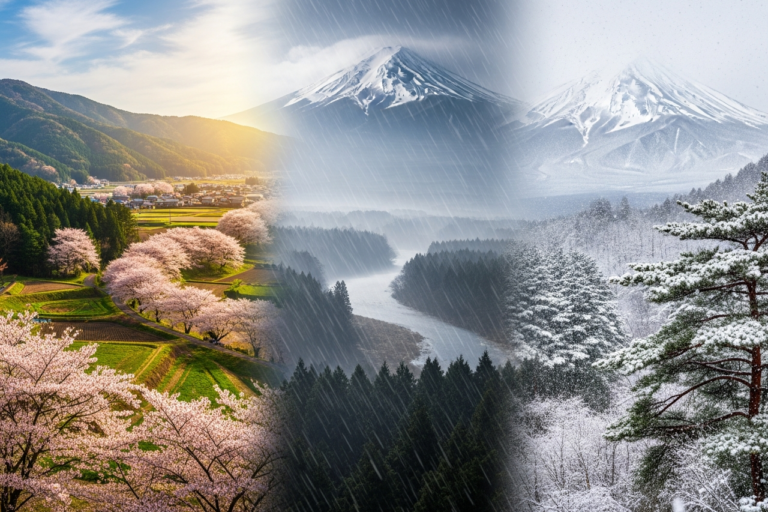
Japan has four different seasons. Each one brings something special, like the famous cherry blossom season in spring and snowy views in winter.
-
Spring and autumn are the best times to go. The weather is mild, and that makes it good for outdoor activities.
-
Summer is hot and has high humidity. June is the rainy season, and late summer can get typhoons.
-
Autumn is famous for its beautiful fall foliage and cool breezes. A lot of people travel at this time.
-
Winter has a lot of snow, mostly in the north like Hokkaido. It’s a great place for skiing and snowboarding.
Introduction
Are you planning to go to Japan? It’s good to know about the country’s weather before you pick the best time to visit. Japan has four seasons, and the weather can change a lot from month to month. If you want to see cherry blossoms in Tokyo or try skiing up north, you should know what the weather will be like. This will help you pack and have a good time on your trip. Let’s take a look at how the seasons in Japan change. This way, you can pick your perfect time to travel.
Seasonal Changes in Japan’s Climate
Japan has big changes in weather through the year. Each season gives you something new. In spring, cherry blossoms start to bloom, and many people come to see them from late April. Summer comes next. During this time, Japan gets hot and the air is full of humidity, especially in the rainy season, which runs from June to July.
When it starts to cool down, September brings the start of autumn. You will see cool air and a mix of colors on the trees. In winter, cold weather and snow come to many places in Japan. Each of these seasons makes the land and the way people live there very different. Because of this, any season can be a good time to visit. Now, let’s take a closer look at what you can see and do during each season.
Spring Weather: Blossoms and Mild Temperatures
Spring in Japan, from March to May, is one of the best times to see the country. The weather is mild and feels good, so you can do many outdoor activities. Cherry blossoms start to bloom in this season and make Japan look like a bright pink and white painting.
During cherry blossom season, around April in Tokyo, parks and old sites are full of people who come to enjoy the view. It is a great time for picnics, walking slowly, and seeing new places. Not only cherry blossoms, but other flowers like wisteria and tulips also bloom. These flowers make your trip even more colorful.
Remember that this is a busy time to travel, especially during Golden Week in late April and early May. The weather is nice, but there are larger crowds. You should book your accommodations early to get the most out of this lively spring atmosphere.
Summer Weather: Heat, Humidity, and Rainy Season
Summer in Japan, from June to August, is hot, humid, and rainy. June starts with the “tsuyu,” or rainy season. This brings lots of rain and cloudy days. If you are here during this time, carry a foldable umbrella. You never know when the rain will come. Indoor places like museums and galleries are good for rainy days.
In late July, after the rainy season, the heat and humidity get stronger. Days become much hotter and more sticky. Make sure to drink lots of water, wear light clothes, and find shade when the sun is strongest. It’s also smart to plan some indoor activities for when the sun is too much.
Even with the tough weather, summer in japan has lively festivals and fireworks. Typhoons happen more in this season too, so keep track of weather updates.
-
Stay Hydrated: Always have a water bottle with you. Use a refill app to find water stations.
-
Dress Lightly: Wear cotton or linen to keep cool.
-
Protect Yourself: Wear a hat and use sunscreen to guard against the strong sun.
Autumn Weather: Cool Breezes and Colorful Foliage
As summer ends and the weather turns cooler, autumn begins. This is a good time to visit Japan. From September to November, you can see beautiful fall foliage, called “koyo.” The leaves on maple and ginkgo trees become bright red, orange, and yellow. You will find colorful leaves all over the country.
The autumn weather is clear and crisp. It is a good time for hiking in national parks or walking in city gardens to see the colorful leaves. Many people think autumn and spring are the best times to travel because the air feels good and there is not much humidity.
By November, the fall foliage is at its best in many places like Kyoto and Tokyo. This is also a great time for sightseeing, visiting temples, or staying in a traditional inn (ryokan) in the countryside. With nice temperatures and beautiful views, autumn in Japan feels special and is enjoyed by many people.
Winter Weather: Cold, Snow, and Regional Differences
Winter in Japan, from late December to February, brings a significant drop in temperature and, in many regions, plenty of snow. The northern island of Hokkaido and cities like Sapporo transform into winter wonderlands, offering some of the best powder snow in the world for skiing and snowboarding. Early mornings can be particularly cold, so packing warm layers is essential.
While northern Japan experiences heavy snowfall and strong winds, cities like Tokyo and Osaka have milder winters. Snowfall is rare in these southern cities, but you’ll still need a thick coat to stay warm, as temperatures can drop, especially at night. Despite the cold, winter days are often clear and sunny, offering good visibility for sightseeing.
One of the highlights of winter is the festive illuminations that light up cities after sunset. It’s also a great time to enjoy a relaxing soak in an “onsen” (hot spring) or try a warm “nabe” hot pot. Major events like the Sapporo Snow Festival draw huge crowds, celebrating the beauty of the season.
|
Region |
Average Winter Temperature (Day) |
Snowfall |
|---|---|---|
|
Sapporo (Hokkaido) |
28°F to 36°F |
Heavy |
|
Tokyo |
40°F to 54°F |
Light, occasional |
|
Kyoto |
36°F to 50°F |
Rare, occasional dusting |
Regional Variations Across Japan
Japan is made of a group of islands that go from north to south. Because of this, the weather changes a lot from place to place. What you feel in the north can be very different from the south. For example, Sapporo in the north has cold winters with lots of snow. Okinawa in the south stays warm and nice all year.
Tokyo, Osaka, and Kyoto are big cities on the main island called Honshu. The weather there is not too hot or too cold, and you get all four seasons. But even between these cities, there are small changes in weather. Knowing about these different weather patterns is important if you want to plan your visit to Japan for tokyo, sapporo, kyoto, osaka, or okinawa so you can do what you like best. Let’s take a closer look at how the weather changes across the country.
Weather Patterns in Tokyo, Osaka, and Kyoto
The big cities of Tokyo, Osaka, and Kyoto sit on Japan’s main island, Honshu. The weather in these cities is mostly mild, but each spot feels a little different. Tokyo is close to the water. This helps it get softer winters and, at times, cooler summers than the cities that sit inland. Spring and autumn are a good time to visit since the air feels nice and you get good visibility.
Kyoto sits in a big dip in the land. The area is ringed by hills, so the days there can feel hotter and damper in summer than in Tokyo. The winters feel more cold, too. Osaka is much like Kyoto for weather, but being near the bay can help make Osaka a bit less harsh. All of these cities get plenty of rainy days in the rainy season, which falls in June.
No matter which city you step into, spring and autumn are the best seasons for exploring. Winter gets cool but is still fine for most people, while summer turns hot and sticky. Make sure you check the weather forecast before you go so you can pack what you need for the trip.
Northern vs. Southern Japan: Sapporo to Okinawa
The climate in the north and south of Japan is very different. In the far north, on Hokkaido where Sapporo is, the winters are long and cold. There is a lot of snow, and the temperature drops way below freezing. This makes it a great place if you love winter sports. In the summer, the weather stays cool with low humidity. It feels nice and fresh, so many people like to visit to get away from the hot south.
In the far south of Japan, on the islands of Okinawa, the weather is almost the opposite. Okinawa has a subtropical climate, so the winters are mild and warm. You can go to the beach most of the year because the temperature doesn’t often get too cold. People come here all year for the sun and sea. There is also a big change between the time of sunrise and sunset in these two places.
Because there is such a big range, you can see different seasons happening in Japan at the same time. Some people will be skiing in Sapporo while others could be snorkeling in Okinawa. All of this makes japan’s weather interesting and gives travelers a lot of options.
Conclusion
Understanding the weather in Japan is important if you want to see all the country has to offer. The climate in Japan changes a lot during the year. In spring, you can see the cherry blossoms, and in autumn, you will notice the bright colors in the trees. Every season gives you a different way to enjoy Japan.
The weather in Japan is also not the same everywhere. There are big differences from one place to another. What you find in Tokyo may not be the same as what you see in Okinawa. If you learn about these changes in the weather each season and each area, you will know what to pack. You will also get more from your time in Japan. So, be ready for new things and go enjoy your adventure!
Frequently Asked Questions
What is the best time of year to visit Japan based on the weather?
The best time to visit Japan is in the spring, from March to May, when you can see the cherry blossom season. Autumn, which runs from September to November, is also a good choice because the weather is nice and there are many fall colors. Summer can be very hot and humid. June brings the rainy season and there is a risk of typhoons during this time. In winter, Japan is best for snow sports.
Where can I find official weather updates and warnings for Japan?
For the most up-to-date weather news and alerts in Japan, you can trust the Japan Meteorological Agency (JMA). On their website, you will find clear forecasts, updates on typhoons, and earthquake information for Tokyo and all other areas. Many news sites and weather apps get their data right from the JMA too.
How accurate are weather forecasts for Japan’s major cities?
Weather forecasts in Japan’s big cities like Tokyo, Osaka, and Kyoto are usually very good, mostly when looking one to three days ahead. The Japan Meteorological Agency uses new tools and tech to give all people clear and good forecasts. If you want to know the weather for days further out, these reports may not be as right, so you should check for news updates as the day gets closer, no matter where you go in Japan.



