

Key Highlights
-
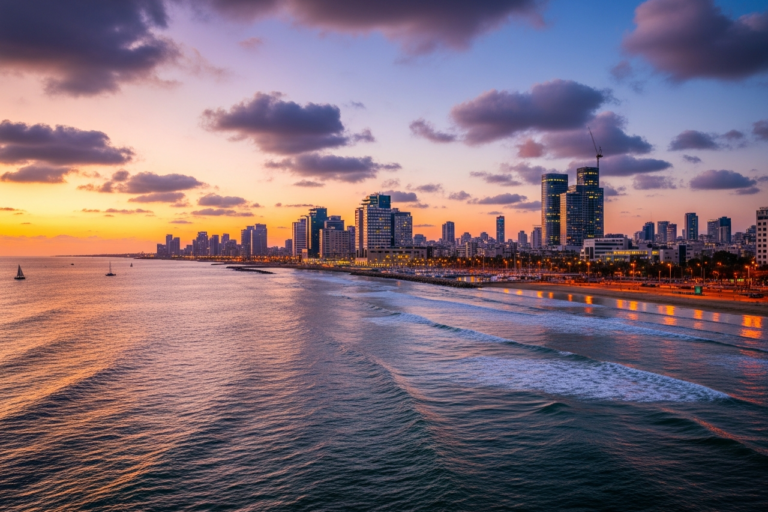
The weather in Israel changes a lot from place to place. You will find the air feel wet near the coast in Tel Aviv, but it is hot and dry near the Red Sea and Dead Sea.
-
Israel gets hot, dry summers and cooler, rainy winters. There are also nice days in spring and autumn.
-
Some major cities, like Jerusalem, are more cool and dry. Places like Tel Aviv can be hot and wet because of the air there.
-
What you pack will depend on the season. Take light clothes for summer, but in winter, bring some layers and a raincoat.
-
It is smart to look at a good weather forecast to get the current weather and if there might be precipitation before your trip.
-
The sea state in the Mediterranean may not be the same as at the Red Sea or the Dead Sea.
Introduction
Are you getting ready to visit Israel? One of the most important things before you travel is to know what to pack. This depends a lot on the weather in Israel. The weather in major cities can be very different, so you might find a big change from one place to another. Whether you want to see the old places or spend some time by the water, it helps to know what weather to expect. Then you can have a good and easy trip. This guide is here to help you learn everything you should know about the weather in Israel.
Overview of Weather Patterns in Israel
The weather in Israel has long, hot, and dry summers. Winters are mild and rainy. The current weather you get in the country depends on the time of year you go. Spring and autumn usually have the best weather for travel. These seasons are good for seeing the major cities in Israel.
Rain, or what people call precipitation, almost does not happen in the summer. This is true from June to September. But in winter, you can see a lot of rain, mostly from December to February. It is smart to check the forecast before a trip, no matter what time you want to go. Now, let’s see how different regions and each season can change the weather.
Regional Climate Differences Across Israel
One thing that stands out about Israel’s climate is how much it can be different in each area. In the coastal plain, where Tel Aviv is, summers are hot and very humid. This can feel a lot like New York or Miami. The air in Tel Aviv is very damp. This is not at all like what you get in other parts of Israel.
If you go south toward the Red Sea and Dead Sea, the weather changes. Here, places like Masada and Eilat get extremely hot, but it’s dry because there is little humidity. This type of dry heat is a big part of what makes the climate in southern Israel special.
In Jerusalem, which sits in the hills, the weather is cooler and drier. It gets even cooler in the evenings. The Galilee hills in the north have their own climate too. Nights there can be quite cool. The state of the sea and weather from the coast also help make these areas get different weather.
Seasonal Temperature and Precipitation Trends
Israel’s seasons dictate everything from temperature to precipitation levels. Summers, from June to early September, are consistently hot, with temperatures often in the 90s (32°C). During this time, you can forecast virtually zero rain across the country.
Winters, from December to early March, are much cooler and wetter. January and February can bring heavy rain and even snow to higher elevations like Jerusalem and the Galilee hills. Temperatures during these months typically range from the 50s to 60s (10-15°C) in most places. Spring (late March to May) and autumn (late September to November) offer mild and pleasant weather, though you might encounter some rain in April or November.
|
Season |
Average Temperature Range |
Precipitation |
|---|---|---|
|
Summer (June-Sept) |
High 80s-90s F (27-32°C) |
Almost none |
|
Autumn (Sept-Nov) |
60-70s F (15-25°C) |
Light to moderate rain |
|
Winter (Dec-Mar) |
50-60s F (10-15°C) |
Moderate to heavy rain |
|
Spring (Mar-May) |
60-70s F (15-25°C) |
Occasional showers |
Weather in Major Israeli Cities
When you travel in Israel, you will see that the weather changes a lot from one city to the next. The current weather in Tel Aviv, which is on the coast, is not the same as in Jerusalem. Jerusalem is up in the hills, so it feels different. Eilat is a city in the desert, and it also has its own kind of weather. Cities in the north, like Haifa, Tiberias, and Nazareth, have weather that is not like Eilat at all.
You should always check the current weather forecast for every place you plan to visit. This helps you be comfortable while you travel. If you know the forecast, you can plan what to do each day. You will know if it is a good time to go explore old places or just go out and have fun at the beach. Now, I will talk about the weather you can get in some of the major cities in Israel, like tel aviv, jerusalem, eilat, tiberias, nazareth, and haifa.
Tel Aviv Weather: Current Conditions and 10-Day Forecast
Are you thinking about the current weather in Tel Aviv? This city is right by the sea. It has hot and sticky summers, and winters that are mild. The Mediterranean Sea is close by and has a big effect on the climate there. It can change the temperature and the sea state. That is why you need to check the weather forecast before you pack or get ready to go.
A 10-day weather forecast for Tel Aviv can show you what the weather might be. Most of the time, you will see a lot of sun, mostly from spring to autumn. There is more rain in the winter. But heavy rain for a long time is not something that happens often.
Here’s what you might see in a forecast:
-
Summer: The highs will be in the upper 80s (27°C) to low 90s (32°C) and it will feel very humid.
-
Winter: The highs stay near 55°F (13°C) and there will be some days with rain.
-
Spring/Autumn: The weather is nice with temperatures in the 60s to 70s F (15-25°C).
Checking the weather forecast will help you know more about the weather and sea state in Tel Aviv.
Comparing Weather in Jerusalem, Eilat, and Haifa
The weather in Israel’s major cities is often very different. Jerusalem is higher up, so it is cooler and drier than Tel Aviv, especially when the sun goes down. At night, even if there is a summer heatwave, it can get cool in Jerusalem.
Eilat sits at the end of the country by the Red Sea. This city is in the desert. In summer, it gets very hot here, with the heat going over 110°F (43°C). But the air does not have much water in it. In winter, Eilat is warm and sunny, so people like to visit when they want to get away from cold weather.
Farther north, Haifa sits by the sea like Tel Aviv, and both share a Mediterranean climate. But Haifa is on Mount Carmel’s slopes. This changes the weather a bit. Here is what you can look for in the current weather forecast in these major cities:
-
Jerusalem: It is cooler and drier, and nights can be cold. In winter, it may get down into the 40s F (5°C).
-
Eilat: The summers are very hot and dry. In winter, the weather will be nice, sunny, and mild.
-
Haifa: In summer, it is hot and humid like Tel Aviv. In winter, there will be rain and mild air.
This gives a good look at what the weather is like right now and helps you plan your day in
Planning Your Trip Around the Weather
If you want to get the best out of your trip to Israel, the time when you go matters a lot. It is a good idea to plan your visit with the weather in mind. This can help a lot when you are in major cities or when you want to see different areas of the country. A good weather forecast will help you get ready for your days, so you do not run into a heatwave or run through rain.
If you understand when it is hot, cool, or rainy, you can pick the best time for your trip and pack the right clothes. This way, you will be ready for the weather and feel good while you see everything Israel offers. Next, we will talk about the best times to go and what you should wear.
Best Time of Year to Visit Israel for Good Weather
So, when is the best time to visit Israel for good weather? Many people say spring and autumn are the best seasons. In these months, you get nice temperatures. There is also not much precipitation. It is a great time for being outside and seeing the country.
Spring, from late March to May, is when the days are warm but not hot. In April, you can see wildflowers, which make the land very beautiful. In the autumn, from late September to November, the air cools down after summer. You might get a little rain, but it does not usually stop your plans.
Summer, from June to September, can get very hot. This is when many people go, but you need to be ready for the heat. If you want cooler days and want to avoid the crowds, try going in January.
-
Best Time: Spring (April-May) and Autumn (September-November).
-
Hottest Time: Summer (June-August).
-
Coolest/Wettest Time: Winter (December-February).
Packing Tips Based on the Season
What you pack for your trip to Israel will change based on the time of year and the current weather forecast. If you go in spring or summer, which is from April to October, bring light clothes that are loose and easy to wear. Pack short-sleeved shirts, shorts, and good shoes for walking. The sun can be strong, so be sure to pack a hat.
If you are in Israel in the winter, between November and April, you need to bring a few layers. The weather can go up and down, so you may start the day with a jacket, take it off when it gets warm, and need it again at night. Bring a rain jacket, a sweater, and long pants to stay dry and warm. This time brings the most precipitation, so it helps to be ready.
No matter when you go, you can use the following things year-round:
-
Sun Protection: Take sunglasses and a hat, even when it is winter.
-
Modest Clothing: Pack a shawl or scarf to cover up at holy places.
-
Comfortable Shoes: You will walk a lot, so make sure to take shoes that feel good.
Keep an eye on the current weather to help you pack the right things for your stay in Israel.
Weather Alerts and Forecast Resources
It is easy to stay up-to-date with the weather if you have good tools. Before you go on your trip to Israel, and while you are there, you can check the current weather in major cities and other places. If you pick a good weather site or app, you will get the best and latest forecast.
That will help you plan your days better and keep you safe and comfortable. It is good to know how to read any alerts that might come up as well. Next, we can see where you can get the most trusted weather forecasts and find out what you should do if you get a weather warning.
Where to Find Up-to-Date Weather Forecasts in Israel
It is simple to find a current weather forecast for Israel. There are many ways to get weather details in English. Many big weather sites and apps give good info for all major cities like Tel Aviv, Jerusalem, and Haifa. You can look on these places for a current weather forecast you can trust.
When you need a weather site, pick one that shares the forecast for many days. This can help you plan your trip better. Some weather sites also show weather by the hour. This is good so you know what the weather in israel may do day by day, like if there will be rain or if it will get very hot.
Here are good ways to get your forecast:
-
Global Weather Apps: The big apps you use on your phone most days often show the weather for major cities in Israel, such as tel aviv, jerusalem, and haifa.
-
Israeli News Websites: A lot of the israel news sites also have parts in English like this for current weather.
-
Official Meteorological Services: You can trust the Israel Meteorological Service website for a weather forecast and even more info.
With these choices, you can get the current weather you need for your plans.
Understanding Weather Warnings and Alerts for Travelers
Sometimes, you might see a weather alert when you are traveling in Israel. These alerts are there to keep you safe from things like heavy rain, strong wind, really hot days, or sudden floods, especially in the desert. It is good to treat any weather alerts as important.
You can find these alerts on the news and on main forecast websites. Many weather apps will also give you push notifications if the current weather changes where you are. Most of these services have information in English, so travelers can use them easily.
If you get a weather alert, do this:
-
Stay Informed: Keep checking the forecast for the latest about the current weather.
-
Adjust Your Plans: Do not go to places that might not be safe, such as hiking paths during a flash flood.
-
Follow Local Advice: Always listen to what officials or your tour guide tell you to do.
Conclusion
To sum up, knowing the weather in Israel will help you plan your trip and enjoy your time there more. The weather in this country changes from one area to another and from season to season. If you know about temperature changes and precipitation, you can pack the right clothes and pick the best time to visit Israel. Be sure to check new weather updates and alerts so you have a smooth trip. Keep looking at trusted sites for the latest news, and get ready to enjoy the special weather in Israel!
Frequently Asked Questions
How hot does it get in Israel during summer?
In the summer, especially from June to August, it gets hot in Israel. The temperature is usually in the high 80s or 90s (about 27°C to 32°C). If you go to cities like Tel Aviv, the air also feels humid. In the desert, it can get even hotter, with the heat sometimes going over 110°F (43°C).
What should I pack for a trip to Israel?
What you need to pack for israel will change based on the season. In summer, you should take light clothes, a hat, and some sunscreen. For winter, have layers, like sweaters and a rain jacket, in your bag. Any time of the year, be sure to have good walking shoes. You also need to wear modest clothes when you visit holy sites. Before you go, always look at the current weather forecast or check the weather forecast to know what the weather will be like in israel.
What’s the typical weather like in Israel in January?
January is winter in Israel. The weather gets cooler, and there is a fair amount of precipitation. Tel Aviv and Haifa stay mild most days, but it does rain. The average is about 55°F (13°C) in both cities. Jerusalem is colder. Some days the temperature dips into the 40s (5°C). Eilat is different, with the weather still feeling nice and sunny. Highs there can reach about 64°F (18°C).



