

Key Highlights
Here’s a quick look at what to expect with the weather in India:
-
The weather conditions in India can be very different, depending on where you are. In the north, there are the Himalayas, and in the south, you find the coastal areas.
-
Most of the country gets cooler and drier weather from December to February.
-
The weather starts to get hotter from March to May. That heat brings on the monsoon.
-
The monsoon comes in June and stays until September. There is a lot of rainfall and high humidity levels during this time.
-
You can check the India Meteorological Department (IMD) for the most up-to-date forecasts.
-
In big cities like New Delhi, you will notice big changes in temperature between summer and winter.
Introduction
Are you planning a trip to India? You need to know about the weather conditions there to have a good time. The weather in India changes a lot from one place to another. There are snowy mountains in some parts, while other places have hot and tropical beaches. Most of the year is divided into three main seasons. You get hot summers, a rainy monsoon season, and a time when it is cooler weather.
This guide will help you know about the weather conditions you might face. You will learn about rainfall, the monsoon months, and the different types of weather in each area. That way, you will be able to pack right and enjoy your trip to India.
Regional Weather Variations Across India
The weather you get in India changes a lot based on the place you visit. If you go to Delhi in the north, you will have a very different time than if you go to Mumbai on the west coast or Chennai down in the south. Along with Kolkata in the east, each of these cities has its own special weather and different times of the year feel different.
For example, northern cities can get really cold in winter. But in southern cities, it is warm almost all the time. If you go to coastal places, there is a lot of humidity, especially when it’s monsoon season. It is important to know about these weather conditions before you go, so you can plan things to do and pack the right clothes. Now, let’s look at what the weather is like in both Northern and Southern India.
Weather in Northern India
Northern India has cities like New Delhi and Jaipur. This part of India sees big changes in the weather across the year. Summers last from March to June. During this time, it can get very hot, with the temperature often rising high. There can also be a lot of air pollution, so it’s smart to check the forecasts every day.
From December to February, the weather changes and gets much cooler. Days in Delhi and other places are sunny and nice with a clear sky. But at night, it can be pretty cold, so you will need to pack warm clothes in layers. Humidity levels in Delhi and all of northern India stay low in these winter months, making this season a good time for people to come and visit.
The monsoon shows up in the north of India around July. The rain comes and gives some relief from the high heat, but it is not as heavy as in other parts of India. If you want to stay away from the hottest and coldest weather, many people think the best time to visit is during the months of March to May or September to November. These shoulder seasons have better weather and are good for travel.
Weather in Southern India
Southern India has a tropical climate. Cities like Chennai and Bengaluru stay warm or even hot all year. You will not find the extreme cold that comes in the north. The biggest change in weather here is the switch between dry and wet days. It is common to have high humidity, especially near the coast.
The region gets a lot of rainfall during the monsoon season. The main southwest monsoon comes in June and stays until September. It brings heavy rain and sometimes you get thunderstorms. Some places in the southeast, like Chennai, also see a northeast monsoon from October to December. This brings more rain.
Since the weather is always warm, the best time to visit India depends on how much rain you can handle. The months from October to February are often best. At this time, temperatures are nicer and there is less rain. It is a good time to explore, with cool evenings and milder days.
Major Indian Weather Patterns and Seasons
India has three main seasons. These are summer, monsoon, and winter. The weather conditions in the country are shaped by these seasons. They affect things like agriculture and daily life for people in India. The monsoon is the most important season. This is because it brings most of the year’s rainfall.
The change from one season to another can be slow or come quickly. It depends on the region. Before the monsoon comes, there is a lot of heat and humidity. The monsoon gives people a break from the hot summer weather. When the rains are over, the weather gets cooler and more dry. Now, let’s look at when the monsoon comes and what summer and winter are like in India.
The Monsoon’s Impact and Timeline
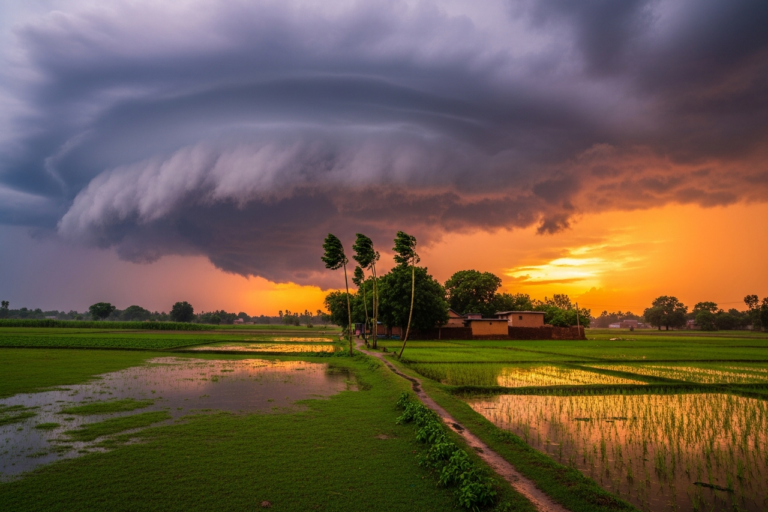
The monsoon is a defining feature of India’s climate, bringing essential rainfall that replenishes water sources and supports agriculture. This season typically begins in June and lasts until September, with varying intensity across the country. The India Meteorological Department closely tracks its progress as it moves across the subcontinent, starting from the southern coast and moving north.
While crucial, the monsoon can also bring challenges, including flooding and travel disruptions. Humidity levels are at their peak during this time. A second, shorter monsoon, the northeast monsoon, affects the southeastern coast, including Chennai, during October and November, bringing additional rainfall to the region.
Here’s a general timeline for the monsoon season in different regions:
|
Region |
Monsoon Onset |
Monsoon Withdrawal |
|---|---|---|
|
South India (e.g., Goa) |
Early June |
Early October |
|
Central India (e.g., Mumbai) |
Mid-June |
Mid-October |
|
North India (e.g., Delhi) |
Late June/Early July |
Late September |
Indian Summers and Winters – What to Expect
Indian summers last from March to May. It gets very hot, especially in the north and center of India. Cities like Delhi and Jaipur often heat up a lot during this time. Doing things outside in April and May can be tough because these months get the highest temperatures before the monsoon comes and cools things down.
Winter in India starts in November and goes on until February. The weather is cooler and often comes with a clear sky, especially if you are in the north. It feels nice to be out during the day, but nights can be cold, more so in December and January.
Many people say that this cool and dry season is the best time to travel in India. You get to enjoy cooler weather and clear sky without dealing with a lot of rainfall. This makes it a good time for seeing new places or exploring the outdoors without the trouble of extreme heat or too much rain.
How to Check Weather Forecasts in India
It’s easy to keep up with the weather conditions while you travel in India when you use the best resources. You can check if there will be rain, how strong the wind will be, or if there will be any temperature changes. Good forecasts are always ready for you. This helps you make good plans for your day and keeps you safe if the weather gets bad or changes fast.
The top place to get weather news is the India Meteorological Department (IMD). There are also many apps and sites that show you weather updates right now and in great detail. To help you find what works, we will talk about official government options and some weather apps that people say are very useful.
Official Government Weather Sources
When you want the most reliable weather conditions for India, you should use government sources. The India Meteorological Department (IMD) is the main group in charge of weather checks, forecasts, and earthquakes. It gives weather forecasts and updates for cities and areas, like Delhi and Bengaluru.
The IMD website is a helpful place to find a lot of weather information. You can get daily reports, cyclone warnings, and updates on the monsoon. Their weather forecasts are made by using data from many stations, radar, and satellites. This helps the IMD make the reports as true as possible.
Here are the official sources you can count on:
-
India Meteorological Department (IMD) Website: Shows forecasts and warnings for India and many cities. It also gives detailed weather reports.
-
National Weather Forecasting Centre: This group is part of the IMD and gives special forecasts and weather checks.
-
Regional Meteorological Centres: These centers focus on giving weather forecasts for certain states and areas in India.
Recommended Weather Apps and Real-Time Maps
Other than the main government sites, there are a few good apps and websites that show real-time weather forecasts for india. The tools in these apps make it easy for you to get updates fast. You can check for rainfall or thunderstorms and plan your day. Many show live satellite maps, so you can see cloud cover and where storms might go.
Most of these apps get data from big sources like GFS and ICON. This is how they keep the forecasts wide-ranging and up to date. You can look at things like humidity, wind speed, and even what the temperature “feels like.” If you use both an app and news from official sites, you get the best picture of what the weather might be.
Here are some good choices to track weather in india:
-
Zoom Earth: Shows great live maps with rain radar. You will see maps for wind, temperature, and more.
-
AccuWeather: This app is known for showing strong hourly and daily forecasts. It also has radar maps for you.
-
The Weather Channel: This is a top choice. This app gives you detailed forecasts, warnings, and maps you can use to look at weather systems.
Conclusion
To sum up, it is important to know about the weather in India. This will help you with your day-to-day plans and also for things you want to do later. India has many types of weather, and each region can be very different. This is useful for everyone, whether you live there, want to travel, or just go outside each day. You might see heavy rain during the monsoon, or you could feel the hot sun in summer. Every season has something special. If you use good weather forecasts or apps, you will always be prepared for changes. It is a good idea to keep checking the weather in India, so you get to enjoy every season a bit more.
Frequently Asked Questions
Which Indian cities experience the most extreme weather?
Cities in the north of India, like New Delhi and Jaipur, have very hot summers. They can also get cold in the winter. Cities near the coast, such as Mumbai and Kolkata, often get a lot of humidity and big rains from the monsoon. All these changes show that weather across India can be very different and sometimes be hard to handle. You can see this in places like new delhi, mumbai, kolkata, jaipur, and all over India.
How reliable are India’s online weather forecasts?
Online weather forecasts for India can be trusted, mostly when you use the India Meteorological Department (IMD). The IMD gives good data about the weather conditions. If you want more detail, you can use IMD forecasts along with apps that show real-time maps. This will help you get a very reliable weather outlook.
What’s the best way to track active monsoon conditions?
To track the monsoon in India, check the India Meteorological Department (IMD) for their official updates and warnings. You can see the latest news about rainfall there. Also, you can use websites or apps that show live satellite maps. These let you watch cloud movement and see where storms are forming. With this, you get a clear view of what is happening with the monsoon right now.



