

Key Highlights
-
Ethiopia has many kinds of weather. There are hot, dry lowlands. There are cool, wet highlands. This happens because there is a lot of difference in elevation in the country.
-
Ethiopia has three main seasons. There is the dry season called Bega. There is the short rainy season called Belg. There is the long rainy season called Kiremt.
-
Addis Ababa stays at a good temperature most of the time. This is because ababa is at a high elevation.
-
Climate change affects Ethiopia. Some places now get less precipitation and the risk of droughts is up.
-
You should always check a weather forecast before you travel in Ethiopia. The weather can change fast. This may change humidity and bring more or less rain.
Introduction
Are you thinking about going to Ethiopia? You need to know about the weather before you plan your trip. Ethiopia has many types of weather, because it has both big mountains and large flat areas. The climate is not the same all over the country. In this guide, I will tell you what the weather is like in Ethiopia. You will learn about the different seasons and how the climate can change from one place to another. We will also talk about climate change in Ethiopia. I will help you get the right weather forecast, so you will be ready for your trip.
Overview of Ethiopia’s Climate
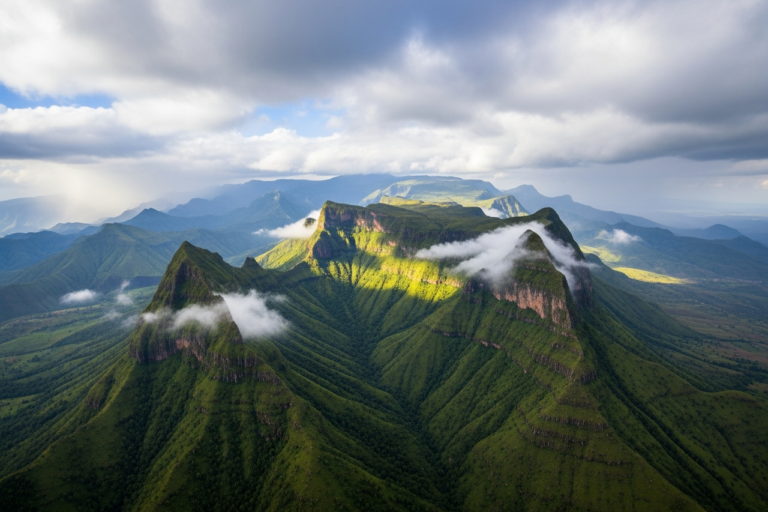
Ethiopia has a mix of climates because of the many kinds of land in the country. You will see rainforests with high humidity in the southwest. There are desert areas in the east. At the same time, elevation plays a big role. It makes different climate zones across Ethiopia.
Most people live in the highlands, where the climate can be good. Still, Ethiopia is dealing with climate change. There is less precipitation in some seasons and places. This new weather pattern is affecting the ecosystem. The government is working to find ways to make the country stronger in the future.
Main Climate Zones Across the Country
Ethiopia be split into a few climate zones. The zones change based on how high up and how warm it is.
The hottest zone is called Bereha. It is a hot and dry area. After that comes the Kolla zone. This place is warm and somewhat dry. These lowlands have higher temperatures than other parts of Ethiopia.
As you go up and get higher, you get to temperate zones. The Weyna Dega is a cool and a bit wet zone. Many people live here. The temperature is nice, and there is often a moderate breeze. This zone sits between 1,500 and 2,500 meters in elevation.
Above 2,600 meters, the air gets much cooler. There are the Dega and Wurch zones at the highest points—highlands and tops of mountains. The Dega is cool and wet, and the Wurch is cool and damp. Up here, the weather is much cooler. You can see how elevation has a big impact on the climate in Ethiopia.
Year-Round Climate Patterns
Ethiopia does not break the year into four seasons. It has three main seasons instead. The driest time is called Bega. It happens from October to January. There is little rain at this time. Many people say Bega is a good time to travel to Ethiopia.
After Bega, there is a short rainy season called Belg. It takes place from February to May. Some rain comes during this time. The rain starts in the south, then moves up to the north. The land slowly turns green again because of the rain after all the dry months.
The main rainy season is called Kiremt. It goes from June to September. Most of the country, like the area near Addis Ababa, sees most of the year’s precipitation then. The humidity is higher. There is regular rainfall, and at times you may feel a gentle breeze between the showers. It will be good for you to check the weather forecast when you plan to visit during this time.
Regional Weather Differences in Ethiopia
The weather in Ethiopia is not the same everywhere. The land changes a lot, and this makes there be many small climates, so not all places feel alike. The central plateau that sits high up has weather that is not like the eastern and southeastern deserts, which are much lower down.
The country is so different from place to place, that when you see one forecast for it, it may not show what the weather is really like for all people. You need to find good forecasts for the city or area you will visit. These forecasts often use satellite images to give better information. In the next parts, we will talk about the weather in some big cities and how the highlands and lowlands are not the same.
Weather in Addis Ababa and Major Cities
Yes, the weather in Addis Ababa is often quite different from other cities in Ethiopia, primarily due to its high elevation of over 2,300 meters. This altitude gives the capital a pleasant, temperate climate year-round, with average temperatures ranging between 16°C and 30°C. You’ll find that cities in the lowlands are significantly hotter.
For example, cities like Gondar and Lalibela are also in the highlands, enjoying similarly moderate climates. However, a city in the desert lowlands would have a completely different weather forecast. Keeping an eye on satellite images and local forecasts is key, especially as climate change continues to affect weather patterns.
Here’s a quick comparison of average temperatures in different zones:
|
Climate Zone |
Elevation |
Average Temperature |
|---|---|---|
|
Lowlands (Kolla) |
Below 1,500m |
25°C – 30°C |
|
Temperate (Woyna Dega) |
1,500m – 2,500m |
16°C – 30°C |
|
Highlands (Dega) |
Above 2,600m |
Around 15°C – 20°C |
Contrasts Between Highlands and Lowlands
The biggest weather difference in Ethiopia is between the highlands and the lowlands. The highlands, with places like Addis Ababa, are on a high plateau. The elevation here helps keep the temperature nice and mild all year. This is true even if you are near the equator.
But the lowlands in the east, southeast, and northeast of Ethiopia have a very different climate. These areas are more like a desert or a place that is almost desert. You will find it much hotter and drier there. The mean temperature is usually around 25 to 30°C in the lowlands. In the highlands like Ababa, it is closer to 15 to 20°C.
This change in elevation does not just change the temperature. It also changes rainfall, humidity, and wind speed. So, when you are planning a trip to Ethiopia, it is good to know if you are going to the cool highlands or the warm lowlands. What you pack and what you expect will depend a lot on where you are in the country.
Seasonal Weather Trends Throughout the Year
In Ethiopia, rain is what shapes the seasons, not the heat. The main rainy season is called Kiremt. It lasts through the summer. During this time, there is a lot of rain. This mostly happens in the center and north parts of the country.
It is important to know when it rains or is dry before you plan your trip. Forecasts can give good tips for places like Addis Ababa for a short period. But if you know the main pattern for the year, you can pick a better time to go. Now, let’s look at both the rainy season and the dry season and see how they may affect your travel plans.
Rainy and Dry Seasons Explained
Ethiopia has a weather pattern with clear wet and dry times. The main rainy season is known as Kiremt. It starts in June and goes until September. During these months, the country gets most of its yearly precipitation. This is especially true in the highlands where cities like Lalibela sit. The rain can be light like a drizzle, or it can be heavy.
Before the main rainy season, there is a shorter rainy time called Belg. This happens from February to May. The Belg season brings rain mostly to the southern and central parts of Ethiopia. It helps give some water after a dry time.
The long dry season in Ethiopia is called Bega. It begins in October and lasts through January. Most people say this is the best time for travel in the country.
-
Bega (Dry Season): October to January
-
Belg (Short Rains): February to May
-
Kiremt (Long Rains): June to September
Best Times to Visit Ethiopia for Pleasant Weather
The best time to go to Ethiopia and enjoy good weather is in the dry season. This is from October to January. You will see sunny days and clear skies. There is not much rain, so it is easy to enjoy sightseeing and being outside in most places in the country.
If you cannot go during these months, you can visit Ethiopia between February and May. There can be some short rain, but the weather is mostly nice. The land looks green and fresh at this time. Try not to visit in the main rainy season, that is from June to August. There is a lot of rain then, and it can be hard to travel, mostly in rural parts.
To have the best trip, look at these times:
-
Best Overall: October to January, the weather is dry and sunny.
-
Good for Green Scenery: February to May, after some short rain.
-
Challenging for Travel: June to September, there is heavy rain.
Typical Weather Conditions and Forecasts
To know what the weather is like in Ethiopia now, you need to look at each place by itself. There is not one weather forecast for the whole country that shows everything, because the weather in the regions can be very different. It is good to check a daily weather forecast while you travel in Ethiopia. This can help you make better plans for what to do each day, like going out for some sightseeing or waiting to catch the sunset.
Today, weather forecasts use satellite images and smart modeling. This means you can get up-to-date and more correct weather report fast. In the next parts, you will see how to find 10-day forecasts. You will also learn which good places can give you the most current weather forecast for your trip to Ethiopia.
Current Weather and 10-Day Forecasts
To see the 10-day weather forecast for Addis Ababa or other cities in Ethiopia, you can go to some weather websites or use apps on your phone. These sites and apps show details like high and low temperatures, how likely it is to rain, and the wind speed in mph. For example, the forecast might say there will be a moderate breeze and some sunny times.
Checking a 10-day weather forecast is good for planning what to pack or what to do. It helps you know if it will be sunny for most of the week or if there could be some light drizzle. But remember, weather forecasts can change. It is smart to check again later, close to your travel date.
Here’s what you can find in a typical weather forecast:
-
Each day’s high and low temperature.
-
The chances and type of precipitation, like drizzle or light rain.
-
Wind speed and direction.
Reliable Sources for Weather Updates in Ethiopia
Finding up-to-date weather news for Ethiopia is easy with the technology we have now. There are a few large, worldwide weather providers that give clear forecasts for many places in the country. The information you get from these sources tends to be good because they use things like satellite images and top data models.
Websites like BBC Weather, AccuWeather, and The Weather Channel are some of the best places to check. They offer updates on what is happening now. These websites also show forecasts for coming days, which help you plan ahead. Most of these weather services also have apps you can use on your phone. So, you can get the latest reports no matter where you go.
For the most correct and useful forecasts, you can turn to these main places:
-
Major international weather websites (e.g., BBC Weather).
-
Mobile weather applications for your smartphone.
-
Ethiopia’s National Meteorological Agency for official local forecasts.
Weather Impact on Travel and Activities
The weather in Ethiopia can really change how you travel, especially if you like being outside. There is a lot of precipitation during the rainy season. This can make hiking trails muddy. It can also make some roads hard to use. If you are in the lowlands, you will find there is a lot of humidity. This makes it tougher to get out during the day and explore.
If you pay attention to forecasts, you can plan for good weather. A sunny day is great for looking at old ruins. If the forecast says there will be showers in the afternoon, you might want to go to a museum instead. Up next, you will see how weather affects the way you go outdoors and join in cultural events.
Outdoor Adventures and Cultural Events
Ethiopia’s weather can change what you do outside. In the dry season, it is a great time to trek in the Simien Mountains or see the rock-hewn churches of Lalibela. The sky is clear and the air feels good. A moderate breeze helps you enjoy your hike even more.
Many colorful festivals in Ethiopia also happen when the weather is nice. Big events often take place in the dry season because people can meet outside. If you travel to Ethiopia in the rainy season, some outdoor things to do may not be open. But you can still check out the city of Addis Ababa or find other indoor sights.
To have a good time in Ethiopia, remember:
-
The dry season (October-January) is the best for outside fun.
-
Major festivals usually happen in the dry months, so check ahead.
-
Bring ideas for indoor things to do if you travel in the rainy season.
Extreme Weather Events and Safety Tips
Ethiopia usually has the same kind of weather most of the time. But, the country does see some tough weather, most of it has to do with rain. The biggest problem is drought. There have been more dry spells in the past years. Climate change plays a big part in that. These dry times hurt farms and make it hard for people to get water.
On the other hand, the rainy season can also bring flash floods in some places. This can happen fast, mostly in low-lying places and valleys with steep sides. The floods can make it hard to travel and may be dangerous. The best way to stay safe is to listen to local news and weather forecasts. Satellite images can show you when a storm is coming too.
-
Safety Tip 1: When it is the rainy season, be careful of flash floods. Do not try to cross rivers that are full and moving fast.
-
Safety Tip 2: You need to always carry plenty of water, most of all when you are in the hot, dry lowland parts. This helps you keep from getting dehydrated.
Conclusion
To sum up, knowing the weather in Ethiopia is important if you want to visit this great country. The weather can be different from one place to another, and each season will change what you can do. If you know about these things, you can plan better and have a better time. No matter if you like outdoor fun or want to see local things, being ready for the weather will help you get the most from your stay in Ethiopia. If you are thinking about your trip, you can reach out to get more help or information!
Frequently Asked Questions
Is the weather in Addis Ababa different from other cities?
Yes, the weather in Addis Ababa is not like most other cities in Ethiopia. That is because the city is at a high elevation. The elevation makes the air cooler and more mild. There is also less humidity in the air. Other cities in the lowlands can be hot and dry, but Addis Ababa is pleasant all year.
How does Ethiopia’s weather affect travel plans?
Ethiopia can be hard to travel in when the weather changes. The main rainy season happens from June to September. During this time, there may be a lot of precipitation, and some roads might be hard to use or even closed. It is good to look at the weather forecast to check for rain, temperature, and wind speed. This helps you plan your days and keep your trip safe and smooth.
Does Ethiopia experience extreme weather events?
Yes, Ethiopia can have very bad weather at times. The two main problems are droughts, which now happen more often, and flash floods that show up when there is heavy rain in the Kiremt season. These things happen when there are changes in how much precipitation there is. If you are planning to go to Ethiopia, know that these can be risky.



