

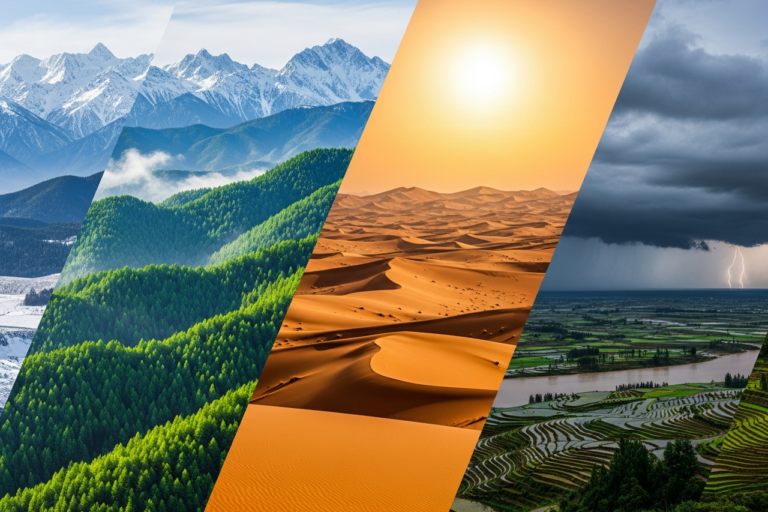
Key Highlights
Here are the main things to know about China’s climate:
-
Because China is so large, the weather changes a lot from place to place.
-
In the north of China, it is dry and there is a lot of wind. In the south of China, it is warm and damp.
-
Summer is hot in most of China. July and August are the hottest months.
-
Winters can be very cold in the north of China. There is often snow and frost.
-
The Gobi Desert changes the weather, and can send dust storms to north China during spring.
-
There is heavy rainfall during the monsoon. This is mostly in the south and in areas by the sea.
Introduction
Planning a trip to China? It’s important to know the climate before you go. China is a very big country. It is the third largest in the world. That means the country covers a wide range of latitude, and because of this, the weather can be very different from place to place. In the north, the winter can be very cold, but the south gets very hot in the summer. The weather you get on your trip will depend on both where you go and what time of year you visit. This guide will help you learn about china climate zones, how the seasons change, and what kind of weather you might find on your travels.
Understanding China’s Diverse Climate Zones
China is a country with many different climate zones. Most people think of it as split into North China and South China. The big Yangtze River is the dividing line for these two parts. When you go from North China to South China, you can feel a big change in the weather. The north is dry and windy, but the south is warm and wet.
There are other places with different weather, too. Out west, in Tibet, the land is high and it is hard to say what the weather will be. The Gobi Desert is near to the north, and that makes the air dry in those places. Now, let’s see what makes each region’s weather special.
Key Features of Northern and Southern Climates
The weather in China can change a lot depending on where you are. One big difference is between Northern China and Southern China. The Yangtze River draws a rough line through the country, and the two sides are not the same when you look at average temperature and rainfall.
In Northern China, you experience all four seasons. Summers can get hot and dry. Winters are very cold and there is a lot of frost. The rain is not as heavy here as it is in the south.
Southern China is different. The weather is warm and air stays humid. It rains more here. From April to September, the monsoon season brings heavy rainfall.
-
Northern China: You get hot, dry summer and very cold winters here.
-
Southern China: It has warm, moist weather and lots of rain over a few months.
-
Yangtze River: It often marks where the weather shifts from north to south.
Regional Climate Differences – East, West, North, South, and Central China
China is not only split from north to south — its climate also changes a lot from east to west. In east China, this is even more true near the coast. Here, monsoons bring a lot of rain and high humidity in the summer.
As you go to the west of China, the air gets drier. This part of China has big deserts and high flat lands. The weather here can swing a lot from hot during the day to cold at night and gets less rain.
Central China sits between these areas and shares things from all the places around it. North China is mostly dry and has a lot of wind. South China stays warm and moist most of the time. There is more precipitation in south China than in north China.
Seasonal Weather Patterns in China
The weather in China changes a lot during the year. Spring and autumn are the best times to go. The weather is mild and nice in most places. These seasons help people get away from the high heat of summer or the cold of winter.
In summer, it gets very hot in China. This is most true in July and August. There is high humidity and a lot of precipitation, especially in the south and along the coast. Winter can be hard, especially in the north. There, the temperatures go way below freezing, and you can also see a lot of snow. If you know about these weather changes, you can plan your trip better.
Spring and Autumn Conditions Across the Country
Spring (March to May) and autumn (September to November) are the best times if you want to travel in China. These months see mild and pleasant average temperature, so you can enjoy sightseeing and spend time outside. Cities like Beijing and Shanghai are also nice to go to in this time. There is no strong heat or cold. The weather just feels good.
Of the two seasons, autumn, from September to early November, is very popular. The weather is dry and steady most days with clear skies, and the average temperature is just right. Rainfall is less during these months, so there are many days to see the best of China without worry.
Spring looks great too, but dust storms can happen in late winter and early spring in northern cities like Beijing. Still, the temperature gets warmer, and you will see new flowers and green plants, so it draws lots of people to visit. Especially in October and November, the climate stays steady and comfortable.
What Summer and Winter Are Like in Major Regions
Summer and winter in China can be very different, and the weather can change a lot from one place to another. In the summer, during June, July, and August, most places in China have high heat. Cities like Chongqing, called one of the “furnaces” of China, get very hot and there is a lot of humidity in the air.
Winter is not the same. In the north, in cities like Beijing, the weather gets much colder. During December and January, the cold feels strong, and it often snows a lot. You may see frost, too. It looks white and feels cold. But in the south, cities such as Guangzhou do not get as cold. They stay good and mild, but it still can feel cool and damp.
Here is a quick look at the weather in some big cities:
-
Beijing: Summers are hot and dry. Winters are cold and have frost.
-
Chongqing & Chengdu: Summers here are very hot and full of humidity.
-
Guangzhou: The city gets hot, rainy summers and short winters that are cool.
If you want to visit china, knowing about these weather patterns in June, July, December, and August can help you plan. So, be ready for what the weather brings in beijing, chongqing, chengdu, or guangzhou.
Typical Temperatures and Rainfall Throughout the Year
China covers a big area from north to south. Because of this, the average temperature and the amount of rainfall are very different in each part of the country. In the north, cities like Beijing can get very cold in winter and very hot in summer. In the south, cities like Shanghai do not have such big changes in temperature. But the air there feels more wet, and there is a lot of humidity.
The rainfall in China does not happen the same way everywhere. Most of it falls in the summer months. This is because of the monsoon season, especially in the south and near the coast. From late spring through summer, cities like Shanghai get most of their year’s rainfall. So, the weather in China depends a lot on latitude and which city you are in.
Average Temperatures by Region and Month
The average temperature in China is heavily influenced by latitude and geography. Northern China, home to Beijing, has cold winters where temperatures often dip below freezing. In contrast, Southern China provinces like Guangdong, Zhejiang, and the island of Hainan enjoy much milder winters and very hot, humid summers. High-altitude regions like Tibet have cool temperatures year-round.
To give you a clearer idea, here’s a look at the average high and low temperatures in Fahrenheit for two major but climatically different cities: Beijing in the north and Shanghai on the eastern coast.
|
City / Season |
Average High (°F) |
Average Low (°F) |
|---|---|---|
|
Beijing (Mar-May) |
66 |
43 |
|
Beijing (Jun-Aug) |
87 |
68 |
|
Beijing (Sep-Nov) |
65 |
45 |
|
Beijing (Dec-Feb) |
37 |
18 |
|
Shanghai (Mar-May) |
66 |
51 |
|
Shanghai (Jun-Aug) |
87 |
74 |
|
Shanghai (Sep-Nov) |
72 |
59 |
|
Shanghai (Dec-Feb) |
48 |
34 |
When and Where Does the Rainy Season Occur?
China has its own rainy season. The timing and how much rain falls can change a lot from one place to another. In south China and the areas near the coast, the monsoon season is strong. There will be a lot of rainfall and high humidity. This wet time is from April to September.
In north China, the rainy season does not last as long and does not bring as much rain. Cities like Beijing get most of their yearly precipitation in the summer, mostly in June and July. These rainfalls in summer can be heavy. But, they do not happen as often as in the south.
To sum up about the rainy season in china:
-
Primary Location: South China and coastal areas get hit most with it.
-
Timing: It is usually from April to September.
-
Northern Impact: North China only has this for a short time, around June and July.
-
Characteristics: There are heavy downpours, lots of thunderstorms, and high humidity, more so in the south.
Conclusion
China has many kinds of weather because it is so big. Each part of the country has its own way the weather changes during the year. The north can be very cold in the winter, while the south can feel warm and a bit like the tropics. If you know what the weather will be like where you are going, your trip can be much better. You might want to see big, busy cities, or you may hope to spend time in the quiet countryside. Their weather and rainfall can be different, so check what it will be like before you pack your things. Look up what season has the best sights and plan your travel for that time. Have a good trip as you see all the things China has to offer!
Frequently Asked Questions
What Types of Extreme Weather Happen in China?
China can have different types of extreme weather. In the spring, there are dust storms from the Gobi Desert. These storms can move over Northeast China. The south and coastal parts of China go through a monsoon season. During this time, there is a lot of rainfall and high precipitation. There can also be thunderstorms, mostly in the summer months.
How Cold Can It Get in Northern China During Winter?
Winters in northern China are very cold. This is because the latitude is high. In Beijing, the temperature at night during December and other winter months can drop to about 18°F, or -8°C. Sometimes, it can get even colder than this. People see frost and snow in the area each year.
When Is the Best Time to Visit China for Pleasant Weather?
The best time to go to China for nice weather is in the spring or autumn. In spring, April and May are good months to visit. Autumn is great too, with September, October, and November being the top choices. In autumn, September and October are often the best. The weather is mild, skies are clear, and there is not much rain. This makes autumn a good time for travel in China.



