

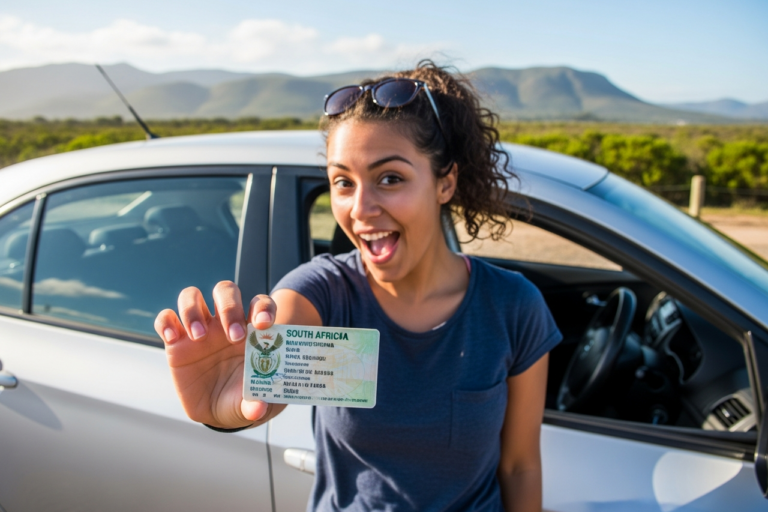
Key Highlights
Here are the key things you should know about driving in south africa if you are a foreigner:
-
You can use your foreign licence in south africa if it is still valid. The licence needs to have your photo and your signature on it.
-
If your licence is not in english, you must have an international driving permit or get a certified translation with you at all times.
-
People in south africa drive cars on the left side of the road. Most cars you can rent will be manual, not automatic.
-
Rental companies will ask for your valid driver’s license, your passport, and a credit card.
-
You can use your foreign licence in south africa if it is still good. But if you plan to be there for a long time, you will need to change to a south african license.
Introduction
Are you planning a trip to South Africa and want to drive around to see its beautiful places? You will have a great time! There are many good roads to explore. But before you drive, you need to know about south africa driving laws. This guide shares all you must know about using your foreign licence. It talks about what is legal, how to rent a car, and what to do so your travel goes well with no problems.
Overview of Driving Laws for Foreigners in South Africa
Yes, foreigners can drive in South Africa if they have a driving licence from their own country. But there are rules they need to know. The South African government will accept a foreign driving licence if it follows certain rules that we will talk about.
It is good to know about these local laws so you do not have problems while you are there. The main things to think about are what language your licence is printed in and how long you will stay in south africa. We will talk about if your driving licence will be accepted, if it needs to be translated, and how long you can use it in south africa.
Legal Recognition of Foreign Driver’s Licenses
If you have a foreign driving licence, you can use it as a legal document in South Africa. It must still be valid in your home country. Your license also needs to show your photograph and your signature. This helps traffic officers and rental companies know the licence is really yours.
Your licence must be given to you by a competent authority in your own country. It has to be an official paper from the government. If your licence meets these important things, you can drive in South Africa while you visit as a guest.
It’s a good idea to always keep the original physical copy of your foreign driving licence with you when you drive on south african roads. Do not just use a copy or a digital version, since local authorities and traffic officers in south africa usually do not take those. With the right documents, your time with local authorities should be easy and smooth.
Languages and Translation Requirements
It is important to think about the language used on your driver’s license. If your license is in English, which is an official language in South Africa, you usually do not need more papers. You can show your license to traffic officials or car rental agencies, and that will be enough.
If your license is in a language other than English, you must have a certified translation of the licence. An International Driving Permit (IDP) is helpful here. The IDP gives an official translation in many languages. This makes it easier for people to understand your license in south africa.
You can also get a letter of translation of the licence from a sworn translator or from your country’s embassy. You must always carry this letter with your original license. If you do not have a translation for a non-English license, you could get a fine or run into other trouble.
Validity and Conditions of Use
The time you are allowed to drive with a foreign license in South Africa depends on your visitor status. If you come to visit for a short time, you can use your good driver’s license from your own country. This works well if you are a tourist or a short-term guest and your license is not out of date.
Things are different if you plan to live in South Africa for a longer, continuous period. If you get permanent residency in South Africa, you must change your foreign license to a South African license. You have one year after you get your permanent residence permit to do this. After this year, your foreign license will not let you drive in South Africa anymore.
There are a few cases where things work in another way, such as for a holder of a diplomatic permit. They may have different regulations. For almost all other people, the rule is clear and simple: your foreign license is good for driving while you are a tourist in South Africa. If you become a resident, you must get a local license.
International Driving Permits (IDPs) for Tourists
An International Driving Permit (IDP) can be very helpful for people who want to drive in South Africa. This document helps translate your foreign licence into a way that people in more than 150 countries can understand. The IDP does not replace your main license. You must always have both the IDP and your original license with you.
You don’t have to get an international driving permit every time, but it is a good idea. If your license is not in English, having an IDP makes things much easier. The IDP can help you talk to police and car rental workers. It helps everyone understand your license.
Next, let’s talk about who needs an international driving permit for South Africa and how to get it.
Who Needs an International Driving Permit?
The main reason to have an International Driving Permit is if your driver’s license is not in English. South African law says your license must be in one of the official languages. English is the easiest for most people who visit south africa.
You should get an IDP if:
-
Your driver’s license is from one of the foreign countries where english is not used.
-
Your license does not show your photo or your signature. An IDP gives you both in a way that fits the rules.
Some car rental companies in south africa like or need you to have an IDP, even if your license is in english. It is a good idea to ask your rental agency before you go. Getting an international driving permit in your country of residence is simple, but it can save you a lot of trouble later.
How to Apply for an IDP Before Arriving
Getting an International Driving Permit for South Africa is easy. You must finish this process in your country of residence before you leave. You cannot apply for the permit once you are in South Africa. The permit comes from a competent authority, which is often a national automobile association.
Usually, you need to do a few simple things. First, fill out an application form from the group that issues the permit. Along with this form, you must give them some documents and pay a small fee.
The documents you need are:
-
A completed application form
-
A copy of your valid driver’s license
-
Passport-sized photographs
-
The application fee
The wait time can be from a few minutes if you go to an office, or up to a few weeks if you send it by mail. So, you should apply early before your trip to South Africa.
Using an IDP Alongside Your Home Country License
It is important to know that an International Driving Permit, or IDP, is not the same as a license. The IDP is a legal document that acts as a translation of the licence you already own. So, you have to show it with your real, valid driver’s license from your home country.
If you drive in South Africa, you need to have both your IDP and your national driver’s license with you all the time. You will need to show both if a traffic officer stops you or if you need to show your documents while renting a car. Think of the IDP like a passport for your license.
Showing these two documents helps south african officers check your driving credentials. It helps even if they can not read the language on your original license. When you pair these two together, it makes things easy for any south african authority or driver. This proves you have a legal right to drive on the roads in South Africa.
Renting a Car as a Foreigner in South Africa
Renting a car is a good way to see the big and beautiful views in South Africa. If you are not from there, you can get a rental car without a local driving license. Most rental companies in South Africa work with tourists from other places, but there are a few rules you have to know.
You will need your own driving license from your home country, your passport, and a credit card for the deposit. Make sure you check that the rental car is in good condition before you drive out. Next, we will talk about what papers you need, how old you have to be, and what your choices are for insurance.
Documents Needed for Car Rental
When you get to the rental desk, having your papers ready will help you get started fast and with no trouble. Rental companies in South Africa have some things they need from every driver, even if you are visiting from another country. If you come prepared, your road trip can start well.
Most rental companies want to check a few things to make sure you can drive and that you are who you say you are. You will need to show the real documents. They will not take copies.
Here is what you usually have to bring:
-
A valid driver’s license from your country where you live, with your picture on it.
-
An international driving permit if your driver’s license is not in English.
-
Your passport that proves who you are.
-
A credit card that has the driver’s name on it. This pays for the rental, and they keep a deposit.
These rules are the same with most south africa rental companies.
Age Limits and Other Rental Restrictions
Yes, there are age rules for renting and driving a car in South Africa. You can get your driving license at 18. But most south african rental companies have their own rules. The youngest you can be to rent a car is usually higher, most often 21 or 23. This can change depending on the rental company you use and the kind of car you want.
These rental companies also have other rules, not just age. Most south african rental companies add a “young driver surcharge” for anyone under 25. That is a fee you need to pay because younger people can be more risky for insurance.
Other common limits are:
-
You must have had your driving license for at least one to two years.
-
Some better or more expensive cars will have an even higher age rule.
Make sure you check with the rental company in south africa for their exact age and driving license needs before you book your car.
Insurance Requirements and Options
Insurance is a non-negotiable part of renting a car in South Africa. All rental car agreements come with some level of basic insurance, but it’s crucial to understand what is covered. This basic coverage usually includes a high excess or deductible, which is the amount you’d have to pay out-of-pocket in case of damage or theft.
To reduce your financial risk, rental companies offer additional insurance options. These can lower your excess or provide more comprehensive coverage. Options often include cover for tires and windscreens, which may not be included in the standard policy. Having roadside assistance is also a great idea for peace of mind, especially if you plan to travel to remote areas.
Here’s a quick look at common insurance waivers:
|
Insurance Type |
Description |
|---|---|
|
Collision Damage Waiver (CDW) |
Limits your financial liability for damage to the rental car. |
|
Theft Protection (TP) |
Limits your liability if the rental car is stolen. |
|
Super Waiver |
Reduces the excess on CDW and TP to a minimal or zero amount. |
|
Personal Accident Insurance (PAI) |
Covers medical costs for you and your passengers in case of an accident. |
Carefully review the insurance options to ensure your rental car is protected and in good condition for your journey.
Road Safety and Driving Tips for International Visitors
Driving in South Africa can give you great freedom to go where you want. But you should always put road safety first. There are many roads in south africa. These go from big highways to gravel roads in rural areas and even in national parks. Is it safe for people from other places to drive here? Yes, but you need to get ready and pay attention.
To have a safe trip, you need to know about the driving style in south africa. Always follow the speed limit. Be sure you understand south african road signs. Here are some key tips. These cover road rules, safe ways to drive, and what you should do when you meet police checkpoints.
Understanding South African Road Signs and Rules
First, if you are in South Africa, you need to drive on the left side of the road and pass on the right. This can be a big change for people who come from the USA or most of Europe. The driver’s seat is on the right side of the car, so you may have to get used to that.
The road signs in South Africa are usually easy to understand, and they use international standards. Still, there are some local things that are different. One thing to know is people call traffic lights “robots.” Also, you will see a lot of toll roads on most main highways, so have some money or a card with you. The distances and the speed limit there are in kilometers.
There are some rules you must know about driving:
-
The general speed limit is 120 km/h on highways, 100 km/h on rural roads, and 60 km/h in towns.
-
At a four-way stop, the first vehicle to get there goes first.
-
Everyone in the car must wear a seat belt.
Safe Driving Practices for Foreigners
Adopting safe driving habits is important in south africa to have a smooth drive. You should not just follow the rules. Try to be a careful and alert driver, especially on roads you do not know well. Always think about your safety and also the safety of people in your car.
When you drive in urban areas, make sure to keep the car doors locked. Keep windows closed or only a little open. Try to keep things like handbags and your mobile phone out of view. The best place for them is locked in the trunk. This simple step can stop theft at traffic lights.
For safe driving, always remember to:
-
Wear your seat belts all the time.
-
Do not use your mobile phone when you drive. It is not allowed and it can be dangerous.
-
Be careful in rural areas, especially at night, because animals can walk on the road.
-
Keep phone numbers for roadside assistance and emergency services close by.
Interacting with Police and Checkpoints
You may see police or traffic officer checkpoints when you travel in south africa. These happen a lot, especially on main roads and in holiday times. If a uniformed officer in a marked car tells you to stop, do it calmly and in a safe way.
Police and local authorities in south africa see many international visitors. They know how to check for a foreign license. If your foreign license is legal, has your photo, and is in English or has an IDP or translation, the officer will take it. Be polite, work with them, and have your papers ready to show.
Always keep your driver’s license, passport, and car rental paper with you and easy to find. This makes any talk with south african police faster and simple. If a fine is given, you will get it in writing. Do not give officers cash right away on the road.
Obtaining or Converting to a South African Driver’s License
When you move from being a tourist to living in South Africa for a long time, you will need to sort out your driving license. If you have permanent residence in South Africa, you cannot keep using a foreign license forever. The law says you must change your valid foreign license to a South African driver’s licence.
To do this, you have to fill out an application and bring the right papers to a Driving Licence Testing Centre (DLTC). It is important if you want South Africa to be your new home. Let’s look at how the process works, the steps, and the main documents you need.
Process for Expatriates and Long-Term Residents
If you are an expatriate and now live in South Africa with permanent residence, you have one year to change your foreign license to a South African driving licence. This year starts when you get your permanent residence status. After this one-year period, your foreign license can’t be used to drive in South Africa anymore.
The reason for this rule is so people who stay long-term in the country can join the local driving licence system and learn the South African driving regulations. When you convert your license, it is an exchange, not a new test. You do not need to do another driving test if your foreign license is from a country that South Africa recognizes, and your license is still valid.
The process is for:
-
People who have received a permanent residence permit.
-
Foreign nationals who aren’t just visiting, but want to stay in the country for a long time.
If you do not change your license in time, you may face legal problems. This is a very important step for every new expatriate in South Africa.
Step-by-Step Guide for License Conversion
Converting your foreign license to a south african driving licence means you have to go to a driving licence testing centre. The department of transport manages this process. You have to take an application form, along with other papers, and hand them in at the center.
First, find your closest driving licence testing centre. Gather every document you need. You can call ahead and check their hours and what you have to bring. Each centre might have a few different rules. When you arrive at the centre, you will turn in your application form. You will also have your fingerprints and picture taken.
Here is a quick step-by-step guide:
-
Get and fill out the “exchange of a driving licence form” (form DL1).
-
Collect all the needed original papers and certified copies.
-
Go to a driving licence testing centre and give them your application form and documents.
-
They will do an eye test. They will also take your picture and fingerprints.
-
Pay the required application fee.
Important Considerations and Required Documents
When you apply for your license conversion in south africa, know that it might take some time. This is because your foreign license needs to be checked and there are internal auditing processes. The team will have to contact the place where your license was made. This can slow things down. You should be patient with this administrative task.
To stop any hold-ups, make sure you have all the right documents. It is best to use original papers or certified copies if needed. If any are missing, the team will not work on your application.
Key documents usually include:
-
Your original foreign driver’s license.
-
Proof of permanent residency in south africa.
-
Your ID document or passport.
-
A letter of translation if your license is not in English.
The document must show your photograph and the signature of the holder. If you want a professional driving permit, you need to apply for that with a new set of forms and requirements.
Conclusion
Driving in South Africa can be fun if you come from another country. Still, you need to know the laws and rules so your trip goes well. You should learn about legal driver’s licenses and understand when you need an international driving permit. It is important to use safe driving habits and watch for south africa road signs. When you know the rules, you stay safe and make your travel better. If you plan to visit, feel free to get more information or help on driving requirements. Have a good trip!
Frequently Asked Questions
Can I drive in South Africa with only my home country license?
You can drive in South Africa with your foreign licence if it is a valid license in English. The license must come from a competent authority. It also needs to have your photo and your signature on it. If your license is not in English, you need to have an International Driving Permit or a certified translation with you.
Do South African police accept foreign licenses during stops?
Yes, south african traffic officers and local authorities will take a valid foreign licence if you get stopped. If your licence is still good and you have the legal document on you (with a translation if the police ask), you will not have any trouble with them.
Are there age restrictions for tourists driving in South Africa?
In South Africa, you have to be 18 to drive, but renting a car comes with higher age limits. Most rental car companies want you to be at least 21 or 23 years old. If you are under 25, you might have to pay a “young driver” fee to the rental company.



