English (US) – Page 48

Meal Times in the Netherlands: A Guide for Visitors

Discover the meal times in Netherlands for visitors! Our guide covers typical dining hours and local customs to enhance your culinary experience.

English (US)

Key Highlights

  • People in the Netherlands often eat a typical Dutch breakfast between 6 a.m. and 8 a.m. Lunch is usually from 12 p.m. to 2 p.m.

  • Dinner time in Dutch households starts early. Most families eat between 5 p.m. and 7 p.m.

  • A typical Dutch breakfast or lunch often has bread or crackers with things put on top.

  • Dutch food culture is very mixed. It brings in tastes from Asian and French food as well as the country’s own dishes.

  • In the Netherlands, families in Dutch households like to sit down and eat dinner together at the table.

  • For weekend meals, things are more easy-going. It is common to have pizza, pancakes, or fries.

Introduction

Welcome to the Netherlands! As you travel here, you will see that Dutch food culture is very special, just like the country’s canals and windmills. The Dutch people have their own way of eating. This includes what time they eat and the food they like. If you learn about how the Dutch enjoy their meals, it can help you plan your day. It will also help you understand the way people in the Netherlands live. This guide will show you all you need to know to eat like the Dutch.

Typical Daily Meal Times in the Netherlands

When you visit the Netherlands, you may see that the meal times are not the same as you know. The Dutch people like to stick to a set mealtime each day, more so on weekdays. This shows how much this routine is a part of their life. It can shape family life and even what time the restaurants are open.

In many Dutch households, one big thing is that dinner time is early. This often makes visitors surprised. The times for breakfast and lunch can feel normal, but dinner is served much sooner than in most places. To feel good in the Netherlands, you should get to know this part of the Dutch eating schedule. Next, let’s look at what time people in the Netherlands eat and why they do this.

Standard Breakfast, Lunch, and Dinner Hours

The Dutch day is structured around three main meals, each with its designated time slot. Breakfast is the first meal, usually eaten early to kickstart the day. Lunch provides a midday break, while dinner is an early evening affair, bringing the family together.

This schedule is quite common throughout the Netherlands, especially during the workweek. For a clearer picture, here are the standard meal times you can expect:

Meal

Typical Time

Breakfast

6:00 a.m. – 8:00 a.m.

Lunch

12:00 p.m. – 2:00 p.m.

Dinner

5:00 p.m. – 7:00 p.m.

While a typical Dutch breakfast is a simple affair, and Dutch lunch is often similar, dinner is traditionally the main cooked meal of the day. This structure is a fundamental part of the Dutch food culture, reflecting a focus on efficiency and family time.

Early Dutch Dinner Culture and Its Origins

Are you thinking about why dutch people eat dinner so early? In the Netherlands, many families start their evening meal around 5 p.m. or 6 p.m. This kind of dinner time has been around in dutch culture for a long time and is part of their way of life.

Back in the day, the dutch main meal was eaten at midday. But when the work day changed, families started eating their biggest meal at dinner time instead. Still, they kept the same early hour for having this meal. This was so workers could come home and share a good meal with the whole family.

Now, having an early dinner lets families have more time together after eating. It’s a time for parents and kids to sit down, talk, and eat together before they move on to evening plans or just relax. For dutch people, it is not really a hard rule. The early dinner is just their favorite way to bring order and give more time for family life.

What a Day of Eating Looks Like for the Dutch

So, what does a full day of eating look like in the Netherlands? Dutch people have a mix of simple meals and rich dishes. Most begin the day with a quick and easy breakfast. Lunch is simple, too. But dinner is the main event.

This is when Dutch households sit at the dinner table together. They have a warm meal and talk about their day. On weekdays, life is more set and meals follow a routine. Weekends, though, are more open and relaxed. Dutch people try new foods and spend more time at the dinner table then. Let’s look at what people in the Netherlands eat at each meal and how things change on weekends.

Common Dutch Foods by Mealtime

Dutch meals are simple and easy. This is true for both a typical Dutch breakfast and a Dutch lunch. In the morning, people often eat yoghurt with muesli or slices of bread. Lunch in the Netherlands is almost the same, with more slices of bread and many kinds of toppings. One warm dish many people now enjoy for lunch is the tosti, which is just a grilled ham and cheese sandwich.

At dinner time, people in the Netherlands like to have a bigger, filling meal. The most common dinner has potatoes, some vegetables, and meat that comes with gravy. Here are some Dutch dishes you may see at the table:

  • Stamppot boerenkool, which is kale mashed up with sausage

  • Erwtensoep, a thick split pea soup

  • Hutspot, a mix of potatoes and carrots cooked down to a stew

  • Pannenkoeken, which are big, thin pancakes and can be made sweet or savory

There are also some foods in the Dutch kitchen that are from other places. Dishes like nasi, which is Indonesia’s fried rice, and bami, which are noodles, now feel right at home as part of Dutch meals. Desserts are often not very fancy, like plain yoghurt, and then maybe some coffee.

Variations in Meal Times Across Regions and Weekends

Eating dinner early is normal for many Dutch people in the Netherlands. But you will see a few small changes to the routine. In bigger cities like Amsterdam, things can feel more relaxed. That is because people have different ways of living and there are a lot of visitors. Restaurants in the city might stay open later than those in smaller places.

Still, the usual dinner time is an important part for most Dutch households. The biggest change from the routine often happens on the weekend. On the weekend, many Dutch people want to relax. Dinner can happen later, and people do not follow strict rules. It is usually a more laid-back meal.

The “three P’s” — pannenkoeken (which are pancakes), pizza, or patat (fries) — are eaten a lot on Saturday nights. Many Dutch enjoy these foods on the couch while watching TV. This change in how and when people eat during the weekend shows the flexible side of Dutch food culture. You can see how Dutch can mix old habits with new, chill ways of living.

Conclusion

To sum up, knowing meal times in the Netherlands can help make your trip better. The Dutch have set times for breakfast, lunch, and dinner. These times show their culture and way of life. When you learn about these eating habits, you don’t just try Dutch food—you also join in with their local customs. Maybe you want a slow breakfast or need to show up at dinner on time. Doing things the Dutch way lets you enjoy the country even more. So try to go with the flow, eat when the locals eat, and make the most out of your time in the Netherlands. If you want to know more about Dutch food, you can always book a free talk with our experts!

Frequently Asked Questions

Are Dutch Restaurants Open During Traditional Dinner Hours?

Yes, there are many restaurants in the Netherlands that open for the early Dutch dinner time. In Amsterdam, you can see a lot of kitchens ready to serve people who want to eat early. Some places stay open later for visitors and others. But it is always good to look up their hours. Some of them may close before you think.

How Strict Are the Dutch About Mealtime Schedules?

Dutch households care about when they eat, especially on weekdays. Still, they are not too strict about these times. These food routines are more of a habit. They help make time for family at the dinner table. On weekends, things are more laid back. But in the Netherlands, it is not a good idea to show up late if you get invited for dinner.

Do Meal Times in the Netherlands Differ from Other Countries?

Meal times in the Netherlands are not like in most other places. In the Dutch food culture, people usually have dinner early, between 5 p.m. and 7 p.m. This is different from many places, like in Southern Europe, where dinner time is often much later. For many visitors, early dinner time is one thing that really stands out when they visit the Dutch or the Netherlands.

Key Highlights

  • Learn about the rhythm of Portuguese meal times. These times are often not the same as other European meal schedules.

  • A typical Portuguese breakfast is light. For breakfast, people often have coffee and a pastry like a pastel de nata.

  • Lunch is the main meal of the day in Portugal. People usually eat lunch between 12 PM and 3 PM.

  • The Portuguese enjoy two snack times during the day. There is a morning snack, called lanche da manhã, and an afternoon snack, called lanche da tarde.

  • Dinner in Portugal starts late. Many restaurants get busy around 8 PM or even later.

Introduction

Portugal is a place that makes people fall in love with it. You see its beautiful coasts and feel its long history. The portuguese people are always friendly, and their food is so good. If you want to really know the culture in portugal, you need to learn how they spend their days. Their daily life is centered on meals. They start the day with a fast coffee, and finish with a slow dinner at night. Trying portuguese cuisine is the best way to know the heart and soul of the portuguese and portugal.

Portuguese Meal Culture: An Overview

The Portuguese meal culture plays a big part in daily life. There are clear times for breakfast, lunch, and dinner. In Portugal, lunch is usually the main meal of the day. People eat it in the early afternoon, and it’s often a big, filling meal. The evening meal, or dinner, happens much later at night.

These set Portuguese meal times help shape each day in the country. People also like to have snacks at special times, so you are never too far from your next tasty bite of Portuguese food. Knowing about this schedule helps you eat like the locals do in Portugal. Let’s look closer at how the meal times in Portuguese match up with days in other places and how they are different from what you see in other countries.

How Portuguese Mealtimes Shape Daily Life

In Portugal, the way people live every day is closely linked to when they eat. The day follows a set pattern, with a small breakfast at first and a late dinner at the end. This schedule shapes business hours and when people meet with others. For the portuguese people, meals are not just for food. They are a good time to be with family, friends, and people you work with.

If you plan to visit portugal, try to get used to how things work there. Plan where you want to go and what you want to do around lunchtime, which is usually from 1 PM to 3 PM. Many small shops and local businesses may close during these hours, as people go out for their main meal.

Going along with this way of life is a good part of your trip. It lets you slow down, enjoy what you eat, and see how life moves for the portuguese every day. When you match your timing with these customs, you have a better, more real visit—one you will remember.

Comparing Portuguese Meal Schedules with Other European Countries

While meal schedules vary across Europe, Portuguese meal times are notably later than those in countries like England but are quite similar to neighboring Spain. In many parts of Northern Europe, dinner is often eaten as early as 6 PM. In Portugal, this would be considered the time for an afternoon snack.

The Portuguese habit of dining late is a key cultural difference. Lunch is also a more prolonged and significant event compared to the quicker, lighter lunches common in other nations. While France is known for its leisurely meals, Portugal takes the late-evening dinner to another level, sharing this custom with Spain.

This comparison highlights the unique pace of life in Portugal. Here’s a quick look at how typical dinner times compare in a few European countries.

Country

Typical Dinner Time

Portugal

8:00 PM – 10:00 PM

Spain

9:00 PM – 11:00 PM

France

7:30 PM – 9:00 PM

England

6:00 PM – 7:30 PM

Breakfast in Portugal (Pequeno-Almoço): Start of the Day

A Portuguese breakfast, called “pequeno-almoço,” is a light and simple way to start the day. People in Portugal do not eat a lot in the morning. The main things you will find are coffee and a sweet snack, like a pastel de nata. Breakfast is more about getting some quick energy before you go on with your day.

The traditional Portuguese breakfast is not a big meal. Most people have it at a local café and not at home. This is because people will have a bigger lunch later. Some also stop for a morning snack to help them get by until lunch. Now, let’s look at what foods and drinks you get in this early meal and why it is a part of the Portuguese way of life.

Typical Breakfast Foods and Drinks

The breakfast menu in Portugal is sweet, simple, and filling. People in Portugal like to start the day with fresh pastries, good types of bread, and strong coffee. You will not get big plates with eggs and bacon at this time. Instead, the morning is all about what you can get at the local bakery near you. Most people choose a quick espresso, called a ‘bica’ in Lisbon or sometimes go for a meia de leite, which is half coffee and half milk.

Pastries are the main thing to eat in the morning. The most famous one is the pastel de nata. This Portuguese custard tart is small with an egg filling and a flaky crust. You will also find other sweet treats and many types of bread on the menu. A lot of people like to eat toast with jam and butter.

Here are some of the breakfast items that are common in Portugal:

  • Pastel de Nata: The best-known Portuguese custard tart.

  • Tosta Mista: A classic toast sandwich with ham and cheese.

  • Bola de Berlim: A pastry like a doughnut, usually with sweet egg cream inside.

  • Many kinds of bread with butter or jam.

  • A quick espresso, called a ‘bica’ in Lisbon.

When and Where the Portuguese Enjoy Breakfast

In Portugal, breakfast is not a long meal you eat at home. It is more about going out and being part of the community. Most people get a quick bite at a pastelaria, or pastry shop, or at a café. These spots are the center of the morning for the Portuguese, full of people who are just starting their day.

The usual breakfast time is from 7:30 AM to 10 AM. Many people stop at their favorite cafe as they go to work to have a coffee and a pastry. Most eat at the counter. This quick bite is fast, easy, and does not cost much. It’s a good way to start the day.

This café life is a key part of what makes Portugal special. The Portuguese do not make coffee at home as often. They enjoy going out for their espresso because it is cheap and tastes great. Walking to the local bakeries is more than just eating breakfast. It is also a time to see other people and catch up before the day begins.

Mid-Morning Snack (Lanche da Manhã) Traditions

Yes, the Portuguese people do have a tradition where they enjoy a morning snack between meals. The “lanche da manhã,” also called the morning snack, is well known in Portugal. This snack is not random eating. There is a set time for it, and it helps you stay full between a light breakfast and a late lunch.

Most people have this morning snack at about 10:30 or 11 in the morning. It’s a short break in the day. Many people will go to a café for this snack. Having this “lanche” in the morning helps people keep their energy up until it’s time for their big midday meal. Now let’s see what the Portuguese like to eat for this snack break.

Popular Snack Choices and Cafés

The Portuguese like to grab a quick snack in the middle of the morning at the same bakeries and cafés they stopped at for breakfast. These spots have display cases packed with sweet pastries and savory choices. It is easy to grab something small for a break, and people often get another coffee with something light to eat.

The well-known pastel de nata is always a good pick. Still, you can find other pastries that are popular, too. The bolo de arroz is a simple rice cake muffin with a bit of crunch and a sugary topping. Sometimes you see pastries filled with jam or just a piece of toast.

Here are some popular choices for a morning snack:

  • Bolo de Arroz: A popular and simple rice cake.

  • Sweet pastries with coconut or almond.

  • Savory options like a small ham and cheese roll.

  • Another pastel de nata if you want one!

Timing and Customs for Mid-Morning Meals

The morning snack in Portugal comes at the right time. People usually have it between 10:30 AM and 11:30 AM. It is a quick snack that fits in well after a light early meal and before a late lunch. This is not a big meal. The goal is just to keep you from getting really hungry before the main dish later in the day.

Taking this morning snack break is part of the workday for many people. Most offices or other places where people work will have a coffee break. At this time, you can see coworkers go to one of the many bakeries. People get a hot drink, grab a sweet treat, and have a short chat. It is a good way to get energy back and mix with others before you work more.

This snack time is not the same as a large or fancy meal. It stays very casual. Many people eat a banana, an apple, or a small yogurt right at their own desks. But the traditional way is to take a short walk with others to a local café. The people of Portugal see these short stops as an important part of the day. It is about working well but also taking time to rest with a morning snack, even if it is small. This way of doing things is found in portuguese culture, and it helps people last all day until the main dish or dish of the day is ready.

Lunch Time in Portugal (Almoço)

Lunch, called “almoço,” is known as the main meal of the day in Portugal. People take their time and enjoy a big meal at midday. Most restaurants serve a “prato do dia,” which means dish of the day. This lunch is tasty and easy on your wallet.

It is normal to see people eating larger plates of classic Portuguese food at lunch. Breakfast is quick, but lunch is not. Lunch is the moment when people sit down, relax, and enjoy their food. You will find many things on the menu during this midday meal in Portugal. Let’s look at the usual lunch hours and what you can eat at this main meal of the day.

Standard Lunchtime Hours in Portugal

The standard lunchtime in Portugal is a leisurely, extended period in the middle of the day. Most locals head to lunch between 1:00 PM and 3:00 PM. If you’re a tourist, you can often get a table at a restaurant by arriving a bit earlier, around 12:00 PM or 12:30 PM, before the midday rush begins.

This midday meal is a significant break in the day. Many smaller shops and businesses close down during this period so that employees can enjoy a proper lunch, often with family or colleagues. It’s a custom that emphasizes a healthy work-life balance and the importance of a good meal.

Here is a general guide to restaurant lunch hours across Portugal, though it can vary slightly by region.

Region

Typical Lunch Service

Lisbon & Porto

12:30 PM – 3:00 PM

The Algarve

12:00 PM – 3:30 PM

Northern Portugal

12:30 PM – 2:30 PM

Alentejo

1:00 PM – 3:00 PM

What to Expect on a Traditional Portuguese Lunch Menu

A traditional Portuguese lunch is something that many people love. At the start of the meal, you usually get a “couvert.” This is a small starter with bread, olives, and sometimes cheese or sardine paste. These small plates come to your table before the main dish.

The main dish is a big plate of fish or meat. The food is made with simple things, but it has a lot of taste. Along the coast, people enjoy seafood the most. Cod, octopus, and sardines are a popular choice for many. You will often see potatoes, rice, or a salad on the side of your plate. In most places, it is normal to have a glass of wine with lunch.

Here are some items you can find on a typical Portuguese lunch menu:

  • A “Prato do Dia,” or dish of the day. This often has grilled fish or roasted meat.

  • Bacalhau com natas, which is a creamy main dish made with salted cod, potatoes, and cream.

  • Grilled sardines, especially in summer when they are fresh.

  • Hearty meat stews, which are a favorite in areas like the Alentejo region.

  • A simple soup like caldo verde is usually served first.

This way, you get a good look at what to order when you eat out in Portugal.

Afternoon Snack (Lanche da Tarde) Practices

Just like there is a morning snack, people in Portugal also have an afternoon snack. The “lanche da tarde” is a quick bite that happens in the late afternoon. It helps fill the time between a big lunch and a late dinner.

Both kids and adults enjoy this afternoon snack. It is a chance to stop, maybe have coffee or tea, and eat a little treat like cake or a pastel. This shows how the snack is a big part of the portuguese daily routine in portugal.

Common Afternoon Snack Foods

The foods people like to have for an afternoon snack are a lot like what they pick for a morning break. Sweet pastries are a popular choice, and many go back to the same pastelaria for more. This is a good time to have another cup of coffee and a little sweet bite to help get you through the rest of the afternoon.

People still love to eat a pastel de nata as an afternoon snack, just like they do for breakfast. Other choices like a rice cake muffin, known as bolo de arroz, or a piece of cake are also common. If you are not in the mood for sweets, you can go for a tosta mista, which is a ham and cheese toastie. This is a good quick snack.

Here are some common afternoon snack options:

  • A pastel de nata or other sweet pastries.

  • A slice of cake with coffee or tea.

  • A bolo de arroz (rice cake muffin).

  • A tosta mista for a savory option.

When Do Portuguese People Take Their Afternoon Break?

The afternoon break for “lanche” in Portugal usually happens between 4:00 PM and 6:00 PM. This is a key time because there are a lot of hours between lunch, which ends around 3 PM, and dinner, which can be as late as 9 PM. The lanche snack is a normal part of the day for people of all ages.

You will see cafés and bakeries get busy again during this late afternoon time. School kids often stop by to get a snack on their way home. People who work in offices also take this time for a break before they finish up their day. Even waiters in restaurants may have a quick lanche before dinner time starts.

This late afternoon snack break is small but important. It shows that people in Portugal like to take breaks during their day, and they do not want to be too hungry before they sit down for dinner. It also gives everyone another reason to meet up, relax, and enjoy good baked goods or snacks.

Dinner in Portugal (Jantar): Evening Feasts and Traditions

Dinner in Portugal is called “jantar.” Portuguese people usually eat their evening meal late. The dinner might not be as heavy as the midday meal. Still, it is not a small gathering. People use this time to relax and enjoy good food with their family and friends.

This evening meal is a big part of Portuguese cuisine and their social life. Sometimes, the main dish is cooked at home and is simple. Other times, people go out for a big dinner at a restaurant. Let’s look at the dinner hours in Portugal and how eating out can be different from having dinner at home.

Typical Dinner Hours Across Portugal

Dinner in Portugal is a famously late affair. Most locals don’t even think about eating their evening meal before 8:00 PM, and it’s not uncommon for dinner to start as late as 9:00 PM or 10:00 PM, especially on Fridays and Saturdays. This means that a late dinner can easily finish around 11:00 PM or even later.

As a traveler, this works to your advantage. If you prefer to eat earlier, you can often walk into a popular restaurant at 7:00 PM or 7:30 PM and get a table without a reservation, as the local crowd won’t have arrived yet. Portuguese meal times for dinner are one of the most noticeable cultural differences for visitors.

Here’s a general guide to when restaurants get busy for dinner across Portugal.

Area

Tourist Dinner Time

Local Dinner Time

Major Cities (Lisbon, Porto)

7:00 PM – 8:30 PM

8:30 PM onwards

Coastal/Tourist Areas

6:30 PM – 8:00 PM

8:00 PM onwards

Rural/Inland Areas

7:30 PM – 8:30 PM

8:30 PM onwards

Restaurant Dining vs. Home-Cooked Dinners

There are different ways to enjoy food in Portugal. Eating at a restaurant is slow and easy. Waiters are not in a rush. You can sit back and enjoy. The meal usually starts with bread and olives. You may get more than one course of classic portuguese food.

Having dinner at home in Portugal is more personal, but it is also calm. If you get invited to someone’s house for a meal, it is a big sign of their hospitality. Most people go about 15 minutes late when invited for dinner at home. These dinners focus on spending time with others and loving the portuguese food that was made.

No matter if you are eating home-cooked food or eating at a restaurant, some things stay the same:

  • Meals are not just for eating. They are a time to be social and enjoy.

  • Food has fresh and simple ingredients.

  • People often have a glass of wine with their food.

  • Meals take time. The pace is slow. This is how people in Portugal like to live.

Conclusion

Learning about how people eat in Portugal can show you a lot about their everyday life. The way they start the day with breakfast, enjoy a morning snack at a café, or sit down for a long dinner at night tells you much about their customs and the way they live. Every meal is not just about food. It is a time when people come together, talk, and spend time with family and friends.

In Portugal, having a snack during the morning or a big lunch brings everyone close, and these customs make you feel part of the portuguese way of life. When you take part in their mealtimes, you really get to know the people and what they value. If you visit portugal, try to make the most of each meal. Sit with others, talk, and enjoy the good food. This is the best way to really enjoy your time and get to know their culture. Good luck in your food adventures!

Frequently Asked Questions

Is it normal to eat late dinners in Portugal?

Yes, it is normal to have a late evening meal in Portugal. The Portuguese usually eat dinner some time between 8:00 PM and 10:00 PM. On weekends, dinner can be even later. This is just how things are in Portugal. The evening meal is part of the daily pattern and fits into the social life there.

Do meal times in Portugal change on weekends or holidays?

On weekends and holidays, portuguese meal times in Portugal are usually slower and longer. Lunch often becomes a long get-together with family and friends. People spend more time eating, and the meal goes on for hours. At night, dinner starts even later than on normal days. That is how people in Portugal enjoy their meals when they celebrate. Meals are important to them, and eating together is a big part of portuguese culture.

Is it polite to arrive early or late to a meal in Portugal?

For lunch or dinner at a restaurant, it is polite to be on time. But, if you get invited to a portuguese home for a meal, people expect that you arrive about 10 to 15 minutes late. If you go early, it can make the host feel not ready.

Key Highlights

  • Spanish mealtimes are much later than those in many other places. Spanish people have a late lunch and an even later dinner time.

  • Many Spanish people start their day with two breakfasts. The first one is small and early in the morning. The second one is bigger and comes in the middle of the morning.

  • Lunch in Spain is called “la comida.” This is the main meal of the day. People eat it between 2:00 p.m. and 4:00 p.m.

  • Dinner is a light meal for Spanish people. They enjoy it late at night. On weekends, it can be as late as midnight.

  • The way meal times work in Spain is also because the country has been in the wrong time zone for more than 60 years.

  • You will find many restaurants in Spain offering a “menu del dia.” This is a set menu for lunch that is often a good deal.

Introduction

Have you ever walked around a city in Spain and felt hungry for dinner at 6:00 p.m., but saw that most places are still closed? This happens to a lot of people who visit. The meal times in Spain are different from what many are used to. Spanish people eat their meals much later in the day. Knowing this helps you make the most of the Spanish food scene and social life.

Understanding the Spanish Meal Schedule

The typical Spanish mealtimes might feel strange if you come to Spain from another country in Europe or somewhere else in the world. Spaniards live by a clock that is different from most places. You can see this in the times people eat. This set schedule is a big part of life here. Spain has a late lunch and an even later dinner, and the people plan their days around these times.

Most of Spain, from Madrid to Barcelona, follows the same late-eating routine. There are some small differences, but almost everyone sticks to the main plan. People start with a light breakfast, then have a small snack later in the morning. Lunch comes in the afternoon and is a big meal. Dinner is light and happens late at night. The timing has to do with Spain being in the Central European Time zone.

How Meal Times in Spain Differ from Other Countries

Meal times in Spain are very different from other places. Many Americans have lunch around noon. In Spain, people eat lunch two or three hours later. So, when Americans or people in the UK are having dinner at 6:00 or 7:00 p.m., Spanish folks are just starting their dinner at 9:00 p.m. or even later.

Portugal is right next to Spain, but it follows a different time, like Greenwich Mean Time. This makes Spain’s meal times stand out from the rest of Europe. Most other European countries eat earlier, so the Spanish way is truly unique.

If you are visiting for the first time, it might be hard to get used to these meal times. Try not to stick to your usual routine. Instead, go with the local schedule. When you eat like the Spanish do, you get to enjoy the culture and you won’t be hungry when kitchens are closed.

Why Spaniards Eat Later: Historical and Cultural Insights

Many people think the late Spanish mealtimes show that Spain is a relaxed and easygoing place. But, the real reason goes back in time. For more than sixty years, people in Spain have been living in a wrong time zone. If you look at the map, Spain should use the same time as the UK and Portugal. But instead, Spain is set to Central European Time.

This all started in 1940. Back then, Spain’s leader, Francisco Franco, pushed the nation’s clocks forward by one hour. He wanted the country lined up with Nazi Germany’s time. Because of this, the sun is in a different spot in the sky than the clocks show. So, when it’s 2:00 p.m. on the clock in Madrid, the sun says it’s really more like 1:00 p.m.

This little piece of history is a big reason why Spanish mealtimes are late. People in Spain follow their solar clock, not the official one. Even after so many years, this mix-up with time is now a big part of how the Spanish live. It changes the way people in Spain work, eat, and meet with others.

Breakfast in Spain: Desayuno and Almuerzo

Breakfast in Spain is often split into two meals. The first is called “desayuno”. It is usually light and happens soon after you get up. Many Spanish people just have a morning coffee, and maybe a small pastry or some biscuits. It is not meant to be a big meal, just a way to start the day.

A little later, between 10:30 a.m. and noon, there is the second breakfast. This is known as “almuerzo”. It is a more important break during the morning. Many office workers go to a cafe at this time. They usually get a bigger snack and another coffee. Now, let’s talk about what people in Spain usually eat for their morning meals.

Typical Foods Eaten at Breakfast

A typical Spanish breakfast is not heavy. People in Spain usually want something quick before they start their day. The main thing you will find on the table is a cup of coffee. This is often paired with something small.

You will not get a huge or savory meal in the morning here. The breakfast is simple instead. Most times, the two main things in a typical Spanish breakfast, or “desayuno,” are:

  • Pan con tomate: This is a slice of toast. People rub fresh tomato and garlic on it with a touch of olive oil.

  • Toast with some butter and jam.

  • Croissants or even other small pastries.

  • Magdalenas, which are small, fluffy cakes, or biscuits that many dip into their cup of coffee.

On weekend mornings or special days, some people enjoy “churros con chocolate.” These are pieces of fried dough that you dip in thick hot chocolate. You can get these at special churro shops called “churrerías.”

The Two-Breakfast Tradition Explained

The idea of a second breakfast, also called “almuerzo,” is special for many people in Spain. After the start of the workday, most Spaniards take a break for a bigger snack around 10:30 a.m. This break is not only about eating. It is also a time to be social and enjoy another morning coffee.

This snack helps fill the time between the light early meal, called “desayuno,” and the late lunch, which is known as “la comida.” The almuerzo is usually more savory than the first meal. People can have a small sandwich, called a “bocadillo,” a slice of Spanish omelet, or toast with ham.

For many in Spain, having this mid-morning meal is an important part of work. It lets coworkers meet at a local café, break up the morning, and get a boost of energy to last until la comida. This tradition shows that in Spain, the way people eat and the way they connect with others go hand in hand.

Lunch in Spain: La Comida as the Main Event

In many places, dinner is the biggest meal of the day. But in Spain, lunch is the main event. People call it “la comida.” Lunch happens between 2:00 p.m. and 4:00 p.m. This is the most important meal in spanish mealtimes. It shows how lunch is at the center of daily life in Spain.

Long ago, lunchtime was so important to people that stores would shut down for a siesta. This let everyone go home and eat with their families. Even though the break is not as long now because of modern life, a big and slow lunch, especially on weekends, is still a huge part of spanish culture.

What to Expect at Spanish Lunchtime

When you sit down for a Spanish lunch, prepare for a multi-course experience. The late lunch is a leisurely affair, often lasting an hour or more. Many restaurants align their opening hours with this schedule, offering a “menu del dia” or set menu, which is an excellent and affordable way to experience a traditional lunch.

This set menu is a fantastic deal, typically including a first course, a second course, dessert, bread, and a drink, all for a fixed price. It allows you to sample a variety of dishes. The structure of “la comida” is quite defined.

Here’s a breakdown of what a typical three-course “menu del dia” might look like:

Course

Description

Primer Plato

The first course, often a lighter dish like a soup, salad, or vegetable plate.

Segundo Plato

The main course, which is usually a more substantial dish with meat or fish.

Postre

Dessert, which could be flan, a piece of fruit, or yogurt.

Traditional Dishes and Dining Customs

“La comida” is the time in Spain when people enjoy some of the most loved traditional food. Spanish lunch is all about fresh, local foods. The recipes people use often come from family and friends, passed down from older times. There is always bread at the table. People use it to soak up the sauce and make sure nothing is left.

At lunch, people in Spain like to enjoy being together. They talk a lot and do not rush. It is normal for lunch to last for a long time. Many even stay at the table and enjoy food and wine until the afternoon. There are a few well-known Spanish dishes you may see at lunch, such as:

  • Paella: The famous rice dish, which many love in Valencia.

  • Sopa de pescado: A fish soup full of flavor.

  • Huevos rotos: These are “broken eggs” that come on fried potatoes, sometimes with slices of ham.

  • Gazpacho: This cold tomato soup is great for a hot day.

You can also find simple foods that taste great. People often enjoy bread that is fresh, with good olive oil. They may put on ham or soft goat cheese as well.

Dinner and Evening Eating Habits

After a big lunch, the Spanish dinner, called “la cena,” is lighter and eaten later in the day. Dinner time in Spain does not start until about 9:00 p.m. or sometimes even as late as 10:30 p.m. On summer weekends, people can have their spanish dinner around midnight. Many restaurants in Spain do not open their kitchens for dinner time until 8:00 p.m.

The meal is not usually a big or formal affair. Cena in Spain is often simple, like a salad, a sandwich, or an omelet. Another thing people like to do is go out for tapas. They go from bar to bar, eating the spanish small dishes and enjoying this way of eating. This style fits spanish late-night dinner time and makes it a fun and social part of the day.

Meal Duration, Late Dinners, & Adapting as a Visitor

Getting used to eating late at night is one of the biggest things visitors have to face in Spain. The Spanish people eat lunch later in the day, and it is often a big meal. Because of that, they do not feel hungry again until later. Dinner usually happens much later at this time of day, and this also makes bedtime later. Many times, a normal late dinner in Spain can take one or two hours, especially if you go out with your friends or family.

If you want to get used to this Spanish way of life, the best thing to do is enjoy a “merienda.” This is a small snack in the late afternoon, usually around 5:00 or 6:00 p.m. People in Spain like to have a little piece of fruit or a small sandwich at this time. Eating a merienda helps you get through the long time between lunch and dinner, so you don’t get too hungry while waiting for restaurants to be open.

Getting into this time of day rhythm is a part of what makes visiting Spain special. If you plan for your merienda and move your own timetable, you can enjoy the nightlife, local dinners, and not feel hungry when the Spanish people are starting to get out for the evening. This way, you will also fit in better and enjoy your time in Spain.

Conclusion

Knowing about meal times in Spain can make your food experience better. It also helps you fit in with the local culture. Spanish meal habits, like late lunches and dinners, show that people like to eat with others and enjoy their food. The main event is lunch, but breakfast can be a nice way to start your day. If you are in Spain or just curious about its food, take the time to enjoy these special dining habits. They are a key part of Spanish life. If you want good tips or want to learn more, feel free to ask for a consultation.

Key Highlights

  • In Italy, people usually have a small breakfast, a big lunch around 1:00 PM, and a later dinner at about 8:30 PM.

  • A traditional Italian meal takes time. It often has many courses, and people eat slowly.

  • Mealtimes are a big part of life in Italy. They are key times for family and friends to come together.

  • The way people eat and their meal times can change from one place to another in Italy. In the south, people often eat even later.

  • On special occasions, these meals become bigger and last much longer.

  • If you want to really try Italian cuisine, you should follow the local meal times and manners.

Introduction

Have you ever asked why restaurants in Italy wait until 7:30 PM to start dinner? The way to eat in Italy is tied to the rhythm of the day. To really understand Italian food, you need to know when people eat and how they eat. This guide helps you see the daily time of italian cuisine. You will follow it from a fast morning coffee to a slow evening meal. Tradition and local ways help shape meal times in italy.

Daily Meal Structure in Italy

The Italian day has different times to eat. People usually start with a light breakfast. Lunch is a bigger meal, while dinner is more relaxed. Many people have a coffee break or snack in between.

When it comes to a traditional Italian meal, especially on special occasions, there are several parts to it. You might have an appetizer, a first course, main courses, and dessert.

This mix of quick meals and long, social meals is key in Italy. Eating is not just to fill up. It is also a way for people to come together. Now, let’s see how these meals happen during the day.

Typical Number of Meals Italians Eat Each Day

Most Italians have three main meals each day. These are breakfast (colazione), lunch (pranzo), and dinner (cena). Still, there are smaller breaks for food through the day. Many people stop for a coffee in the morning. In the afternoon, children and adults often enjoy a snack called ‘merenda.’

Meals are simple on most days. For special occasions, such as holidays, birthdays, or Sunday with family, things change. These meals can get bigger and longer. People enjoy lots of italian dishes. The meal may start with appetizers, move to a first course, then a second course with a side dish. After these, there can be fruit, dessert, coffee, and usually a digestive drink.

Italians follow this routine daily, but will add more food and more time to meals when it matters. The value of the day, or event, tells how big the meal will be. Food is not just for eating. It is a way for italians to come together and share life’s important moments.

How Mealtimes Shape Life in Italy

In Italy, the routine of each day follows meal times. Many shops and businesses will close in the afternoon for a few hours. This gives people time to go home for lunch. In small towns, this break shapes how italians spend their time. It is a moment to stop work, be with family, and rest.

This way of life shows just how important it is to eat together. On Sundays or during holidays, traditional family meals are special. These gatherings can last for hours. People use this time to catch up, tell stories, and enjoy good food and company. The slow pace shows how much people value being together at this time of day.

These customs go beyond just italian cuisine. They are a big part of life in italy. Italians step back from work and stress for a little while. They focus on family, friends, and what truly matters most: taking the time to be with each other.

Breakfast (Colazione) Timing and Traditions

Breakfast in Italy, called ‘colazione,’ is light and simple. People eat it between 7:00 AM and 10:00 AM. Italians do not have large breakfast meals like some others. They stick to sweet foods and coffee. It gives the body a small push to get started.

Most eat a sweet pastry, some biscuits, or a slice of cake. They drink hot espresso or cappuccino. Italians might eat breakfast fast at home, or they like to sit and have it at a bar with friends.

When and What Italians Eat for Breakfast

The usual time people have an Italian breakfast, called colazione, is early in the morning. Most have it before 10:00 AM. This breakfast is quick and simple. Many eat it fast before going to work or school. At home or in a local bar, the meal is sweet and goes well with a cup of coffee.

A typical Italian breakfast keeps it basic. It does not include eggs or bacon. You often find:

  • A sweet pastry called a ‘cornetto,’ which is like a croissant

  • Biscuits, or sometimes a simple piece of cake

  • Bread spread with jam or Nutella

Hot drinks are an important part of breakfast. People pick a classic espresso, or sometimes a cappuccino or a caffè macchiato. Some might like a glass of fresh orange juice, called ‘spremuta,’ for something extra. Keep in mind, coffees with milk like cappuccino usually are enjoyed only in the morning.

Differences Between Italian Breakfast at Home and the Bar

An Italian breakfast at home is usually very simple. Italians might have biscuits that they dip in milk or coffee. Sometimes, they eat bread with jam. The goal is to keep breakfast easy and quick as everyone gets ready for work or school.

Eating colazione at a “bar,” which is what italians call a café, is a bit more social. The bar has many fresh pastry choices. You can also get a good cappuccino. People like to see friends, talk to the barista, and feel the energy of the morning. Many italians pick up their coffee and pastry and eat them standing at the counter.

Food at home is plain, but the bar feels special. You get a daily treat and a chance to talk to people. If you eat at the bar, it costs a bit more, especially if you sit at a table. Still, it is a nice part of italian life and worth trying.

Lunch (Pranzo) and Its Importance

In Italy, lunch, called ‘pranzo,’ is seen as the most important meal of the day. People usually eat it in the early afternoon. The meal is big and gives everyone a break from work and other things they do. On weekends or special occasions, it can be a full meal. You may have a first course, main courses, and a side dish.

Lunch is not only about food. It’s a big part of Italian life. Families use it to be together. Colleagues stop working and share a meal. The midday meal is one of the best ways people in Italy like to rest, connect with each other, and enjoy some good Italian cuisine.

Usual Hours for Lunch in Italy

The typical window for lunch in Italy is between 1:00 PM and 2:30 PM. Most restaurants open around noon or 12:30 PM and will close by 3:00 PM for an afternoon break before reopening for dinner. If you find a restaurant serving a full sit-down lunch at 3:30 PM, it’s likely catering primarily to tourists.

While this time frame is a general rule, there are slight regional variations in lunch, or pranzo, times. Northern cities tend to eat a bit earlier, while the south leans toward a later schedule. This timing reflects the local pace of life and work routines.

Here’s a general guide to lunch meal times in different parts of Italy:

Region/City

Typical Lunch Time

Milan

12:30 PM – 2:00 PM

Rome

1:00 PM – 2:30 PM

Naples

1:30 PM – 3:00 PM

Regional Variations in Italian Lunchtime Customs

Lunchtime habits and meal times can be different as you move through Italy. In the north, in places like Milan, the workday moves fast. People there often get quick lunches. They might grab a sandwich or pizza al trancio to eat while they are out.

When you travel to the center, in cities such as Rome, lunch is still a special time. People spend time eating their midday meal. Many will sit down at a trattoria with coworkers or have lunch at home with family. The pace in Rome is slower than in the north.

In southern Italy and Naples, people keep the tradition of having a long lunchtime. Lunch can begin as late as 2:00 PM, and people can spend a lot of time at the table, especially on weekends. The weather there is warmer, so people often wait until it cools down a bit before having big meals of the local food.

Dinner (Cena) – The Evening Ritual

Dinner in Italy is called ‘cena.’ This is the last meal of the day. People in Italy usually have cena later in the evening. Lunch is often the big meal, but dinner is special because people love to sit, talk, and relax.

Dinner in Italy can be simple if you eat at home. It can also turn into a big, multi-course meal if you go out to a restaurant. Many times, there can be a first course and more main courses.

This meal feels calm. It tells people the workday is over and a more easygoing time is here. Before cena, many people like to join in for an ‘aperitivo,’ which is a small drink or snack. This makes the whole night about being with others. Now, let’s talk about when people in Italy usually eat dinner and how much time they spend during cena.

What Time Is Dinner Typically Served in Italy?

Dinner in Italy, or ‘cena,’ is usually eaten later than in other places. People often eat at around 8:30 PM. In southern Italy or during summertime, it can be as late as 9:00 PM or 9:30 PM.

At home, families might have dinner sooner, maybe at 8:00 PM. Italian restaurants normally start serving dinner at about 7:30 PM. If you go at this time, most of the people eating there will be tourists. Locals usually come in a bit later.

On weekends or when there is a special occasion, meal times are even later. The evening kicks off with ‘aperitivo.’ This is a drink and some food before dinner. It makes dinner start later. This calm pace is part of what makes italian cuisine and life in italy great.

How Long Does a Traditional Italian Dinner Last?

A traditional Italian dinner is meant to be slow and enjoyed. It is not something you rush. If you are eating dinner at home on a regular night, the meal can be done in less than an hour. But if you are at a restaurant or celebrating something special, the dinner can last two or three hours or even longer. The pace lets you talk, take your time, and helps with digestion.

The meal has several parts. It usually starts with an antipasto, which is the appetizer. Then you have the first course. This could be pasta or risotto. After that, you get the second course, which is meat or fish. The second course often comes with a contorno, which is the side dish. At the end, there is dessert. You might drink coffee and a digestivo to help with digestion.

This way of eating makes the evening last. Restaurants do not rush you or make you leave your table. The table is yours for the night. You can use your time to enjoy the food, wine, and everyone around you.

Conclusion

To sum up, knowing about meal times and traditions in Italy helps you see what life is like for Italians. Lunch is almost always a slow, relaxed meal. Dinner is an important routine in the evening. Every meal is about more than just eating. The Italian way values family, connection, and having a good time. Italians enjoy taking their time at the table to really taste their food and make moments that matter. Mealtimes are a key part of each day for them. When you try these customs yourself, you will enjoy eating and Italian cuisine even more. If you want to learn more about italian cuisine, meal times, and what italians in Italy do, you can reach out and get a free consultation!

Frequently Asked Questions

Do Italian meal times differ on weekends versus weekdays?

Meal times in Italy can change on weekends. Italians on weekdays often eat fast meals because of work. But on weekends, they take time and enjoy longer lunches and dinners. These meals start later in the day. They can last for hours. It is common for meal times to be social events with family and friends. People like to relax and spend time together. This is a big part of life for Italians in Italy.

Are restaurants open during typical Italian meal hours?

Restaurants in Italy stick to the set meal times. Most places open for lunch at about 12:30 PM and close by 2:30 PM. Dinner hours are from 7:30 PM to 11:00 PM. If you try to go in the afternoon, they are likely closed. It is good to plan ahead for meal times in Italy.

What etiquette should travelers follow during Italian mealtimes?

People who travel should try to enjoy the local pace. Do not hurry when you have your food. It is good manners to wait until all are served, and to say “Buon appetito.” You need to know that italian cuisine changes a lot from place to place, so it is a good idea to pick local dishes. Also, meal times in Italy are later, so if you want to eat with locals, be ready to eat later in the day.

Key Highlights

  • French eating habits have set meal times. For many people in France, lunch is the main meal of the day.

  • Dinner time in France is usually later than in America. People often eat dinner around 8:00 PM or sometimes even later.

  • French people like to make family meals important. They sit down together and take their time eating, not rushing through it.

  • People in France do not usually snack between meals. For kids, there is a planned afternoon snack, but not for most adults.

  • Every day, a fresh baguette is part of french life. You can find it in most bakeries and at most meals.

  • Even at the school cafeteria in France, lunches have many courses and students take their time, unlike the fast lunches found in America.

Introduction

Have you ever thought about how daily life in France is different from other places? The way the french people eat has a big role in their everyday life. Meal times in france are not the same as they are in america or other parts of europe. When you look at when the french eat, you get to see a new side of their life. For them, a meal is not only about food. It is a special time, a part of who they are. This guide will show you what, when, and how people in france like to eat.

Overview of French Meal Times

In France, people eat at set times during the day. This has become a tradition, and it shapes how people plan their day. Unlike other places where meal times can change, french eating habits are pretty much the same no matter where you go in the country. People in France have three main meals, and lunch has long been known as the biggest meal of the day.

Because everyone sticks to these set times, you will not see many eating at strange hours. People really take time to enjoy the main course at their meals, and eating together is seen as a big social event. Now, let’s look at the usual times for when people in France eat breakfast, lunch, and dinner.

Typical Breakfast Time and Traditions

Breakfast in France, called le petit-déjeuner, is often light and easy. People in France have it from 7:00 AM to 8:00 AM. It is not a big or heavy meal. The idea is to have a small start to the day.

The french people may eat a piece of a fresh baguette with some butter and jam. Some also pick up pastries like croissants from bakeries. With the food, people often drink coffee or hot cocoa. Some french also like to have a simple yogurt in the morning.

The french do not eat a big, cooked breakfast. Instead, they choose to wait for lunch. This simple way of eating in the morning is a key part of how the french enjoy their meals. It helps set the tone for the rest of the day in france.

Lunchtime Customs and Schedules

Lunchtime in France is important. It usually happens between 12:00 PM and 2:00 PM. For many people, this meal is the main meal of the day. There can be lots of food in different courses. Even the school cafeteria serves a real, slow meal instead of a quick sandwich. People in France see this long lunch break as a special part of the day.

These days, life moves fast. Instead of a big lunch, some people may get a quick sandwich or a piece of quiche from a bakery. This is more common in big cities. But most still want a good sit-down meal if they can. If you go on a day trip, you may see people stop to enjoy a picnic. They like to do this rather than eat while on the go.

You will not see many people eating in French supermarkets or French restaurants outside this two-hour window. This tight lunch schedule shows how much people in France value a calm, slow main meal of the day. It is a big part of French life.

Dinner Timing in French Culture

Dinner time in France is later than in most other places. People start to eat around 8:00 PM, and some families, especially those with older kids, might start even later, at 9:00 PM. This late dinner time helps people enjoy their family meals without feeling rushed.

Long ago, dinner was the light meal, and lunch was the main meal of the day. It is still this way for many families, mostly in rural areas. But now, some families make their main meal of the day at dinner time instead. For people in France, dinner is an important part of the day. This is when the family gets to talk and share what happened during their day.

The best thing about dinner time is that people come together for more than just food. People in France use this time to connect with those they love. It shows that family meals are not just about eating fast. It is about enjoying time together, talking, and making good memories before the day ends.

Comparing French and American Meal Habits

When you look at the dining habits in France and America, you can see some big differences. In France, meals are planned out. They are social, and they take place at certain times. In America, people are often more flexible about when they eat. Fast and easy food is also more common in the U.S.

French eating habits are more like those of some of their European neighbors, who also like to take their time at meals. But in France, people eat lunch as the most important meal, which is a bit different. This focus on when they eat lunch is a big part of what makes french eating habits special compared to others. These habits are not just about time. They are also about how people eat together and the way different social rules are followed.

Differences in Meal Schedules

One of the most noticeable differences in meal times is how they are scheduled throughout the day. In France, meals happen at very specific times, while in America and the UK, there’s more flexibility. For the French, lunch is often the main meal of the day, while for Americans, it’s typically dinner.

This structure is common across Europe, but with variations. For example, dinner in Spain is even later than in France, while in Germany, people tend to eat earlier. Italy shares a similar love for long, social meals. These schedules reflect deep-seated cultural norms about work, family, and leisure.

Here’s a quick comparison of typical meal times:

Country

Breakfast

Lunch

Dinner

France

7 AM – 8 AM

12 PM – 2 PM

8 PM – 9 PM

America

7 AM – 9 AM

12 PM – 1 PM

6 PM – 7 PM

UK

7 AM – 9 AM

12 PM – 1:30 PM

6:30 PM – 8 PM

Spain

9 AM – 11 AM

2 PM – 3:30 PM

9 PM – 11 PM

Germany

6 AM – 8 AM

12 PM – 1 PM

6 PM – 7 PM

Italy

7 AM – 10 AM

1 PM – 2:30 PM

8 PM – 9:30 PM

Contrasts in Eating Etiquette

Eating etiquette in France means more than just picking up the right fork. It is about how the french people sit down for every meal. That habit matters for all meals, whether you are at home or at one of the bakeries that have seats. In France, people do not like it when someone eats on the go.

In the US, americans often do more than one thing when they eat. They will get food to-go and eat it while in a car or walking. That is normal in America, but the french will think it looks odd. In France, meals are about taking time out to eat and talk with their family or friends. Family meals are not supposed to be squeezed in between other things.

Here are a few key points on french eating etiquette:

  • No eating on the go: Food should be eaten when you are sitting down at a table.

  • Meals are long: Family meals with the main course take time. People do not rush to finish and run to what is next.

  • Finish your plate: You are not likely to see people take the rest of their food home in a “doggie bag.” That is not the way people in france usually do things.

Social Aspects of Dining in France vs. US

In France, eating together is all about being social. People spend a lot of time talking and being with each other at the table, so meals often go on much longer than they do in America. At dinner time, the average family meal can last an hour or more. A meal out at a restaurant could go on for two or three hours, especially if it is the weekend.

For French people, they say the best thing about a meal is spending time with others. This is different from what you get in America, where people often eat much faster and may eat alone. If this is your first time in France, you might be surprised by how long family meals last. But, for French, it is a big part of life because they value being together.

Since meals are so important in France, restaurants do not try to get people out fast. When you sit down for dinner time, that table is yours for as long as you want to be there. This means you get to relax and enjoy, with no rush. That’s why family meals are such a big thing for French people and why these times matter so much in their day.

Regional and Family Variations in Meal Times

There are some set rules for meal times in France, but you will see some changes depending on the region or the family. Life in a big city like Paris is not the same as life in quiet rural areas. Family habits also affect how people follow these mealtime routines.

Even with these changes, the main ideas of French meals stay the same. French people usually eat at certain times and family meals are very important. Knowing these small changes can help you better understand how french people in France live their everyday lives and enjoy their food.

Regional Differences Across France

People in France usually follow the same plan for meals, but there are some small changes depending on the region. In rural areas, you often see that people have a big lunch and then a lighter dinner. This mainly happens because of how farms work and because life in the country is still more traditional.

In bigger cities, such as Paris, people can be a bit more flexible. For example, some french supermarkets and places to eat may be open a bit longer. This helps people who work long days. Still, most people in the city stop for lunch between 12 PM and 2 PM. This time is important all over France.

Where people get their food can be different, too. In rural areas, those living in the countryside may go to markets close to home for groceries. There are not as many places to eat at restaurants there. In cities, you find many more choices for places to eat. Even so, whether you are in the country or the city, in france there is still the idea that you should take your time and enjoy your meal.

French Children’s Meal Schedules

French children eat meals at the same times as adults. But there is one extra food break for them in the afternoon, called le goûter. This snack happens around 4:00 PM. It is a planned snack time. Kids usually have something sweet like a small pastry, some fruit, or a cup of yogurt. People see le goûter as an important part of what they eat every day.

At school, eating time is slow and steady. Meals are not rushed. In the school cafeteria, children are given a big lunch with a few courses. They all sit down to eat together. This way of eating is not like the fast school lunches in many American schools. It helps teach the kids to enjoy their food and eat with care.

French kids do not eat a snack many times in the day outside of le goûter. They do not usually eat all day. This rule keeps them hungry at mealtime and helps them value what they get to eat, both on a normal school day or when they go on a special day trip.

Family Dynamics and Weekend Meals

Family dynamics play a big role in how meal times are set in France, especially on weekends. Meals on weekends are often longer and more special. At this time, french people might spend hours cooking and eating many courses with their larger family groups. Lunch is known as the main meal of the day, mostly when families get together on Sundays.

French people are usually quite strict about their meal times, but there can be some give. Different families might change the time to fit their own plans. Even with that, eating together as a family is an important part of life and not often skipped.

The way family meals are arranged shows how important food is in their culture. Meal time is a chance to catch up, share what is happening, and enjoy being with those you care about. This strong feeling to eat together is a big part of what makes the french culture stand out. It’s something that stays strong across all years.

Conclusion

To sum up, knowing why meal times matter in France can help you see what life is like there. In France, people take their time with breakfast, enjoy long lunches, and have family dinners. Each meal shows the real love they have for food, old ways, and being with others. The way meals happen in France is not the same as in America. This shows how each place likes to do things in its own way.

If you want to visit france or add something new to your own kitchen, learning about these french food habits will help you enjoy meals even more. Try to find out more about french dishes and how people live to get the most out of this fun experience.

Frequently Asked Questions

Are snacks common between meals in France?

Most french people do not have a snack between meals. But, there is one main exception for kids. French children have a set afternoon snack called le goûter. This snack can be pastries or yogurt. Adults in France stick to three main meals. This way, the french are hungry when they eat.

How strict are meal times for French households?

French households are usually very strict about eating at set meal times. There might be a little flexibility, but in France, people expect to eat food at set times. For most families, dinner time is an important part of their daily routine. Having family meals together at a set time is the norm for people in France.

Are restaurants open during traditional French meal times?

Most restaurants in France are open during normal meal times. They serve a main dish for lunchtime from 12:00 PM to 2:00 PM. Then, you can go back for dinner time, which starts at about 7:00 PM. There are not many places open to eat outside these hours, so your choices are limited.

Key Highlights

  • In Germany, meal times start early with a hearty breakfast to begin the day.

  • Lunch is the big meal for many people and is usually hot.

  • Dinner time in Germany is between 6 PM and 7 PM. This is earlier than in most other European places.

  • The evening meal, called “Abendbrot,” is lighter and colder than lunch.

  • On weekends, the meal times often be slower and there is more time for social eating.

  • Knowing about these German meal times helps you live everyday life like the people there.

Introduction

Have you ever thought about when to have your meals during a trip to Germany? The way of eating in Germany is a big part of everyday life. It helps set the pace of the day. What you may do at home, like eating a late dinner or having a small lunch, may not match what people do here. German traditions can be different and might surprise you. People in Germany often start the day with a big breakfast. There is also a special time to have coffee and cake. Learning about when Germans eat will help you fit in. You can also enjoy local food and not miss what the country has to offer. Get to know the German rhythm and make your trip to Germany even better.

Meal Times in Germany: An Overview

German meal times follow a clear pattern. Most people in Germany have three meals each day. There is breakfast, lunch, and dinner. Lunch is often the big meal for the day. But now, with new ways of living, some people in Germany do things different from before.

If you look at other parts of Europe, you can see this difference. For example, in Spain or Italy, people eat dinner much later at night. In Germany, meal times are earlier than in those countries. This way of eating is a big part of everyday life in Germany. It helps shape how Germans go about their day. Let’s take a closer look at the typical meal times and see how they fit into a german day.

Typical Schedules for Breakfast (Frühstück), Lunch (Mittagessen), and Dinner (Abendbrot)

The German day is often planned around its meal times. Mornings begin with a hearty breakfast, known as Frühstück, which sets you up for the day ahead. This is followed by Mittagessen, or lunch, which is traditionally the main hot meal.

The evening brings Abendbrot, which translates to “evening bread.” As the name suggests, this is typically a lighter, colder meal. The early dinner time, often between 6 PM and 7 PM, is a distinct feature of everyday life in Germany, contrasting sharply with the later dining habits of its southern neighbors. Understanding this rhythm is key to planning your day, whether you’re working or exploring.

Meal

German Name

Typical Time

Breakfast

Frühstück

6:30 AM – 8 AM

Lunch

Mittagessen

12 PM – 2 PM

Dinner

Abendbrot

6 PM – 7 PM

Differences Between Weekday and Weekend Meal Routines

During the week in Germany, meal times often depend on work and school hours. Lunch can be quick and eaten at the office cafe or nearby. Still, there is a set break for it. The main goal is to eat with speed so eating fits into the day.

On the weekend, the way Germans eat changes a lot. Meal times are more open and can be more fun. Families and friends get together for big breakfasts or brunches that last a long time. Sunday lunch in Germany is special. It’s often a big meal, more than what they eat during the workweek.

This change shows how much people in Germany value their free time. Weekend meals are not just about eating. In everyday life, they use them to connect with others. These meal times become good moments full of food and togetherness.

The Main Meals of the German Day

In Germany, the day usually follows three main meals. The morning starts with a hearty breakfast. This meal gives you energy to begin the day. People have the evening meal early, as a light dinner. Lunchtime is often the big meal and is the center of german daily dining.

The question of which meal is the main meal matters in german culture. Many people now eat the big meal at midday, but it started as a tradition long ago. Next, we will see which meal is the most important in germany. We will also talk about what dishes you may find at breakfast, lunchtime, and evening meal on a german table.

What Is Considered the Main Meal in Germany?

Lunch (Mittagessen) has always been known as the big meal of the day in Germany. People eat this between 12 PM and 2 PM. It’s often the largest meal and the only hot meal. Many families and those living outside cities still follow this. Schools and businesses often let people take a longer break at lunch time.

But, things are changing as work life gets busier in Germany. Now, many Germans have to eat a smaller, fast meal in the middle of the day. This makes the evening meal bigger for a lot of people.

So, the tradition of having a big meal at lunch is still around, but more families are having their main cooked meal at dinner time after work. The evening meal is starting to take over the old lunch habit, mostly in big cities in Germany.

Popular Dishes Served During Each Meal

A hearty breakfast is the German way to begin the day. You’ll often see fresh bread rolls (Brötchen), muesli, yogurt, and lots of toppings on the table. Germans like to have cold cuts, such as ham and sausage, and there is usually cheese and different kinds of jam, too.

Lunch is the big meal for Germans. They like warm food with lots of taste. You will find things like schnitzel with potatoes or a filling stew on the menu. When it’s time for the evening meal, also called Abendbrot, things are more simple. People eat bread, cheese, cold meats, and salads. The name means “evening bread,” and it is a lighter meal, not heavy like lunch.

If you want a snack during the day, Germans have many to pick from. These are some of the snacks you will find:

  • Pretzels (Brezeln)

  • A slice of cake with coffee

  • A sausage from a street vendor

  • Fruit and yogurt

Traditions, Snacks, and Dining Etiquette in Germany

Beyond the main meals, Germany has good food traditions. One of the favorites is Kaffee und Kuchen. It is a kind of fourth meal. People have this in the afternoon with coffee and cake. This tradition lets you take a break and enjoy a sweet snack.

Knowing how to eat with others in Germany can be helpful. Whether you are at someone’s house or in a restaurant, the way people eat together matters. German customs at meal times are basic, but it helps to know them. We will talk about what snacks and coffee breaks are like in Germany. Also, we will go over how to act when eating with people in german restaurants or homes.

Common Snacks and Coffee Breaks Between Meals

In Germany, there is a special break between lunch and dinner called Kaffee und Kuchen. It’s an afternoon coffee and cake break. People usually enjoy it between 3 PM and 4 PM. The idea is to get together with friends or family and have some cake, known as Kuchen, with coffee.

This is not just something to do on weekends. Many people in Germany also make it a part of their everyday life. You will find lots of people in cafes taking part in this. People also do it at home. It is about more than a snack—it is an important part of german culture.

Besides cake, people in Germany also like to have other snacks during the day. There are a lot of tasty items found in german supermarkets, bakeries, and from street stalls. Some of the favorite snacks are:

  • Pastries (Teilchen)

  • Yogurt or fruit cups

  • Sandwiches (belegte Brötchen)

  • Sausages like Currywurst or Bratwurst

Etiquette: Family Meals, Eating Out, and Mealtime Customs

When you eat in Germany, it is good to keep a few simple etiquette points in mind. People often say “Guten Appetit” to everyone before they start to eat. If you eat with others, try to wait until every person gets their food before you begin. Keep both hands on the table, but do not place your elbows up there.

Family meals play a big part in German life, especially during weekends. Things get busy during weekdays, but many families still like to share the evening meal together or have a long breakfast as a group on Sundays. These shared times are important in German homes.

While many like to cook at home, it is also normal to eat out, especially for lunch at work or during social events. In Germany, you will find a lot of restaurant choices, from classic German food to meals from other places. People in Germany will appreciate it if you follow basic dining etiquette, whether eating in someone’s home or at a restaurant.

Conclusion

In the end, knowing about meal times in Germany helps you see more of the country’s way of life. The big breakfasts and late dinners show what people there eat, but also how they live with their friends and families. When you use German dining habits in your own life, you dive deeper into the food and history of the country. If you want to visit or learn about German culture, it is good to know when they eat to enjoy meals with the locals. Ask if you are curious about German food or how people eat together in Germany.

Frequently Asked Questions

How do German meal times compare to other European countries?

German meal times usually happen earlier than in places like Spain, Italy, or France. In these southern European countries, people often have dinner around 10 PM. But in Germany, meal times follow a pattern seen in northern countries such as the UK and Switzerland. In these places, that evening meal usually starts between 6 PM and 8 PM.

At what time do Germans typically eat dinner?

In Germany, most people eat dinner between 6 PM and 7 PM. This evening meal is called Abendbrot. It is usually a lighter and cold meal. Having dinner early at this time is a big part of german meal times. This is not like many other places where people eat later in the night.

Do German families usually eat meals together?

Yes, people in Germany think that family meals are very important. Many German families try to sit down and eat together, mainly for the evening meal, but it can be hard during busy weekdays. On weekends, families often come together for meals. This helps make family a big part of everyday life in Germany.

Key Highlights

  • Jamaican meal times are easy going. Most people have breakfast between 7 and 10 in the morning. Lunch is usually about noon to 2 PM. Dinner gets eaten after 4 PM.

  • Ackee and saltfish, the national dish, is common for breakfast. It is often served with callaloo and boiled green bananas.

  • You can start the day with a cup of Blue Mountain coffee. Blue Mountain coffee is famous and comes from Jamaica.

  • For a quick lunch, grab patties at Juici Patties. They are pastries with spicy meat inside.

  • On weekends and Sundays, families have big dinners. These meals often include rice and peas and curry goat.

  • If you eat out in Montego Bay, you will find jerk food at street stalls and food at fancy places.

Introduction

Are you thinking about going to Jamaica and want to know more about how people eat there? Jamaican food is full of flavor. It comes from a mix of different roots and has many strong spices that bring the dishes to life. When you visit, there is more than just the good food. Knowing about local customs and table manners can help you enjoy your trip even more. People in Jamaica like to take their time with meals. Meals are about being together and feeling relaxed. In this guide, you will learn what to expect at meal times, so you can join in and enjoy Jamaican food, spices, and the friendly way of eating in Jamaica.

Typical Meal Times in Jamaica

In Jamaica, meal times are not strict. People eat when they want, and these times are very social. Breakfast usually takes place between 7:00 AM and 10:00 AM. People often eat hearty dishes like ackee or enjoy a warm porridge. They like to drink Blue Mountain coffee with their meal.

Lunch is more laid-back. It is a quick lunch, and most people eat between noon and 2:00 PM. Many get their meal from roadside vendors while on the go.

Dinner is the main meal of the day. In rural places, families usually sit down to eat after 4:00 PM. They come together at this time. On weekends, meal times can change. Sunday dinner is special, and people often eat it in the mid-afternoon. This meal is bigger and people share it with family and friends.

Breakfast, Lunch, and Dinner – Usual Hours Explained

Understanding the rhythm of a Jamaican day can help you plan your meals. Breakfast is an important start, often consisting of the national dish, ackee and saltfish, or a warm bowl of peanut porridge. This meal gives you the energy for the day ahead and is rarely skipped. It’s often accompanied by a cup of rich Blue Mountain coffee or hot chocolate.

Lunch is typically lighter and quicker, especially on weekdays. Dinner, however, is a substantial meal. It often features rice cooked with red peas or gungo peas, served alongside chicken, fish, or pork. Fresh fruits like mango are also a common and refreshing part of any Jamaican meal.

Here is a general guide to meal hours in Jamaica:

Meal

Typical Time Frame

Common Foods

Breakfast

7:00 AM – 10:00 AM

Ackee & Saltfish, Porridge, Callaloo, Johnnycakes

Lunch

12:00 PM – 2:00 PM

Patties, Fish Tea, Bun and Cheese, Roast Yams

Dinner

After 4:00 PM

Rice and Peas, Curried Goat, Stewed Chicken, Fish

Weekday vs. Weekend and Regional Differences

The schedule for meals in Jamaica can be different on the work days and weekends. During the week, people tend to have quick meals because of work and school. But on weekends, and especially on Sundays, people spend more time eating together with family and friends.

The times people eat in Jamaica stay about the same, but the foods can change in different parts of the island. For example, in places like Montego Bay near the water, seafood is a main part of the meals. In Kingston, you will find many roadside vendors, street food stalls, and restaurants, including ones with vegan-friendly Ital food. These roadside vendors are everywhere and show you the local way of life.

Here are some things you might notice:

  • Weekdays: Lunch is usually fast. People might eat patties or get their food from roadside vendors.

  • Weekends: People take their time with meals and often have big family get-togethers.

  • Sunday Dinner: This is a big event each week and often happens in the afternoon.

  • Regional Specialties: Towns near the coast like Montego Bay love their seafood, but places like Kingston have many choices—everything from street food to upscale dining, and lots of vegan options too.

Jamaican Meal Traditions and Family Customs

In Jamaica, eating together is about more than food. It is about being with other people and feeling close. Family is very important in their table manners and eating habits. When people in Jamaica share a meal, it is a time to relax and spend time with loved ones. Their customs are not strict, but they make sure to enjoy both the food and the people around them.

Having a lot of food is a big part of these meals, especially when it comes to a Sunday dinner. This meal happens every week and is special to many families. The whole group gathers to enjoy many dishes in a happy, kind setting. This is a special time that brings everyone closer and shows how great Jamaican food can be. The next parts will talk more about these table manners and customs in Jamaica.

Weekly Meal Schedules in Jamaican Households

For many Jamaican families, meals each week are often planned in a steady way. Breakfast and dinner are the main meals for most, while lunch can be easy and change from day to day, especially if people are busy at work or school. During the week, dinner is usually the big family meal. This is when everyone sits down together after a long day.

Different Jamaican meal favorites come up throughout the week. One night, there may be stewed chicken on the table. On another night, people can enjoy fish, and families eat fish a lot on Fridays. For Saturdays, some like to cook big pots of soup or broth. Sunday dinner is a big deal. It’s the one time everyone looks forward to because dishes like curry goat or rich oxtail show up.

This kind of meal plan gives the week a nice flow. It brings everyone together. Between meals, snacks like bun with cheese are common, but most of the focus is still on good, made-at-home food with family. This routine is a key part of what makes each Jamaican meal special, tying people to a bigger tradition.

Unique Customs and Sunday Dinner Traditions

The biggest mealtime ritual in Jamaica is the Sunday dinner. For many, it is much more than food. It is the one time when family and friends come together. People start to cook early, so the house fills up with good smells. A prayer is often said before everyone eats and sometimes again at the end, to show thanks.

The heart of a Sunday dinner in Jamaica is the rice and peas. These red peas or gungo peas are cooked in coconut milk, which makes them creamy. That is the base for all the other food on the table.

Other classic customs and dishes you get for Sunday dinner include:

  • Elaborate Main Dishes: You will often see bigger foods like curry goat, stewed oxtail, or fried chicken.

  • A Variety of Sides: With the rice, people can enjoy sides such as potato salad, fried plantain, and vegetables made by steaming them.

  • Holiday Drinks: If it is a big day like Christmas, many will have sorrel to drink. Some also add rum for extra taste.

  • Dessert: To end the meal, a rich fruit cake may be served. Many families love the black Jamaican cake.

All of these together show what Sunday dinner is about in Jamaica, especially with the flavors of curry goat, black Jamaican cake, red peas, gungo peas, coconut milk, sorrel, rum, oxtail, plantain, and peas on special days like Christmas.

Foods Commonly Eaten at Each Meal

Jamaican food has special and tasty options at every part of the day. In the morning, you might eat ackee and saltfish, which is the national dish of Jamaica. It is a warm breakfast mix that uses the ackee fruit, and it looks a bit like scrambled eggs but it does not taste the same. Many people eat it together with callaloo, a green leafy vegetable that is like spinach.

At lunchtime, you will find that people often want food that is quick but makes you feel full. Patties are always a good choice. These are pastry pockets with spicy meat inside. Fish tea, which is a light soup, is another food you might find at lunch. When it is time for dinner, people in Jamaica usually have bigger meals. You might get stews, curries, or grilled meats at dinner. In the next sections, you will get to know about the foods served in Jamaica for breakfast, lunch, and dinner, like the national dish, ackee, callaloo, patties, and fish tea.

Popular Jamaican Breakfast Dishes and Their Timing

Breakfast in Jamaica starts early and goes until about 10:00 AM. It is made to be filling and full of taste. The top breakfast choice is ackee & saltfish. The dish mixes creamy fried ackee with salty cod, onions, and peppers. This brings together a one-of-a-kind meal.

People also go for porridge in the morning. It comes in types like cornmeal, plantain, or peanut porridge. Each is made thick and sweetened as you like. These bowls be warm and cozy, a good way to begin your day. For drinks, many have hot chocolate. It is made from local cocoa balls and flavored with cinnamon and nutmeg.

Here are some common breakfast items:

  • Ackee & Saltfish: This is Jamaica’s national dish. It is often eaten with fried dumplings or boiled green bananas.

  • Porridge: Choices like peanut porridge are creamy and filling. Many people like these options.

  • Steamed Fish: This is a lighter choice, but it tastes good for your first meal.

  • Bun and Cheese: A sweet bun paired with processed cheese is a simple favorite.

You will find many good things to eat in Jamaica for breakfast. If you want a strong meal, sweet porridge, or special drinks like hot chocolate mixed with nutmeg, the country offers it all.

Traditional Dishes for Lunch, Dinner, and Special Occasions

Lunch in Jamaica is usually quick, and people eat it on the go. Dinner is different. It is a big meal, and people like to sit down for it. At dinnertime, you will often get foods like curry goat or stewed oxtail. These are served with a big helping of rice and peas. If you do not eat meat, you can still find good plant-based dishes called Ital food. Ital food is a key part of Rastafarian culture, and there are many tasty choices.

When there are special days like Christmas or Independence Day, there will be a lot of food. People bring out the best foods for these holidays. For Christmas, the meal is even bigger, and people start getting ready weeks early. They make food like black Jamaican cake, which is a heavy fruitcake filled with rum. This is a famous treat.

Here are some meals for lunch, dinner, and big holidays:

  • Curry Goat: This is a soft, slow-cooked goat meal that you often see at Sunday dinners and parties.

  • Escoveitch Fish: This is fried fish with a tangy and spicy vegetable topping.

  • Jerk Chicken or Pork: Here, meat is cooked with spicy sauce and grilled, and it is a well-known Jamaican way to cook.

  • Black Jamaican Cake: This thick, dark fruitcake full of rum and fruit is a must at Christmas.

Dining Out in Jamaica

Eating out in Jamaica gives you something for every taste. You can find many choices, from busy roadside vendors to nice places to eat. Cities like Montego Bay and Kingston have lots of spots for food. You may get a quick and cheap lunch at a known patty shop like Juici Patties. You can also sit at a restaurant and have many dishes for dinner.

Roadside vendors are a big part of food in Jamaica. They serve foods like jerk chicken, roasted corn, and cold coconut water. It does not matter if you want a small snack or a full meal, the food will be close to you and tasty. The next parts will show you what to look out for with restaurant hours and how to act when dining in Jamaica.

Restaurant Opening Hours and When Meals Are Served

When dining out in Jamaica, you’ll find that restaurant hours cater to the local mealtime rhythm. Most eateries serving breakfast open early, while those focused on lunch and dinner will have their main service from midday into the evening. In tourist hubs like Montego Bay and major cities like Kingston, many restaurants stay open later to accommodate visitors.

Fast-food chains like Juici Patties typically operate all day, making them a convenient option for a quick bite at any time. Street vendors also have flexible hours, often appearing at busy intersections during peak lunch hours or setting up grills in the evening. For a great seafood dinner, coastal restaurants are your best bet, often serving the freshest catch of the day.

Here’s a general guide to restaurant service times:

Meal Service

Typical Restaurant Hours

Notes

Breakfast

7:00 AM – 11:00 AM

Cafes and hotel restaurants serve breakfast during these hours.

Lunch

12:00 PM – 3:00 PM

Most restaurants serve their main lunch menu during this window.

Dinner

6:00 PM – 10:00 PM

Dinner service can start earlier but peaks in the evening. Some spots stay open later.

What U.S. Visitors Can Expect When Eating Out

If you are coming to jamaica from the U.S., you will find the food here is full of flavour. People use many spices like ginger, nutmeg, and allspice, which give each meal a bold taste that stands out. The pace for having meals can be slower. Meals are be about taking your time, not rushing through.

Table manners in jamaica are not strict. Most just want to enjoy good food and talk with others. There is no need to worry about trying new food. Go ahead and try sweet fried plantain with your meal, or have a glass of sorrel, a refreshing local drink. When you eat here, you get to take in the social fun and the big part food plays in local culture.

Here are a few things to keep in mind:

  • Pace of Service: The time it takes to get your meal can be longer here, but take it easy, relax, and enjoy what people call island time.

  • Bold Flavors: Food in jamaica uses a lot of spices like ginger, allspice, and nutmeg. Many dishes come with a big kick of heat.

  • Communal Atmosphere: Eating out is for being with people. Restaurants often be busy, especially after the sun goes down.

  • Tipping: A tip is not always a must, but giving 10-15% for good service is liked by many.

Influences and Changing Trends in Jamaican Meal Times

Like many other places, Jamaica is changing how people eat each day. Life in the city is quick, and modern days move fast. This makes people look for easier and faster meals. Many still love old Jamaican dishes, but now there is also more need for food you can get quickly.

There is also more of the world’s food in Jamaica. People now try new foods and ideas when they eat out. Many restaurants offer food from different countries, like Italian and Asian food, besides the classic choices from Jamaica. Because of this mix of the old and new, the island’s food scene is more exciting than before.

How Modern Lifestyles Are Shaping New Meal Patterns

Life in modern times is changing the way Jamaicans eat. Now, more people are working in big cities, so it is getting harder to have a long, home-cooked lunch during weekdays. Many choose a quick lunch from fast-food places or from people selling food on the street.

Even with all these changes, the idea of having meals with family still matters a lot. Many Jamaicans still make time to sit down and have dinner together. The big Sunday dinner is something most look forward to. It feels full of abundance, and oxtail is often on the table when families gather for this meal each week. These days, more people are also thinking about health, so you will see more vegan meals and plant-based foods at the table.

Here is what is happening with meal patterns now:

  • Convenience is Key: Busier days mean people want grab-and-go lunches more, so a quick lunch is the first choice for many.

  • Dinner as Family Time: Dinner is now the main way for families to eat together during the week.

  • Health-Conscious Choices: Some people want to eat healthy, so vegan meals or lighter foods are getting picked more often.

  • Sunday Tradition Endures: Having a big Sunday dinner with plenty of food, like oxtail, is still loved by everyone and shows the abundance the day brings.

Influence of International Cuisine and Urbanization

Urbanization has helped make Jamaica’s food scene more varied. As the cities get bigger, there’s more need for different kinds of food. Restaurants in Kingston and Montego Bay now offer food like pizza, pasta, sushi, and stir-fry. People today can try foods from around the world in these cities.

But this does not mean Jamaican food will be left behind. You may see a mix of styles and flavors everywhere you go. Chefs often add new touches to old favorites. You may find a cafe where you can have peanut porridge in the morning and a cappuccino later. The heart of Jamaican food is still the same. It uses fresh things like mango, bold spices, and sometimes rum.

Here are some main effects food changes bring:

  • More Dining Choices: The cities have many types of global food.

  • Fusion Cooking: Chefs blend Jamaican flavors with different cooking ways.

  • New Cafes and Eateries: Modern cafes open up as old cookshops stay.

  • Accessibility: People now can get global ingredients and enjoy new food trends all across Jamaica.

Conclusion

To sum up, knowing when people eat in Jamaica helps you get the most out of the island’s lively culture and food. The big Sunday dinners bring families together and show how warm the people of Jamaica are. Meals in the morning, afternoon, and evening all have their own special flavors and traditions. With new ways of eating coming in, holding onto these old customs makes you value Jamaican food even more. If you plan to visit or just want to know about Jamaica, keeping these meal times in mind will bring you closer to the island. If you want to find out more or plan your trip, ask for a free meeting to see the best places to eat in Jamaica.

Frequently Asked Questions

Is lunch or dinner the main meal of the day in Jamaica?

Lunch can be a big meal for many Jamaicans, but dinner is usually seen as the main meal of the day, especially during the week when families come together. On Sundays, the main meal is a big dinner in the middle of the afternoon. People often eat dishes like rice with red peas and oxtail.

Do meal times vary depending on the region?

Meal times in Jamaica stay about the same in most places. What you eat can change, though. In coastal areas such as Montego Bay, people eat more seafood. In cities like Kingston, you find lots of restaurants and street food. There are plenty of roadside vendors. You can try Ital food here, too. But, breakfast, lunch, and dinner happen at the same times everywhere.

Are there special foods or customs for Sunday meals in Jamaica?

Yes, the Sunday dinner is a special time for many people. The main part of the meal is often rice and peas that are cooked with coconut milk. People like to serve this with rich dishes such as curried goat or fried chicken. Drinks like sorrel are common at this meal, and sometimes people add rum to the drink. This makes Sunday dinner feel like a big feast every week.

Key Highlights

  • Find out what the usual meal times in Cuba are. These may not be the same as what you have back home.

  • Cuban cuisine brings together flavors from Spain, Africa, and the Caribbean. The food is rich, full of taste, and often hearty.

  • In Cuba, people like to keep breakfast light. They have a bigger meal at lunch, which is the main one for the day.

  • Dinner is a special time. It is a moment to be with family and friends, and people tend to eat later in the evening.

  • See how Cuban culture and daily life help shape when people eat across the island.

  • Restaurant menus at private paladares show off a wider range of Cuban food than you will see in state-run places.

Introduction

Welcome to the world of Cuban cuisine! If you plan a trip to Cuba, you will get to try a lot of good Cuban food. You might want to know about how people eat there. It is important to know when people eat in Cuba, not just what they eat. The way of life and Cuban culture are a big part of meal times. This guide helps you learn about when to eat in Cuba. You will find out about eating a light breakfast, what time people have lunch, and when families share a Cuban meal in the evening. With this guide, you can enjoy every meal and get the best Cuban food on your trip.

Overview of Cuban Meal Times and Cultural Influences

Meal times in Cuba are a big part of life and the Cuban culture. People here do not always see breakfast as the most important meal. It is common to start the day with something light. Lunch in Cuba is often the biggest meal of the day. People eat it to help them get through their work or school day.

The way most Cubans eat is shaped by both old customs and what they have to do for work. During midday, people break for lunch to rest and get more energy. Later, when it is time for dinner, families usually slow down. They sit together in the evening, eat, and talk. This is a relaxed time, focused on family and friends. You can see, in both meals and attitudes, there is a lot of social spirit in Cuban food and how the people of Cuba come together every day.

Historical Origins of Eating Schedules in Cuba

The history of Cuban cuisine is about how many cultures came together. It mixes Spanish, African, Taino, and Chinese influences. This mix changed not just the taste of Cuban food, but also the way and time people eat in Cuba. The Spanish brought a taste for beans and liked food that was not too spicy. That is very different from some other Caribbean countries.

People from Africa, brought over as slaves, added things like plantains, yucca, and cassava to Cuban food. These became everyday foods in many homes. Dishes like tamales still use corn leaves, just as in Taino times before Columbus. You can taste a long history in each meal, and it helps give Cuban cuisine its own special style.

In rural areas, these old ways are very strong. The times and size of meals often match up with the kind of physical work people do on farms each day. That is why Cuban food fills you up and is made for sharing with others. Cuban cuisine is known more for big flavors than for hot, spicy food. You will find it brings people together as much as it fills them up.

Impact of Work and Daily Life on When Cubans Eat

Work schedules and the flow of daily life play a big part in when people in Cuba eat their meals. For many of them, lunch is the main meal. It gives people a good break so they can get enough energy before they go back to work in the afternoon. This midday meal is an important part of the daily routine all over the country.

How fast or slow life is going helps set when meals happen. Breakfast is often fast and easy. The evening meal is special and is for slowing down. At this time, people talk and spend time with their family and friends after a busy day. It shows how much community means in Cuban culture.

In the end, the time Cubans eat comes from what life asks of them. People have a big lunch and then a later dinner. This matches normal work days and also shows how meals are about more than just food—they are a big part of the Cuban food story and the heart of Cuban culture.

Differences Between Urban and Rural Meal Patterns

You can see clear differences in how people eat in rural areas and cities in Cuba. In busy urban places like Havana, life moves quickly. People in the city still like to have a big meal in the middle of the day. But when you look at the options and the time people eat, these can change because some have different jobs and busy lives.

It is not the same in the countryside. People in rural areas of Cuba follow older meal times. They eat at times that fit the farm’s work. The food in these parts is filling because people need energy for work. In many Cuban homes in the countryside, you can find food made with local things and family recipes that have been passed down for years.

The kind of food you get also changes between the city and the countryside. In big cities, there are more restaurants run by people, so you might get all different types of food. In rural areas, the food you get is usually what many people think of as classic Cuban cooking. If you want a true taste of Cuba and its food, you might want to eat in the countryside, in one of those Cuban homes.

Typical Meal Times in Cuba

When you visit Cuba, you may notice that people eat a bit later than you are used to. Most of the time, Cubans do not eat breakfast early in the morning. Lunch usually happens between 12:00 PM and 2:00 PM. Lunch is often the biggest meal of the day in Cuban cuisine.

Dinner in Cuba starts later, too. People usually eat dinner from 7:00 PM or even later. The evening meal is relaxed, and it is a time when families and friends get together. They talk and enjoy Cuban cuisine. Knowing these usual mealtimes will help you if you want to try food while you are in Cuba. It can help you enjoy your time with Cuban food and meet people, too.

Breakfast Hours: When the Day Begins

In Cuba, breakfast, or desayuno, is not considered the most important meal of the day. It’s typically a light and simple start, usually eaten between 7:00 AM and 9:30 AM. You won’t find many restaurants open for breakfast before 11 AM, so your best bet for an early meal is at your casa particular.

A classic Cuban breakfast is straightforward. It usually includes fresh bread, butter, and jam, accompanied by a strong, sweet cafecito (espresso). Fresh tropical fruits are also a staple. This simple meal provides just enough energy to get the day started without being too heavy.

Here’s a look at what you can expect for breakfast in Cuba:

Component

Description

Main Carb

Fresh bread or toast, often served with butter and jam.

Fruits

A platter of tropical fresh fruits like pineapple, papaya, or mango.

Protein

Often includes eggs, and sometimes cheese and ham.

Beverage

Sweetened espresso (cafecito), tea, or fresh-pressed juice.

Standard Lunch Time Across the Country

Lunch (comida) in Cuba usually happens between noon and 2:00 PM. For many people, this is the main dish of the day. This is the time when people sit down and have a proper meal, either at home or at a restaurant. Unlike other places where people might have a quick snack at lunch, the Cuban midday meal is a big and filling one.

For those in Cuban homes, lunch is important. The table will have many kinds of food. There will always be Cuban cuisine favorites, like white rice and beans. This meal is made to fill you up and give you the energy you need to get through the rest of the day.

Because people in Cuba focus on having a big lunch, it can be hard to find a light snack or a sandwich for lunch. Most places serve full meals, not small snacks. So it’s a good idea to follow what the local people do and have a real sit-down lunch. That is the best way to enjoy the culture and try Cuban cuisine.

Dinnertime Traditions and Evening Eating Habits

Dinnertime in Cuba is called cena. It is a calm and friendly time to eat. People in Cuba usually have dinner later at night. The meal can start anytime from 7:00 PM and go up to 10:00 PM. Lunch is often the biggest meal of the day, but dinner still is not just a small snack. It is another good time to enjoy Cuban food with family and friends.

People eat many of the same foods for dinner as they do for lunch. What makes the evening meal special is the feeling while eating. People come together to talk and relax after the day. Cuban food at dinner is full of the good tastes from garlic, cumin, and citrus. But Cubans do not like the taste of very hot spices.

In Cuba, eating together at night is part of Cuban culture. Dinner is not about eating fast. It is more about being with people and sharing food and stories. This evening snack brings people closer and helps keep the feeling of family and community strong every day.

Traditional Cuban Breakfast

A typical Cuban breakfast is quick and light. The meal is not heavy or full of grease. In most Cuban homes, you will find a few fresh items to eat. These things help you start your day in a good way. Later, there will be a bigger lunch and dinner. So breakfast is simple and fresh.

People like to eat colorful tropical fruits. There is always fresh bread on the table too. And the best part is the hot Cuban coffee. Breakfast in Cuban homes feels easy and not rushed. You are supposed to enjoy this first meal. It should not make you feel too full. Now, let’s talk about what people in Cuba like to eat and some customs.

Foods and Beverages Commonly Served at Breakfast

The breakfast table in Cuba is filled with color and looks friendly. There is always a focus on fresh and simple food. Coffee is a big deal too. People in Cuba start the day with a strong, sweet shot called cafecito. It is something you have to have in the morning.

Bread or toast is a regular part of the meal. The bread usually has butter and sometimes jam or honey. Fresh fruit is also everywhere. The kinds of fruit you get depend on the time of year. If you are lucky, you may get pineapple, papaya (fruta bomba), or mango to eat. Even though black beans are popular in cuban cuisine, you do not see them at breakfast much.

Here are common things you will get for breakfast in cuba:

  • Fresh bread or toast with butter and jam

  • A plate full of tropical fresh fruit

  • Eggs made how you want

  • Cheese and ham slices

  • Strong, sweet espresso, tea, and juice

Morning Customs and Family Rituals

Morning customs in Cuba focus on family and starting the day in a calm way. In many Cuban homes, breakfast is simple but plays an important role in the daily routine. This time brings everyone together, at least for a short while, before people go to work or school.

Making and sharing coffee in the morning is also a special part of cuban culture. The smell of coffee wakes up the house and tells everyone it’s time for a new day. People sit together, enjoy coffee, and feel close to each other. This is a big part of what makes living in Cuba feel warm and close.

Breakfast in Cuban homes does not have to be big or fancy. Instead, it’s a quiet way to start the day as a group. People use this moment to feel close and calm. This helps everyone get ready for the day ahead and a good meal later. In cuba, it is more about time together than the food itself.

Breakfast at Hotels and Cafés Compared to Local Homes

When you are in Cuba, you will see that breakfast is not the same everywhere. In places like hotels or cafés in tourist areas, food fits what people from other countries want. Restaurant menus here have more choices. You may get things like pancakes or fancier egg plates.

But in a casa particular, which is a private homestay, you get a real Cuban meal. Hosts in these homes make breakfast with care. The food is true Cuban cuisine. You will have fresh fruit, bread, eggs, and coffee. This gives you a good, close look at Cuban food.

Hotels and restaurants in tourist areas may serve breakfast early. But many local cafés might not open until later in the morning. For most Cubans, breakfast is a quick and simple meal at home before they start their day.

Lunch in Cuban Life

Lunch is very important in Cuba. It’s usually the biggest meal of the day. People eat lunch to take a break from work and get energy for the rest of the afternoon. In Cuba, lunch is never fast. People like to sit down and eat cuban food with a full plate.

Lunch is part of every day in cuba. It mixes classic tastes and foods that most people know well. Let’s look at what a normal cuban lunch has in it and why it matters so much to people there.

Typical Lunch Dishes in Cuban Homes and Restaurants

A classic Cuban lunch is a treat for your senses. You’ll get a big plate with a protein, some white rice, black beans, and a vegetable side. The table will show off many dishes, all made in the “comida criolla” way. The food is bold, with tasty flavors and big portions.

The top dish is ropa vieja, which many people love. This dish has shredded meat, like lamb or pork, instead of beef, because beef is not easy to find. The meat is slow-cooked in a thick tomato sauce with onions and peppers. You always get it with white rice and black beans.

Here are some common lunch dishes you will probably see:

  • Ropa Vieja: Cuba’s favorite dish, shredded meat rich in tomato sauce.

  • Arroz con Frijoles: White rice with black bean soup.

  • Fried Plantains: These are sweet (maduros) or salty (tostones) fried plantains you see at the table.

  • Pork or Chicken: Roasted or fried, this is how people serve the main protein most days.

Social Importance of the Midday Meal

The midday meal in Cuba is not just about eating. It is a big part of cuban culture that brings everyone together. Lunch gives family, friends, or coworkers time to meet and share stories. This short break in the day means a lot for people in Cuba.

For many, lunch is the main dish of the day. People relax and get the energy they need before going back to work or other things. Taking time for this big sit-down meal shows how cuban people value their community and slow down to enjoy food and each other.

This lunch habit helps everyone build stronger bonds. It shows how important togetherness is for cuban food and culture. In cuba, eating together at midday is a simple way people show they care and look out for one another. It is clear—cuban food is not just about taste. It is a key part of what makes people in cuba feel united and close.

Variations in Lunch Timing During Holidays and Special Days

On holidays or important days in Cuba, the time people eat meals often changes because of the celebrations. A normal lunch is a big deal, but when it is a special day, lunch is even bigger and can last for hours with more dishes. People may eat later, and the meal can take up more of the day.

When people celebrate things like Christmas or birthdays, everyone comes together with family and friends. Lunch here often starts late. It goes on for a while and can run into the afternoon. This meal becomes the main event for everyone that day.

On special days like these, people make special foods. A whole roasted pork, called lechón asado, is something many people cook for big meals. This way of eating shows what Cuban cuisine is all about. The food brings joy, and everyone feels close. Cuba’s cuisine is about bringing people together.

Dinner and Evening Meals in Cuba

As the sun goes down in Cuba, people get ready for dinner. At this time, the meal is not just about food. It is also a way for people to talk and spend time together. The food at night is lighter than lunch. Still, Cuban dinner has a lot of flavor and is not small. It takes place late in the evening and usually with family or close friends.

Dinner is a slow and special part of the day for Cuban people. It gives everyone another time to taste the rich flavors in Cuban cuisine. Here, I will show what a usual Cuban dinner looks like and the foods you often find on the table.

What to Expect for a Traditional Cuban Dinner

A classic Cuban dinner is all about coming together and enjoying good food. The meal is put on the table for everyone at the same time, so you get to pick what you like and try a bit of everything. It is a time to share, talk, and relax with family or friends.

The food is a lot like the lunch dishes, but dinner feels less rushed. The flavors stand out with spices like cumin, lots of garlic, and a bright pop of citrus. Instead of beef, some meals use lamb, like with ropa vieja, but everything tastes rich and warm.

You will most likely see these Cuban favorites for dinner:

  • Lechón Asado: This slow-cooked pork dish is perfect for time with friends and family.

  • Moros y Cristianos: It mixes black beans and white rice for a simple and classic taste.

  • Langosta Enchilada: This brings fresh lobster with a sauce made with Cuban spices and only a touch of heat.

  • Yuca con Mojo: It is tender yuca with a splash of garlic and oil sauce on top.

Common Evening Dishes and Beverages

The evening in Cuba is a great time to try some tasty food and drinks. Dinner gives you the chance to eat classic Cuban dishes. It also lets you have a taste of famous Cuban cocktails. While you can have soft drinks, most people like to sip on Cuban cocktails. Cuba is known for its rum, and you get the best drinks with it. Some popular choices are the Daiquiri and Cuba Libre, and they go well with your dinner.

Here’s what you may have to drink at night:

  • Cuba Libre: One easy and top pick. It has rum and cola, plus a squeeze of lime.

  • Mojito: This is a well-known drink. It mixes rum, mint, lime juice, sugar, and soda water.

  • Daiquiri: A classic cocktail. It is made with rum, citrus juice, and sugar.

  • Guarapo: Fresh sugar cane juice served with a splash of rum.

Enjoy the good flavors of Cuban cocktails, lime juice, cuba libre, and sugar cane on your trip to Cuba.

Regional Differences in Dining Habits

Dining habits and ways of cooking can change as you go around Cuba. In Havana, you will see many choices to eat. There are old state-run places and fresh, private paladares that bring new ideas to Cuban cuisine. The eating options in Havana are the most mixed in Cuba.

When you head east, what you taste will be different. In Trinidad, you can notice more Caribbean touches in the food, and people use more seafood. If you go even farther east, to Santiago de Cuba, the cuisine becomes more tropical. The food in Santiago de Cuba has its own flavor, and it shows the local history and culture.

The countryside also has its own style of cooking. Meals in the countryside are simple and have a homemade feel. Many dishes there use food found right in the area. Seeing how Cuban cuisine is different in each place gives people a good reason to get out of big cities and enjoy the real taste of Cuba everywhere.

Conclusion

In Cuba, meal times are a big part of cuban culture and daily life. People often start the day with an easy, slow breakfast. Lunch is about more than food—it is a time when people meet, talk, and enjoy each other’s company. Dinner brings the family together. The types of food served can be different in each part of cuba, which shows how rich cuban cooking can be. Learning about how people eat in cuba will help you understand the friendly and warm nature of its people. If you want to know more about cuban culture or plan to visit, feel free to ask for tips!

Frequently Asked Questions

Are snacks or extra meals common between main meals in Cuba?

Most people in Cuba have two main meals each day. They do not really have a habit of eating snacks. So, if you want a snack, it can be hard to find one. It’s a good idea to bring some snacks with you from home. But you may also see street food sellers who offer things like ice cream, as this is a treat many people like.

How much do locals typically spend on daily meals in Cuba?

The cost for daily meals in Cuba can be very low for local people. This is true, especially when they eat at home. Many people there depend on subsidized food staples to get by. If you eat out at state-run places, you will pay less. Private paladares charge more, but these places offer better good food and more choices.

Do restaurants in Cuba serve meals at the same times as households?

In tourist areas, restaurants and paladares usually try to fit travelers’ schedules. They serve food all day. But there are still some places that follow local habits. These open for lunch at noon and for dinner later in the day. It’s good to check when they open and close because the hours can change.
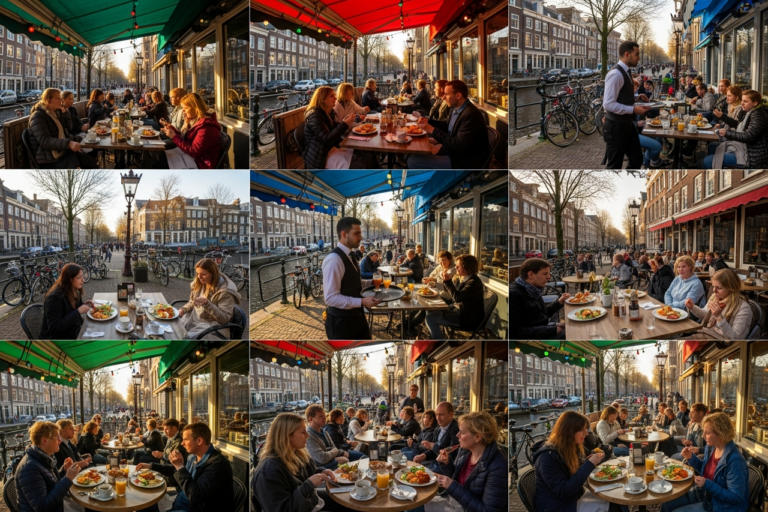
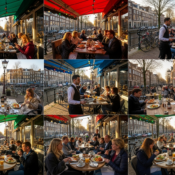
Key Highlights

  • Peruvian meal times are often later than what you might find in other countries, especially for lunch and dinner.

  • Lunch, or almuerzo, is the most important meal of the day in Peru. It is usually served between 2:00 PM and 3:30 PM.

  • Breakfast is a light meal for most people, but weekend breakfasts in cities like Lima get bigger.

  • Dinner, or cena, is a smaller meal. It is eaten late in the night, around 9:00 PM or sometimes even later.

  • This way of eating, with a big meal in the middle of the day, is a central part of Peruvian culture.

  • Meal habits and the kinds of Peruvian food can change a lot between the coast, the Andes, and the Amazon.

Introduction

Are you going to Peru and want to get to know the local culture? One easy way is to learn about daily routines in Peru, like when people eat. Meal times in Peru can be different from what you know. If you understand peruvian food and its schedule, your trip will be better. This guide tells you about the usual meal times in Peru, from breakfast all the way to dinner. You will learn a lot about peruvian traditions, and get more from your visit.

Overview of Peruvian Meal Times and Customs

If you visit Peru, one thing you will notice is meal times are later in the day. People usually have lunch and dinner a few hours after the time you may eat back home. This way of eating is an important part of daily life in Peru.

You will see that many restaurants stay empty during the hours you would think are normal for dinner. People in Peru do not like to hurry meals. They take their time. Getting used to this different way of eating is a good way to see what real Peruvian life is like. Now, let’s look at how a normal meal schedule happens in Peru.

How Many Meals Do People in Peru Eat Per Day?

A usual day of eating in Peru starts with a small breakfast. It is just enough for the morning. People in Peru do not think breakfast is the most important meal of the day. Instead, lunch is the important meal of the day in Peru, and people put a lot of value on it.

Lunch is the big meal of the day. People like to sit with friends or family and enjoy this time. They often take their time to eat. For many people in Peru, lunch is truly the main event. After this big meal in the middle of the day, the meal in the evening is a small meal.

Dinner in Peru is served late. Sometimes, people eat as late as 10:00 PM. This last meal is light, and that makes sure it is not too much before going to bed. The pattern of eating in Peru is a light breakfast, a heavy lunch, and then a small meal for dinner. This is something many people do every day. It gives people a break in the afternoon and helps them have a calm night.

How Meal Schedules Differ from Other Countries

The difference in eating schedules between Peru and other countries, like Canada, is quite noticeable. While someone in North America might have a quick lunch around noon, Peruvians pause for a substantial almuerzo much later in the afternoon. This main meal is a significant cultural event, unlike the often-rushed midday break elsewhere.

This contrast extends into the evening. A 6:00 PM dinner is standard in many households, but in Peru, that is far too early. Most Peruvians sit down for their evening meal around 9:00 PM or even later. You will notice that Peruvian restaurants get busy much later than you might expect.

This way of eating is a core part of the culture in Peru. Here is a simple comparison of typical meal times:

Meal

Typical Time in North America

Typical Time in Peru

Breakfast

7:00 AM – 9:00 AM

7:00 AM – 9:00 AM

Lunch

12:00 PM – 1:00 PM

2:00 PM – 3:30 PM

Dinner

6:00 PM – 7:00 PM

8:00 PM – 10:00 PM

Breakfast in Peru (Desayuno): Timing & Traditions

Morning meals, or desayuno, in Peru show you the wide range of Peruvian food. People keep breakfast simple during the week. On weekends, it can be bigger and more special. In Lima, families often come together to eat a meal that feels a lot like an early lunch, not just a quick breakfast.

When you walk on the streets in the morning, you will find many street vendors. They have juices made from exotic fruits and good sandwiches. These street foods let you try real Peruvian food in a fast and tasty way. Now, let’s look at some foods you may find in the morning in Peru.

Typical Foods and Drinks for a Traditional Peruvian Breakfast

While some people in Peru start their morning with bread and coffee, many like to have special peruvian food for breakfast. Avocado is a big favorite. Some people like to mash it and put it on bread. Many also like fried or scrambled eggs. This gives them a good and fast way to get protein early in the day.

On weekends, breakfast can get a lot more exciting. Many people in Peru want real food at this time, not just something small. So you find the table full of peruvian food that is rich and tasty. These meals also show the best parts of local peruvian cooking. They bring out the taste of ingredients from Peru.

Some favorite peruvian breakfast foods are:

  • Pan con chicharrón: This is a sandwich with fried pork.

  • Butifarra: This is a popular sandwich with a special ham called jamon del pais. It is covered with salsa criolla.

  • Tamales: Steamed corn dough with meat or cheese inside. The tamales are wrapped in a banana leaf.

  • Some people also eat leftovers from their dinner last night. This is often served with bread.

Morning Routines: Urban vs. Rural Approaches to Breakfast

Breakfast in Lima is full of choices. The city shows both old coastal ways and new styles. You can have classic butifarra sandwiches in old cafes. You also can find places where people serve quinoa bowls and fresh fruit. All these options tell us Lima is a fast-moving and lively city.

When you go to the Andes, breakfast is very different. People here eat filling foods. This helps them have more energy for the day at high altitudes. You will see soups and stews made from things like potatoes and grains. The main idea here is good food that keeps you going, while staying close to tradition.

In the Amazon, breakfast has its own style. People eat lots of jungle fruits in the morning. You can drink these fruits as fresh juice, or eat them whole. Yuca, also known as cassava, is used often and is a local food. It is cooked in simple ways that show off what the Amazon has to offer.

Lunch in Peru (Almuerzo): The Main Meal of the Day

In Peru, lunch is known as almuerzo, and it is seen as the important meal of the day. For many, it is more than just a meal at midday. Lunch is the anchor of the day. Some businesses will stop work for a while in the afternoon, so people have time to go home or visit a restaurant and have a good sit-down meal.

The almuerzo is very special in Peruvian culture. It is a tradition where families, friends, and people you work with come together over good food. Many will share dishes with fresh salsa criolla on top. People do not rush this meal. Lunch becomes slow and full of talking, making it the most important meal of the day for most. This tradition shows how this meal brings people together. Now, let’s look more at the time and common foods of this meal.

What Time is Lunch Served and Why Is It Important?

In Peru, people usually have lunch later than in many other places. It starts around 2:00 PM and goes on until 3:30 PM or sometimes even longer. Lunch is the biggest meal of the day for most people, so it is an important meal of the day.

At this time, Peruvian restaurants are full of people. They give big “menú” specials, which give you a full meal for a good price. Even when people are at work, lunch in Peru is never just a quick bite.

On weekends or during special occasions, lunch can last for hours. It sometimes starts with piqueos, which are small plates that people share. After that, the main food comes out. This way of eating lunch is part of Peruvian culture. People in Peru love food and like spending time together.

Common Lunch Dishes and Regional Variations

Peruvian lunch menus are known for big taste and famous dishes that people all over the country enjoy. Every meal usually comes with a glass of chicha morada, which is a sweet drink made from purple corn, or a cold Inca Kola. Rice is a big part of peruvian food and you get it with most things you order.

The peruvian food you eat will change a lot based on where you are in the country. If you are close to the coast, you get lots of fresh seafood. If you go into the mountains, you will find a lot of warm stews that are great for cold days. In the amazon jungle, there are different kinds of food because there are so many special things that grow there. All these different choices make eating peruvian meals a good and fun way to try new things from each place.

Check out some of the main lunch meals loved in Peru that use bold spices and special ingredients from the coast, mountains, and amazon:

  • Ceviche: This is raw fish that is mixed with lime juice, onions, and chili. People make this a lot near the ocean.

  • Lomo Saltado: This is beef mixed in a pan with onions, tomatoes, and french fries. You can see it has chinese food roots.

  • Arroz con Pollo: This is chicken and rice cooked with cilantro and other spices. It has a strong flavor people like.

  • Aji de Gallina: Shredd

Dinner in Peru (Cena): Evening Eating Habits

As evening comes in Peru, people start to think about cena, which is dinner. Peruvians eat a big lunch, so their dinner is a small meal. It is also more relaxed. Dinner often happens late, usually from 8:00 PM to 10:00 PM. At this time, many people in other countries are done eating.

This small meal helps end the day in a calm way. It is not a big feast. It is just something easy you eat before bed. While some people go out for dinner, most Peruvian families like to eat together at home. This keeps old family traditions alive. Here is when dinner is served and how it changes.

When Do Peruvians Eat Dinner?

People in Peru often eat dinner late in the evening. Many Peruvians eat dinner around 9:00 PM. Most restaurants in Lima do not get busy until after 8:00 PM. If you are not from Peru, you may find this late dinner time strange at first. But the later meals are a big part of the Peruvian way of eating.

Lunch is the main meal for people there, so dinner portions are not big. For dinner, you can find simple food like bread with avocado or leftovers from lunch. This meal at night is often light and does not take a lot of time to make.

But things are different if you decide to go out for dinner. Some people like to have chicken a la brasa (a kind of rotisserie chicken). Others might go to a chifa place, where they eat Peruvian-Chinese food. These meals are bigger and fill you up more. People enjoy these larger meals with friends, and this often happens on weekend nights.

Changes in Dinner Timing: Weekends, Holidays, and Family Traditions

While people in Peru usually have late dinners during the week, things can change on weekends and special occasions. On a Friday night, having dinner with friends might start even later and could turn into a big event. It is not the same as a quiet meal at home during the week. What families do also has a big impact on when and how they eat together.

When it is a holiday, dinner can turn into a large feast with the whole family. These types of meals often have a lot of different foods and go on for a long time. For many in Peru, this is a good way to enjoy being with other people. It lets everyone share time together.

This shows how eating in Peru is very social.

  • Weekends: On Friday or Saturday night, dinner can be a big event. People go out with their friends to restaurants and have bigger meals.

  • Special Occasions: On birthdays, anniversaries, and national holidays, dinners are long and full of celebration.

  • Family Traditions: Some families like to do things their own way. They might have special rules for mealtime, especially on Sunday when everyone comes together to eat a big meal.

Conclusion

To sum up, knowing when people eat in Peru is important if you want to connect with the local culture. The breakfast is slow and relaxed, the lunch is big, and dinner has special customs as well. Each of these meals shows off the rich food traditions found in Peru. When you eat in this country, you can try many traditional dishes or pick up a few local eating habits. Paying attention to these meal times and ways will make your trip better. So, as you get ready for your trip to Peru, make sure to enjoy every meal and listen to the stories behind them. If you want to learn more about Peruvian food or need help with your plans, you can get a free consultation!

Frequently Asked Questions

Are meal times in Peru strict or flexible?

Meal times in Peru are easy-going. People talk about the “Peruvian hour,” so things often begin later than planned. Lunch is the main meal but can happen at different times. This is true on weekends or during special occasions. The way of eating in Peru is relaxed, and it changes from one place to another.

Does the timing of meals change between cities and rural areas?

Yes, meal times can be different in cities and country areas. In Lima, people often eat dinner late. In places where people farm and start work early, they have dinner earlier. The kind of Peruvian food people eat also depends on where they live and what they are used to.

Are there any unique cultural customs related to eating in Peru?

Peruvian mealtimes are very social and bring people together. They often focus on family and their old ways. It is common to share plates of Peruvian food called piqueos. This way, you can taste many types of food at one time. Many of these meals are topped with salsa criolla, which is a fresh mix made with onion. On special occasions, the meals get even bigger. It can turn into a fun, big event.

Key Highlights

  • Meal times in Chile are not the same as in the United States. In Chile, lunch is the main meal of the day.

  • People in Chile eat lunch between 1 p.m. and 2 p.m. It’s a big meal and lasts a long time.

  • Chileans have something called ‘once’ in the evening. This meal is more like a large snack and not a heavy dinner.

  • ‘Once’ is usually eaten between 7 p.m. and 10 p.m. It has things like bread, avocado, and jam.

  • If you go to Chile, you should know that the evening meal is later and lighter. You may have to get used to this way of eating.

Introduction

Have you ever gone to a new country and noticed the meal times are not the same as what you know? If you want to go to Chile, it is good to learn about their meal times. This will help you enjoy the food and the culture. In the United States, people often eat three meals a day. But in Chile, the meal times are a bit different. People there have a filling meal in the middle of the day. There is also a certain meal people have later in the evening that is special for Chile. Let’s talk about when people eat and what you get for each meal in Chile.

Overview of Chilean Meal Times

The daily eating schedule in Chile is not the same as what many people from the United States might be used to. In Chile, meal times follow European habits. The midday meal is the biggest one, and dinner in the evening is often small and light.

Many Chileans skip a heavy dinner. Instead, they have a lighter meal or snack at night. This way of eating shapes how people live and spend their days in Chile. If you know these differences, like when people eat lunch and the special meal called ‘once,’ you will get to know the local life much better. We will now talk more about regular meal times and why lunch means so much in Chile.

Daily Meal Schedule from Breakfast to Dinner

The flow of meals throughout a typical day for Chileans follows a unique pattern. Breakfast is usually light, followed by the most substantial meal of the day at lunchtime. This contrasts sharply with the dinner-centric culture of the United States.

As evening approaches, the concept of dinner as a large, formal meal is often replaced. Many Chileans opt for a lighter, more informal gathering known as ‘once,’ which functions as a late-afternoon tea and evening snack combined. A heavy, traditional dinner is not a daily standard for most people.

Here is a simple breakdown of typical meal times you can expect in Chile:

Meal

Typical Time

Description

Breakfast

7:00 AM – 9:00 AM

A light start, often coffee with toast.

Lunch

1:00 PM – 2:00 PM

The largest and most important meal of the day.

Once

7:00 PM – 10:00 PM

A unique evening meal, more like a snack than a full dinner.

Importance and Timing of Lunch in Chilean Culture

In Chile, lunch is not just a fast meal. It is the main event of the day. People eat lunch between 1 p.m. and 2 p.m. This meal is the biggest and most important one for the day. It stands out from the quick sandwiches or salads that many people in the United States have for lunch.

At this time of day, people in Chile take their time. Lunch is a calm and slow experience. There is a lot of talking with family or friends from work. It’s a chance to stop for a bit, talk to others, and enjoy your food. Because of this, lunch sets the rhythm for the whole day. It gives people in Chile their main energy to get through to the evening.

Lunch is a special part of daily life for Chileans. It shows that the pace of life can be slower and more relaxed. It is a good time to get away from work and stress for a while. This is very different from how lunch usually works for people in the United States and other Western countries, where it can feel rushed and short.

Unique Mealtimes and Eating Customs in Chile

Meal times in Chile are different from other places. They change how people live day to day. Lunch in Chile is late and big. This gives people a chance to take a break in the middle of the day and talk with others.

At night, the usual meal is not a full, large dinner. Many people enjoy ‘once’ instead. ‘Once’ is a tradition in Chile. It feels more like a snack than a real dinner. People eat bread with avocado during ‘once,’ and it helps everyone connect in the evenings.

Now, we will talk more about ‘once.’ We will also look at how the amount of food changes at each meal.

The Tradition of ‘Once’ and Its Role in Daily Life

One thing that stands out in the way Chileans eat is their meal called ‘once.’ People say it like “on-seh.” The word means “eleven,” but it is not about the time. It is the name for a meal that happens between 7 p.m. and 10 p.m. Instead of a big dinner, many people in Chile like to have ‘once.’

This meal is a mix of afternoon tea and a small supper. It is not a big main meal. It is the time when people relax and talk with family or friends. It is more like a snack you have at the end of the day.

At ‘once,’ you can find many different foods, like:

  • Fresh bread

  • Avocado, which people mash and put on toast

  • Jam and butter

  • Cold cuts and cheese

Portion Sizes and How They Relate to Each Meal

The size of food portions in Chile depends on the time of day and how important the meal is. You will see that the amount of food served is not the same at breakfast, lunch, and the snack in the evening.

Lunch is the biggest meal of the day in Chile. People usually get large portions. You can find more than one course, like a soup, a main dish with meat or fish, and something on the side. This big meal is meant to give people enough energy for the rest of the afternoon.

On the other hand, breakfast in Chile is small. The snack called ‘once’ in the evening is also made up of light items. Because lunch is so filling, people do not eat a large evening meal. This way of serving chile food helps people keep their energy steady during the day.

Dining Etiquette and Social Norms

When you eat in Chile, you will notice that the rules for the table are a big part of the meal times. People in Chile care a lot about how you act when you eat. This goes way past what you might see in other places. For example, in Chile, it is not good to eat with your hands. This is true even if you are eating foods you might pick up in other places, like pizza or fries.

Good table manners are very important for Chileans. The meal is not just about eating. It is a time to be with other people and to talk. You are expected to use your hands the right way when you use forks and knives. It also matters how you join in when people make a toast at the table. If you know these things before you go, you will feel better when you eat with people in Chile. Here are some main things people need to know before they sit down to eat in Chile.

Table Manners and Mealtime Traditions

Showing good table manners is important when you eat with Chileans. One big rule is to always use a knife and fork. In Chile, people use these for almost all foods. They even eat things like sandwiches or pizza with utensils.

Meals in Chile take time. People do not eat fast. You should wait for the host to say it is time to eat before you start. It is also polite to eat everything on your plate. At the end, do not get up to leave quickly. It is important to sit, talk, and enjoy being with others after you eat.

Here are a few key points to remember:

  • Keep your hands on top of the table, not in your lap.

  • Always use a knife and fork; do not touch food with your hands.

  • When a toast is made, raise your glass and say “salud.”

  • Do not rush the meal; enjoy talking with people.

If you want to fit in, follow these rules while eating with Chileans.

What Travelers Should Know Before Eating in Chile

If you travel to Chile, it helps to get used to the local meal times. Lunch is the main meal in Chile, and you will find that it is served later in the day, around 1 p.m. or 2 p.m. This is a good time to try big and tasty Chilean food.

In the evening, most restaurants are not full at 6 p.m. People in Chile have a small meal called ‘once’ late in the day, from 7 p.m. to 10 p.m. If you want a big dinner, you might need to look for a place in a tourist spot that follows a different schedule.

Getting used to how Chileans eat will help you enjoy your trip. Plan for a long break for lunch. Be sure to check out ‘once’ when night comes. If you like a quick bite, grabbing a hot empanada makes a great snack and is an easy way to get a taste of what the food is like in Chile.

Adaptation and Changes in Modern Chilean Meal Times

In Chile, people still value meal times, but city life is starting to change some habits. Many workers in big cities no longer take a slow, two-hour lunch. Now, they move at a faster pace, much like people in the United States.

Still, Chileans do their best to keep their old food traditions going. Eating lunch with family is important, and the warm evening meal called ‘once’ is part of what they love. In the next part, we will talk about how city living changes eating times and give visitors advice on what to do.

How Urbanization and Travel Have Affected Eating Schedules

The way people eat in Chile is changing because of things like city living and more global travel. In large cities like Santiago, work moves fast, and that can make it hard for people to enjoy a long lunch. Many Chileans now pick a quick, simple lunch so they can keep up with their busy day.

As people travel and watch media from other places, they bring back new ways to eat. In big city areas, you can find more places to eat, and they sometimes open earlier for dinner. This helps tourists and people who want new meal times find what they need.

But in the countryside, things have not changed as much. There, people still keep to old meal times. Having a big meal in the middle of the day and a smaller meal, called ‘once,’ later is still what most Chileans do.

These changes show how meal times in Chile and the way Chileans eat now depend on where you live. City life brings new ideas, but the old ways still stay strong outside the main cities.

Tips for Visitors on Adjusting to Local Meal Patterns

Adjusting to Chilean meal times can be a good part of your trip. You just need to change when you eat so you do it like the locals. Try to have your main meal in the early afternoon. That is when most restaurants are busy and serving their best food.

If you get hungry in between meals, you can do what the Chileans do and grab a snack. An empanada is a good, tasty choice to help you until your next meal. In the evening, you can go with the tradition of ‘once’ for a smaller meal. Or, if you like a big meal later in the day, find a place that serves dinner earlier in the evening.

To make the change feel easier, try these meal times tips:

  • Eat more food at lunch than you usually do.

  • Keep a small snack with you if you get hungry before the evening meal.

  • Look for ‘once’ deals at cafes in the evening.

  • Plan what you do each day around a later and longer lunch break.

Conclusion

To sum up, knowing meal times in Chile is important for locals and visitors. Meal times in Chile are special, and each meal is more than just food. People talk, share, and follow their old ways at the table. Breakfast can be big, and dinners happen late at night. These customs show what life is like in Chile and what is important for them. If you stick to local meal schedules, you will enjoy your food and feel closer to the people. Enjoy every bite, and feel the warmth of Chilean style and care.

Frequently Asked Questions

Is it common to skip dinner in Chile?

Yes, a lot of Chileans do not eat a big dinner, which many people think is the usual. They have a lighter meal at night called ‘once.’ This meal is more like a snack, but it has more food than a normal snack. People often need only this meal to end their day because lunch is often big in Chile.

When do Chileans typically eat lunch, and why is it important?

Chileans usually have lunch between 1 p.m. and 2 p.m. This meal is seen as the most important one of the day. It is much bigger and slower than what you might see in the United States. Lunch is also a time for the family to be together. People in Chile expect this meal to give them energy.

How can tourists make the most of meal times when visiting Chile?

If you want to make the most out of meal times in Chile, you should plan to have a big and slow lunch. In the evening, you can take part in the local habit of having ‘once’ at a café. This meal usually comes with bread, avocado, and tea. It is also a good idea to bring a small snack with you. This can help when you are getting used to the different meal schedule.

Key Highlights

  • In colombian culture, lunch is the big meal. It is the most important meal of the day. Lunch is served at meal times between noon and 2 PM.

  • In colombia, breakfast is a warm and filling meal. It often has traditional dishes like arepas or tamales.

  • Dinner is a lighter meal in colombian culture. People have it from 7 PM to 9 PM. It is more flexible than lunch.

  • Colombians enjoy a snack time called “onces” in the afternoon. This is the time to have a cup of coffee or some hot chocolate.

  • colombian meals are a way for people to come together. Family, friends and coworkers sit around and share good, flavorful food.

  • In colombia, the midday meal is the most important. This is not like the united states, where dinner is the big meal.

Introduction

Welcome to the exciting world of Colombian food! One of the best ways to know colombian culture is to try its meals. In Colombia, eating is more than getting food. Meal times are an important part of life. They are full of flavor, tradition, and being together with people.

To know colombian culture well, you have to learn about typical colombian meals. Colombians enjoy a good breakfast, and dinner is often light. By learning their meal times, you can go deeper into what colombia is all about. Now, let’s look at what makes eating in Colombia so special and tasty.

Understanding Traditional Meal Times in Colombia

In Colombian culture, people see meal times as a big part of their day. These meal times follow work and family schedules. There are three main meals, and lunch is the most important one. The lunch is the biggest and most substantial meal of the day. People like to have it slowly and enjoy it.

This meal plan shows how much the people value food and being together. From the first meal to the last, each meal has its own time, its own customs, and some special traditional Colombian dishes that make it stand out.

Typical Breakfast Hours and What to Expect

Colombians like to start the day with a warm breakfast. This meal is not rushed. They sit down and eat early, usually from 6 AM to 9 AM. This gives them the energy they need for the day. You will see that breakfast here is full of flavor, and each part of the country has its own way of making it.

Breakfast in Colombia is more than just a quick bite. The people make this meal with care and enjoy it at the table. It may not be the main meal of the day—that is lunch—but breakfast still matters to them.

A common breakfast main dish is an arepa that can come with cheese or eggs. They often drink fresh fruit juice or a hot drink with it. This is how Colombian meals start your day, giving you a taste for what comes next.

Lunchtime Customs, Timing, and Social Importance

Lunch, called “almuerzo,” is the most important meal in Colombia. People eat it between noon and 2 PM. This is the largest meal of the day. Many offices and stores close for one or two hours at midday so workers can sit down and eat. People often enjoy this meal with their family or coworkers. This midday break is a good time and is part of the social life in Colombia.

A usual almuerzo has three parts. It starts with hot soup. After that, there is a big plate of food. At the end, you get a small dessert or piece of fruit. This meal helps people keep their energy for the rest of the day.

Because this meal is so big for people in Colombia, many local places are full at lunchtime. They serve “corrientazo” or “almuerzo corriente.” This is a set lunch that does not cost a lot. These meals show the value colombian food has in life in Colombia and why the midday meal is so special.

When Colombians Have Dinner: Timings and Traditions

Dinner goes by names like “comida” or “cena.” It is lighter and not as strict as lunch. Colombians often eat dinner later, mostly between 7 PM and 9 PM. After a big midday meal, the food at night tends to be easier and not so big.

At this time, people like to sit down and relax with family. They take a break after the day. Dinner is different from lunch. Lunch might have many courses but dinner can be simple. People might have soup, a small lunch plate, or just an arepa with a hot drink. The point of dinner is to slow down. It is about talking and being with people more than eating a lot.

Since the main meal comes at midday, dinner is not so formal. Some families like to sit down together. Others just have a casual meal or meet up with friends for food. This way, dinner is a time that is easy and personal for Colombians.

Colombians enjoy this way of eating because it helps them feel good and stay close to each other. The evening meal, or “comida,” can be about whatever fits that day. They also like to have arepa at night, which makes their tradition even more special.

Foods Eaten at Each Main Colombian Meal

Colombian food shows the country’s different places and the people who live there. Every meal tells a story about the land and the people in it. The main dish may taste different if you are in the Andes or by the Caribbean coast. This is because each place uses its own ways and local foods.

Lunch is the main meal of the day for most people in Colombia. But both breakfast and dinner have their own well-loved foods. You can find main dish choices for every mealtime across the country. Let’s look at some traditional Colombian dishes you might find on your plate during the day.

Popular Breakfast Dishes Across the Country

A Colombian breakfast is meant to be tasty and good for you. Many people eat warm and filling dishes, either at home or in local bakeries. These meals often come with hot chocolate or fresh fruit juice. They help start the day in a good way.

People in different parts of Colombia enjoy different foods in the morning, but some breakfast choices are loved everywhere. They show off the country’s fresh foods and cooking styles. This makes breakfast in Colombia special for all who try it.

Here are a few popular choices:

  • Arepa: This is a cornmeal patty. You can grill, fry, or stuff it with cheese, eggs, or meat. People eat arepa in many ways.

  • Changua: This is a warm soup made with milk and eggs. Many people eat changua in the high places near Bogotá, where it is cold.

  • Tamal: This dish is made of corn dough with meat and vegetables inside. It is wrapped in plantain leaves and steamed until hot. Tamal is full of flavor.

With foods like these, and drinks such as hot chocolate and fresh fruit juice, breakfast in Colombia gives you energy and a taste of the country’s food tradition.

Iconic Lunch Plates and Regional Specialties

The almuerzo is where Colombian cuisine truly shines. This hearty meal is packed with flavor and showcases incredible regional diversity. From the mountains to the coast, each area has its own signature lunch plate, reflecting the local produce and cultural heritage. You’ll often find these dishes served with sides like rice, beans, and fried plantains.

While some dishes are known nationally, exploring regional specialties is a must for any food lover. For example, the food on the Caribbean coast is distinct from the dishes you’ll find in the Andean highlands. Many dishes also come with “ají,” a type of spicy salsa, to add an extra kick.

Here are some iconic lunch plates and where to find them:

Dish

Main Ingredients

Region

Bandeja Paisa

Red beans, rice, ground beef, chicharrón, fried egg, plantain, arepa, avocado

Antioquia (Paisa Region)

Ajiaco

Chicken, three types of potatoes, corn, guascas herb; served with cream, capers, and avocado

Bogotá & Andean Highlands

Fried Fish

Whole fried fish (like red snapper or mojarra), coconut rice, patacones (fried green plantains)

Caribbean Coast

Evening Meals: Common Dinners and Light Options

After eating a big lunch, dinner in Colombia tends to be much lighter. During the evening, people have “comida,” which is about eating simple foods that take little time to make. The goal is to relax at this time of day, and that shows in the small portions and easy meals you find on the table.

Many choose to eat at home. They often use what is left from lunch, or they have a quick snack. People love hot drinks with their dinner too. Hot chocolate or “agua de panela” (which is a hot drink made from sugarcane) is common. These warm drinks help you end the day feeling good.

Here are some light dinner choices you can find in Colombia:

  • Calentado: This favorite is put together with leftover rice and beans from lunch. Many people add an egg on top.

  • Arepas with Toppings: People take a simple arepa and top or fill it with cheese (queso), butter, or other easy foods.

  • A simple soup or a small bowl of stew.

  • Bread and cheese with a hot drink.

Snacks, Coffee Breaks, and Eating Between Meals

In Colombia, people really enjoy the time between meals. Snacking is a big part of the day in Colombian culture. It gives people a reason to stop, rest, and spend time with friends or family. Some people have a small treat in the morning. Some wait for a snack in the afternoon. In Colombia, there’s always a good reason to have a snack.

One of the best parts of the day is the afternoon “onces.” This is an important time in Colombia. At onces, many people enjoy a cup of coffee or drink agua de panela. They eat sweet or salty snacks from bakeries. These small meals are a big part of life for everyone in Colombia.

Onces: Colombia’s Beloved Afternoon Snack Time

“Onces” is a loved part of Colombian culture. People enjoy this light snack in the late afternoon, usually between 4 PM and 6 PM. The name comes from the Spanish word for eleven, “once.” This may be because monks used to have a snack in the morning, but now it is all about relaxing in the afternoon.

This time is good for taking a break from work or anything you do in the day. Many get together at this time with family, friends, or people they work with. A hot drink is always part of onces. You might get a cup of coffee, some hot chocolate, or a tinto, which is a small black coffee. This snack often comes with bread or something small and tasty on the side.

Onces is not only about the snack. It is a way to be with others, slow down, and talk for a while before dinner. This simple Colombian tradition is important because it lets people connect and feel good during a busy day.

Typical Snack Foods and Drinks Throughout the Day

Through the day, people in Colombia like to have many types of snacks and drinks. These snacks taste great and are a big part of life in the country. Many people go to bakeries to get something quick to eat. There are always lots of fresh breads and sweet treats to pick from. You will also find street sellers with many different snacks.

These snacks are good to have when you are hungry, but it’s not time for a meal yet. You can find both salty and sweet snacks. Colombians like to drink fresh fruit juice or a hot drink called agua de panela with their food. So, if you want something to eat fast or just want time to relax, you can always get a nice snack in Colombia.

Here are some snacks and drinks many people love:

  • Pandebono: This is a soft, cheesy bread made with cassava flour. It tastes great when it is still warm and is nice to eat with a hot drink.

  • Empanadas: These are snacks that are either fried or baked. They can have meat, potatoes, or cheese inside.

  • Fried Plantains (Platanitos): These are pieces of plantains cut very thin and fried. People eat them like they eat potato chips.

  • Fresh Fruit Juice: People like to drink these juices. They are made from berries, passion fruit, lulo, or other tropical fruit.

With so many snacks like plantains and drinks like fresh fruit juice or agua de panela

Cultural Differences and Modern Adaptations in Meal Times

While meal times are an important part of Colombian culture, things are changing with modern life. In big cities, people do not always get a long lunch break. Some families in Colombia now match their meal schedules to a busy routine.

Still, the main idea of eating together and enjoying food stays strong. The way times for meals differ from places like the United States shows what people value most each day. Let’s see how meal schedules are changing and what traditions are being kept.

Comparing Colombian and United States Meal Schedules

One of the biggest differences between Colombian and American culture is the timing and importance of meals. In the United States, dinner is often the main meal of the day, a time for families to gather after work and school. Lunch is typically a quicker, lighter meal eaten on the go.

In contrast, Colombian culture prioritizes lunch as the main meal of the day. This fundamental difference shapes the daily rhythm of life in each country. The Colombian schedule allows for a substantial break in the middle of the day, while the American schedule often saves the largest social meal for the evening.

Here’s a simple comparison of typical meal times:

Meal

Colombia

United States

Breakfast

6:00 AM – 9:00 AM (Hearty)

7:00 AM – 9:00 AM (Often light/quick)

Lunch

12:00 PM – 2:00 PM (Largest meal)

12:00 PM – 1:00 PM (Lighter meal)

Dinner

7:00 PM – 9:00 PM (Lighter meal)

6:00 PM – 8:00 PM (Main meal)

Weekend, Holiday, and Regional Variations in Colombia

Meal times in Colombia follow a common schedule, but these can change on weekends and holidays. On Saturdays and Sundays, colombian meals become more relaxed and social. Families and friends often get together for a long late breakfast. Sometimes, they have a big “asado” or barbecue that can go all afternoon.

Holidays bring their own traditions. People cook special colombian food during Christmas, Easter, and other big events. Meal times may move around when there is a celebration. These days are about sharing a lot of food and spending time with loved ones. Meals become the main event of the day.

Regional differences are important for meal times too. For example, on the caribbean coast, people might eat earlier or later to stay away from the hottest part of the day. Every part of the country brings its own style and customs to the national eating habits. This mix helps shape what colombian meals look like.

Conclusion

To sum up, knowing about meal times in Colombia helps you get a real taste of the country’s food culture. You can start with the lively breakfast that gives people energy for the day. Lunchtime means a lot here, and evening meals can be full of warmth and family time. Each meal shows something special about Colombian life. When people come together for food—even for things like onces—it shows how close the community is. It does not matter if you visit Colombia or you just want to know more about other places. Learning these meal customs lets you take in the wide and colorful food scene here. Try these meal times in Colombia and enjoy what’s on the table. Have fun as you find new tastes and foods across Colombia!

Frequently Asked Questions

How do tourists adjust to Colombian meal times?

Tourists, especially if you are used to American culture where the main meal of the day is dinner, can try to go for a big lunch instead, like Colombians do. A good, big midday meal gives you energy. Later in the day, you can get used to having a lighter dinner. If you want something at night, you can find cafes or restaurants that serve food at many times.

Are meal times flexible in modern Colombian families?

Yes, meal times are now more flexible for many Colombian families, especially those who live in cities. In the past, a big family lunch was a key part of Colombian culture. Now, with busy work and school schedules, some Colombians choose to have faster lunches. They may have bigger dinners instead. This shows how colombian culture is changing when it comes to meal times.

What unique customs or rituals take place during meals in Colombia?

A special thing in colombian culture is called “onces.” It is an afternoon snack where people come together. They usually share a cup of coffee and a pastry. Meals in colombia are very social, too. Families often say a prayer before eating. Sharing traditional colombian dishes is at the center of any get-together.

Key Highlights

  • Meal times in Argentina are much later than in the United States, and that can give people a culture shock.

  • Dinner is a late dinner. People usually start eating at 9:30 p.m. or even later, mostly on weekends.

  • Breakfast is a light meal with coffee and pastries. It is not like the big breakfasts you get in some other countries.

  • The “merienda” is an afternoon snack. It is an important part of the day and helps you get through the long wait between lunch and dinner.

  • Lunch is the main meal and happens around midday. After lunch, some people take a short rest called a siesta.

  • To get the most out of your time and try the cuisine in Argentina, it helps to know the Argentine eating schedule.

Introduction

Have you ever gone to a new country and felt out of place with how people do things each day? In Argentina, a lot of people have to get used to the daily life and eating schedule when they visit. One of the most surprising things is when people there eat their meals. The Argentine eating schedule is not like anywhere else. It can be a big culture shock at first, but it is a big part of their family time and social life. Get ready to change not only your watch, but also your hunger. Let’s find out more about when people eat, what meals are like, and why daily life in Argentina is so different.

Understanding the Argentine Meal Schedule

The Argentine eating schedule is not the same as what you see in the United States or Europe. People in Argentina like to eat their meals at different times during the day. There is a big focus on having a late dinner. This way of eating shapes much of daily life there. It affects work hours, when people meet, and how they spend time together.

If you want to fit in and feel part of the culture, you should try the special meal times. This routine is all about coming together, talking, and enjoying food slowly. Let’s look at what time each meal happens in Argentina and compare it to eating schedules in other places.

Typical Meal Times for Breakfast, Lunch, and Dinner

In Argentina, the day starts with a light breakfast, a substantial lunch, a crucial afternoon snack, and a very late dinner. This schedule reflects a different pace of life compared to the United States. Breakfast is usually a quick affair, meant to get your day started without being too heavy.

Lunch is the most important meal of the day, enjoyed in the early afternoon. It’s a time to refuel and often a more substantial meal than dinner. Dinner, on the other hand, is a social event that happens much later in the evening, often after 9 p.m. This late part of the day is for relaxing and connecting with others.

Meal

Typical Time in Argentina

Breakfast

7:00 a.m. – 10:00 a.m.

Lunch

1:00 p.m. – 3:00 p.m.

Merienda

4:00 p.m. – 6:00 p.m.

Dinner

9:00 p.m. – 12:00 a.m.

How Argentine Meal Times Differ from the US and Europe

If you come to Argentina from the United States or most places in Europe, you may notice a big culture shock when it comes to the eating schedule. In the United States, people sit down for dinner between 6 p.m. and 7 p.m. But if you walk into a restaurant in Buenos Aires at that time, you will likely be alone. Most Argentinians do not even think about dinner until around 9 p.m. The busiest time for a meal is close to 10 p.m.

This late dinner means the whole day is arranged in a different way. Some people in Europe, like in Spain, also eat late, but in Argentina, the time to eat is pushed back even more for many. There is a long wait between a big midday lunch and the late dinner, but people fill this space by having a merienda. This is an afternoon snack and it is a real part of life for Argentinians. There is not a similar meal in the normal eating schedule of the United States.

For travelers, the hardest thing to get used to is having a late dinner. You have to change the way you think about time and plan your day in a new way. Still, getting used to this way of eating lets you have a true Argentine experience.

Breakfast in Argentina (El Desayuno)

Unlike a big breakfast in the United States, the Argentine breakfast is much smaller and lighter. People in Argentina call it “el desayuno.” This meal is usually sweet, simple, and comes with coffee and pastries. The Argentine breakfast is not seen as the most important meal of the day. It is more about having a quick snack to help you start your day.

In Argentina, the breakfast is mostly about getting some caffeine and a sweet bite to eat, so you can make it to lunch. You will not see eggs or bacon as part of a normal Argentine breakfast. Instead, it is more of an easy way to wake up, not a big and heavy meal.

Popular Argentine Breakfast Foods

The star in Argentinian breakfast foods is often dulce de leche. It’s a sweet spread made with milk and sugar that tastes a lot like caramel. People in Argentina love it, and you have to try it at least once. They like to put it on toast or enjoy it with sweet pastries. The Argentinian breakfast is meant to be a light and sweet way to start the day.

Instead of picking savory food, they use simple and good local ingredients. Most of the time, you will get toast (tostadas) with jam, cheese, or dulce de leche that everyone loves. For drinks, most people have coffee, usually called café con leche.

These are some of the usual breakfast items you might see:

  • Medialunas: Small, sweet, crescent ­pastries. They look like croissants but are sweeter.

  • Tostadas con dulce de leche o mermelada: Toast that comes with caramel spread or fruit jam.

  • Facturas: The name for different kinds of sweet pastries.

  • Yogurt con cereales: Yogurt mixed with cereal is a common choice for those who want something healthier.

  • Freshly squeezed orange juice.

This breakfast shows that local ingredients and a simple mix of things like toast with jam or yogurt can make for a good and sweet morning. Don’t forget to add dulce de leche and maybe some orange juice for that classic touch.

Breakfast Traditions and Customs

One of the most special morning customs in Argentina is drinking yerba mate. This is a drink that has caffeine, and it is part of a social ritual. People usually drink it from a hollow gourd using a metal straw. They share it with friends, with family, or with people they work with. While yerba mate is not just for breakfast, many Argentinians like to have it at the start of their day.

Many people in Buenos Aires stop at a cafe for breakfast. This city is known for its old and popular cafes. People often get their coffee and a sweet pastry like a medialuna before going to work. It gives them a bit of time to slow down and take in the feeling of the city before the busy day starts.

If you stay with a host family, you will likely see how these breakfast customs work. You may get a simple meal of toast and pastries, or you may be invited to sit down and try yerba mate with everyone. It is the way people in Argentina show kindness and bring others into their group.

Lunch and the Siesta Culture

Lunch in Argentina is often the biggest meal of the day. People usually eat around midday. This is the time that most people take to step away from work or daily life. In big places like Buenos Aires, the old idea of having a long lunch and a siesta, or nap, is not as common now. But in Argentina, many still enjoy a big and slow midday meal.

This meal gives people most of the energy they need since dinner comes so late in the day. It does not matter if it is a simple empanada or a big meal at a table. Lunch is an important part of how people in the whole country spend their day.

Common Lunch Dishes and Eating Hours

Lunch in Argentina is usually between 1 p.m. and 3 p.m. The midday meal can be a fast, tasty snack or it can be a bigger meal with more dishes. In cities, workers tend to get something quick to eat. People in smaller towns or on the weekend often have a long and slow lunch. The food at midday is filling and helps get you through the afternoon.

The cuisine in Argentina is shaped a lot by Italian and Spanish ideas. People eat a lot of fresh pasta, pizzas, and many types of grilled meats. There are thick stews like locro too, which people like to have when it is cold or in places like San Carlos de Bariloche.

Here are a few lunch foods you may find:

  • Empanadas: These are baked or fried snacks filled with beef, chicken, cheese, ham, or other vegetables.

  • Milanesa: This is a thin slice of beef or chicken that is breaded and fried. People often eat it with fries or a salad.

  • Parrilla: This is all about grilled meats, such as steak and sausage. They are a main part of Argentine cuisine.

  • Pasta dishes with fresh noodles.

Influence of Work and School Schedules on Lunch in Argentina

Work and school hours shape the lunch eating schedule in Argentina. In big cities, the usual long lunch break is not as common now. Modern jobs ask for more time, so many office people have a shorter break. They often grab a fast lunch with a coworker close to where they work.

In smaller towns and rural places, that midday break as part of the day is still important. Businesses can shut down for a few hours, so people get to go home for lunch with their family. This break is special. It gives people time to rest and enjoy each other’s company before heading back to work.

School schedules in Argentina also fit with the midday meal. Kids go home for lunch, which helps keep lunch as a family event. The school day is planned so lunch happens in the middle, making it a key part of the eating schedule and a daily routine for families in Argentina.

Dinner and Evening Eating Habits

Dinner in Argentina happens late. In Buenos Aires, restaurants don’t get busy until after 9 p.m. Families may sit down to eat at 10 p.m. or later, mostly on weekends. This late dinner is not just about food. It is a social time to relax and be with family and friends.

After dinner, people in Buenos Aires often go out. Life in the city is still lively. Many like to head to one of the ice cream shops, called heladerías. Ice cream comes from Italy, and it is loved by everyone in Argentina. These ice cream shops stay open past midnight.

Why Argentinians Eat Dinner Late

So, why do people have late dinner? The main reason is how daily life is set up in Argentina. The workday there often goes into the evening. Many people do not get home until 7 or 8 p.m. So, there is not much time for an early meal. This is a big culture shock for folks visiting.

The afternoon merienda is also an important part of the day. It is a snack eaten at about 5 or 6 p.m. This snack helps keep people from being hungry before late dinner. It fills the long time between midday lunch and the last meal. That way, having dinner at 10 p.m. feels normal.

Late dinner is just part of daily life in Argentina. People set aside this part of the day for family, friends, and time to relax. They eat late to enjoy the evening with no rush from work or other stress.

Local Foods and Social Traditions During Dinner

Dinner in Argentina is all about enjoying food and being with other people. It shows off the rich food traditions of the place. Even though dinner in Argentina is sometimes not as heavy as lunch, it’s still a big deal. At this time, families and friends get together, talk, and eat good meals with wine. If you ever get an offer to join your host family for dinner, you should know that it is a special thing.

The food there is full of grilled meats. That is a big part of Argentina and how people eat. But you will also see a lot of Italian food. People enjoy both pasta and pizza at dinner time. When the main dish is finished, dessert is not forgotten. Ice cream is loved by people all over the country.

Here are some popular dinner choices:

  • Asado: This is the well-known Argentine BBQ. People get together to enjoy it and it’s always a fun event.

  • Pasta dishes: People love to make pasta at home, and it is a common dinner meal.

  • Pizza: The pizza in Argentina often has a thick base and lots of cheese on top.

  • Empanadas: These are tasty pastries. They can be eaten as a light meal too.

  • Picada: This is a plate of cold meats, cheese, and olives. People often eat this before the main dish.

The Role of Merienda (Afternoon Snack)

The merienda is an afternoon snack that is a big part of everyday life in Argentina. People eat it after lunch and before the late dinner. It is not just a quick snack. It is a tradition in the country.

Most people have merienda between 4 p.m. and 6 p.m. This snack is important. Without it, waiting until a late dinner at 10 p.m. would feel too long.

Merienda gives a good push of energy. It is also a nice time to sit with friends or family. People talk, drink coffee, and eat snacks. This snack brings people together and helps them get to late dinner in Argentina.

Typical Time and Foods for Merienda

In Argentina, people usually have merienda between 5 and 7 PM. It is a special time to take a break during the day. Many enjoy different snacks like alfajores, pastries, or sweet bread, and have them with yerba mate or orange juice. In both small towns and busy Buenos Aires, you will see others enjoying ice cream and empanadas too. Having these foods with coworkers or family makes this moment even better. Merienda is a big part of life in Argentina.

Cultural Significance of the Afternoon Snack

The merienda is more than just a snack. It is a big part of the day and means a lot in Argentine life. This tradition gives people a set time to stop and relax. It is a chance to connect with others. Kids have their merienda after school. Grown-ups take this break at work. For many, it is a social routine.

This afternoon pause helps families and friends stay close. Having merienda with a host family lets you feel the warmth of Argentine hospitality. These everyday moments are the best way to see how local people live. The merienda is an important piece in the eating schedule here. At first, it may feel like a culture shock. But it makes sense once you know the customs.

For Argentinians, the merienda is not just a choice. It is a must–a part of the rhythm of each day. It gives energy and good company. This break makes the wait until dinner easier and more fun.

Adapting to Argentine Meal Times as a Visitor

If you travel in Argentina, the meal times can feel very different at first. It is one of the best ways to dive into daily life and see how people really live. You might get a bit of a culture shock when you sit down to eat later than you are used to, but you will enjoy your visit more if you adjust. It might help to not fight the late dinners. Just try to get used to them and join in.

Changing how you plan your meals helps you get in step with the flow of daily life in the country. When you go out for food or stay with a host family, eating at local meal times lets you have honest and warm moments that teach you about Argentina. This helps you see how people spend their days and just live.

Tips for Travelers Adjusting to Local Schedules

Getting used to the Argentine eating schedule can take some time, but the right tips can help. The most important thing is to go with the local meal times, not fight them. If you set your day by these later meal times, you will keep away from feeling hungry or upset.

One great way to adjust is to enjoy the merienda. This snack in the afternoon helps you get from lunch to the late dinner. Don’t miss it! It’s tasty and also very helpful when you get hungry. A pastry and coffee around 5 p.m. can keep you strong.

Here are some tips for adapting:

  • Have a big lunch. This is the main meal of the day in Argentina.

  • Enjoy the merienda. Late lunch and a snack at 5 p.m. is a good mix to handle the late dinner.

  • If you don’t want to wait until a late dinner, find restaurants for tourists which are open before 10 p.m.

  • Plan your evening since nights in Argentina start later than you may be used to.

  • If you stay with a host family, do what they do. It’s the best way to get to know the culture.

Biggest Culture Shocks Related to Meal Times

For many people, especially people from the United States, the biggest culture shock in Argentina is when people eat dinner. People in Argentina have the evening meal much later—like at 10 or 11 at night. This is very different for anyone who is used to having dinner at 6 or 7. If you walk into a restaurant at 8 p.m. and find it empty, it can feel pretty strange.

Another thing that stands out in daily life is how light argentine breakfast is. If you are used to a big, filling meal in the morning, you will find argentina starts the day with just coffee and a pastry. You have to change your thinking and see breakfast as a quick start instead of a big meal.

The merienda is important too and might come as a surprise. In many places, a snack in the afternoon does not get much notice, or it’s just something for kids. In argentina, the merienda is planned and seen as a big part of each day for adults and not just children. People need this late-afternoon snack to help them manage with their late dinner time.

Conclusion

If you understand the meal schedule in Argentina, you will get more from your trip. It helps you see daily life and enjoy the country’s fun and lively culture. People in Argentina love to eat together, from long breakfasts to family dinners that start late at night. Eating is not just about food—it is a way to be with people and keep old traditions alive.

If you try things like the afternoon merienda, you will enjoy Argentina’s cuisine more. These local habits show what eating in Argentina is all about. This is true if you are living there for a while or are just wondering what daily life looks like.

The meal schedule can help you enjoy every part of your day and every meal. As you plan your next trip or meal, think about the time you spend at the table, not just what is on the plate. Enjoy your food and these special moments with people you care about. Happy eating!

Frequently Asked Questions

Are there unique customs for meal times in Argentina?

Yes, Argentina is known for some special customs. People often share yerba mate in the morning, and this is a social habit. In the afternoon, many enjoy the merienda, which is a set time for snacks. Dinner in Argentina is late and social. It usually starts after 9 p.m. and is a time to be with family and friends instead of eating early.

How does the daily eating routine compare to other countries?

Argentina’s eating schedule is very different from the united states and Northern Europe. Breakfast is light. Lunch is the biggest meal of the day. The late dinner, often after 9 p.m., is much later than the usual 6-7 p.m. dinner time found in many other Western countries.

What is the best way to experience Argentine meal culture as a tourist?

The best way for any traveler to really enjoy food in Argentina is to follow the eating times they use there. Have a big lunch, grab a merienda in the afternoon, and eat dinner later in the evening. It is a great way to try local food if you visit cafes, have an asado, or if you can, eat with a host family. You will get to learn a lot about their way of life this way.