
English (US) – Page 239

From Piñatas to Parades: Birthday Celebrations Around the World

Discover how people celebrate birthdays around the world, from Mexico’s piñatas to Korea’s doljabi rituals. Explore unique traditions to inspire your next party.

English (US)

Birthdays are celebrated everywhere, but how people celebrate around the world can be very different; with the rituals that mark the day varying wildly between different cultures. In some countries, kids take turns smashing a piñata. In others, friends might surprise you with a flag-covered table, or even a playful shower of cinnamon if you’ve hit a certain age. 

For immigrants and expats, birthdays can feel extra meaningful. They’re a chance to bring pieces of home into new surroundings, whether that means cooking a favorite dish, getting in touch with loved ones, or singing a song that’s been in your family for generations. 

At Remitly, we know how important these moments are. Even if you’re far from your nearest and dearest, celebrating traditions helps you stay connected while making new memories in your adopted home.

The universal appeal of birthdays

No matter where you’re from, birthdays are more than just cake and candles. They’re markers of growth, moments to pause, and opportunities to show gratitude for another year of life. They’re also a way for others to show you how much you mean to them.

Across cultures, three things are pretty much constant in birthday celebrations: food, music, and community. Maybe it’s noodles for a long life in the Philippines, a song written just for you in Denmark, or a big family feast in Ghana. For many immigrants living in the US, birthdays become a blend of both worlds, featuring heritage rituals alongside American traditions.

Birthday traditions around the world

Birthdays may look different across cultures, but they all carry a feeling of festivity and joy. Each tradition tells a story about how different communities celebrate life, family, and the passage of time. Let’s have a look at some of the most fun ones.

Mexico: piñatas, music, and cake smashing
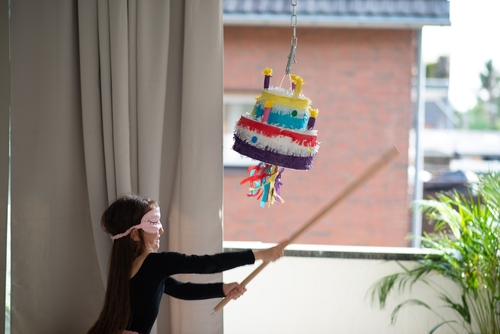
If you’ve ever been to a Mexican birthday party, you know the piñata is the star. Bright, colorful, and filled with candy, it’s a symbol of joy. Guests sing while kids take turns swinging at it, and the moment it bursts open is pure magic. 

Another must-have is “Las Mañanitas,” the traditional birthday song that’s sung with love, sometimes by an entire mariachi band. Then comes “La Mordida”, the cake moment. Just when the birthday person leans in for a bite, someone pushes their face right into the frosting. It’s messy, hilarious, and unforgettable. 

Mexican families in the US keep these traditions alive, often combining them with American-style cakes and decorations. 

Fun fact: The first piñatas were actually made of clay, not paper, and used during religious festivals before they became birthday staples.

Denmark: flags and personalized songs

In Denmark, birthdays are all about making the person feel like royalty. The national Danish flag isn’t just for official ceremonies; it’s proudly displayed on the front lawn, the table, and even on cakes. For Danes, walking into a flag-filled space immediately makes the day feel festive. 

Kids sometimes get a “birthday chair,” decorated with flowers and streamers so they feel extra special. Beyond childhood, Danish birthdays are cozy, filled with family, coffee, and lots of cake. 

Fun fact: If you’re still single at 25, your Danish friends might douse you in cinnamon. However, if you’re single at 30 then it’s pepper. 

Korea: doljanchi and the doljabi ritual
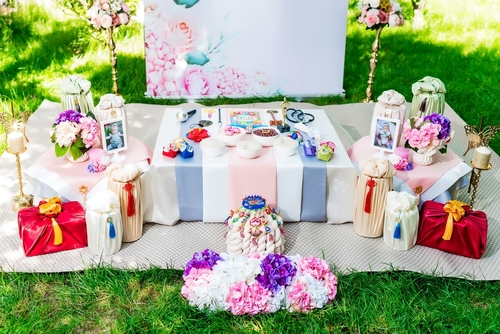
In Korea, the first birthday, doljanchi, is huge. Historically, making it to one year old was a big deal, so the tradition stuck. 

Families set up a doljanchi table with fruit, rice cakes, and colorful decorations, but the highlight is the doljabi ritual. Objects like money, thread, or a pencil are placed next to the baby and whichever one they grab is believed to predict their future.

Food also matters. Rice cakes (tteok) symbolize prosperity, while seaweed soup (miyeok-guk) represents health and honors mothers. Even in immigrant communities abroad, Korean families keep these traditions alive, often livestreaming the doljabi so relatives back home don’t miss out. 

Fun fact: Seaweed soup isn’t just a birthday dish—it’s traditionally eaten after childbirth, so serving it on birthdays is also a nod to the mom who made the day possible.

Ghana: food, music, and community
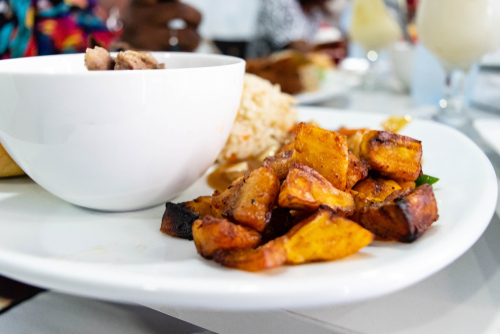
In Ghana, birthdays are less about “me” and more about “we.” Food plays a starring role, with dishes like hearty stews, rice, and kelewele—spiced fried plantains that are both sweet and savory. Parties often turn into communal feasts where extended family and neighbors gather to share in the joy.

Music and dance are essential, too. Drums set the rhythm as people sing, clap, and move together. It’s about celebrating life with energy and gratitude. For US-based Ghanaians, making kelewele or sharing traditional music at a birthday party is a way to carry a piece of home into new surroundings.

Fun fact: While birthday celebrations in Ghana have long existed in traditional forms, our globalized world means they’ve increasingly blended with more Western party customs like cakes, music, and dancing, particularly in urban areas.

The Philippines: noodles for longevity
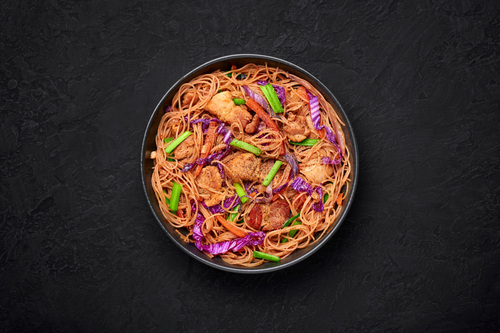
In the Philippines, birthdays are incomplete without pancit, a noodle dish that symbolizes long life. The rule is not to cut the noodles; they’re meant to stay long to represent many years ahead. Alongside pancit, it’s common to see lumpia (spring rolls) and plenty of cake, of course.

Celebrations are loud, warm, and community-driven. Karaoke often steals the spotlight, with everyone from kids to grandparents taking turns at the mic. For Filipinos living abroad, birthday karaoke nights keep the vibe alive and help everyone, from close family to new friends, feel included.

Fun fact: The Philippines has one of the highest numbers of karaoke machines per household, so singing your heart out at a birthday isn’t just encouraged, it’s expected.

India: blessings, temples, and new clothes

In India, birthdays often begin with a spiritual start. Families may head to a temple for blessings or light incense at home to give thanks. Children are usually dressed in new clothes as a symbol of a fresh start and good fortune for the year ahead.

Popular treats like gulab jamun, laddoos, or jalebi are shared with friends and neighbors. Many families also choose to donate food or money on important birthdays, turning the day into an act of gratitude as well as celebration. For Indian immigrants in the US, this mix of devotion, new clothes, and sweets is an easy way to stay rooted while embracing new traditions.

Fun fact: Some Indian families celebrate birthdays based on the lunar calendar, which means the date can shift year to year.

Nigeria: big gatherings and jollof rice
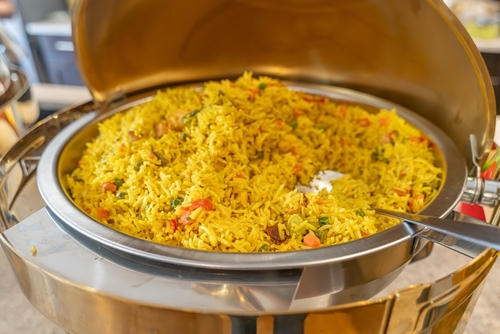
In Nigeria, birthdays are big, bold, and full of flavor. Large gatherings bring together extended family, friends, and neighbors, often with jollof rice, fried plantains, and grilled meats as the centerpiece. The meal is just the beginning, music and dancing often carry the party late into the night.

Milestone birthdays are especially important. A child’s first birthday, for example, can be celebrated almost like a wedding, with dozens (or even hundreds) of guests. For Nigerians abroad, cooking jollof rice and playing Afrobeat music at a US birthday party keeps the spirit of home alive.

Fun fact: Jollof rice isn’t just a birthday dish, it’s a staple at nearly every major celebration in West Africa, sparking friendly debates about which country makes it best.

United States: candles, wishes, and blended traditions
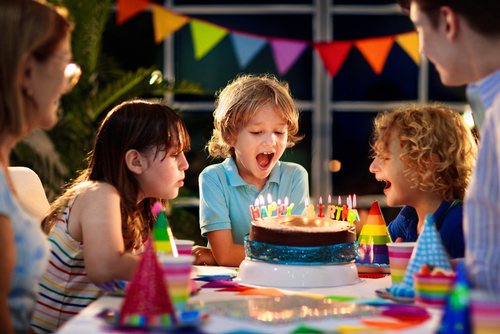
In the US, birthdays often mean blowing out candles, making a wish, and eating cake surrounded by balloons and streamers. The culture also emphasizes milestone birthdays, Sweet 16s, 18th, and 21st birthdays can feel like major rites of passage.

But what makes US birthdays especially fun is how flexible they are. Immigrant families often blend cultural traditions with American ones. A Mexican-American child might have both a piñata and a big frosted cake, while a Korean-American family could host a doljabi alongside a backyard barbecue. 

Fun fact: While blowing out candles is now common worldwide, the practice actually began in Germany centuries ago before spreading across cultures.

The unifying power of birthday celebrations

At first glance, birthday traditions can feel worlds apart. But when you look closer, they all point to the same truth: birthdays are about celebrating life together.

What birthdays reveal about cultural values

Every birthday ritual tells a story. The traditions we’ve highlighted give us a glimpse into what each culture holds dear, whether it’s prosperity, health, family, or joy.

Recognizing these values helps us see the similarities beneath the differences. Across borders, we all want to care for our loved ones, wish them well, and mark life’s milestones with meaning.

Why international traditions enrich life abroad

For immigrants, birthdays become more than personal milestones, they’re cultural touchpoints. Sharing traditional foods, songs, or games with friends in a new country not only keeps heritage alive but also invites others to experience it. 

Lighting candles on a cake alongside serving kelewele, or following up “Happy Birthday” with “Las Mañanitas,” blends traditions into something uniquely your own.

These layered celebrations are more than just fun. They build cultural bridges. They remind us that while traditions may look different, each one adds to a bigger picture of what it means to belong, to celebrate, and to connect across cultures.

Bringing global traditions into your own birthday

One of the best things about learning how birthdays are celebrated around the world is realizing you can borrow (or remix) those traditions for your own party. You don’t have to copy everything exactly, it’s about finding small touches that add meaning, personality, and fun.

Cook with cultural meaning

Food is one of the easiest and most impactful ways to bring global flair to your celebration. Even if you don’t have all the authentic ingredients, the gesture itself can spark conversations about tradition and even nostalgia among first-generation immigrants.

Decorate with symbols that tell a story

Instead of just streamers and balloons, try decorations with cultural meaning. Danish flags instantly make a room feel festive and show pride. A flower-covered birthday chair can turn even the simplest gathering into something memorable. Or add colors and designs from your heritage, it’s a subtle but powerful way of saying, “This is who I am.”

Make music part of the celebration

Music is one of the universal things that pops up in pretty much every culture’s birthday celebrations. From the Polish “Sto lat” to Sweden’s “Ja må du leva” and throughout the world, music doesn’t just entertain, it brings everyone into the moment and can be another powerful reminder of home for immigrants.

Playful rituals that everyone remembers and passes on

Traditions often stick with us because they’re interactive and connect us. These small rituals turn a party from ordinary into unforgettable.

Sharing why your family eats noodles, sings a certain song, or decorates in a particular way helps children understand where they come from. It’s a chance to celebrate not only another year of life, but also the culture and values that make your story unique.

How Do Sunday Traditions Incorporate Birthday Celebrations Around the World?

Sunday traditions often incorporate birthday celebrations, creating cherished memories. Across cultures, families gather for festive meals, playing games, and sharing stories. These events deepen connections and offer an opportunity to celebrate life. Such gatherings highlight the importance of sunday rituals for family bonding, making birthdays even more special.

FAQs

Why do cultural birthday traditions differ so much?

They grow out of each culture’s unique history, beliefs, and values, which shape how milestones are celebrated. What looks like a party game in one country may actually carry deep meaning in another.

How important is food in global birthday traditions?

Food is often at the heart of birthdays, symbolizing health, gratitude, or prosperity. Sharing a special meal also brings people together and makes the celebration memorable.

Do birthday traditions change with modernization?

Yes, many families now mix traditional customs with Western-style elements like cakes, balloons, or themed parties. This blending keeps traditions alive while making them adaptable to modern life.

How can I celebrate my birthday with global influences?

You could cook a dish that symbolizes good fortune, decorate with cultural symbols, or introduce a playful ritual. Small touches like karaoke or a piñata can instantly make a party feel more global and meaningful.


Planning a trip to Greece? Learning a few common Greek phrases is a great way to show respect for the local culture and connect with the people you meet. While many Greeks, especially in tourist areas, speak English, making an effort to use their language can make your interactions more memorable. This guide provides a list of essential Greek words and phrases to help you navigate your travels. From simple greetings to asking for directions, these expressions will help you feel more confident during your visit. We will cover basic greetings, dining-out phrases, and other useful expressions for your trip to Greece.

Basic Greek Greetings and Essentials

These are the foundational phrases you’ll use daily. Mastering them will make your first impressions warm and friendly.

Hello, Goodbye, and Good Day

  • Yassas (Yah-sas): This is the formal and most versatile greeting. It means “hello” and “goodbye.” Use it when addressing someone you don’t know, an older person, or a group of people.
  • Yassou (Yah-soo): This is the informal version of yassas. It’s best used with friends, family, and people younger than you. It also means both “hello” and “goodbye.”
  • Kalimera (Kah-lee-meh-ra): This means “good morning” and is used until noon.
  • Kalispera (Kah-lee-speh-ra): This means “good evening” and is typically used from late afternoon onward.
  • Kalinihta (Kah-lee-neekh-tah): Use this phrase to say “good night” when you are leaving for the evening or going to bed.

Polite Phrases

  • Parakalo (Pa-ra-ka-lo): This is a multi-purpose word. It means “please,” “you’re welcome,” and “I beg your pardon?” Its meaning changes based on the context and your tone of voice.
  • Efharisto (Ef-ha-ri-sto): This is how you say “thank you.” To be extra polite, you can say efharisto poli (Ef-ha-ri-sto po-lee), which means “thank you very much.”
  • Signomi (Seeg-no-mee): This means “excuse me” or “sorry.” Use it to get someone’s attention or apologize for bumping into them.
  • Ne (Neh): This simply means “yes.”
  • Ohi (O-hee): This means “no.”

Phrases for Dining and Shopping

Eating out is a central part of the Greek experience. These phrases will help you order food, ask for the bill, and navigate local markets.

At a Restaurant or Taverna

  • Ton katalogo, parakalo (Ton ka-ta-lo-go, pa-ra-ka-lo): “The menu, please.” This is the first phrase you’ll need when you sit down at a restaurant.
  • Tha ithela… (Tha ee-theh-la…): “I would like…” Follow this with the name of the dish you want to order.
  • Ena potiri krasi, parakalo (Ena po-tee-ree kra-see, pa-ra-ka-lo): “A glass of wine, please.” You can specify aspro (white) or kokkino (red).
  • Ton logariasmo, parakalo (Ton lo-ga-ria-smo, pa-ra-ka-lo): “The bill, please.” Use this when you are ready to pay.
  • Nostimo (No-sti-mo): “Delicious.” It’s a nice compliment to give to the chef or your server.

At the Market

  • Poso kani? (Po-so ka-nee): “How much is it?” This is essential for shopping at markets or in stores where prices aren’t clearly marked.
  • Thelo afto (Theh-lo af-to): “I want this.” You can say this while pointing to an item you wish to purchase.
  • Mia bira, parakalo (Mee-ah bee-ra, pa-ra-ka-lo): “A beer, please.”
  • Ena nero, parakalo (Ena neh-ro, pa-ra-ka-lo): “A water, please.”

Navigating and Asking for Help

Getting around a new country can be challenging. These phrases can help you ask for directions and find what you’re looking for.

Asking for Directions

  • Pou ine…? (Poo ee-neh): “Where is…?” You can use this to ask for the location of anything, from the bathroom to the Acropolis. For example, Pou ine i Acropoli? means “Where is the Acropolis?”
  • Pou ine i tualeta? (Poo ee-neh ee tua-le-ta?): “Where is the bathroom?” This is a very practical phrase to know.
  • Daxia (Daek-see-a): “Right.”
  • Aristera (A-ree-steh-ra): “Left.”
  • Efthia (Ef-thee-a): “Straight ahead.”

Understanding and Communication

  • Den katalaveno (Then ka-ta-la-veh-no): “I don’t understand.” This is useful when someone is speaking Greek too quickly.
  • Milate Anglika? (Mee-la-teh Ang-lee-ka?): “Do you speak English?” Most people in tourist areas do, but it’s polite to ask first.
  • Voithia! (Vo-ee-thia): “Help!” This is an important word for emergency situations.

Putting It All Together

Combining these phrases will make your conversations smoother. For example, you could say: “Yassas, tha ithela ena kafe, parakalo.” (Hello, I would like a coffee, please.) Or after a delicious meal: “Efharisto, itan nostimo! Ton logariasmo, parakalo.” (Thank you, it was delicious! The bill, please.)

Taking the time to learn these basic expressions will not only make your trip easier but also richer. The people of Greece are known for their hospitality (filoxenia), and your effort to speak their language will be warmly appreciated.

Are There Untranslatable Greek Phrases That Travelers Should Know?

Traveling through Greece reveals fascinating cultural insights, especially through its rich language. Many travelers find themselves enchanted by untranslatable phrases from around world that capture complex emotions and experiences. Understanding these nuances not only enhances communication but also deepens the appreciation of the local culture and its diverse expressions.

Your Next Steps

Learning a few phrases is the first step toward a more immersive travel experience. Before your trip, practice them out loud. You can use language apps or watch videos to hear the correct pronunciation. Don’t worry about making mistakes; your effort is what counts.

Enjoy the beautiful sights, delicious food, and warm culture of Greece. Kalo taxidi! (Have a good trip!)

Frequently Asked Questions

Is Greek a difficult language to learn?

Greek can be challenging for English speakers because it has a different alphabet and grammar structure. However, learning basic phrases for travel is achievable and very rewarding.

Will people in Greece understand me if my pronunciation isn’t perfect?

Yes, most people will appreciate your effort and will likely understand what you’re trying to say from the context. Don’t be afraid to try.

What is the best way to practice these phrases?

Listen to native speakers pronounce them online through videos or language apps. Practice saying them aloud before your trip. Writing them down on a small card to carry with you can also be very helpful.

Democracy shapes the foundation of free societies worldwide. Each year on September 15, International Day of Democracy reminds us why democratic values matter and how we can strengthen them in our communities.

This global observance, established by the United Nations in 2007, creates space for reflection on democratic progress and challenges. Whether you participate in local elections, volunteer in your community, or simply stay informed about civic issues, understanding democracy’s role helps build stronger societies for everyone.

The day serves as both celebration and call to action. It highlights democratic achievements while addressing threats that undermine fair representation and citizen participation worldwide.

What Is International Day of Democracy?

International Day of Democracy began as a UN General Assembly resolution recognizing democracy as a universal value. The date commemorates the adoption of the Universal Declaration on Democracy by the Inter-Parliamentary Union in 1997.

Each year focuses on a specific theme that addresses current democratic challenges. Past themes have explored youth participation, media freedom, and democratic governance during global crises. These themes guide educational activities, policy discussions, and community events worldwide.

The observance brings together governments, civil society organizations, educational institutions, and citizens to examine how democratic principles apply to modern challenges.

Core Democratic Principles That Guide Free Societies

Strong democracies share fundamental characteristics that protect citizen rights and ensure fair governance.

Rule of Law and Equal Justice

Democratic systems operate under consistent legal frameworks that apply equally to all citizens. Courts function independently from political influence, ensuring fair trials and protecting individual rights. This foundation prevents arbitrary government action and builds public trust in institutions.

Free and Fair Elections

Citizens choose their representatives through transparent electoral processes. Independent election authorities oversee voting procedures, candidate registration, and vote counting. Multiple political parties compete freely, giving voters meaningful choices about their government’s direction.

Protection of Individual Rights

Constitutions and legal systems safeguard fundamental freedoms including speech, assembly, religion, and press. These protections allow citizens to express dissenting views, organize peacefully, and hold leaders accountable without fear of retaliation.

Separation of Powers

Executive, legislative, and judicial branches operate independently with defined roles and responsibilities. This structure prevents power concentration and creates checks and balances that limit government overreach.

How Democracy Impacts Daily Life

Democratic principles affect everyday experiences in ways that extend far beyond voting.

Public Services and Infrastructure

Elected officials make decisions about schools, healthcare systems, transportation networks, and emergency services. Democratic accountability means citizens can influence these choices through voting, public meetings, and advocacy efforts.

Economic Opportunities

Democratic institutions typically support market economies with legal protections for property rights, contracts, and business formation. These frameworks encourage entrepreneurship and foreign investment while providing social safety nets.

Access to Information

Free press and open government laws ensure citizens receive reliable information about public affairs. This transparency allows informed decision-making and helps detect corruption or mismanagement.

Community Participation

Local democratic structures enable neighborhood involvement in planning decisions, budget priorities, and policy development. Town halls, citizen committees, and public comment periods create direct channels for civic engagement.

Global State of Democracy: Progress and Challenges

Democracy faces both expansion and contraction across different regions worldwide.

Democratic Growth Areas

New democracies continue emerging, particularly in regions transitioning from authoritarian rule. Younger populations increasingly demand political participation and government accountability. Technology enables new forms of civic engagement and government transparency.

Current Threats to Democratic Systems

Misinformation campaigns undermine public trust in electoral processes and democratic institutions. Authoritarian leaders use legal mechanisms to restrict opposition activities and limit press freedom. Economic inequality can reduce meaningful political participation for disadvantaged communities.

Political polarization makes compromise and consensus-building more difficult. External interference in elections threatens national sovereignty and democratic legitimacy.

Strengthening Democratic Resilience

Successful democracies invest in civic education, independent media, and transparent government operations. Civil society organizations play crucial roles in monitoring elections, advocating for policy changes, and connecting citizens with democratic processes.

International cooperation helps newer democracies develop effective institutions while supporting established democracies facing internal challenges.

Ways to Participate in Democratic Life

Democratic participation extends beyond voting to include various forms of civic engagement.

Electoral Participation

Register to vote and research candidates’ positions on issues that matter to you. Volunteer for campaigns, donate to causes you support, or help register new voters in your community.

Local Government Engagement

Attend city council meetings, school board sessions, or county commissioner hearings. Contact elected representatives about specific issues. Join advisory committees or volunteer for municipal projects.

Civil Society Organizations

Support nonprofits working on causes you care about through volunteering, donations, or advocacy efforts. Join professional associations, community groups, or issue-based organizations that influence policy discussions.

Media and Information

Consume news from multiple reliable sources to develop informed opinions. Share accurate information with friends and family. Support quality journalism that holds leaders accountable.

Teaching Democracy to Future Generations

Young people need practical knowledge about democratic participation to become engaged citizens.

Civic Education in Schools

Quality civics programs explain how government works, why citizen participation matters, and how to engage effectively with democratic institutions. Students learn about rights and responsibilities while developing critical thinking skills.

Community-Based Learning

Youth councils, mock elections, and service learning projects provide hands-on experience with democratic processes. These activities build confidence and skills for lifelong civic engagement.

Family Discussions

Parents and guardians can model democratic values through family decision-making processes and discussions about current events. Age-appropriate conversations about fairness, respect, and community responsibility lay foundations for democratic participation.

Frequently Asked Questions

Why is September 15 chosen for International Day of Democracy?

September 15 marks the anniversary of the Universal Declaration on Democracy adoption by the Inter-Parliamentary Union in 1997. This declaration outlined fundamental democratic principles and values that guide the annual observance.

How can immigrants participate in democratic processes?

Non-citizens can engage through community organizations, public meetings, advocacy efforts, and volunteer work. Many local governments welcome immigrant participation in advisory committees and public forums even when voting rights are restricted.

What role does technology play in modern democracy?

Technology enables new forms of political participation through online organizing, digital voter registration, and transparent government data sharing. However, it also creates challenges through misinformation spread and privacy concerns that democratic societies must address.

How do economic conditions affect democratic stability?

Strong economies generally support democratic institutions by providing resources for education, infrastructure, and social services. Economic hardship can increase political instability and make citizens more susceptible to authoritarian appeals, highlighting the importance of inclusive economic policies.

What can individuals do if they feel disconnected from democratic processes?

Start with local issues where individual voices carry more weight. Join community organizations, attend town halls, or volunteer for causes you support. Building connections with neighbors and civic groups creates pathways for meaningful democratic participation.

How Does Promoting Democracy Contribute to a More Peaceful World?

Promoting democracy enhances social justice and human rights, fostering a sense of inclusion among diverse communities. By encouraging dialogue and cooperation, democratic practices can reduce conflicts and build trust between nations. Ultimately, this commitment to inclusivity and representation is essential for building global harmony, creating a more peaceful world for all.

Building Stronger Democratic Communities Together

International Day of Democracy reminds us that democratic societies require active participation from all citizens. Strong democracies don’t maintain themselves automatically—they need people who understand their value and work to protect and improve them.

Your voice matters in shaping the communities where you live and work. Whether through voting, volunteering, staying informed, or simply treating others with respect and dignity, you contribute to democratic values every day.

Take time this September 15 to consider how you can strengthen democracy in your own community. Start conversations with friends and family about civic issues. Learn about local candidates and ballot measures. Find ways to help others participate in democratic processes.

Democracy works best when everyone has a voice and an opportunity to contribute. Your participation helps ensure that democratic principles continue serving communities around the world for generations to come.

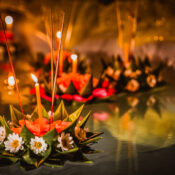
Thailand’s most enchanting festival returns in 2025, bringing millions together to celebrate gratitude, renewal, and hope. Loy Krathong transforms the country into a wonderland of floating lights and heartfelt wishes as people release beautiful handmade boats onto rivers, lakes, and canals.

Whether you’re planning to experience this magical celebration firsthand or sending money to loved ones in Thailand for the festivities, understanding Loy Krathong helps you connect with one of Southeast Asia’s most beloved traditions. This guide covers everything you need to know about the 2025 celebration, from dates and customs to the best places to join the festivities.

What Is Loy Krathong?

Loy Krathong is Thailand’s “Festival of Lights,” celebrated annually on the full moon night of the 12th lunar month. The name combines two Thai words: “loy” meaning “to float” and “krathong” referring to the decorative boat-like vessels that people create and release onto water.

This ancient festival serves multiple purposes. People use it to pay respect to the water goddess Phra Mae Khongkha, release negative emotions from the past year, and make wishes for the future. Many Thais believe that floating a krathong carries away bad luck and brings good fortune.

The tradition dates back over 800 years to the Sukhothai Kingdom. According to legend, a court lady named Noppamas created the first krathong to honor the Buddha’s footprint beside the Narmada River in India.

When Is Loy Krathong 2025?

Loy Krathong 2025 falls on Wednesday, November 12th. The celebration typically begins at sunset and continues late into the evening, with the peak floating time occurring around 8-10 PM when the full moon is brightest.

The exact date changes each year because it follows the traditional lunar calendar rather than the Western calendar. In Northern Thailand, the festival coincides with Yi Peng, creating an even more spectacular display with thousands of floating lanterns illuminating the night sky.

How to Make a Traditional Krathong

Creating your own krathong is an essential part of the Loy Krathong experience. Traditional krathongs use natural materials that won’t harm the environment when they dissolve in water.

Materials Needed

  • Banana leaves (for the base)
  • Banana tree trunk slice (foundation)
  • Incense sticks (usually 3)
  • Candle (1 small white candle)
  • Fresh flowers (marigolds, lotus, or roses)
  • Coins (for good luck)
  • Small personal item (hair, fingernail clipping, or photo)

Step-by-Step Instructions

Create the Base: Cut banana leaves into circular pieces and fold them into decorative patterns around the banana trunk slice. Secure with small wooden pins or toothpicks.

Add the Flowers: Arrange fresh flowers around the edge and center of your krathong. Marigolds and lotus flowers are traditional choices, but any beautiful blooms work well.

Place the Candle and Incense: Position the candle in the center of your krathong. Insert the three incense sticks around it, creating a triangle pattern.

Add Personal Touches: Include a small coin for good luck and something personal like a strand of hair or small photo to symbolize releasing the old year’s negativity.

Final Decoration: Ensure your krathong looks balanced and beautiful. The more care you put into creating it, the more meaningful your wishes become.

Best Places to Celebrate Loy Krathong 2025

Bangkok

Lumpini Park: The park’s lake provides a peaceful setting for floating krathongs, especially beautiful with the city skyline backdrop.

Chao Phraya River: Multiple piers along the river offer excellent access points. The area near Wat Arun provides particularly stunning views.

Benchasiri Park: Located in the Sukhumvit area, this park offers a more intimate celebration experience.

Chiang Mai

Chiang Mai combines Loy Krathong with Yi Peng, creating Thailand’s most spectacular festival celebration. The sight of thousands of paper lanterns rising into the night sky alongside floating krathongs is unforgettable.

Mae Ping River: The main celebration area with food stalls, cultural performances, and prime krathong floating spots.

Tha Phae Gate: The historic city center hosts parades, beauty contests, and traditional performances.

Sukhothai

As the birthplace of Loy Krathong, Sukhothai offers the most authentic celebration experience. The festival here maintains stronger connections to its historical roots.

Sukhothai Historical Park: Ancient temples and ruins create a mystical atmosphere for the celebration.

Ayutthaya

The ancient capital provides a historically rich setting for Loy Krathong celebrations, with temple ruins reflecting in the water alongside floating lights.

Cultural Significance and Traditions

Loy Krathong represents more than just a beautiful spectacle. The festival embodies several important Thai values and beliefs.

Gratitude to Water

Water plays a vital role in Thai agriculture and daily life. During Loy Krathong, people express gratitude to the water spirits for providing sustenance throughout the year.

Releasing Negativity

Many Thais include personal items in their krathongs, symbolizing the release of bad luck, negative thoughts, or difficult experiences from the past year. As the krathong floats away, these burdens drift away too.

Making Wishes

The flickering candle on each krathong carries hopes and dreams for the coming year. Popular wishes include good health, prosperity, love, and success in work or studies.

Strengthening Relationships

Couples often create and float krathongs together, believing this practice strengthens their bond. Families use the festival as an opportunity to teach children about Thai traditions and values.

Festival Activities Beyond Floating Krathongs

Beauty Pageants

Many communities hold “Nang Noppamas” beauty contests, named after the legendary court lady who created the first krathong. Contestants demonstrate traditional Thai dance, krathong-making skills, and knowledge of Thai culture.

Cultural Performances

Traditional Thai dance shows, classical music concerts, and dramatic performances take place throughout the festival period. These events showcase Thailand’s rich artistic heritage.

Food Festivals

Street food vendors and restaurants offer special Loy Krathong treats, including traditional sweets and regional specialties. The festival atmosphere makes dining outdoors particularly enjoyable.

Fireworks and Light Shows

Many locations organize spectacular fireworks displays and light shows that complement the floating candles and lanterns.

Environmental Considerations

Modern Loy Krathong celebrations increasingly emphasize environmental responsibility. Many communities now promote eco-friendly practices to protect Thailand’s waterways.

Sustainable Materials

Traditional banana leaf and flower krathongs naturally decompose, causing minimal environmental impact. Avoid krathongs made with plastic, styrofoam, or synthetic materials.

Bread-Based Krathongs

Some areas now encourage krathongs made from bread, which dissolve quickly and provide food for fish. This innovation maintains tradition while protecting aquatic ecosystems.

Clean-Up Efforts

Many communities organize volunteer clean-up activities the day after Loy Krathong to remove any remaining debris from waterways.

Supporting Loved Ones During Loy Krathong

If you have family or friends in Thailand celebrating Loy Krathong, sending money for festival preparations shows thoughtfulness and care. Many families spend extra money during this time on:

  • Materials for making elaborate krathongs
  • Special festival foods and treats
  • Traditional clothing for family photos
  • Transportation to prime celebration locations
  • Donations to temples and community events

Sending funds securely and quickly ensures your loved ones can fully participate in this meaningful celebration.

Photography Tips for Loy Krathong

Capturing the magic of Loy Krathong requires some planning and technique:

Equipment: Bring a tripod for stable night shots. Wide-angle lenses work well for crowd scenes, while telephoto lenses help capture intimate moments.

Timing: Arrive early to scout locations and set up equipment before crowds gather. The golden hour just before sunset provides beautiful lighting for preliminary shots.

Settings: Use manual mode with higher ISO settings (1600-3200) to capture the candlelight without flash. Long exposure shots can create beautiful light trails from floating krathongs.

Composition: Include reflections in water for more dynamic images. Capture both wide festival scenes and close-up details of individual krathongs.

How Does Loy Krathong Compare to Chuseok in Terms of Cultural Significance?

Loy Krathong and Chuseok highlight the importance of gratitude in different cultures. While Loy Krathong celebrates the water goddess through floating offerings, understanding korea’s chuseok festival emphasizes family reunions and ancestral reverence. Both festivals reflect deep-rooted traditions, uniting communities in a shared appreciation for nature and heritage.

Planning Your Visit to Thailand

If you’re traveling to Thailand specifically for Loy Krathong 2025, advance planning ensures the best experience.

Accommodation

Book hotels well in advance, especially in popular destinations like Chiang Mai and Bangkok. Festival dates see increased demand and higher prices.

Transportation

Domestic flights and train tickets sell out quickly around festival time. Book early and consider arriving a few days before November 12th to

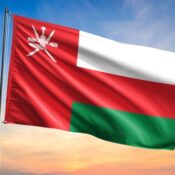
Oman National Day stands as one of the most significant celebrations in the Sultanate, marking the nation’s independence and honoring its rich heritage. Every November 18th, Omani citizens and residents come together to celebrate their country’s achievements, culture, and bright future.

Whether you’re planning to participate in the festivities or simply want to understand this important occasion, this guide provides everything you need to know about Oman National Day 2025. From the historical significance to modern celebrations, you’ll discover how this special day brings the entire nation together in unity and pride.

What is Oman National Day?

Oman National Day commemorates November 18, 1970, when Sultan Qaboos bin Said Al Said ascended to the throne and began transforming Oman into the modern nation it is today. This date represents a turning point in Omani history, marking the beginning of rapid development, modernization, and international recognition.

The celebration honors both the country’s independence and the leadership that guided Oman’s remarkable transformation. Under Sultan Qaboos’s reign, which lasted until 2020, Oman evolved from a relatively isolated nation into a prosperous, peaceful country known for its diplomatic neutrality and cultural preservation.

Today, under the leadership of Sultan Haitham bin Tarik Al Said, Oman National Day continues to celebrate the nation’s progress while looking toward future achievements and sustainable development.

Historical Significance of November 18th

The date November 18th holds deep meaning for all Omanis. When Sultan Qaboos came to power in 1970, Oman faced significant challenges including limited infrastructure, restricted international relations, and economic difficulties.

The new leadership immediately began implementing comprehensive reforms. These included building roads, hospitals, and schools, establishing diplomatic relations with other nations, and creating opportunities for Omani citizens to receive modern education and healthcare.

This transformation, known as the Omani Renaissance, fundamentally changed the country’s trajectory. Within decades, Oman became a stable, prosperous nation with a strong economy based on oil revenues, tourism, and strategic geographic positioning.

The historical importance of this day extends beyond political change. It represents the preservation of Omani culture and traditions while embracing modernity and progress.

How Omanis Celebrate National Day

Oman National Day celebrations showcase the country’s vibrant culture through various events and activities. The festivities typically begin several days before November 18th and continue through the official holiday period.

Official Ceremonies and Events

Government buildings, public spaces, and major landmarks display the Omani flag and decorative lighting. The celebrations include military parades, cultural performances, and official speeches highlighting the nation’s achievements and future goals.

Major cities like Muscat, Salalah, and Nizwa host special events featuring traditional Omani music, dance, and poetry. These performances celebrate the country’s artistic heritage while demonstrating the unity between different regions and communities.

Community Celebrations

Local communities organize neighborhood festivals, traditional markets, and cultural exhibitions. Families gather to share traditional Omani meals, exchange gifts, and participate in community activities.

Schools and universities hold special programs where students perform traditional dances, recite poetry, and display projects showcasing Omani history and culture. These educational activities help younger generations understand their heritage and national identity.

Traditional Activities

Many celebrations feature traditional Omani sports and games, including camel racing, horse racing, and traditional boat races along the coast. These activities connect modern celebrations with historical Omani customs and lifestyle.

Traditional Foods and Customs

Food plays a central role in Oman National Day celebrations. Families prepare special dishes that represent different regions of the country, creating a diverse culinary experience that brings people together.

Popular National Day Dishes

Shuwa remains the most iconic dish for special occasions. This traditional preparation involves marinating lamb or goat meat with spices, wrapping it in banana leaves, and cooking it in underground sand ovens for up to 48 hours.

Majboos (spiced rice with meat) appears on most celebration tables, often prepared with chicken, lamb, or fish depending on regional preferences. The dish combines aromatic spices with perfectly cooked rice, creating a flavorful centerpiece for family gatherings.

Omani halwa serves as the traditional sweet treat, made with sugar, starch, ghee, and various flavorings like rosewater or saffron. Families often prepare large quantities to share with neighbors and visitors.

Customs and Traditions

Gift-giving becomes common during National Day celebrations, with families exchanging traditional items like frankincense, dates, Omani coffee, and handcrafted goods. These gifts represent the country’s natural resources and cultural heritage.

Traditional dress becomes more prominent during celebrations, with many people wearing dishdashas (traditional robes) and kummah (traditional caps) to honor their cultural identity.

Events and Activities in 2025

Oman National Day 2025 promises exciting celebrations across the country, with both traditional and modern elements bringing communities together.

Muscat Celebrations

The capital city hosts the largest National Day festivities, featuring parades along the Corniche, fireworks displays over Muscat Bay, and cultural performances at major venues like the Royal Opera House Muscat.

The Muscat Festival grounds typically transform into a celebration hub with traditional craft exhibitions, food stalls, and entertainment suitable for all ages. Families can enjoy traditional games, cultural displays, and musical performances throughout the celebration period.

Regional Celebrations

Each governorate organizes unique celebrations reflecting local traditions and customs. Dhofar region showcases its frankincense heritage, while northern regions highlight their maritime history and mountain culture.

Tourist attractions like Nizwa Fort, Bahla Fort, and Sur’s traditional dhow yards often host special events, allowing visitors to experience Omani history firsthand while participating in National Day festivities.

Modern Celebrations

Shopping malls and entertainment centers organize special events, including cultural performances, traditional craft demonstrations, and special National Day sales and promotions.

Social media campaigns encourage citizens and residents to share their National Day experiences, creating a digital celebration that connects Omanis worldwide and showcases the country’s diversity to international audiences.

Planning Your National Day Experience

Participating in Oman National Day celebrations requires some advance planning to ensure you experience the best events and activities.

Transportation and Logistics

Public transportation becomes busier during National Day celebrations. Plan your travel routes in advance and allow extra time for popular destinations. Many celebration venues offer special shuttle services to accommodate increased visitor numbers.

Parking near major celebration sites fills up quickly. Consider using public transportation or arriving early to secure convenient parking spaces.

What to Wear

Traditional Omani dress is appropriate and welcomed at most celebrations. If you don’t own traditional clothing, modest, respectful attire in neutral colors works well for most events.

Comfortable walking shoes are essential, as many celebrations involve outdoor activities and walking between different venue areas.

Photography and Social Media

Most public celebrations welcome photography, but always ask permission before photographing individuals or families. Respect privacy and cultural sensitivities when taking and sharing photos.

Many venues provide special photo opportunities with traditional decorations, flags, and cultural displays perfect for sharing your National Day experience.

Supporting Local Businesses and Communities

Oman National Day provides an excellent opportunity to support local businesses and artisans who contribute to the country’s cultural heritage and economic development.

Traditional Crafts and Souvenirs

Local markets and craft centers showcase traditional Omani handicrafts, including silver jewelry, woven textiles, pottery, and woodwork. Purchasing these items supports local artisans while providing meaningful souvenirs of your National Day experience.

Frankincense products, traditional perfumes, and handmade soaps make excellent gifts that represent Oman’s natural heritage and traditional knowledge.

Local Restaurants and Food Vendors

Many restaurants offer special National Day menus featuring traditional Omani dishes. Supporting these establishments helps preserve culinary traditions while contributing to local economic development.

Street food vendors and traditional markets provide authentic taste experiences while supporting small business owners who maintain cultural food traditions.

How Does Oman National Day Celebrate the Values of Democracy in 2025?

Oman National Day in 2025 highlights the significance of democracy in 2025 by showcasing the nation’s commitment to inclusive governance and civic engagement. Festivities feature discussions on democratic values, encouraging citizens to participate actively in shaping their future. This celebration reinforces the belief that democracy is vital for national unity and progress.

Making Oman National Day 2025 Memorable

Oman National Day 2025 offers countless opportunities to connect with Omani culture, history, and community spirit. Whether you’re participating in large public celebrations or intimate family gatherings, this special day provides meaningful ways to appreciate the nation’s achievements and bright future.

Take time to learn about Omani history, engage with local traditions, and connect with the warm, welcoming spirit that defines this remarkable country. The celebrations offer perfect opportunities to create lasting memories while gaining deeper appreciation for Oman’s unique heritage and modern progress.

Plan ahead, embrace the festivities, and join millions of people celebrating this important milestone in Omani history.

September brings a wealth of celebrations that honor diverse cultures, achievements, and traditions across the globe. From commemorating independence movements to celebrating literacy and environmental awareness, this month offers meaningful opportunities to connect with communities worldwide.

Whether you’re planning to participate in local festivities, send money to family members celebrating abroad, or simply expand your cultural knowledge, understanding these significant dates can enrich your global perspective. Each celebration tells a unique story about national identity, shared values, and the human experience.

This comprehensive guide covers the most important national days and international observances happening throughout September 2025. You’ll discover the historical significance behind each celebration and learn how different communities mark these special occasions.

Independence and National Days

September marks several important independence celebrations that shaped modern nations and continue to influence global relationships today.

Brazil’s Independence Day – September 7

Brazil celebrates its independence from Portugal with parades, cultural performances, and family gatherings. The day commemorates Dom Pedro I’s declaration of independence in 1822 along the Ipiranga River. Major cities host military parades, while communities organize festivals featuring traditional music, dance, and Brazilian cuisine.

Many Brazilian families living abroad send money home during this time to help relatives participate in local celebrations or purchase traditional foods for their own community gatherings.

Mexico’s Independence Day – September 16

Mexico’s Grito de Dolores celebration begins on the evening of September 15 and continues through September 16. The holiday honors Father Miguel Hidalgo’s call for independence from Spanish rule in 1810. Cities and towns across Mexico reenact the famous cry for independence, followed by fireworks, traditional music, and authentic Mexican dishes.

Mexican communities worldwide organize festivals featuring mariachi music, folk dancing, and regional specialties like pozole and chiles en nogada.

Malaysia Day – September 16

Malaysia Day celebrates the formation of Malaysia in 1963 when Malaya, North Borneo, Sarawak, and Singapore united to create the Federation of Malaysia. The celebration emphasizes unity among Malaysia’s diverse ethnic communities through cultural performances, food festivals, and community service projects.

Chile’s Independence Day – September 18

Fiestas Patrias marks Chile’s independence celebration with traditional cueca dancing, empanadas, and chicha. The observance actually spans several days, with communities gathering for fondas (traditional celebrations) featuring Chilean folk music, regional foods, and cultural activities that highlight the country’s rich heritage.

International Observances

September hosts several United Nations-designated international days that address global challenges and promote shared values.

International Literacy Day – September 8

Established by UNESCO in 1966, International Literacy Day highlights the importance of education and reading skills for individuals and communities. Organizations worldwide host reading events, literacy workshops, and educational programs that support learning initiatives in underserved communities.

This day particularly resonates with immigrant families who prioritize education and often send financial support to help relatives access schooling opportunities.

International Day of Democracy – September 15

The United Nations designated this International Day of Democracy to promote and uphold democratic principles worldwide. Educational institutions, civic organizations, and community groups organize forums, discussions, and activities that encourage civic participation and democratic engagement.

International Day of Peace – September 21

Peace Day encourages global ceasefire and promotes non-violence through educational activities, community service projects, and cultural exchanges. Schools, religious organizations, and community groups host events that build understanding between different cultures and backgrounds.

Cultural and Heritage Celebrations

European Heritage Days – September (Various Dates)

Coordinated by the Council of Europe, these celebrations open historical sites, museums, and cultural institutions across European countries. Each nation selects specific dates throughout September to showcase architectural heritage, local traditions, and cultural achievements.

National Hispanic Heritage Month

National Hispanic Heritage Month, celebrated from September 15 to October 15, is a time to honor the rich history, vibrant culture, and significant contributions of Hispanic and Latino Americans. This month highlights the diverse traditions and achievements that have shaped our communities and continue to inspire us. It’s an opportunity to reflect on the shared values of heritage, resilience, and unity. Join in celebrating this meaningful month and recognize the influential role Hispanic and Latino communities play in making our world more inclusive and connected.

Religious and Spiritual Observances

Rosh Hashanah – September Dates Vary

The Jewish New Year typically falls in September, beginning a period of reflection and renewal. Jewish communities worldwide gather for special meals featuring symbolic foods like apples and honey, participate in synagogue services, and engage in acts of charity and forgiveness.

Autumn Equinox Celebrations – September 22

The autumnal equinox marks the beginning of fall in the Northern Hemisphere and spring in the Southern Hemisphere. Various cultures celebrate this astronomical event with harvest festivals, balance rituals, and seasonal gatherings that honor natural cycles.

Regional and National Observances

Labor Day Celebrations – Various Dates

Different countries observe Labor Day throughout September, honoring workers’ contributions and labor rights movements. The United States, Australia, New Zealand, and several other nations host parades, community events, and family gatherings during their respective Labor Day holidays.

Supporting Global Celebrations

Many families with relatives abroad participate in these celebrations by sending financial support for traditional foods, gifts, or travel expenses. Understanding currency exchange rates and transfer times becomes particularly important during major celebration periods.

When sending money internationally during these peak celebration times, consider transfer delays that might occur due to bank holidays or increased transaction volumes. Planning ahead ensures your support reaches loved ones when they need it most.

Planning Your Cultural Journey

Learning about these diverse celebrations offers opportunities to engage with different communities, whether through local cultural centers, international festivals, or online virtual events. Many cities host multicultural celebrations that blend various September observances into community-wide festivals.

Consider attending cultural events in your area, supporting international causes, or simply expanding your knowledge about different traditions. These experiences build bridges between communities and create meaningful connections across cultural boundaries.

Frequently Asked Questions

What is the most widely celebrated September holiday worldwide?

International Literacy Day and International Day of Peace receive the broadest global recognition, as they’re observed by United Nations member countries and supported by educational institutions worldwide.

How do diaspora communities typically celebrate their national days?

Diaspora communities often organize cultural festivals, traditional food gatherings, flag ceremonies, and fundraising events for homeland causes. Many families also send money to relatives for local celebrations or to purchase traditional items.

Are there any September celebrations that span multiple days?

Yes, several celebrations extend beyond single days. Brazil’s Independence Week, Chile’s Fiestas Patrias, and various European Heritage Days programs span multiple days or weeks throughout September.

How can I participate in international celebrations in my local area?

Check with cultural centers, community organizations, and local event listings. Many cities host multicultural festivals, embassy events, or community center celebrations that welcome participants from all backgrounds.

Do September celebrations affect international money transfer services?

Bank holidays in various countries can affect transfer processing times. Major national holidays in Brazil, Mexico, Malaysia, and Chile may cause slight delays in money transfer services to these regions.

How Does World Senior Citizens Day Fit into the Observance of September National Days?

World Senior Citizens Day fits seamlessly into September’s national observances, emphasizing compassion and respect for the elderly. As communities gather to honor this occasion, they engage in celebrating the importance of our senior citizens, fostering intergenerational connections and raising awareness about the contributions and needs of older generations.

Embracing Global Community

September’s rich tapestry of celebrations demonstrates how diverse communities maintain their cultural identities while contributing to global understanding. These observances remind us that despite geographical distances, shared human experiences of independence, literacy, peace, and cultural pride connect us all.

Whether you’re supporting family members abroad, learning about different traditions, or participating in local multicultural events, these September celebrations offer meaningful ways to engage with our interconnected world. Each holiday represents not just a date on the calendar, but a bridge between cultures and an opportunity to build lasting connections across borders.

Spain’s National Day stands as one of the country’s most significant celebrations, bringing together millions of people to honor their shared heritage and national identity. Whether you’re planning to visit Spain during this important holiday or simply want to understand this cultural milestone, knowing the key details will help you appreciate the depth of this national celebration.

Spain’s National Day, known as Día de la Hispanidad, takes place annually on October 12th. The 2025 celebration will fall on a Sunday, creating an extended weekend that many Spanish families use to participate in festivities or travel within the country. This public holiday commemorates Christopher Columbus’s arrival in the Americas in 1492, marking a pivotal moment in Spanish and world history.

The celebration serves multiple purposes beyond historical remembrance. It celebrates the cultural bonds between Spain and Latin American countries, recognizes the Spanish language’s global influence, and demonstrates national unity across Spain’s diverse regions.

History and Significance of Spain’s National Day

The origins of October 12th as a national celebration date back to 1918, when King Alfonso XIII officially declared it a national holiday. Initially called Día de la Raza (Day of the Race), the holiday underwent several name changes throughout the 20th century before settling on its current designation.

The date holds profound historical significance as it marks Columbus’s first landing in the New World on October 12, 1492. This event initiated centuries of Spanish exploration, colonization, and cultural exchange that shaped both Spanish and Latin American civilizations.

During Francisco Franco’s dictatorship (1939-1975), the holiday emphasized Spanish imperial glory and Catholic identity. After Spain’s transition to democracy, the celebration evolved to focus more on cultural ties with Latin America and the promotion of democratic values.

Official Celebrations and Events

Military Parade in Madrid

The centerpiece of Spain’s National Day celebrations is the grand military parade held in Madrid. This impressive display takes place along the Paseo de la Castellana, one of the capital’s main thoroughfares.

The parade features representatives from all branches of Spain’s armed forces, including the Army, Navy, Air Force, and Civil Guard. Modern military equipment, historical uniforms, and ceremonial units create a spectacular procession that attracts thousands of spectators.

King Felipe VI and Queen Letizia preside over the ceremony, joined by government officials and foreign dignitaries. The royal family’s presence underscores the holiday’s importance in Spanish national life.

Air Force Display

One of the most anticipated elements is the Spanish Air Force aerobatic display. Fighter jets perform precision formations over Madrid’s skyline, often leaving trails of red and yellow smoke to represent the Spanish flag colors.

The Patrulla Águila, Spain’s national aerobatic team, typically concludes the aerial display with their signature maneuvers, drawing cheers from crowds gathered throughout the city.

Regional Celebrations Across Spain

While Madrid hosts the main national ceremony, every region of Spain organizes its own commemorative events. These celebrations reflect local traditions while maintaining the holiday’s national character.

Andalusia

Southern Spain’s festivities often incorporate flamenco performances and traditional Andalusian music. Many towns organize outdoor concerts and cultural exhibitions highlighting the region’s contribution to Spanish culture.

Catalonia

Despite political tensions regarding independence, many Catalan cities hold respectful commemorative events. These often emphasize Spain’s cultural diversity and the Catalan contribution to the nation’s heritage.

Basque Country

Basque celebrations frequently focus on the region’s maritime history and its connections to the Age of Exploration. Several Basque sailors participated in Columbus’s voyages, a fact highlighted during local ceremonies.

Cultural Activities and Traditions

Museum and Cultural Site Access

Many of Spain’s major museums offer free admission on National Day, making it an excellent opportunity to explore Spanish art and history. The Prado Museum, Reina Sofia, and regional museums across the country typically participate in this tradition.

Traditional Food and Festivities

Spanish families often gather for special meals featuring regional specialties. Paella, jamón ibérico, and other traditional dishes take center stage at family celebrations and community gatherings.

Local markets frequently organize food festivals showcasing Spanish cuisine from different regions, creating opportunities to experience the country’s culinary diversity.

Educational Programs

Schools and universities often organize special programs leading up to National Day. These educational initiatives help younger generations understand Spanish history and their connections to the broader Hispanic world.

Planning Your Visit for Spain’s National Day 2025

Transportation Considerations

Public transportation in major cities runs on modified schedules during National Day. Madrid’s metro system typically operates with increased frequency to accommodate parade spectators, but some stations near the parade route may experience temporary closures.

If you’re traveling between cities, book train or bus tickets well in advance. October is a popular travel month in Spain, and the long weekend created by the Sunday holiday increases demand for transportation.

Accommodation Tips

Hotels in Madrid and other major cities often book quickly for National Day weekend. Securing accommodations several months in advance ensures better rates and availability.

Consider staying slightly outside city centers, where prices may be more reasonable and public transportation can easily connect you to celebration venues.

What to Expect as a Visitor

Crowds gather early for the best viewing spots along the parade route. Arrive by 9:00 AM if you want to secure a good position for the 11:00 AM ceremony start time.

Security measures are extensive during National Day celebrations. Expect bag checks and restricted access to certain areas near the parade route.

Most shops and restaurants remain closed during the morning ceremony but typically reopen in the afternoon. Plan accordingly for meals and shopping.

Frequently Asked Questions

What time does the National Day parade start?

The official ceremony begins at 11:00 AM, but activities and displays start earlier in the morning. Spectators typically arrive by 9:00 AM to secure good viewing positions.

Is Spain’s National Day a public holiday?

Yes, October 12th is an official public holiday throughout Spain. Government offices, banks, and most businesses remain closed, though tourist-oriented establishments may operate with modified hours.

Can tourists attend the National Day celebrations?

Absolutely. The celebrations are public events, and visitors are welcome to participate. No tickets are required to watch the parade, though VIP viewing areas may have restricted access.

What should I wear to National Day celebrations?

Dress comfortably for outdoor activities and potentially crowded conditions. Many Spanish attendees wear clothing featuring red and yellow colors, though this isn’t required.

Are there National Day celebrations outside Madrid?

Yes, every Spanish region organizes its own commemorative events. While Madrid hosts the main national ceremony, cities like Barcelona, Seville, and Bilbao hold significant local celebrations.

How long does the Madrid parade last?

The complete ceremony typically lasts approximately two hours, including the military parade, air force display, and official protocols.

How Does Spain’s National Day Fit into the Celebration of Hispanic Heritage Month?

Spain’s National Day, celebrated on October 12, coincides with the culmination of Hispanic Heritage Month. This day honors Spanish culture and its global influence, enhancing the significance of the hispanic heritage celebration. Communities across the world reflect on shared histories, fostering pride in cultural identity and unity among Hispanic populations.

Understanding Spain’s National Unity

Spain’s National Day serves as an important reminder of the country’s complex but unified identity. While regional differences and political disagreements exist, the holiday demonstrates how shared history and culture can bring people together.

The celebration acknowledges Spain’s historical role in global exploration while recognizing the modern nation’s commitment to democracy, diversity, and international cooperation. For visitors, it provides unique insight into Spanish values and traditions that continue to shape the country today.

Spain’s National Day 2025 offers an exceptional opportunity to witness Spanish culture, history, and national pride in action. Whether you attend the grand parade in Madrid or participate in local celebrations throughout the country, you’ll experience a meaningful demonstration of Spanish unity and heritage that connects past achievements with contemporary aspirations.

European Heritage Days offers an extraordinary opportunity to explore Europe’s rich cultural heritage. This continent-wide celebration opens doors to thousands of historic sites, museums, and cultural landmarks that are typically closed to the public or charge admission fees.

The annual event, coordinated by the Council of Europe and the European Commission, brings together 50 participating countries in a shared celebration of cultural diversity and historical preservation. Whether you’re a history enthusiast, architecture lover, or simply curious about European culture, this event provides accessible ways to connect with the past.

Planning your participation in European Heritage Days can enhance your understanding of European history while supporting local communities and cultural preservation efforts. This guide will help you navigate the event, understand its significance, and make the most of this unique cultural opportunity.

What Are European Heritage Days?

European Heritage Days represent the world’s most widely celebrated participatory cultural event. Each September, participating countries organize special activities, exhibitions, and free access to heritage sites that showcase their unique cultural identity.

The initiative began in 1985 when France first introduced Heritage Days. The concept proved so successful that other European nations quickly adopted similar programs. By 1999, the Council of Europe had established the current format, creating a unified celebration across the continent.

Each country selects its own theme while contributing to an overarching European theme. This approach allows nations to highlight specific aspects of their heritage while participating in a broader cultural dialogue. The themes often address contemporary issues through historical perspectives, creating meaningful connections between past and present.

2025 Theme and Focus Areas

European Heritage Days 2025 will explore themes that reflect current European priorities and challenges. While the official theme announcement typically occurs in early spring, recent years have focused on sustainability, community heritage, and intergenerational knowledge transfer.

The 2025 celebration will likely emphasize climate-conscious heritage preservation and the role of cultural sites in sustainable tourism. Many participating countries are developing programs that showcase traditional ecological knowledge and historical approaches to environmental stewardship.

Digital innovation continues to play an important role in making heritage accessible. Virtual tours, augmented reality experiences, and online exhibitions complement traditional site visits, ensuring broader participation regardless of physical limitations or travel constraints.

Participating Countries and Regions

All 27 European Union member states participate in European Heritage Days, along with 23 additional countries including the United Kingdom, Switzerland, Norway, and several Eastern European nations. Each country organizes its program according to local traditions and heritage priorities.

France typically offers access to over 12,000 sites during its Heritage Days weekend. Germany’s Tag des offenen Denkmals features thousands of monuments and historic buildings. Italy’s Giornate Europee del Patrimonio showcases archaeological sites, museums, and architectural treasures.

Smaller nations often provide more intimate experiences. Malta opens historic palazzos and fortifications, while Estonia offers guided tours of medieval towns and Soviet-era architecture. These diverse programs ensure that every visitor can find experiences that match their interests and travel preferences.

Planning Your European Heritage Days Experience

Start planning your European Heritage Days participation by researching programs in your chosen destination. Most countries publish preliminary schedules by June, with detailed information available by August. Popular sites often require advance booking, so early planning proves essential.

Consider your travel dates carefully. While most countries celebrate during the third weekend of September, some extend their programs throughout the month. This flexibility allows you to visit multiple countries or focus on specific regions without missing key events.

Transportation and accommodation costs typically increase during Heritage Days weekend due to high demand. Book accommodations well in advance and research public transportation options to heritage sites. Many cities offer special transportation passes that include access to multiple heritage locations.

How to Participate and What to Expect

Registration requirements vary by country and site. Many locations offer free access without advance booking, while others require online reservations or timed entry tickets. Check individual site requirements before your visit to avoid disappointment.

Guided tours often provide deeper insights into historical significance and architectural details. Many sites offer tours in multiple languages, though availability may be limited for less common languages. Audio guides and mobile apps increasingly supplement human guides, providing flexible learning options.

Special exhibitions and demonstrations frequently accompany Heritage Days programming. These might include traditional craft demonstrations, historical reenactments, or special collections displays. Such programming offers unique perspectives on historical periods and cultural practices.

Benefits of Attending European Heritage Days

European Heritage Days provide significant financial benefits for travelers interested in cultural tourism. Free access to premium heritage sites can save hundreds of euros per trip, particularly for families or extended visits. The economic impact extends to local communities through increased tourism revenue and cultural awareness.

Educational benefits extend beyond cost savings. Expert guides and special programming offer learning opportunities that standard tourist visits cannot match. University partnerships often provide scholarly perspectives on historical significance and cultural context.

The social aspect of Heritage Days creates connections between visitors and local communities. Volunteer guides often share personal stories and family histories related to heritage sites. These interactions provide authentic cultural exchanges that enhance travel experiences.

Frequently Asked Questions About European Heritage Days

When do European Heritage Days 2025 take place?

European Heritage Days 2025 will primarily occur during the third weekend of September, with many countries extending programming throughout the month. Specific dates vary by country, so check national heritage organizations for exact schedules.

Do I need to book heritage site visits in advance?

Booking requirements vary by site and country. Popular locations often require advance reservations, while others accept walk-in visitors. Check individual site requirements and book early for guaranteed access to priority locations.

Are European Heritage Days suitable for families with children?

Yes, many heritage sites offer family-friendly programming during European Heritage Days. Special activities for children, interactive exhibits, and shortened tours accommodate younger visitors. Some sites provide educational materials designed specifically for different age groups.

How can I find heritage sites near my location?

Each participating country maintains a dedicated website listing heritage sites and programming. The Council of Europe’s official European Heritage Days website provides links to national programs and general information about the initiative.

What languages are available for tours and information?

Language availability varies by site and country. Major tourist destinations typically offer information in multiple languages, while smaller sites may only provide local language resources. Many locations increasingly offer mobile apps with multilingual content.

How Can Celebrating National Oyster Day Complement the Activities During European Heritage Days?

Celebrating National Oyster Day can enhance the festivities of European Heritage Days by highlighting local seafood traditions. By encouraging communities to gather and enjoy freshly harvested oysters, attendees can savor regional flavors while engaging in cultural activities. Plans to celebrate national oyster day 2025 promise to bring delectable experiences to these vibrant celebrations.

Making the Most of Your Heritage Experience

European Heritage Days 2025 offers unparalleled access to Europe’s cultural treasures. This annual celebration demonstrates how heritage preservation supports community identity while fostering international understanding.

Your participation contributes to the continuation of this important cultural initiative. The enthusiasm and attendance of visitors encourage continued investment in heritage preservation and public access programs.

Start planning your European Heritage Days experience by exploring national heritage websites and identifying sites that align with your interests. This preparation ensures you can fully appreciate the remarkable cultural opportunities available during this special weekend.

World Senior Citizens Day offers a meaningful opportunity to honor the wisdom, contributions, and experiences of older adults worldwide. Celebrated annually on August 21st, this special day recognizes the vital role seniors play in our communities and families. 

This day serves as a reminder that seniors deserve respect, dignity, and care. It also highlights the importance of addressing the unique challenges they face while celebrating their ongoing contributions to society. Whether you’re planning to honor a grandparent, volunteer with elderly community members, or simply learn more about senior issues, understanding the significance of this day can inspire meaningful action.

The History and Purpose of World Senior Citizens Day

World Senior Citizens Day was established to raise awareness about issues affecting older adults and to recognize their valuable contributions to society. The day emphasizes the importance of providing seniors with proper healthcare, financial security, and social support systems.

The observance aims to combat ageism and promote intergenerational understanding. It encourages communities to create age-friendly environments where seniors can continue to thrive and participate actively in society.

Many organizations use this day to launch initiatives focused on senior welfare, including healthcare programs, social activities, and advocacy efforts. The day also serves as a platform to discuss policy changes that could improve the quality of life for older adults.

Why Celebrating Seniors Matters

Seniors represent a wealth of knowledge and experience that benefits entire communities. They have witnessed historical events, navigated life’s challenges, and developed wisdom that younger generations can learn from. Celebrating their contributions helps bridge generational gaps and strengthens community bonds.

Many seniors continue to work, volunteer, and contribute to their communities well into their later years. Recognizing these contributions helps combat negative stereotypes about aging and promotes a more positive view of growing older.

Celebrating seniors also highlights the importance of creating support systems that allow older adults to age with dignity. This includes ensuring access to healthcare, maintaining social connections, and providing opportunities for continued learning and engagement.

How to Observe World Senior Citizens Day 2025

Spend Quality Time with Elderly Family Members

Visit grandparents, elderly parents, or other senior relatives. Listen to their stories, share a meal together, or engage in activities they enjoy. Simple gestures like phone calls or video chats can make a significant difference for seniors who may feel isolated.

Consider recording their stories or family history. This creates lasting memories while showing that you value their experiences and wisdom.

Volunteer with Senior-Focused Organizations

Many organizations serve elderly communities and welcome volunteers. You can help at senior centers, assisted living facilities, or meal delivery programs. These activities provide direct support to seniors while offering rewarding experiences for volunteers.

Contact local community centers, religious organizations, or nonprofits to find volunteer opportunities. Even a few hours of your time can brighten a senior’s day and contribute to their well-being.

Support Senior-Friendly Policies

Use this day to learn about policies affecting older adults in your community. Contact local representatives about issues like healthcare access, social security, or age discrimination. Supporting senior-friendly legislation helps create better conditions for current and future older adults.

Join or support organizations that advocate for senior rights and welfare. Your involvement can contribute to meaningful changes that improve life for older adults.

Organize Community Events

Plan activities that bring seniors and younger community members together. This could include technology workshops, storytelling sessions, or intergenerational activities that foster understanding and connection.

Consider organizing health screenings, educational seminars, or social gatherings specifically for seniors. These events provide valuable services while creating opportunities for social interaction.

Supporting Seniors Year-Round

World Senior Citizens Day serves as a starting point for ongoing support of older adults. Regular check-ins with elderly neighbors, supporting age-friendly community initiatives, and advocating for senior rights are ways to continue this support throughout the year.

Consider the unique challenges seniors face, including healthcare costs, social isolation, and technology barriers. Understanding these issues helps you provide more effective support and advocacy.

Many seniors appreciate assistance with daily tasks, technology support, or simply having someone to talk with regularly. Small, consistent actions often have more impact than grand gestures made only once a year.

Frequently Asked Questions

When is World Senior Citizens Day 2025?

World Senior Citizens Day 2025 falls on Thursday, August 21st. This date remains consistent each year, making it easy to plan annual celebrations and activities.

How can I help seniors in my community?

You can volunteer at senior centers, visit elderly neighbors, support senior-focused charities, or advocate for age-friendly policies. Even simple actions like offering to help with groceries or technology can make a meaningful difference.

What are the biggest challenges facing seniors today?

Common challenges include healthcare access and costs, social isolation, financial security, technology barriers, and age discrimination. Understanding these issues helps communities develop better support systems.

Why is intergenerational connection important?

Intergenerational relationships benefit both seniors and younger people. Seniors share wisdom and experience while younger generations provide energy and new perspectives. These connections strengthen communities and combat ageism.

How can businesses support seniors?

Businesses can offer senior discounts, create age-friendly environments, provide employment opportunities for older adults, and sponsor community programs that serve seniors.

How Can We Honor Our Elders and Support Women’s Equality on Their Respective Days?

Honoring our elders while supporting women’s equality can beautifully intersect on their respective days. By sharing stories and wisdom from older women, we not only respect their journeys but also highlight their role in celebrating women’s progress. Engaging in community events can foster understanding and amplify voices that deserve recognition.

Making Every Day Count for Our Elders

World Senior Citizens Day 2025 provides an opportunity to recognize the valuable contributions of older adults while committing to ongoing support. The celebration on August 21st should inspire year-round actions that improve life for seniors in our communities.

Creating age-friendly environments benefits everyone as we all hope to age with dignity and purpose. By honoring seniors today, we build a foundation for the kind of community we want to live in as we grow older ourselves.

Take action this World Senior Citizens Day by connecting with the seniors in your life, supporting relevant causes, or volunteering in your community. These efforts create lasting positive impacts that extend far beyond a single day of recognition.

Thanksgiving is one of the most important holidays in the United States. Each year, on the fourth Thursday of November, families and friends gather to share a special meal and express gratitude for the good things in their lives. For those new to the country, it can be a wonderful opportunity to experience American culture.

This guide will walk you through the history, traditions, and foods of Thanksgiving. We will provide a simple overview to help you understand what the day is all about. Whether you’re celebrating with new friends or simply curious, you’ll learn everything you need to know about this cherished American holiday.

What is the History of Thanksgiving?

The story of Thanksgiving dates back to 1621. A group of English settlers, known as the Pilgrims, had established a colony in Plymouth, Massachusetts. After a difficult first year, their harvest was successful, thanks in part to help from the native Wampanoag people.

To celebrate their good fortune, the Pilgrims held a three-day feast. They invited members of the Wampanoag tribe to join them. This event is often called the “first Thanksgiving.” It is remembered as a moment of cooperation and shared gratitude between the two groups.

In 1863, during the Civil War, President Abraham Lincoln declared Thanksgiving a national holiday. He hoped it would help unite the country. Since then, it has been celebrated every year across the United States.

What Are Common Thanksgiving Traditions?

While every family celebrates differently, some traditions are common throughout the country. These activities help make the day special and bring people together.

The Thanksgiving Meal

The most important tradition is the Thanksgiving dinner. This is a large meal shared with family and friends. The menu often includes classic dishes that have been part of the holiday for generations. It is a time for everyone to gather around the table, eat, and enjoy each other’s company.

Giving Thanks

Before the meal begins, many families take a moment to share what they are thankful for. Each person might say one thing they appreciate, such as their family, health, or friends. This practice is at the heart of the holiday’s meaning. It reminds everyone to focus on gratitude.

Watching Football

For many Americans, Thanksgiving and football go hand-in-hand. The National Football League (NFL) hosts several games throughout the day. Families often watch their favorite teams play while relaxing before or after dinner. It has become a classic part of the holiday entertainment.

Macy’s Thanksgiving Day Parade

Another beloved tradition is the Macy’s Thanksgiving Day Parade. This famous event takes place in New York City every Thanksgiving morning. It features giant balloons, marching bands, and performances from famous singers. Millions of people watch it on television as they prepare for their own celebrations.

Black Friday Shopping

Thanksgiving also marks the unofficial start of the Christmas shopping season. The day after Thanksgiving is known as “Black Friday.” Many stores offer major discounts, and people line up early to find the best deals. Some families enjoy shopping together as part of their holiday weekend.

What Foods Are Eaten on Thanksgiving?

The Thanksgiving meal is known for its rich and comforting dishes. While there are regional variations, the core menu is widely recognized across the country.

The Main Course

  • Roast Turkey: The centerpiece of the Thanksgiving table is almost always a large roast turkey. It is typically seasoned and cooked for several hours until the skin is golden and crispy.
  • Stuffing: Also known as dressing, stuffing is a savory mixture of bread, vegetables, and herbs. It can be cooked inside the turkey or in a separate baking dish.
  • Gravy: This rich sauce is made from the juices of the cooked turkey. It is poured over the turkey and mashed potatoes to add flavor.

Classic Side Dishes

  • Mashed Potatoes: Creamy mashed potatoes are a staple on every Thanksgiving table. They are the perfect base for a generous serving of gravy.
  • Cranberry Sauce: This sweet and tangy sauce is made from cranberries. Its bright flavor cuts through the richness of the other dishes. It can be bought in a can or made from scratch.
  • Green Bean Casserole: A popular side dish made with green beans, cream of mushroom soup, and fried onions. It is a warm and savory addition to the meal.
  • Sweet Potato Casserole: This dish can be either sweet or savory. It often features mashed sweet potatoes topped with marshmallows or a pecan crumble.

Dessert

  • Pumpkin Pie: The most iconic Thanksgiving dessert is pumpkin pie. It has a spiced pumpkin filling and is usually served with a dollop of whipped cream.
  • Pecan Pie: Another holiday favorite, pecan pie has a sweet, gooey filling loaded with pecans.
  • Apple Pie: A classic American dessert, apple pie is also a popular choice for the Thanksgiving table.

How Can Immigrants Prepare for Thanksgiving While Managing Their Grocery Budget?

Preparing for Thanksgiving on a limited budget can be challenging for immigrants. By planning meals in advance and focusing on seasonal ingredients, families can maximize their resources. Seeking out local markets and using community resources provides additional savings. Discover essential tips for budgetfriendly grocery shopping in america to help stretch your dollar.

A Time for Gratitude and Connection

Thanksgiving is more than just a big meal. It is a day to pause and appreciate the important things in life. It’s about spending time with loved ones, whether they are near or far.

For many people living away from home, Thanksgiving is also a time to connect with family in other countries. Sending money or a thoughtful message can help you feel closer to them during the holiday season. Services like Remitly make it easy and safe to send support to your family, so you can share in the spirit of gratitude no matter where you are.

We hope this guide helps you understand and enjoy your first Thanksgiving in the United States.

Winter planning starts with understanding what weather patterns lie ahead. The Farmer’s Almanac has released its winter forecast for 2025, providing insights that help families, farmers, and communities prepare for the colder months.

For over 200 years, the Farmer’s Almanac has offered seasonal predictions using a time-tested formula that combines solar science, climatology, and meteorology. While no forecast guarantees perfect accuracy, these predictions serve as a valuable planning tool for millions of Americans.

This year’s winter forecast brings both expected seasonal patterns and some surprising regional variations. Understanding these predictions helps you make informed decisions about everything from heating costs to travel plans.

How the Farmer’s Almanac Makes Winter Predictions

The Farmer’s Almanac uses a proprietary forecasting method developed in 1818. This system analyzes sunspot activity, planetary positions, and lunar cycles alongside traditional meteorological data.

The publication claims an 80-85% accuracy rate for their seasonal forecasts. While meteorologists often debate these methods, many people find value in the long-range perspective the almanac provides.

Their predictions focus on temperature and precipitation patterns rather than specific daily weather events. This approach offers a general framework for seasonal planning without attempting to predict individual storms or temperature swings.

Regional Winter Outlook for 2025

Northeast and New England

The forecast predicts a colder-than-normal winter for the Northeast. Snow lovers should prepare for above-average snowfall, particularly in January and February.

Key predictions include:

  • Temperatures running 2-4 degrees below normal
  • Heavy snow events likely in late January
  • Extended cold periods through March

Midwest and Great Lakes

The Midwest faces a winter of contrasts. Early winter may feel milder, but harsh conditions are expected to arrive by mid-January.

Expected patterns:

  • Variable temperatures with sudden drops
  • Ice storms possible in February
  • Snow accumulation near seasonal averages

Southeast and Gulf Coast

Southern regions should experience typical winter conditions with occasional cold snaps. The forecast suggests brief but intense cold periods rather than sustained freezing weather.

Notable predictions:

  • Frost arriving later than usual
  • Short-lived arctic blasts in February
  • Mild conditions dominating most of the season

Western States

The West shows the most complex forecast pattern. Mountain regions face heavy snow, while coastal areas remain relatively mild.

Regional specifics:

  • Sierra Nevada mountains receiving above-normal snowpack
  • Pacific Northwest staying wetter and cooler
  • Southwest desert regions experiencing typical winter patterns

Temperature Trends Across the Country

National temperature patterns reveal interesting regional differences. The eastern half of the country faces below-normal temperatures, while western regions see more typical conditions.

Cold air masses are expected to penetrate deeper into southern states than recent years. This pattern could bring unusual freezing conditions to areas that rarely experience hard frost.

The forecast indicates temperature volatility will characterize much of the winter. Rapid swings between cold and mild periods may occur more frequently than usual.

Precipitation and Storm Patterns

Snow accumulation predictions vary significantly by region. Northern states should prepare for above-average snowfall, while southern areas face typical winter precipitation.

Storm tracking suggests several major weather systems will impact the eastern seaboard. These events could bring significant snow to major metropolitan areas.

Ice storms present concerns for the central plains and Ohio Valley. The forecast warns of conditions favoring freezing rain events during late winter.

Energy and Heating Considerations

Colder temperatures in key regions mean higher heating costs for many households. The forecast suggests planning for increased energy usage during peak winter months.

Natural gas and heating oil demand may exceed recent seasonal averages. Early preparation helps avoid supply shortages and price spikes.

Energy-efficient home improvements become more valuable during harsh winters. Simple weatherization steps provide immediate benefits when temperatures drop.

Agricultural and Farming Implications

Farmers use winter forecasts to plan crop storage, livestock shelter, and spring planting schedules. This year’s predictions suggest protecting sensitive plants and ensuring adequate animal housing.

Soil preparation benefits from understanding freeze-thaw cycles. The forecast indicates ground frost may penetrate deeper than recent years in northern agricultural zones.

Water management becomes crucial when snow accumulation exceeds normal levels. Farmers should prepare for potential flooding during spring snowmelt.

Transportation and Travel Planning

Winter travel conditions vary dramatically across different regions. The forecast helps travelers understand which areas may experience the most challenging driving conditions.

Airport operations often face disruptions during heavy snow events. The prediction of above-normal snowfall in the Northeast suggests potential flight delays and cancellations.

Road maintenance departments use seasonal forecasts to plan salt and sand purchases. This year’s predictions indicate higher-than-usual demand for winter road treatment materials.

What Insights from the Fall Forecast Can Help Us Understand the Winter Forecast for 2025?

The fall forecast 2025 provides crucial data on temperature trends and precipitation patterns. By analyzing this information, meteorologists can better predict potential winter conditions, helping communities prepare for extreme weather and making informed decisions regarding energy consumption and safety protocols as winter approaches.

Frequently Asked Questions

How accurate are Farmer’s Almanac winter predictions?

The Farmer’s Almanac claims 80-85% accuracy for their seasonal forecasts. While this rate generates debate among meteorologists, many people find their long-range predictions helpful for general planning purposes.

When should I start preparing for winter weather?

Preparation should begin in early fall, regardless of specific forecasts. Stock up on heating fuel, winterize your home, and service heating equipment before the first cold snap arrives.

Do these predictions affect energy prices?

Winter weather forecasts can influence energy market prices. Colder predictions may lead to higher demand expectations, potentially affecting natural gas and heating oil costs.

How do winter forecasts help with agricultural planning?

Farmers use seasonal forecasts to make decisions about crop storage, livestock shelter, and spring planting preparations. Understanding potential weather patterns helps optimize agricultural operations.

Should I change my travel plans based on winter forecasts?

Long-range forecasts help with general travel planning but shouldn’t replace checking current weather conditions before specific trips. Use seasonal predictions for broader planning decisions.

October brings a vibrant tapestry of celebrations across the globe. From harvest festivals to independence days, this month offers countless opportunities to connect with different cultures and traditions. Whether you’re planning international travel, supporting global causes, or simply expanding your cultural knowledge, understanding these celebrations can enrich your October experience.

This comprehensive guide covers the most significant national days and international observances throughout October 2025. You’ll discover when these celebrations occur, what they commemorate, and how they’re observed around the world.

Major Independence Days and National Celebrations

October 1: China’s National Day

China celebrates its National Day with week-long festivities known as Golden Week. This public holiday commemorates the founding of the People’s Republic of China in 1949. Major cities showcase spectacular parades, fireworks displays, and cultural performances. The celebration attracts millions of domestic tourists and offers visitors a unique glimpse into Chinese culture and history.

October 3: German Unity Day

Germany observes Tag der Deutschen Einheit (German Unity Day) to commemorate the reunification of East and West Germany in 1990. This national holiday features official ceremonies, cultural events, and public celebrations across the country. Each year, a different German city hosts the main celebration, rotating the honor among the 16 federal states.

October 10: Taiwan’s National Day

Taiwan’s National Day, also called Double Ten Day, celebrates the start of the Wuchang Uprising in 1911. The day features military parades, cultural performances, and fireworks in Taipei. The celebration showcases Taiwan’s democratic achievements and cultural heritage through colorful displays and community events.

October 12: Spain’s National Day

Spain celebrates Día de la Hispanidad (Hispanic Day) with military parades and cultural events. This national holiday honors Spanish culture and the historical connections between Spain and Latin America. The main celebration takes place in Madrid, featuring a royal parade and air force display.

October 26: Austria’s National Day

Austria’s National Day (Nationalfeiertag) commemorates the declaration of permanent neutrality in 1955. The celebration includes open houses at government buildings, military demonstrations, and cultural events. Austrians enjoy free admission to many museums and cultural sites on this day.

International Awareness Days and Observances

World Mental Health Day – October 10

The World Health Organization recognizes World Mental Health Day to raise awareness about mental health issues globally. This observance promotes mental health education, reduces stigma, and advocates for better mental healthcare access. Organizations worldwide host events, workshops, and campaigns to support mental wellness.

International Day of the Girl Child – October 11

The United Nations established this day to highlight girls’ rights and the unique challenges they face worldwide. The observance focuses on promoting girls’ education, preventing child marriage, and supporting female empowerment. Many organizations use this day to launch initiatives supporting girls’ development globally.

World Food Day – October 16

World Food Day aims to raise awareness about world hunger and promote action to ensure food security for all. The Food and Agriculture Organization coordinates global efforts to combat hunger and malnutrition. Events worldwide highlight sustainable agriculture practices and food distribution solutions.

United Nations Day – October 24

United Nations Day commemorates the founding of the UN in 1945. This international observance celebrates global cooperation, peace, and humanitarian efforts. UN offices worldwide host events showcasing the organization’s work in promoting international understanding and development.

World Development Information Day – October 24

This UN observance raises awareness about development problems and international cooperation solutions. The day highlights the importance of information sharing in addressing global challenges like poverty, inequality, and climate change.

Regional and Cultural Celebrations

Diwali Preparations Begin

October marks the beginning of Diwali preparations in many countries with significant Hindu populations. While the exact dates vary each year, October often sees the start of festival preparations, shopping for decorations, and community planning. This five-day festival of lights celebrates the victory of light over darkness and good over evil.

Halloween Traditions – October 31

Halloween has evolved from ancient Celtic traditions into a global celebration. While most prominent in North America, Halloween celebrations now occur worldwide, featuring costume parties, trick-or-treating, and themed events. Many countries have adopted Halloween traditions alongside their own cultural celebrations.

Oktoberfest Celebrations

Traditional Oktoberfest celebrations continue into early October in Germany and German communities worldwide. These festivals celebrate Bavarian culture through traditional music, dance, food, and beverages. Cities from Munich to Milwaukee host events that attract millions of visitors annually.

Planning Your October Cultural Calendar

Understanding these celebrations can enhance your travel planning and cultural appreciation. Many countries offer special events, reduced admission fees, or unique cultural experiences during their national days. Consider these factors when planning October activities:

  • Travel Considerations: National holidays often mean business closures, increased tourism, and different transportation schedules. Research local customs and plan accordingly for the best experience.
  • Cultural Participation: Many celebrations welcome international visitors. Participating respectfully in local traditions can provide meaningful cultural exchanges and lasting memories.
  • Educational Opportunities: October’s diverse observances offer excellent learning opportunities for students, families, and curious individuals interested in global cultures.

Frequently Asked Questions

What are the most significant October national days?

The most prominent October national days include China’s National Day (October 1), German Unity Day (October 3), Taiwan’s National Day (October 10), Spain’s National Day (October 12), and Austria’s National Day (October 26). These celebrations offer unique insights into each country’s history and culture.

How can I participate in international observance days?

You can participate by learning about the causes, supporting related organizations, attending local events, or spreading awareness through social media. Many international days have official websites with resources and suggested activities for global participation.

Do businesses close during October national holidays?

Business closures vary by country and celebration. Major national days typically result in government office closures and may affect banking, shopping, and transportation. Check local holiday schedules when planning travel or business activities.

Are October celebrations family-friendly?

Most October national days and international observances include family-friendly activities. Parades, cultural performances, museum events, and educational programs often cater to all ages. However, check specific event details for age-appropriate activities.

How do I find local October celebrations in my area?

Contact local cultural centers, embassies, community organizations, and tourism boards for information about October celebrations in your area. Many cities host international festivals that celebrate multiple cultures simultaneously.

How Do October National Days Compare to September National Days in 2025?

October national days offer a vibrant array of observances, but how do they stack up against september national celebrations? While September highlights themes of awareness and cultural pride, October brings a festive spirit with Halloween and fall festivities, creating a distinct shift in tone and engagement for both months.

Make October Your Month of Global Discovery

October’s rich calendar of national days and international observances provides countless opportunities for cultural exploration and global awareness. These celebrations connect us to different histories, traditions, and perspectives that shape our interconnected world.

Start planning your October cultural journey by researching celebrations that interest you most. Whether you choose to travel internationally, participate in local events, or simply learn about different cultures from home, October’s diverse celebrations offer something meaningful for everyone.

Mark your calendar with these significant dates and join millions worldwide in celebrating the diversity and richness of human culture throughout October 2025.